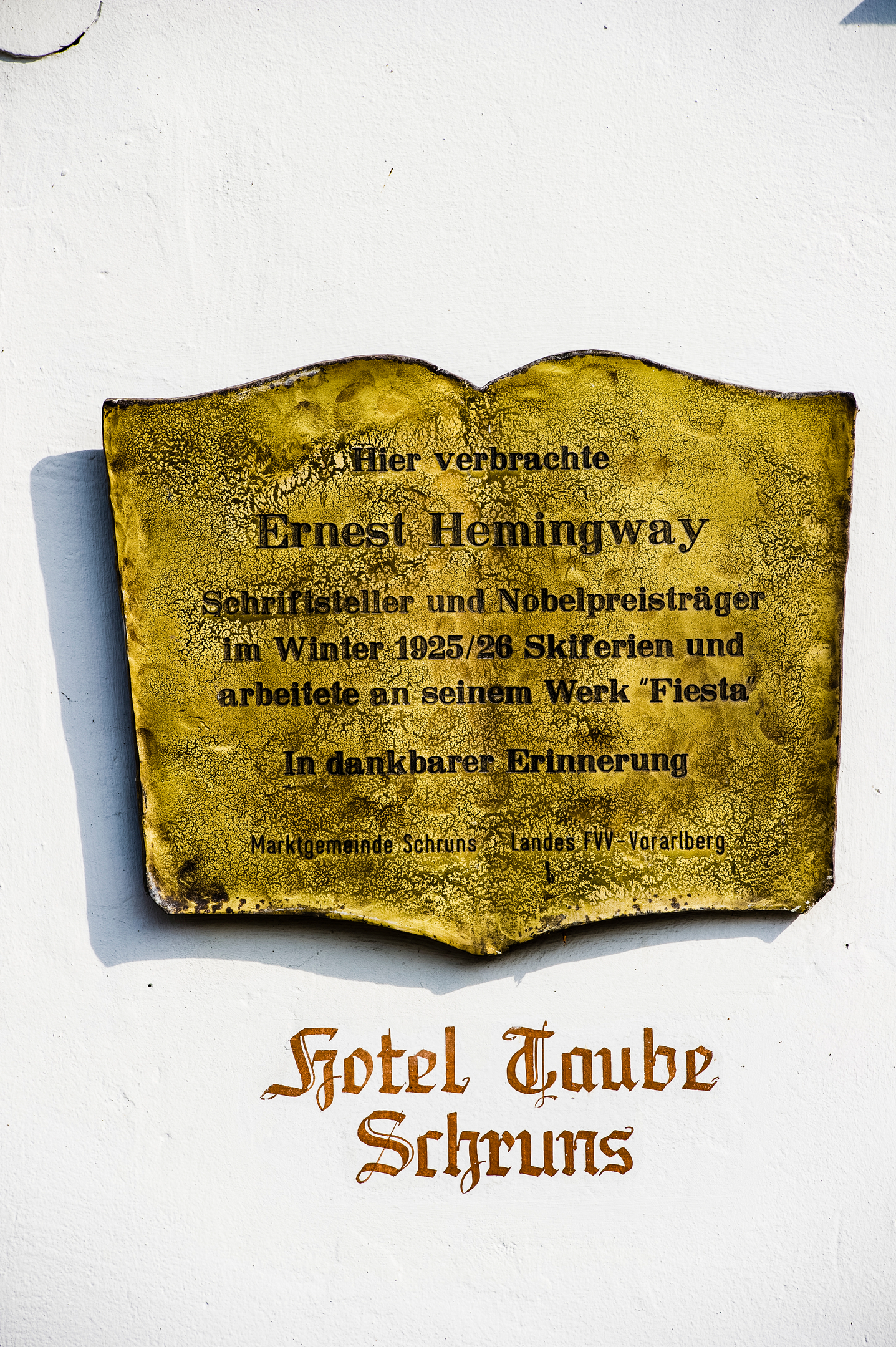
In the 1920s, the author Ernest Hemingway was a regular at Hotel Taube in Schruns.
to Paris, Ernest and Hadley Hemingway left for where the rain came down as snow, sifting through the pines and covering the roads and high passes. They took the train from Gare de l’Est to Switzerland and continued to Austria, where they spent the winter in the little mountain village of Schruns. There, Ernest wrote, Hadley played the piano, and they skied as much as possible. The Montafon Valley, in the country’s mountainous western tongue of Vorarlberg, had plenty of snow and sunshine. They could hear the snow creak as they walked home at night in the cold with their skis on their shoulders, watching the lights of town approach until their beloved Hotel Taube appeared with its big windows and beds.
In 1925, Ernest Hemingway was Austria’s first American ski bum. In his book A Moveable Feast, he describes Montafon as a place for the brave, courageous, and dedicated. A place of surpassing authenticity. And that this was the way skiing life should be. Amazingly, little has changed there.
In the 1920s, the author Ernest Hemingway was a regular at Hotel Taube in Schruns.
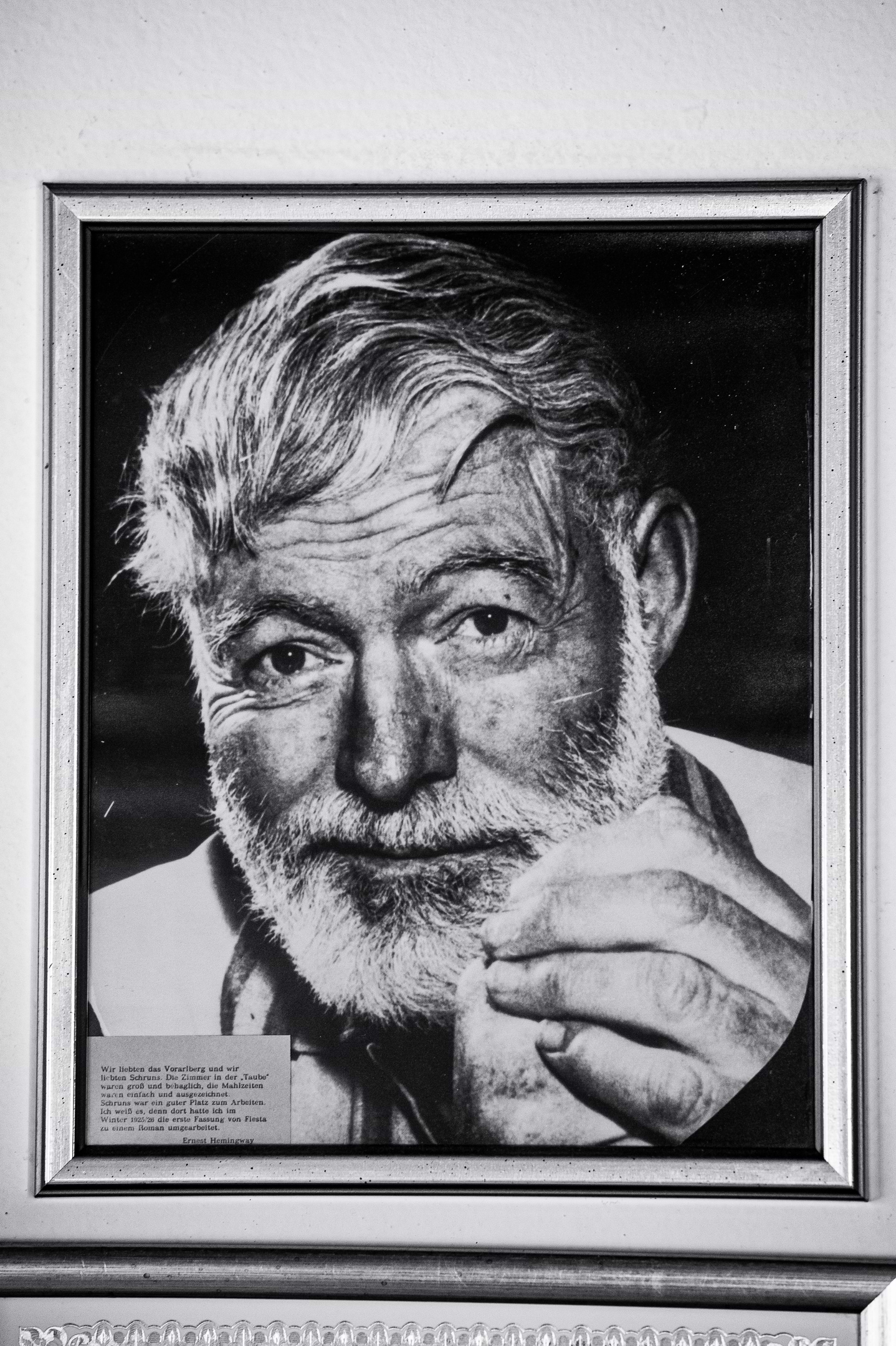
While living in Paris, working as a foreign correspondent for the Toronto Daily Star and writing, Hemingway spent a few winters in the Montafon valley. His portrait still hangs in “his corner” at Hotel Taube.
In the 1920s, the author Ernest Hemingway was a regular at Hotel Taube in Schruns.
While living in Paris, working as a foreign correspondent for the Toronto Daily Star and writing, Hemingway spent a few winters in the Montafon valley. His portrait still hangs in “his corner” at Hotel Taube.
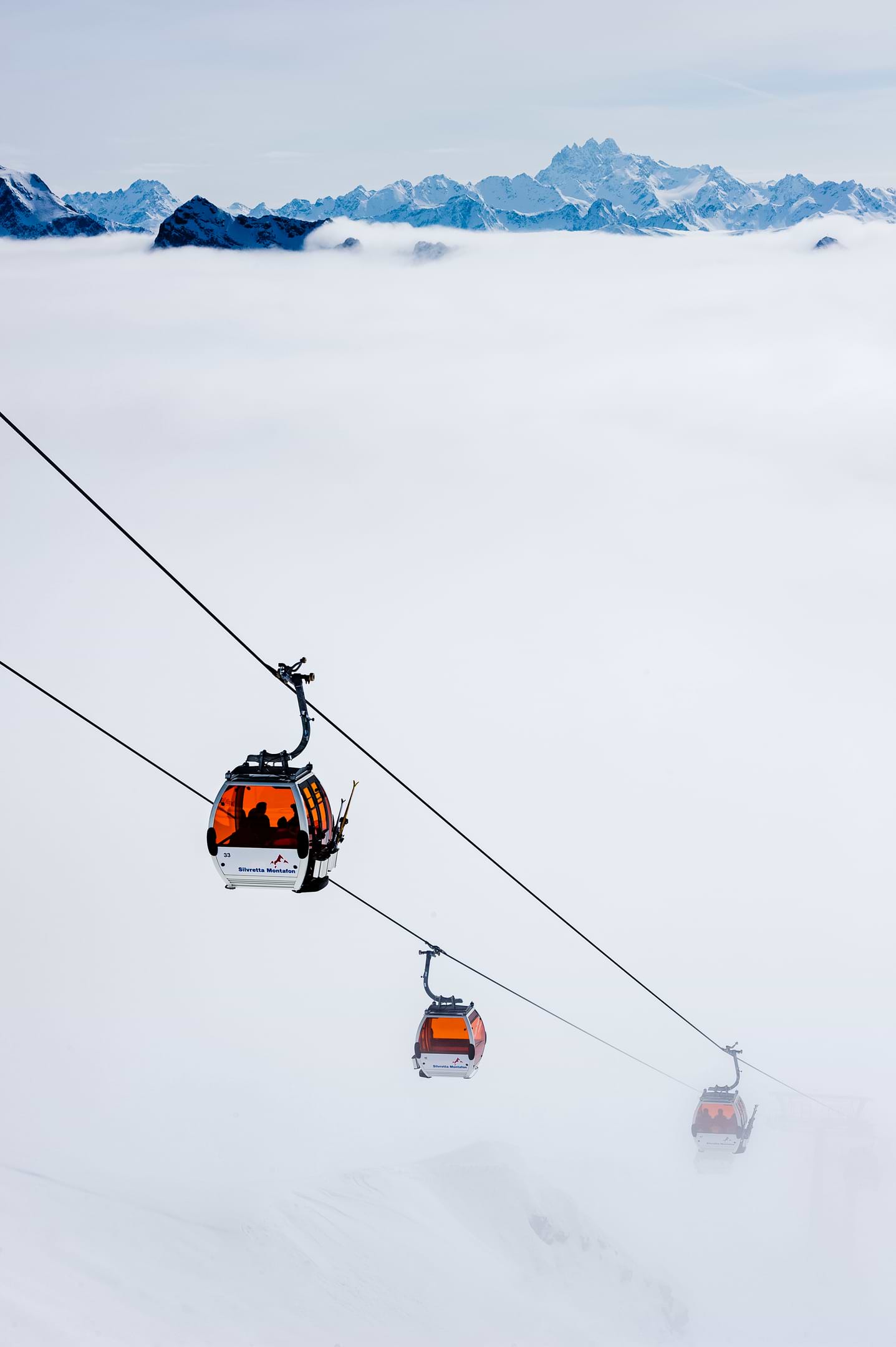
In 2008, the two small ski areas, Silvretta Nova and Hochjoch, merged, creating Silvretta Montafon. A few new lifts, such as a high-speed gondola, were added.
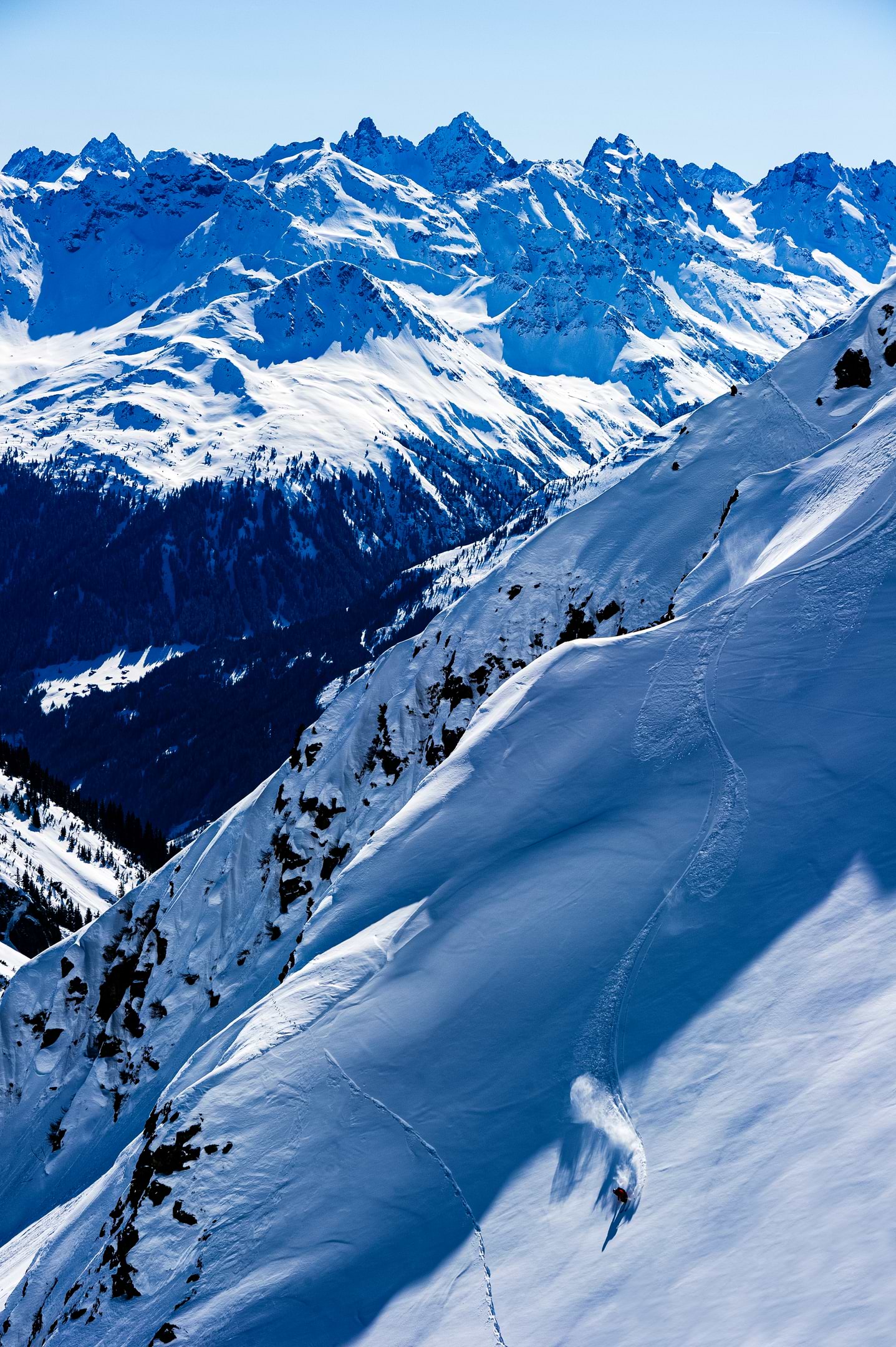
Hemingway described Montafon as a place for the brave, courageous, and dedicated. We would also say it’s a place for the smart ones who like to find less crowded slopes and a small-town vibe. Skier: Henrik Windstedt
In 2008, the two small ski areas, Silvretta Nova and Hochjoch, merged, creating Silvretta Montafon. A few new lifts, such as a high-speed gondola, were added.
Hemingway described Montafon as a place for the brave, courageous, and dedicated. We would also say it’s a place for the smart ones who like to find less crowded slopes and a small-town vibe. Skier: Henrik Windstedt
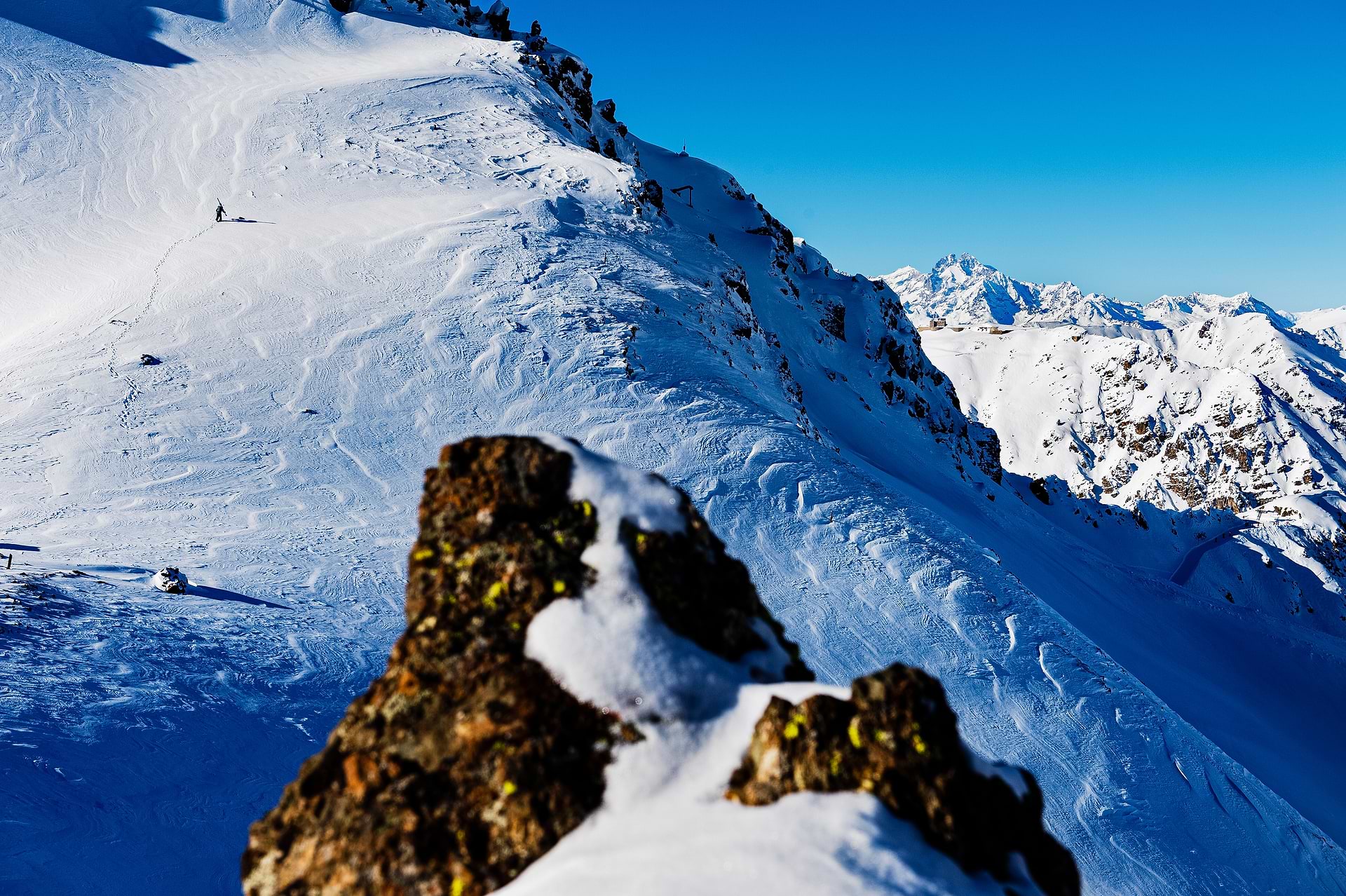
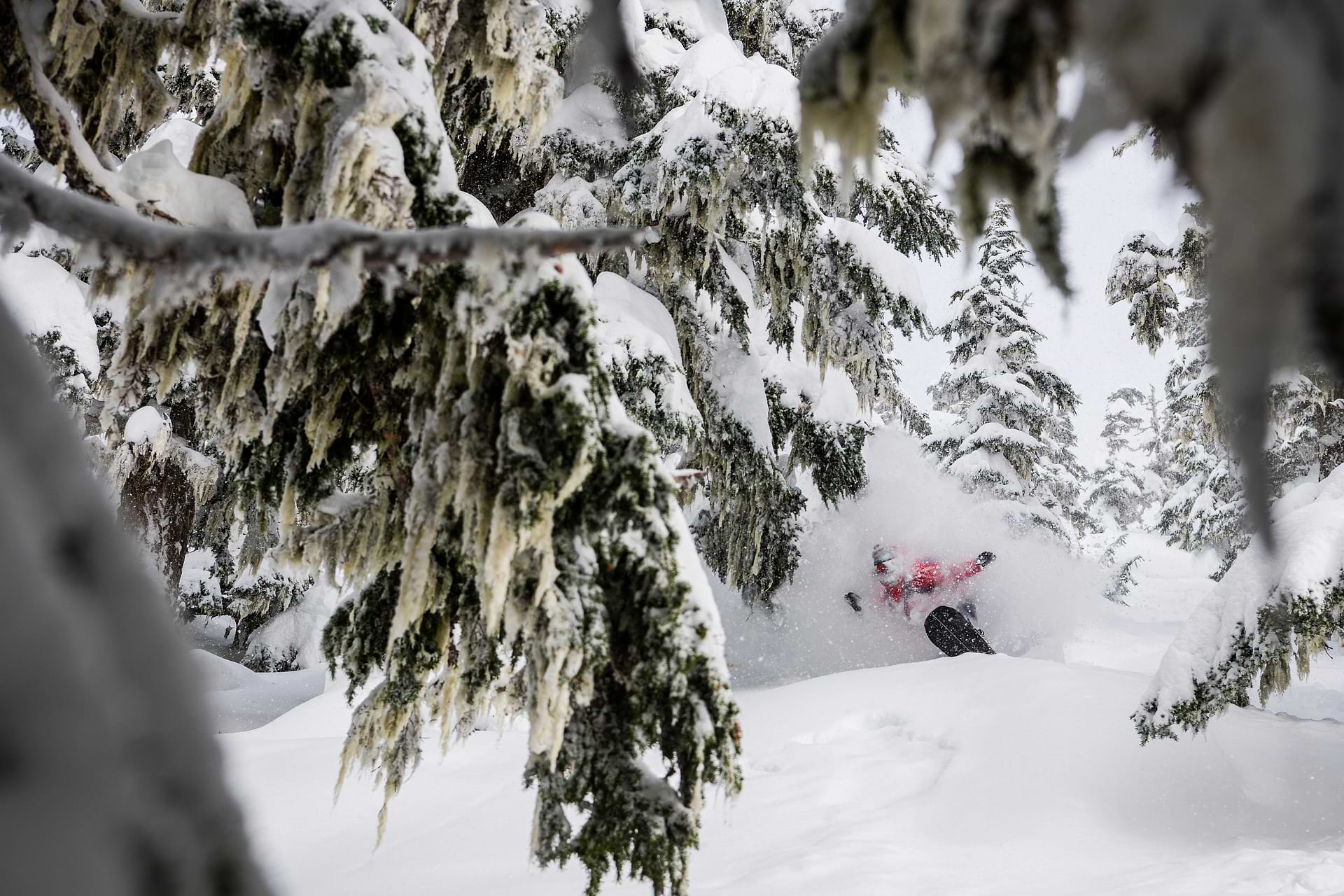
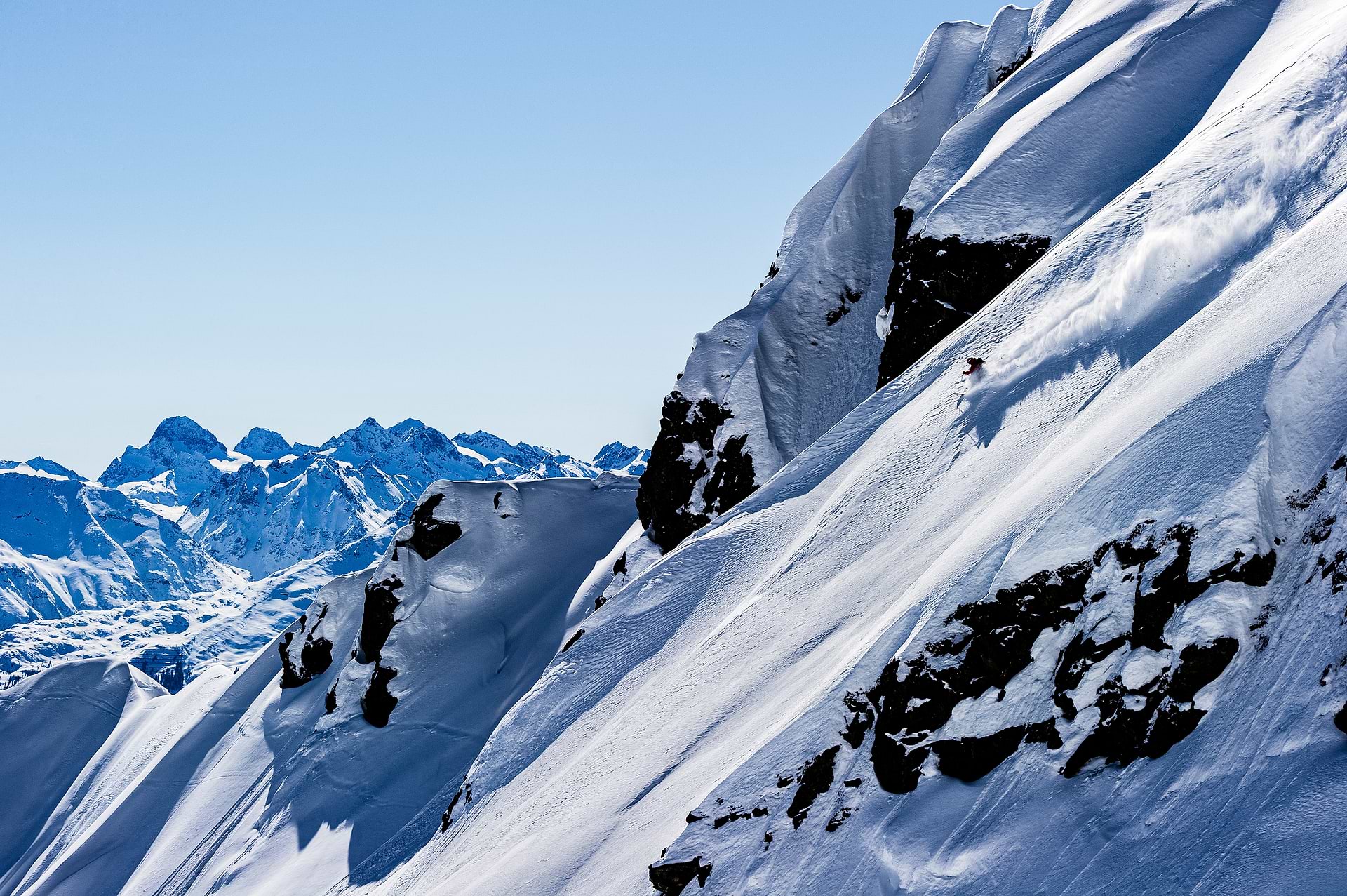
If you haven’t heard of Montafon, you’re not alone. Continued skiers diverting toward the better-known pistes and raging nightlife of Ischgl and St. Anton have preserved the area’s considerable charm. Not a resort per se, Montafon’s ski areas of Gargellen, Golm and Silvretta Montafon (an amalgamation of Silvretta Nova and Hochjoch) are nevertheless seen as one by in-the-know skiers. With a modest 220 km of varied pistes, it’s outside this marked terrain that Montafon truly shines, hoarding powder days after a storm: hike the ridge toward Zamangspitze or Silbertal at Hochjoch; ride the Rinderhütte chair towards Novatal at Silvretta Nova; or try Gargellen’s freeride-fantasy Nidla face. There’s even a pillow field tucked away in the trees near Hochjoch’s Garfrescha.
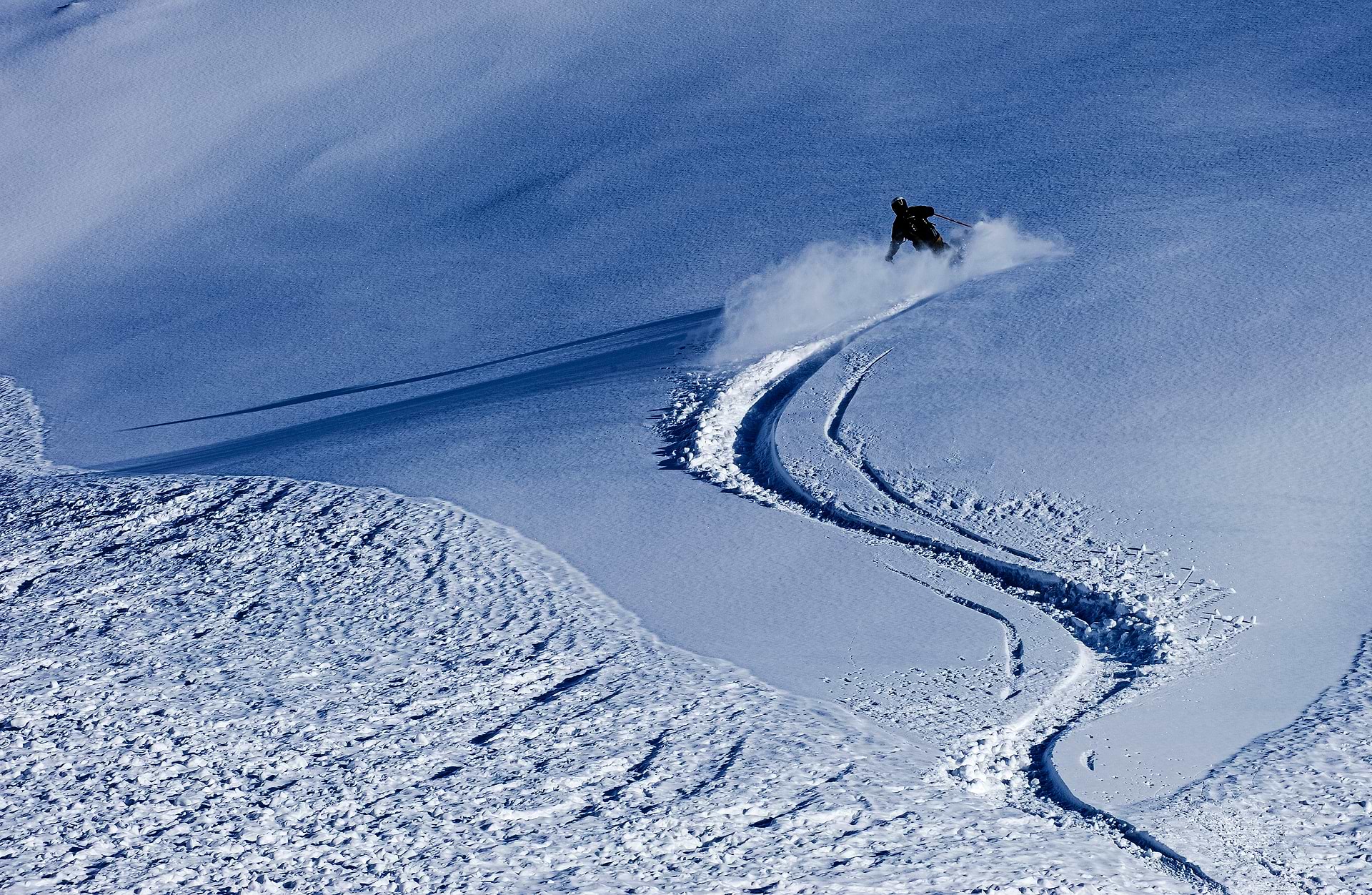
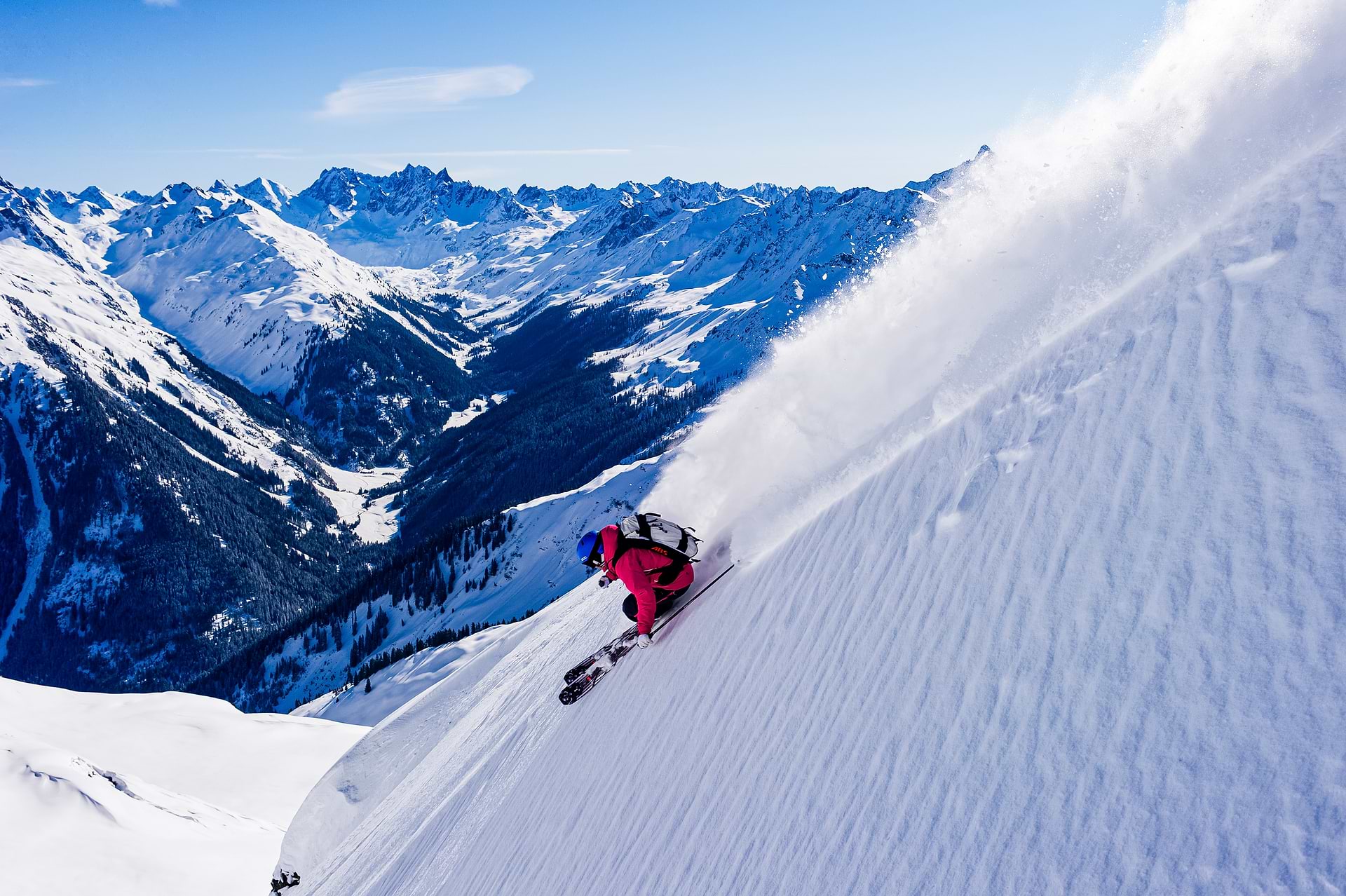
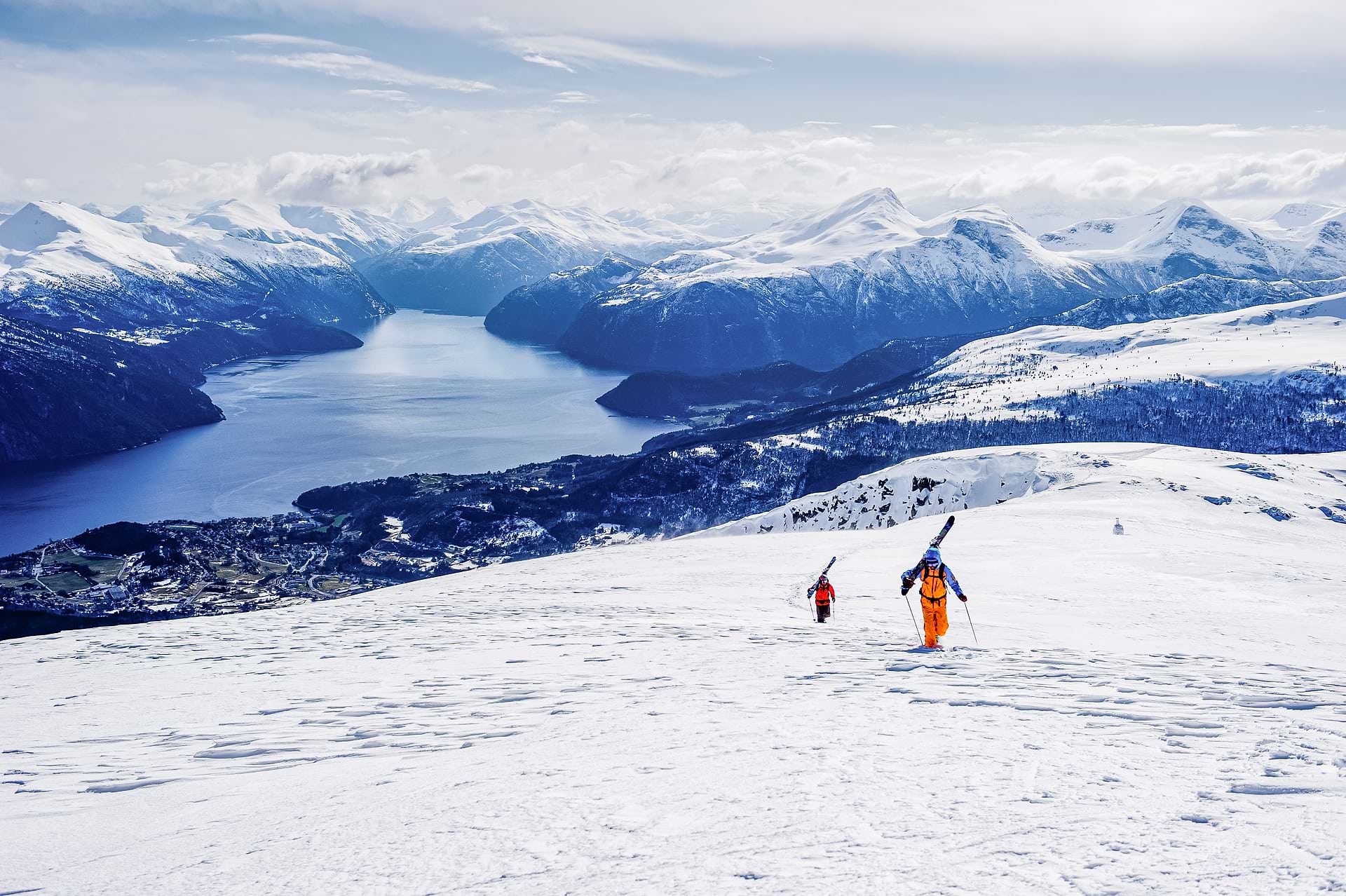
Ski-touring here is also well served, with opportunity aplenty in an area averaging 10 metres of snow annually—one of Europe’s best records. Classics include the Madrisa Rundtour from Gargellen to Klosters in Switzerland and back, with its long downhills and epic scenery, or the Silvretta-Bielerhöhe, Vorarlberg’s largest ski touring area with access to the 3,312 metres Piz Buin (which is the peak of the famed sunscreen) and some of the most superior huts in this part of the Alps.
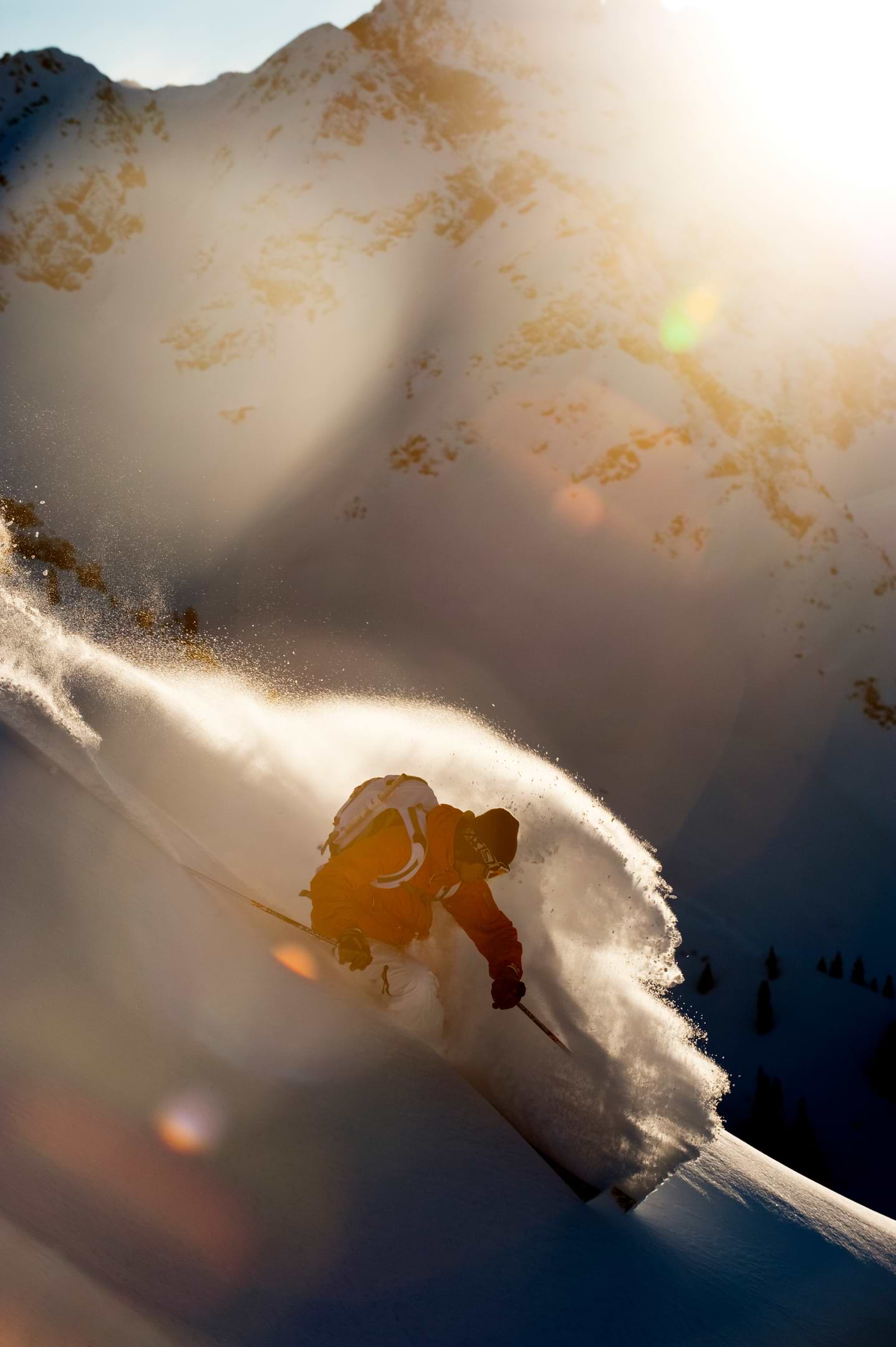
After a long day of skiing steep lines and jumping off cliffs, Sebastian Garhammer cruises to the valley at the last light.
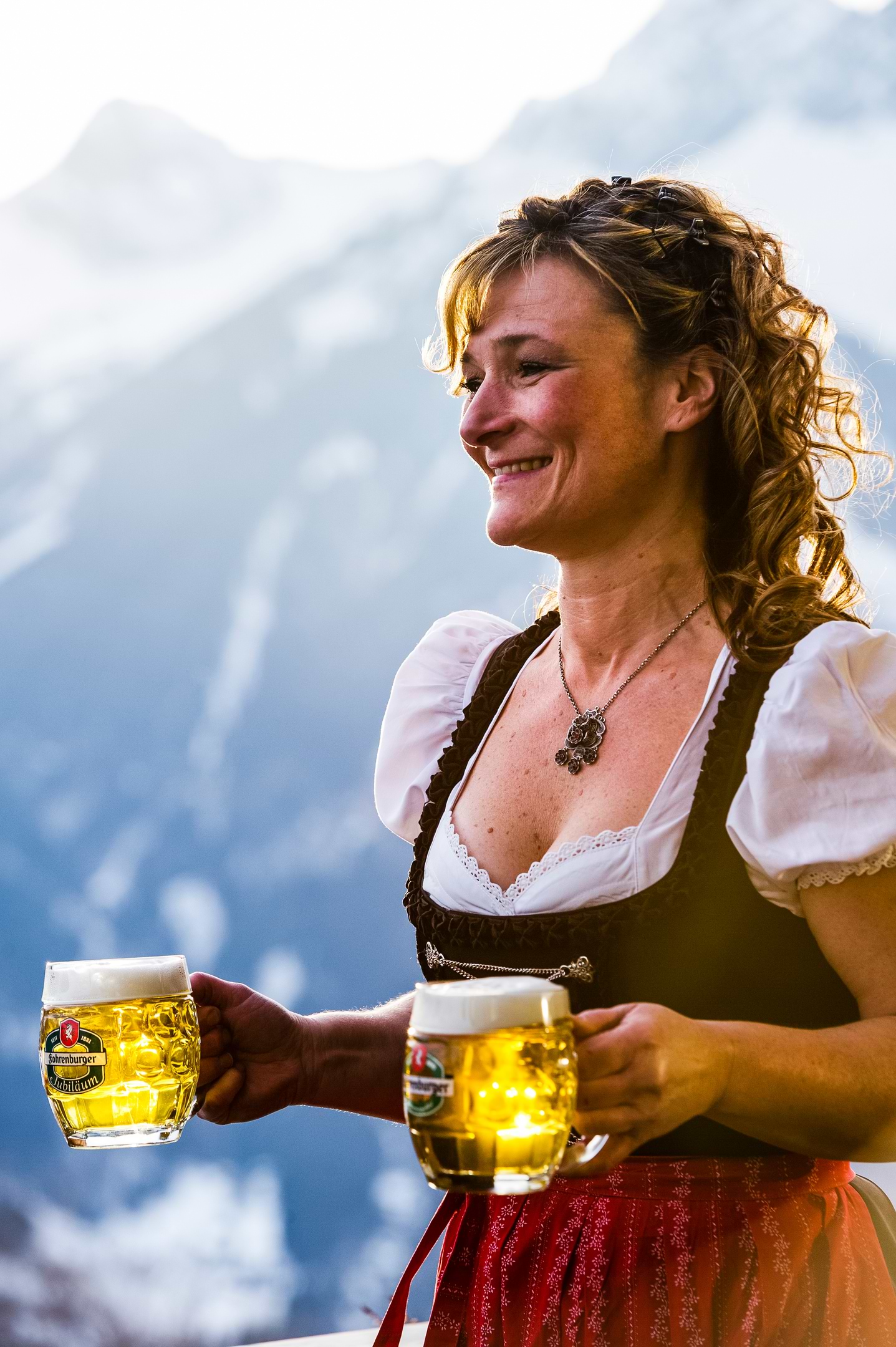
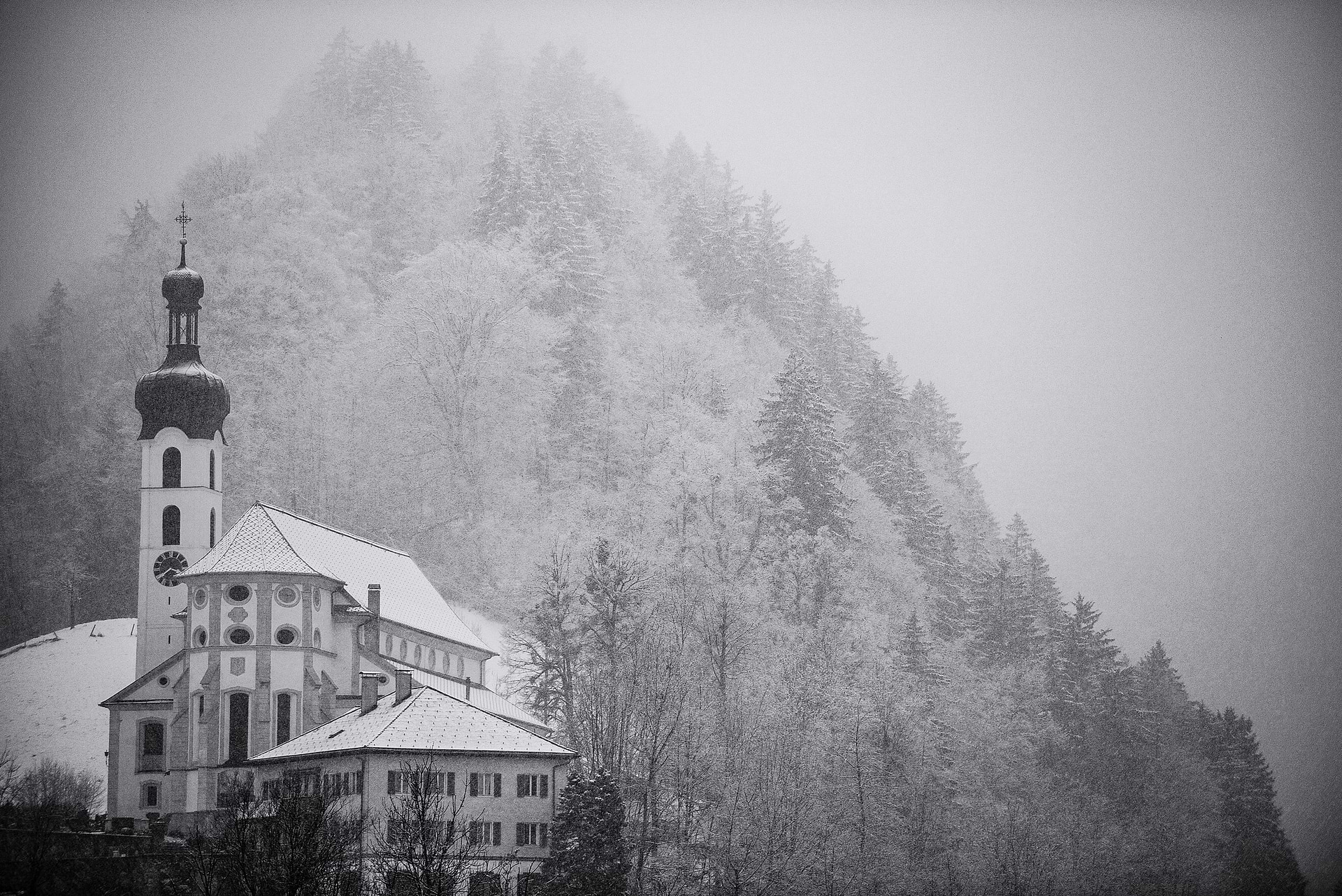
Après ski in the sunny village of Bartholomäberg is always a great idea.
After a long day of skiing steep lines and jumping off cliffs, Sebastian Garhammer cruises to the valley at the last light.
Après ski in the sunny village of Bartholomäberg is always a great idea.
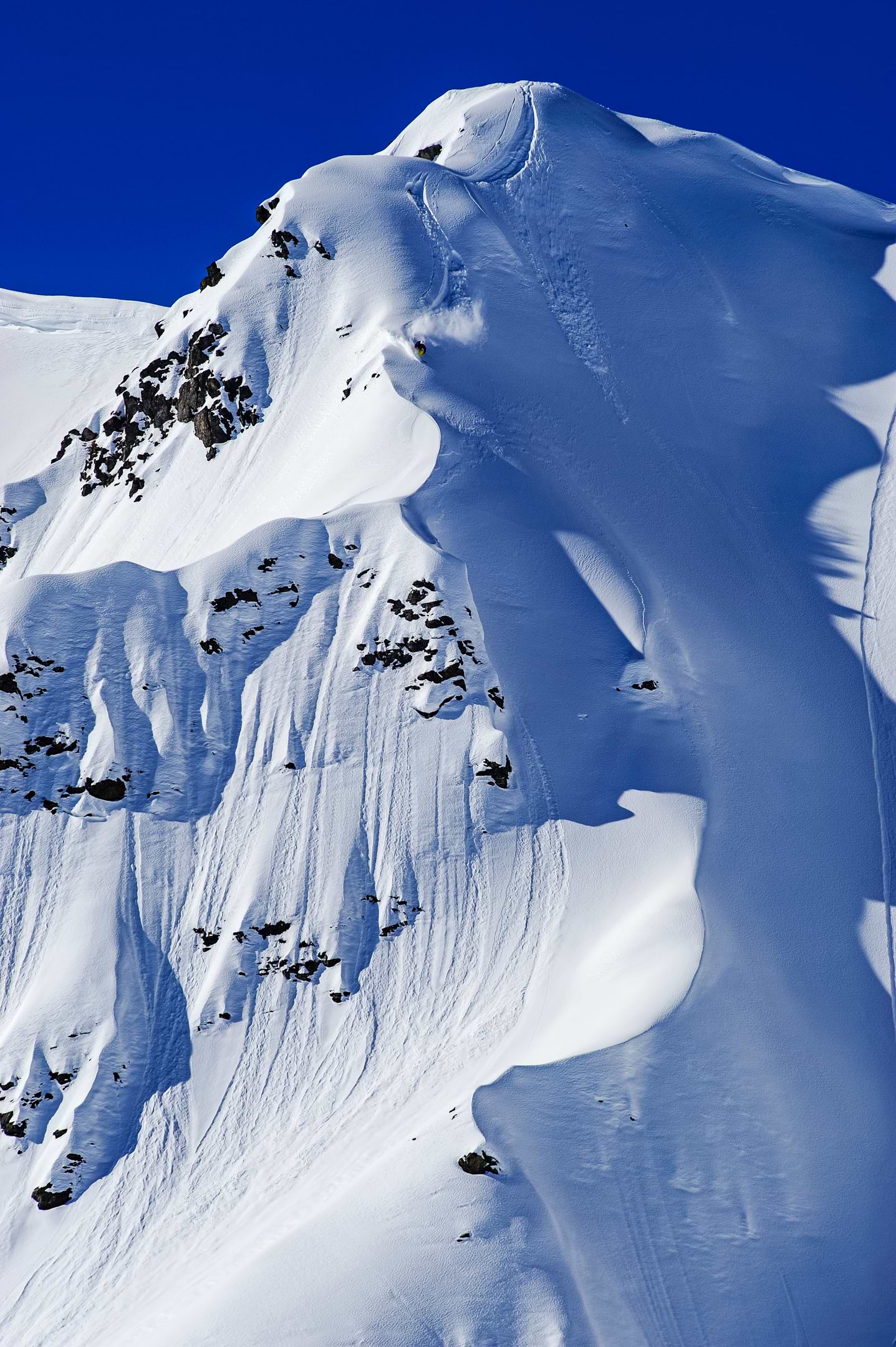
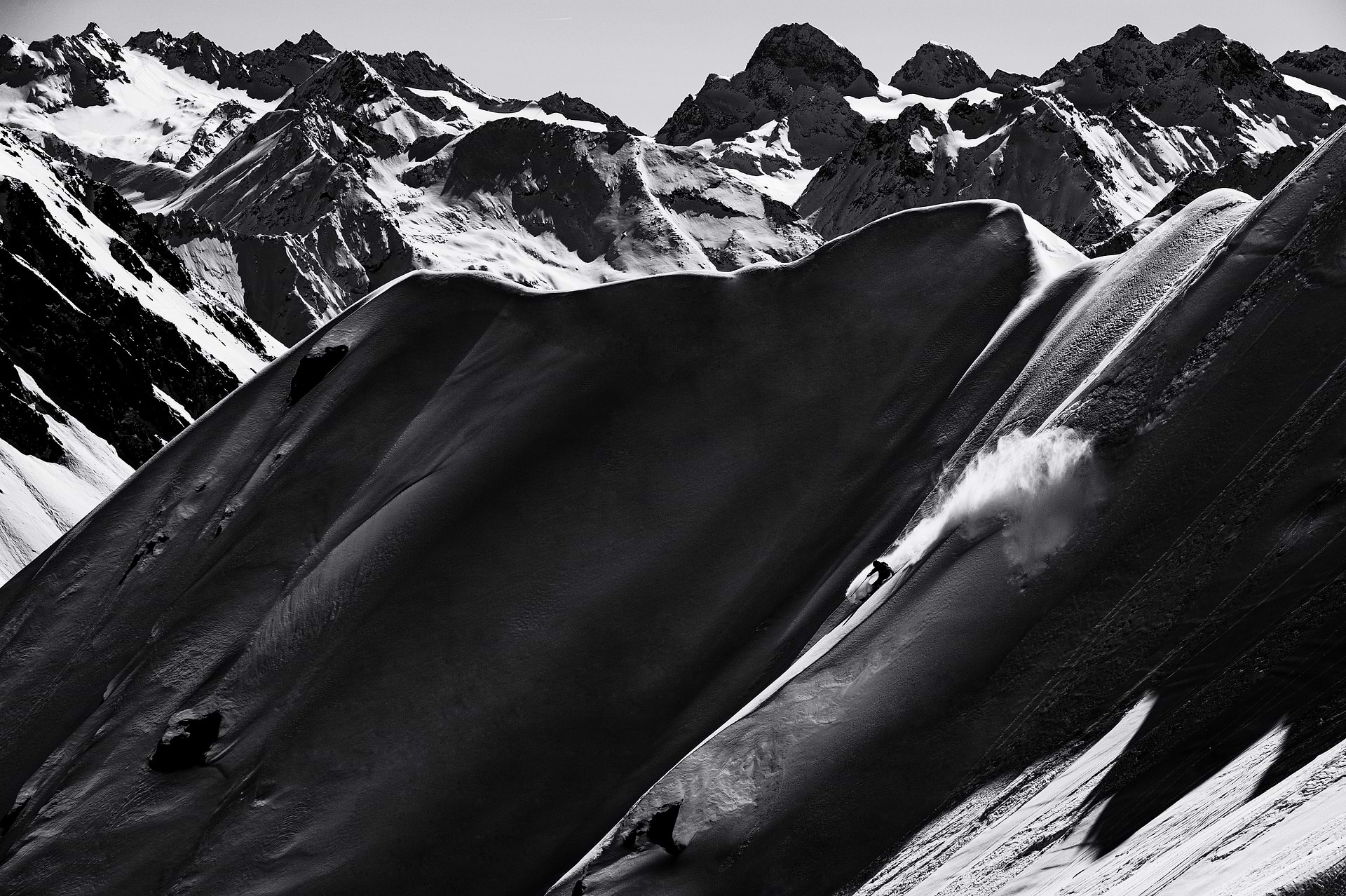
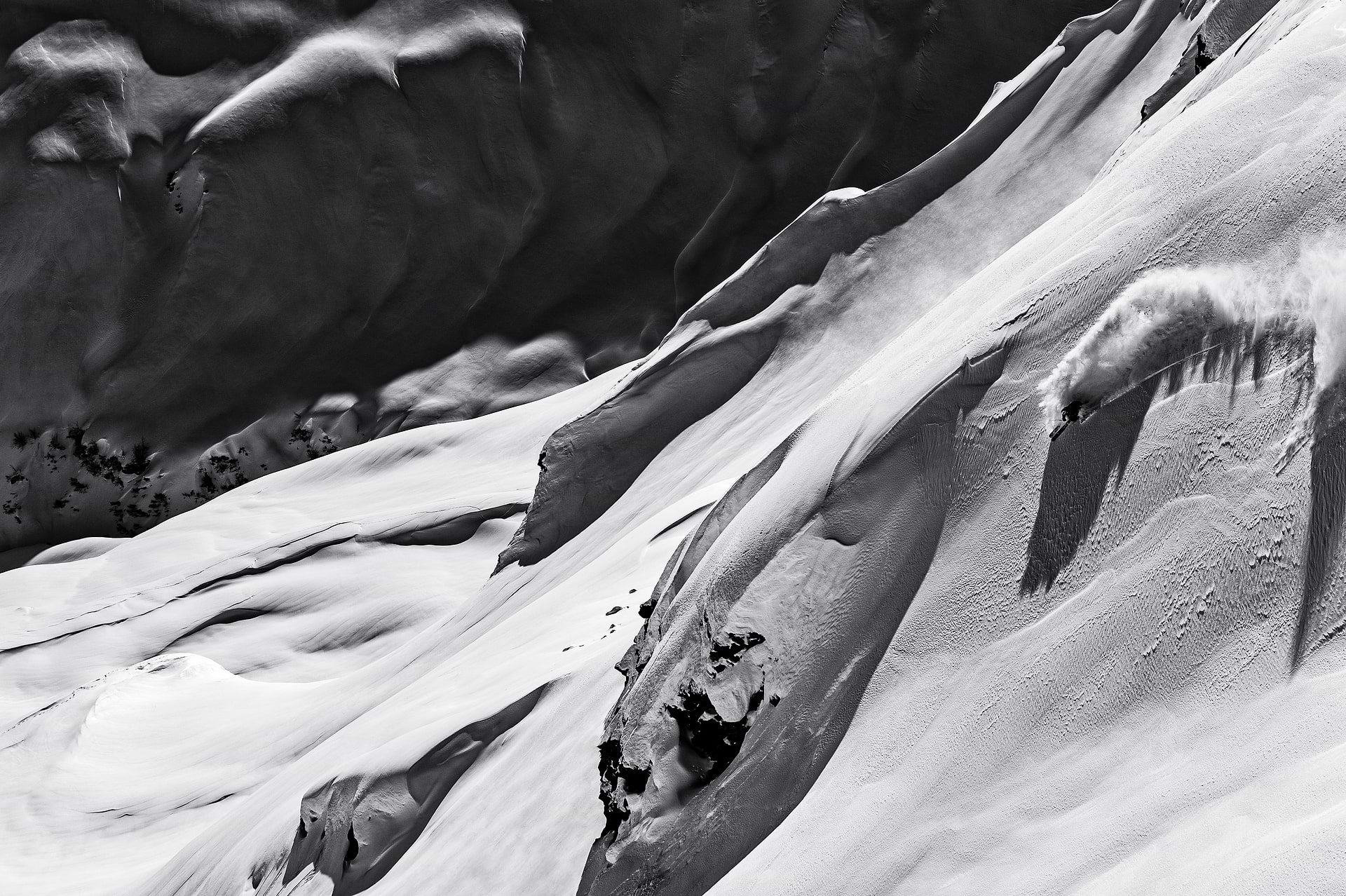
Gargellen is the highest village in the Montafon Valley; naturally, the ski area gets the most snow. The steep Nidla face, with its spines, is the closest thing to skiing in Alaska you can get here. Skier: Kaj Zackrisson
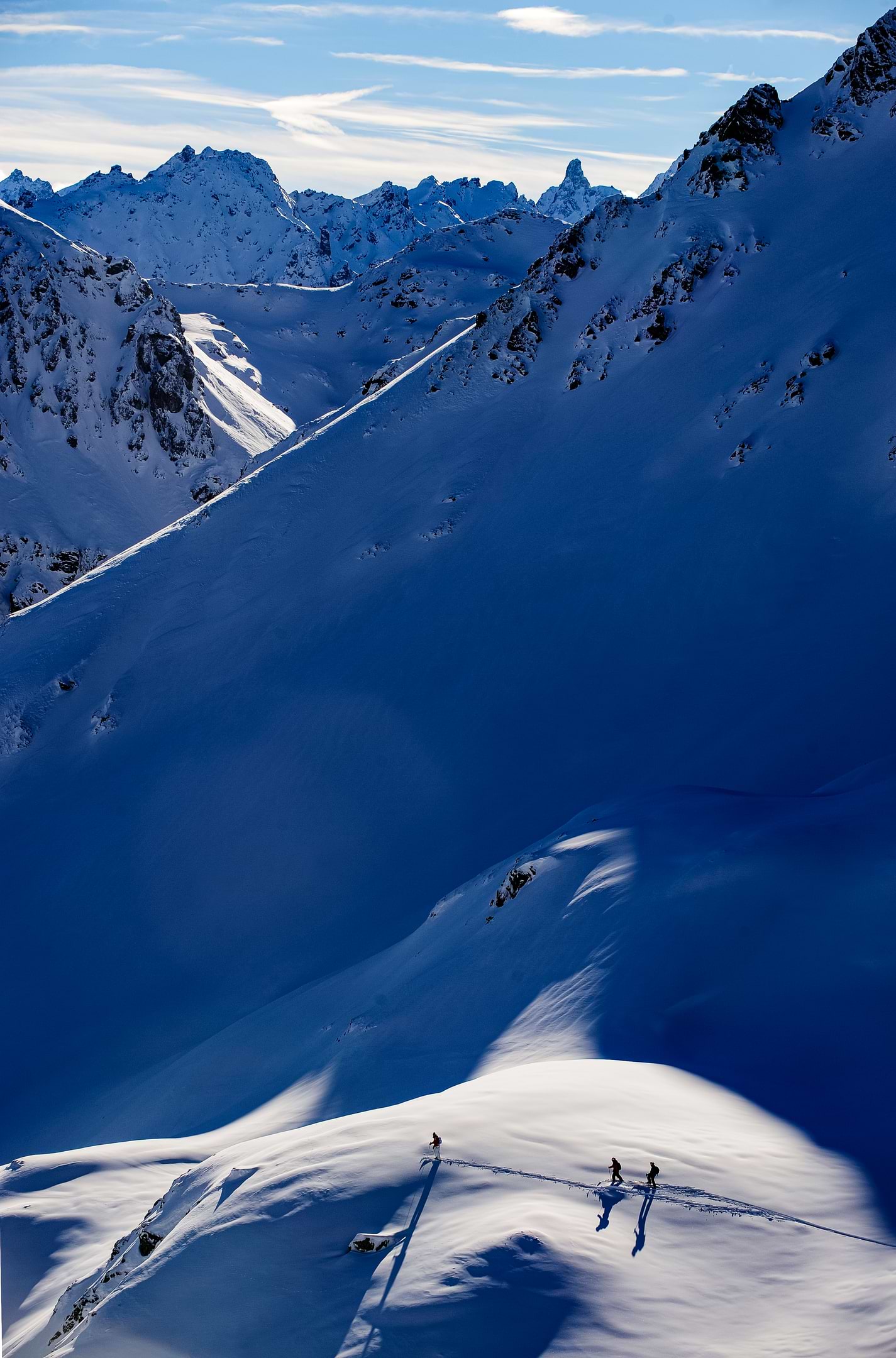
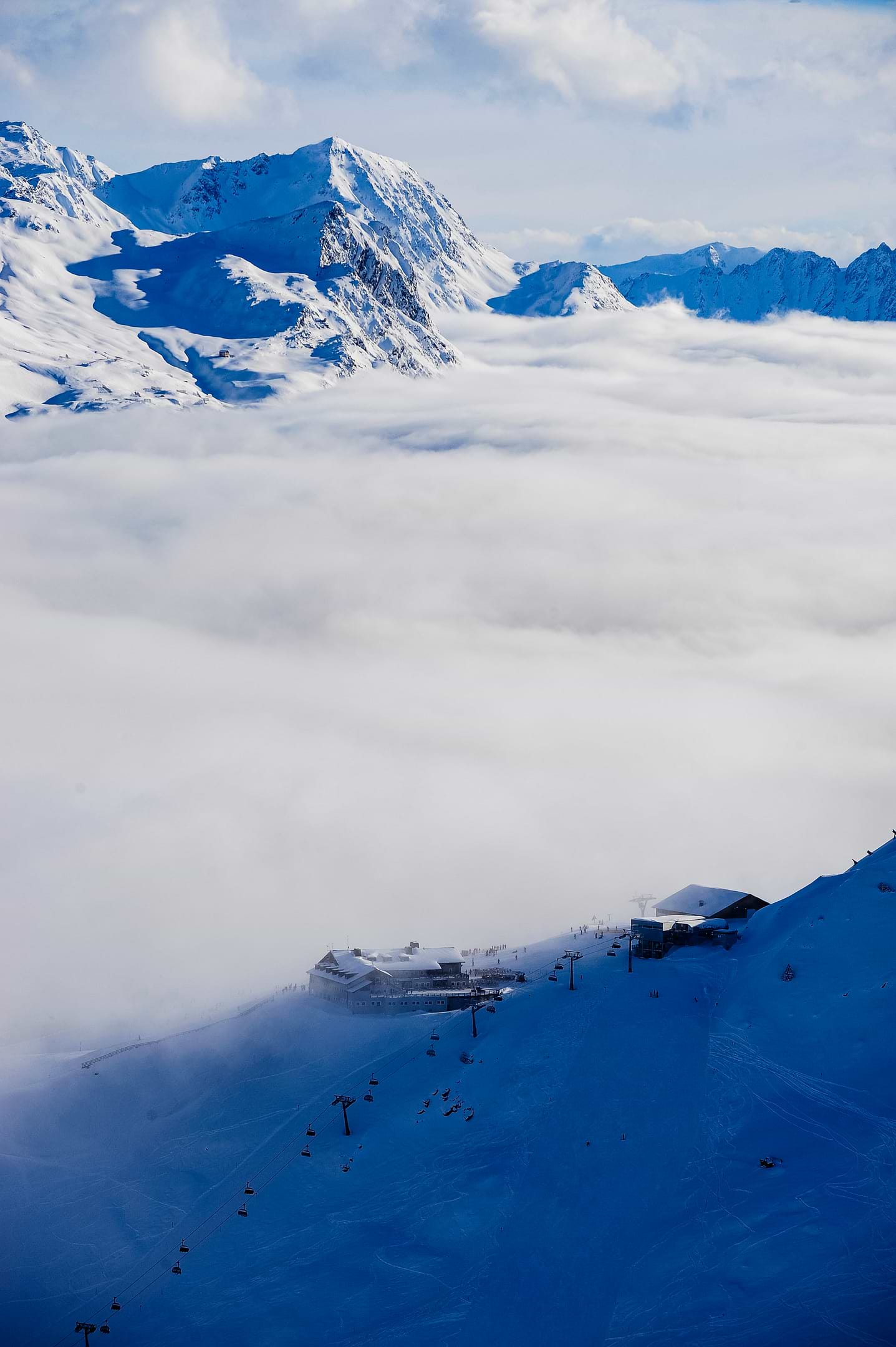
With the impressive Silvretta massif all around, the location of the ski area Silvretta Montafon in the Voralberg region is simply stunning.
Gargellen is the highest village in the Montafon Valley; naturally, the ski area gets the most snow. The steep Nidla face, with its spines, is the closest thing to skiing in Alaska you can get here. Skier: Kaj Zackrisson
With the impressive Silvretta massif all around, the location of the ski area Silvretta Montafon in the Voralberg region is simply stunning.
The contrast between Silvretta-Montafon and Gargellen is stark: where the former balloons with 180 km of pistes, super-modern lifts and various valley-bottom base stations, Gargellen remains a charming village and compact ski area set at altitude. The valley’s intersection of occasional modernity and coddled posterity is best understood here. Open-sided stables and sagging restaurants (none of which accept credit cards) recall the medieval winterscape of Brueghel’s The Hunters in the Snow—reinforced by the smell of manure.
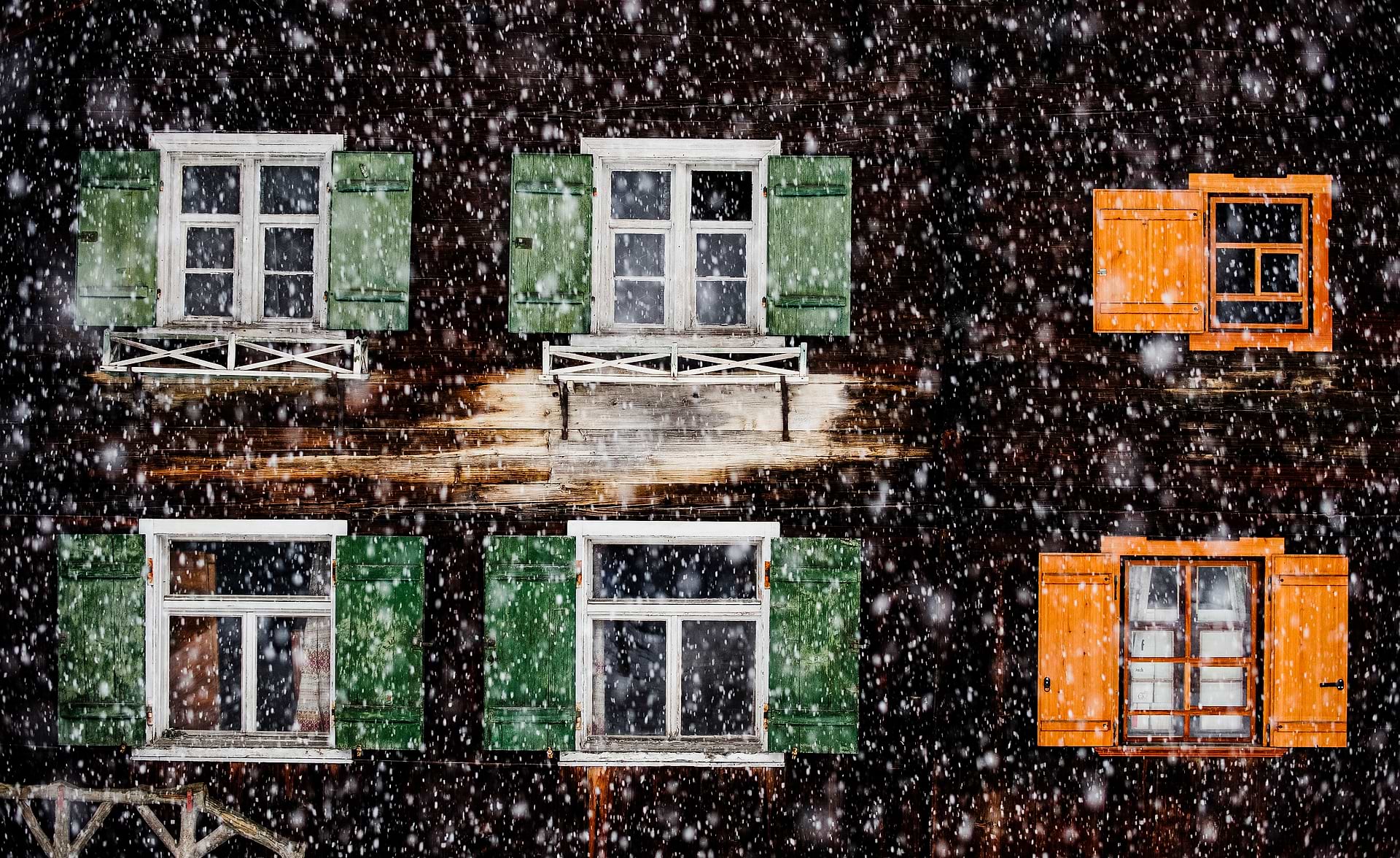
In the Montafon Valley, it’s less about fancy 5-star hotels and sportscars and more about the authentic Austrian ski culture we have come to love.
In the Montafon Valley, it’s less about fancy 5-star hotels and sportscars and more about the authentic Austrian ski culture we have come to love.
It may be a backwater, but the region isn’t lacking food options. Schafberg Hüsli on Gargellen features a sun terrace with views over Rätikon and Silvretta mountains; try the Käsespätzle and homemade Apfelstrudel. In Schruns, Litz-Stöbli beneath Hotel Litz is cozy and genuine with wood furniture, great burgers and excellent schnitzel; Gasthaus zum Kreuz serves fondues, raclettes and seasonal game like Hasenpfeffer (hare stew)—Hemingway’s favourite when he ate here. Après-ski isn’t much of a thing in Montafon, but Ganda Keller in Gargellen can be fun, ditto Ur Monti in Schruns. And, if you can find it, tucked in a valley off Hochjoch is the world’s smallest après bar; inside a retired school bus, you can almost imagine Hemingway holding court in a corner, a glass of kirsch in hand.
(nice mix of tradition and modern).
(relative to big Austrian resorts).
terrain (everywhere).
(nary a word of English on the breeze).
slow lifts (but historic!).
too quiet (for some).
(nice mix of tradition and modern).
(relative to big Austrian resorts).
terrain (everywhere).
(nary a word of English on the breeze).
slow lifts (but historic!).
too quiet (for some).
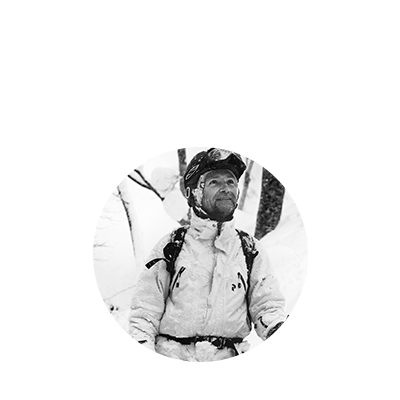
LESLIE ANTHONY is a writer and editor who knows a thing or two about snow. Longtime Creative Director of SKIER, former Managing Editor of POWDER, and author of the book White Planet: A Mad Dash Through Modern Global Ski Culture, the resident of Whistler, British Columbia, continues to appear regularly on the masthead of the world’s top ski magazines. His favorite activity? Skiing powder, of course.
LESLIE ANTHONY is a writer and editor who knows a thing or two about snow. Longtime Creative Director of SKIER, former Managing Editor of POWDER, and author of the book White Planet: A Mad Dash Through Modern Global Ski Culture, the resident of Whistler, British Columbia, continues to appear regularly on the masthead of the world’s top ski magazines. His favorite activity? Skiing powder, of course.
RELATED STORIES