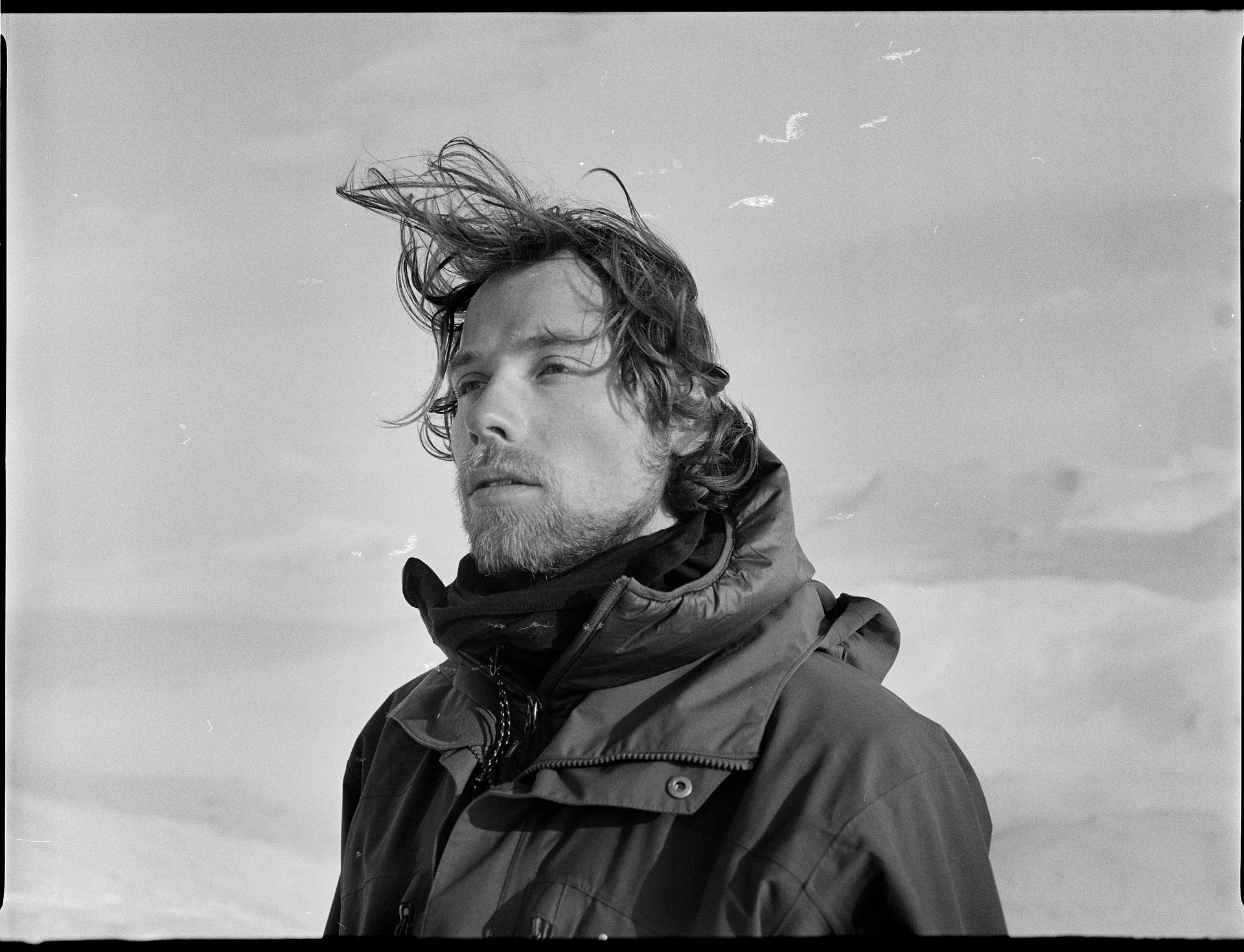
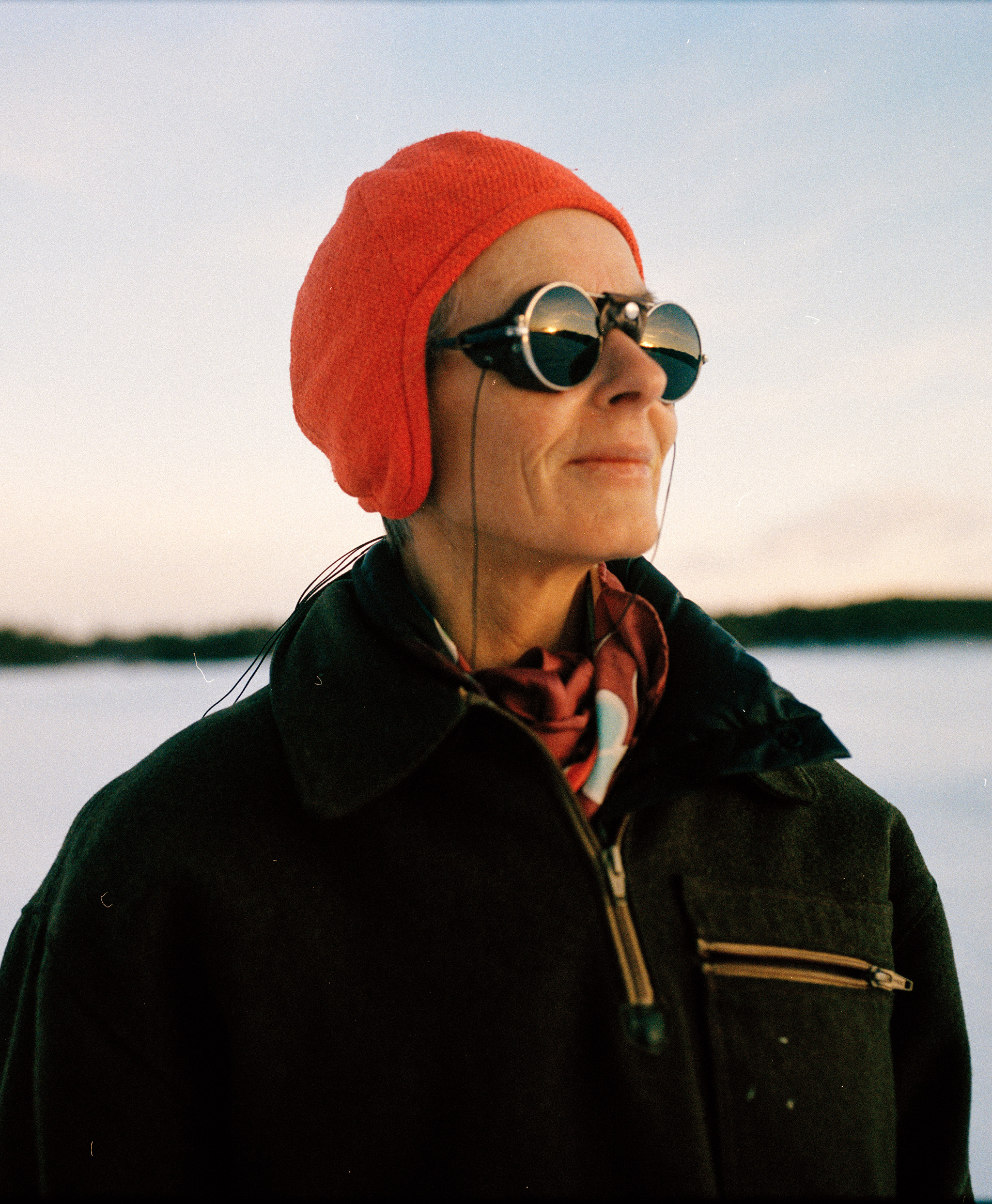
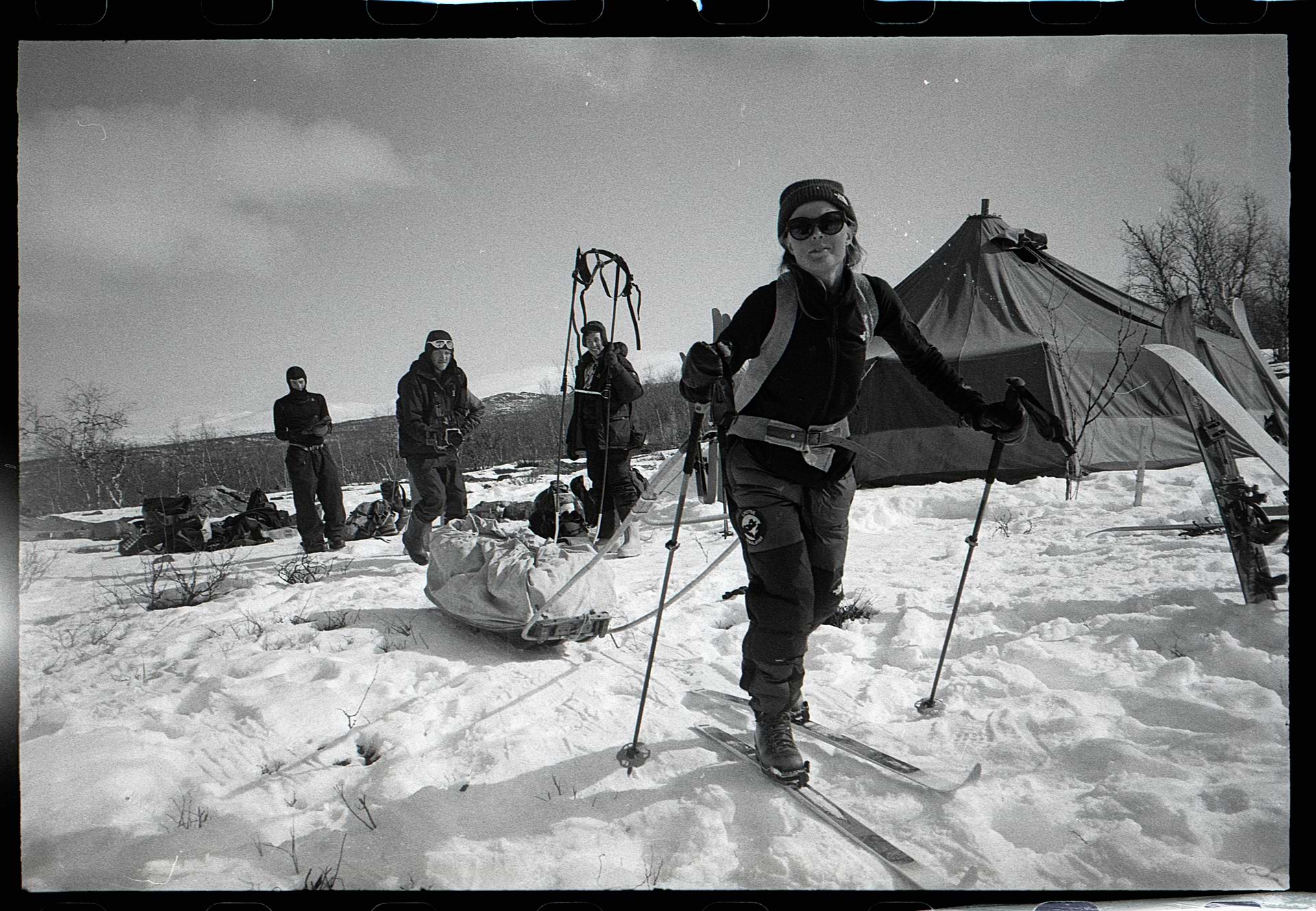
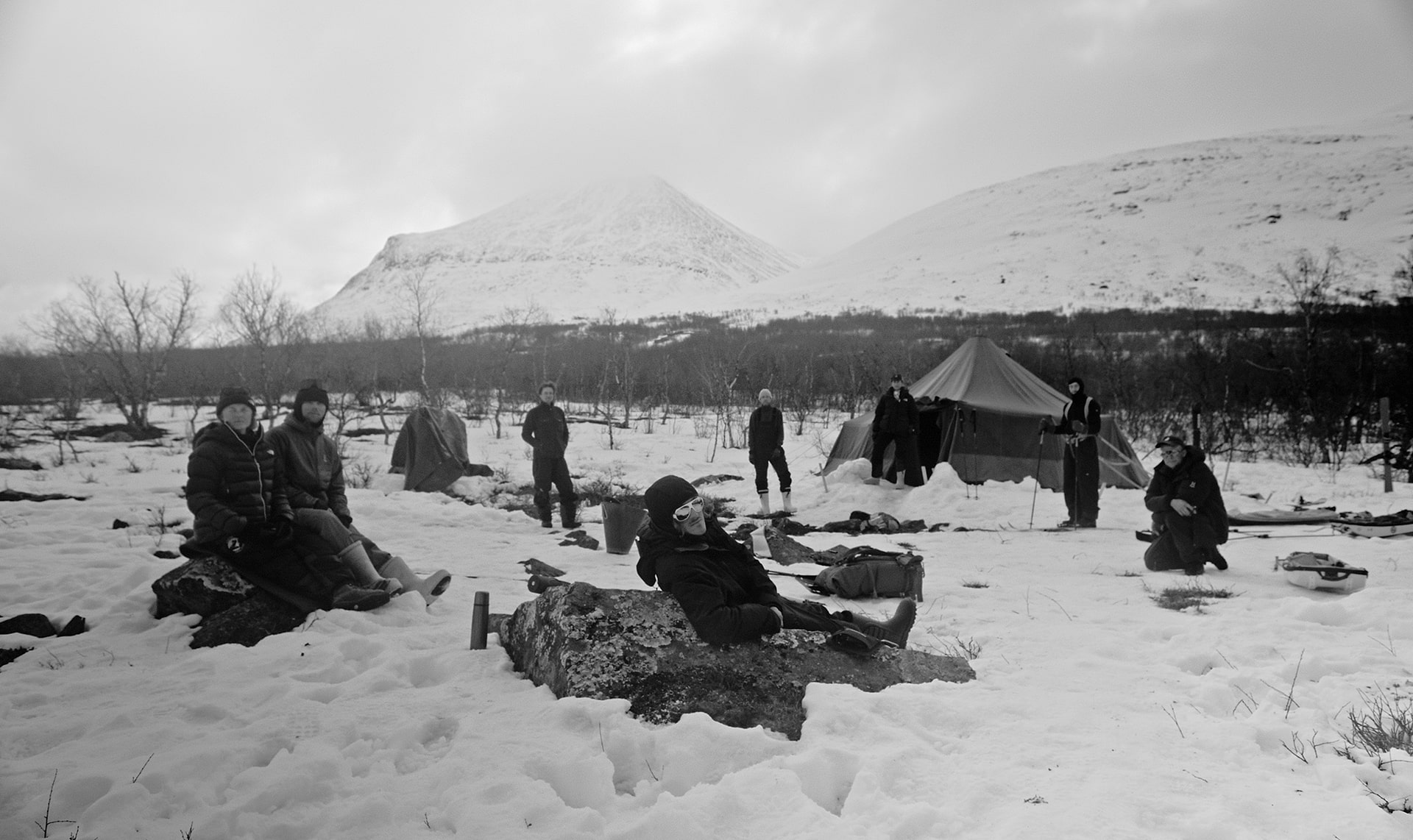
Magnus Granér was portrayed at the base camp near Áhkká in Swedish Lapland during the expedition in April 2021.
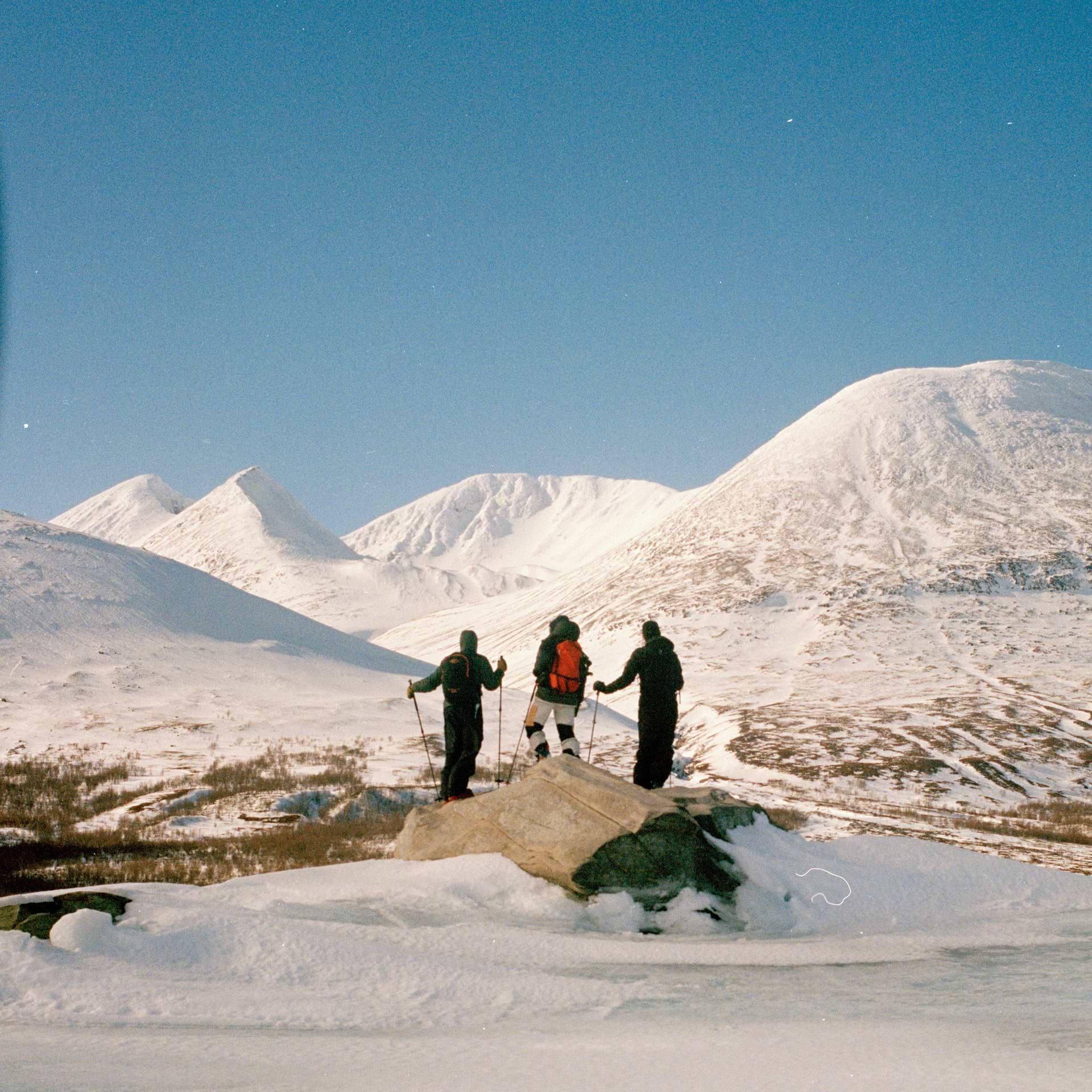
In northern Sámi, the language spoken by the indigenous people of Sweden, Áhkká translates to “The Old Lady.”
like a grandmother, is something to be cared for, with the trust that it will, in return, foster you. It’s an isolated, challenging, and often frustrating mountain. Áhkká requires patience and knowledge, but climbing and skiing Swedish Lapland’s crown jewel can be life-changing.
Magnus Granér was portrayed at the base camp near Áhkká in Swedish Lapland during the expedition in April 2021.
Magnus Granér was portrayed at the base camp near Áhkká in Swedish Lapland during the expedition in April 2021.
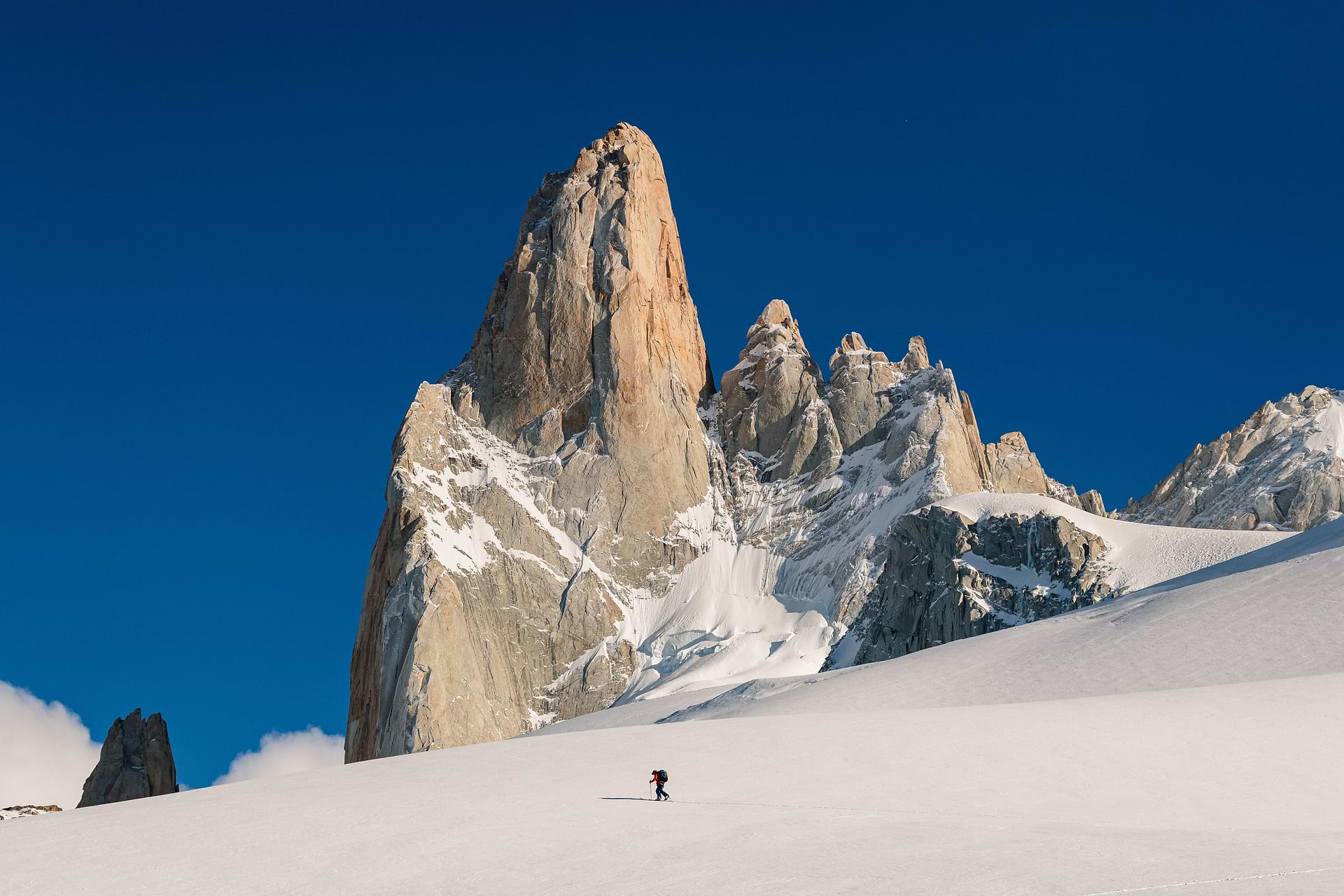
At 2,015 meters (6,611 feet) above sea level, Stortoppen of Áhkká is only Sweden’s eighth-highest peak. But nestled among the majestic Áhkká range’s dozen peaks and glaciers in Stora Sjöfallet National Park, Stortoppen—the renowned Queen of Lapland—boasts a whopping 1,563 meters (5,128 feet) of vertical relief above Lake Áhkkájavrre, the highest vertical drop in Sweden. (By comparison, the famous downhill race, Hahnenkamm Rennen in Kitzbühel, Austria, drops 860 vertical meters; British Columbia’s Whistler Mountain to town descends 1,530 vertical meters.)
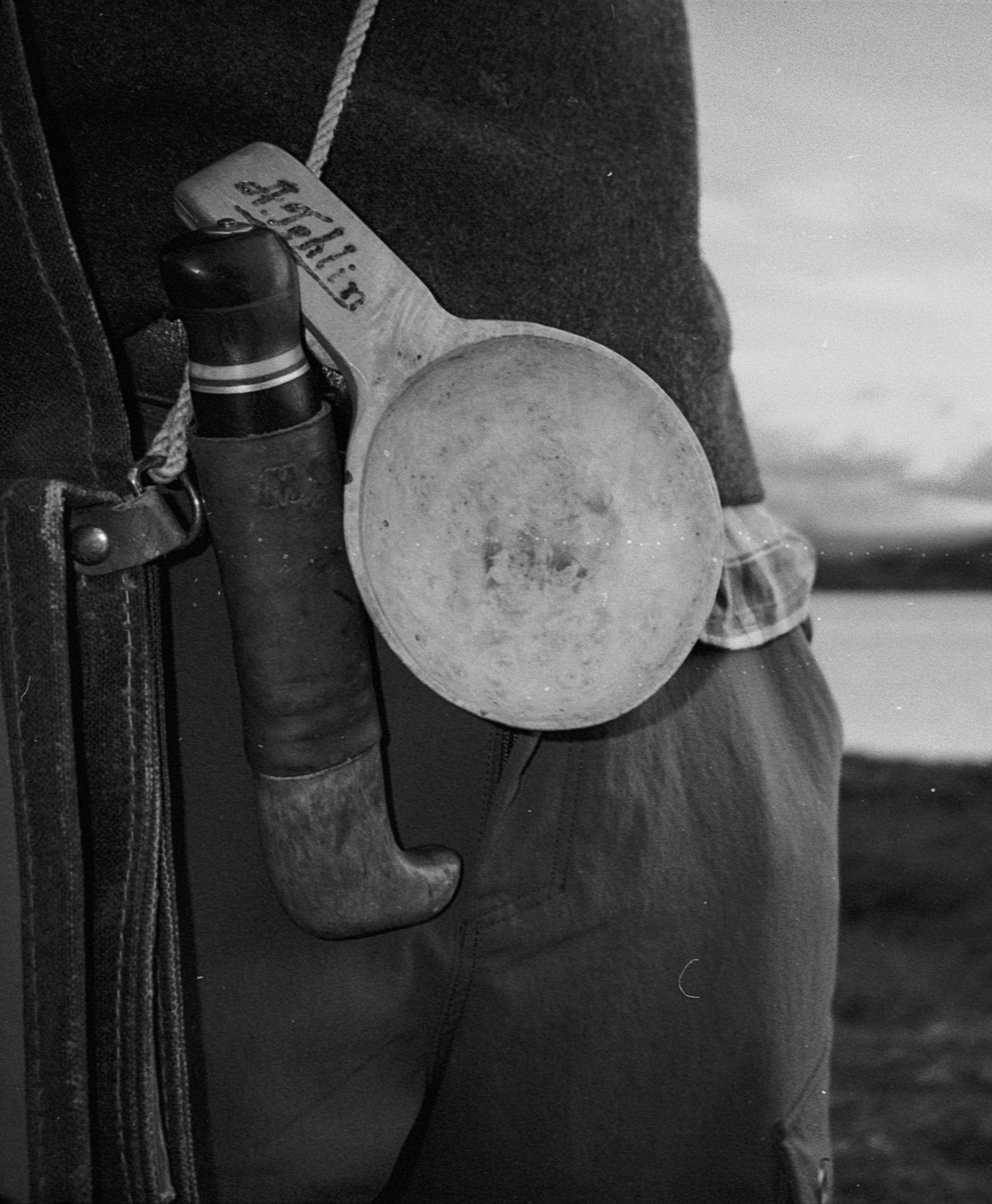
Arthur Thelin laid eyes on Áhkká for the first time. Thelin, an avid young mountain man, became utterly absorbed by the beauty of the mountain. There was no time to climb the mountain during his first visit to the area, but the impression held an eternal impact. In his diary, Thelin wrote: “The years passed, but not my yearning.”
Six years later, Thelin participated in the first recorded expedition to Áhkka, joining a group of climbers, including the Swedish photographer Borg Mesch. On a stunning spring day, April 6, 1921, they successfully ascended Stortoppen of Áhkká, documented through Mesch’s lens. Thelin’s name was largely forgotten, while Mesch became one of Sweden’s most celebrated alpinists and photographers. His achievements led to the naming of Áhkká’s second-highest peak: Borgtoppen.
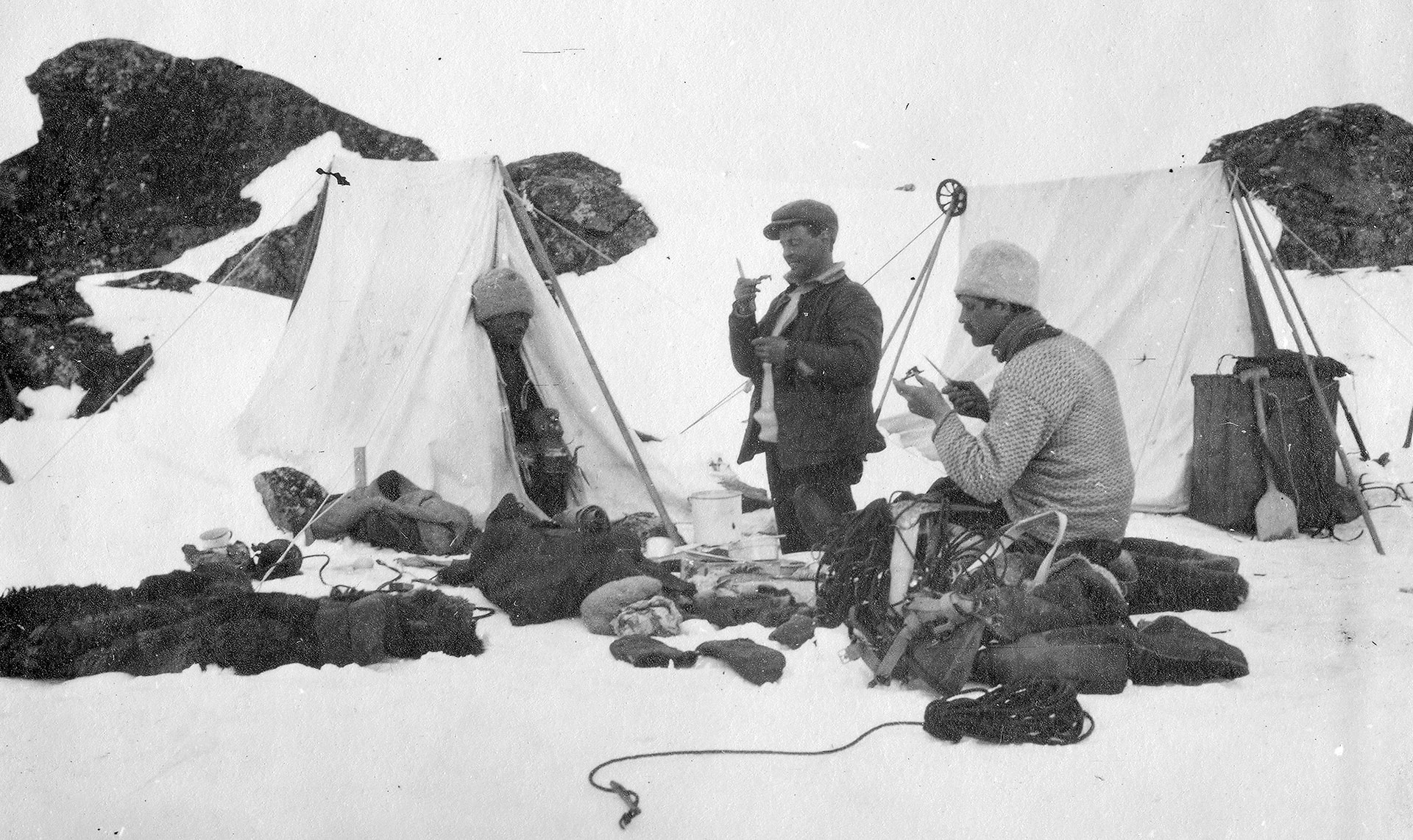
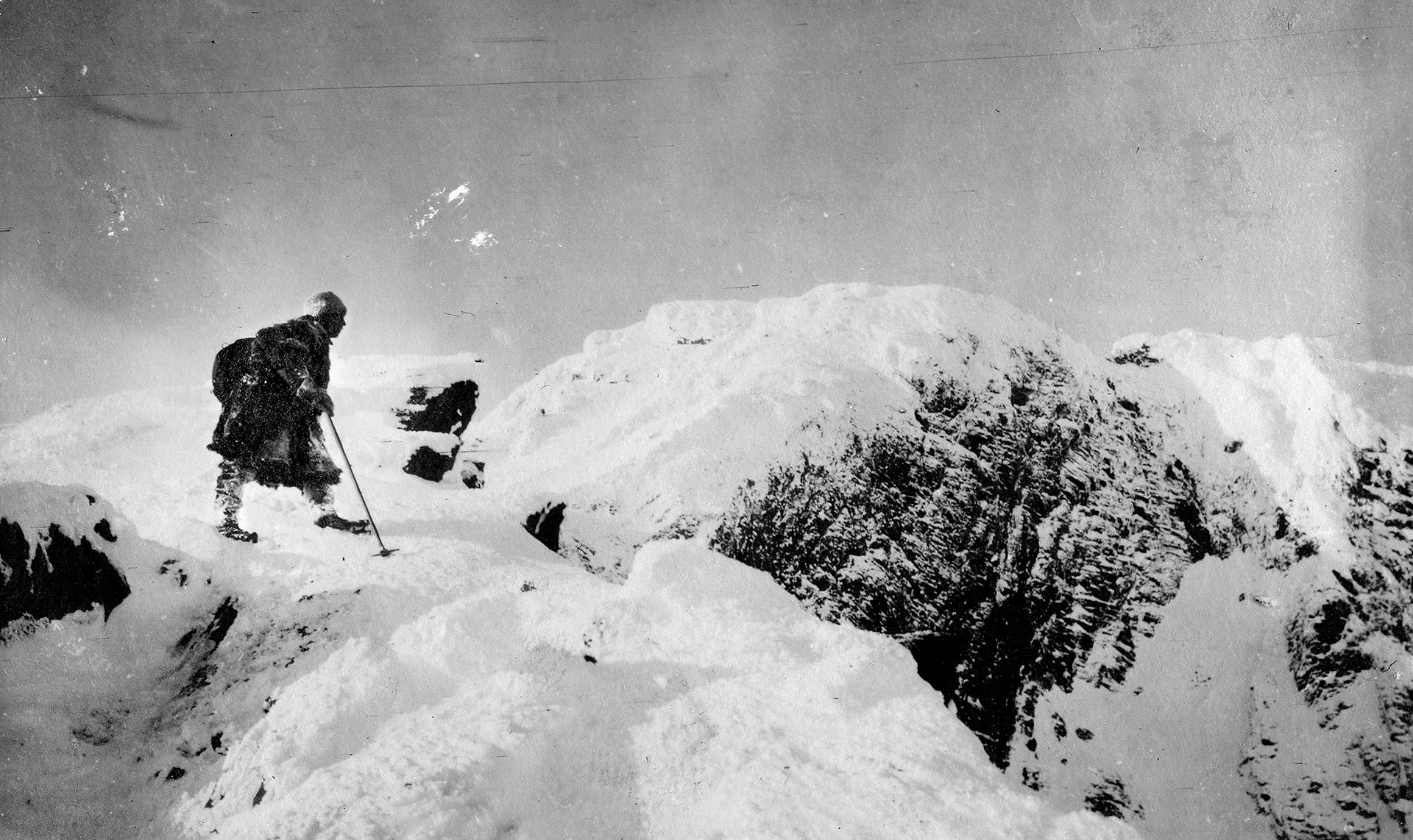
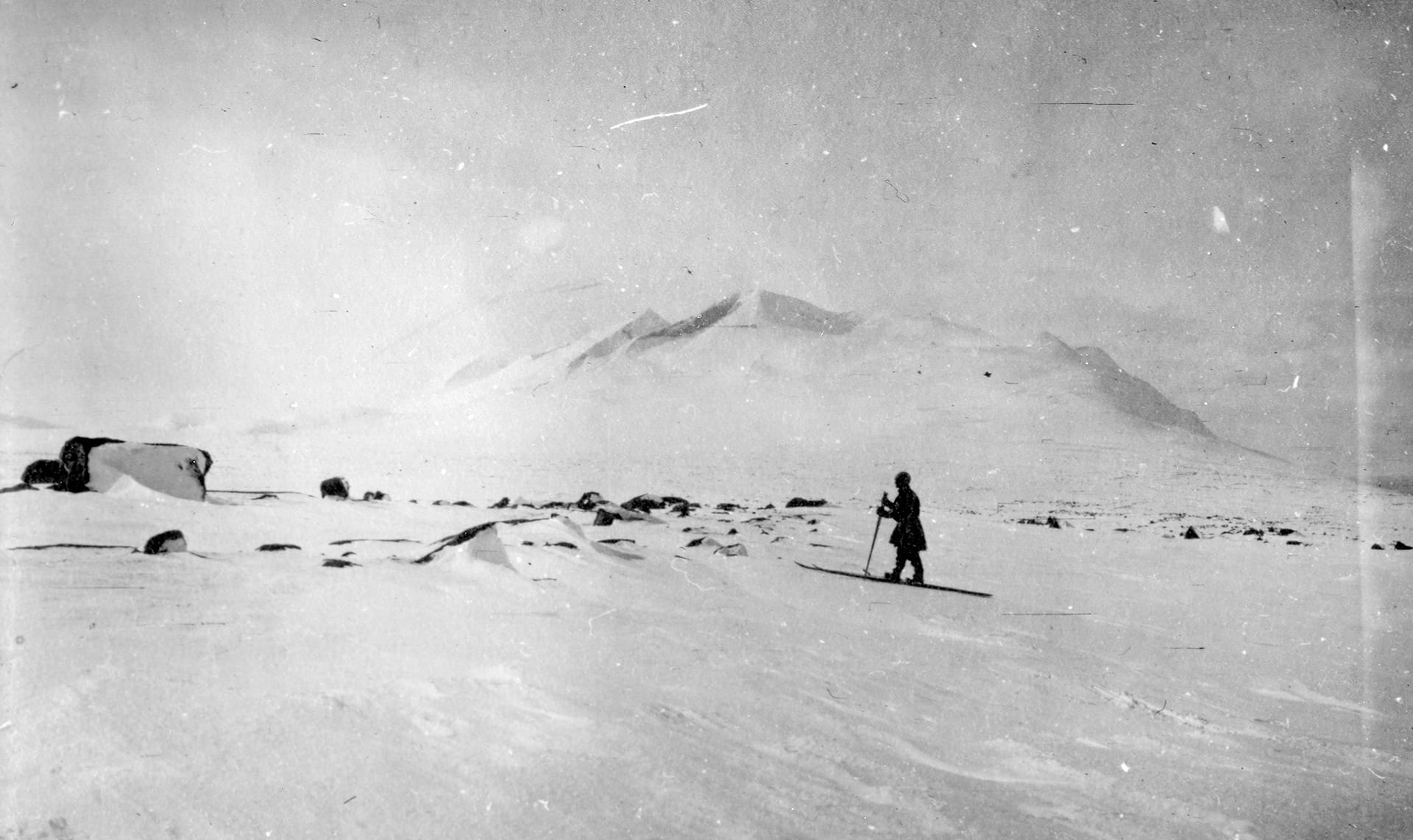
renowned professional freeskier Magnus Granér learned about his great-grandfather Thelin’s adventures by coincidence. He brought the idea to his friends in The Bunch, an award-winning ski and film collective co-founded by Granér in 2011. They had been searching for a new, comprehensive project, and the crew loved the idea. With directors Gustav Cavallin and Jens Nilsson featuring advice from decorated Swedish film director Ruben Östlund, The Bunch took on their biggest challenge yet.
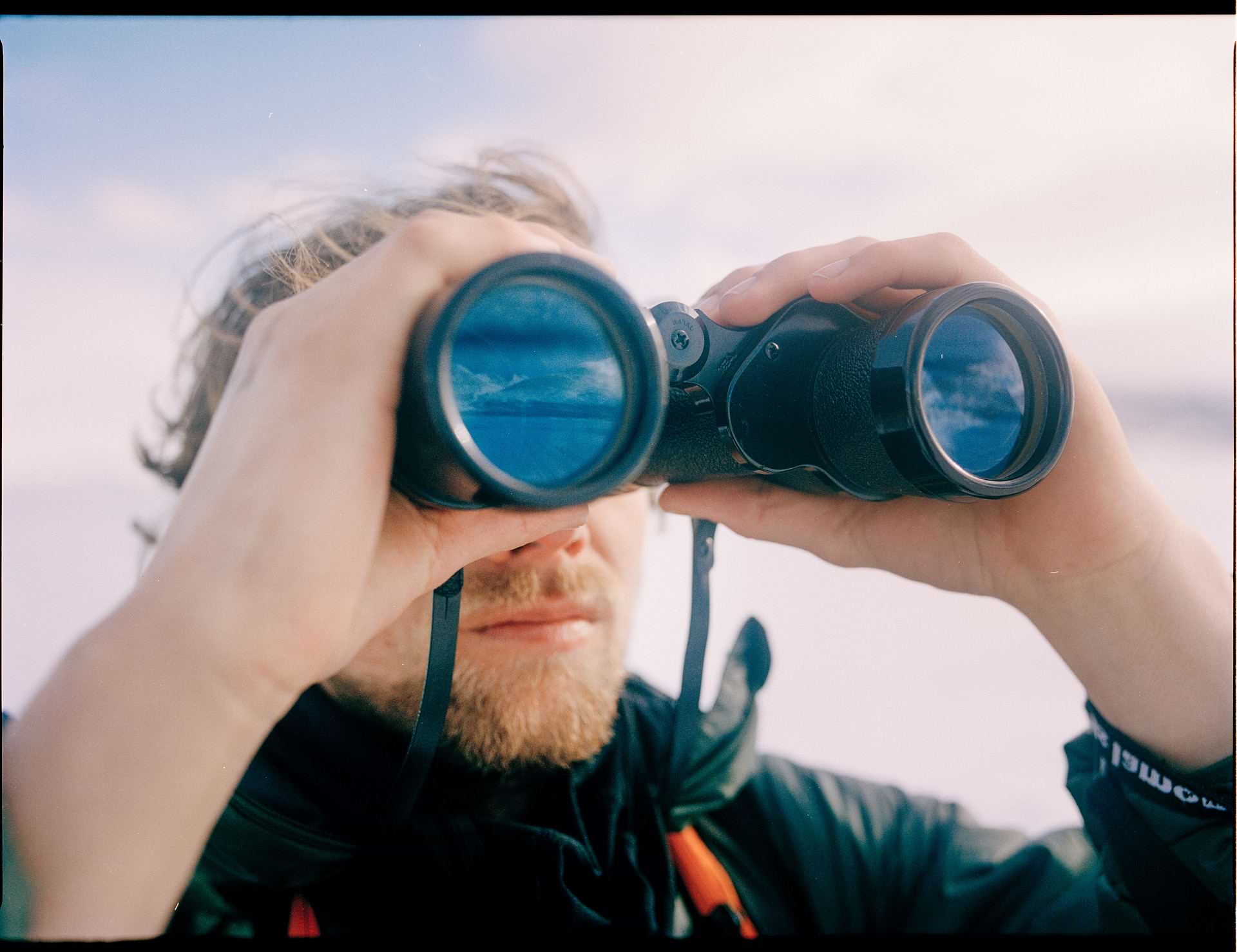
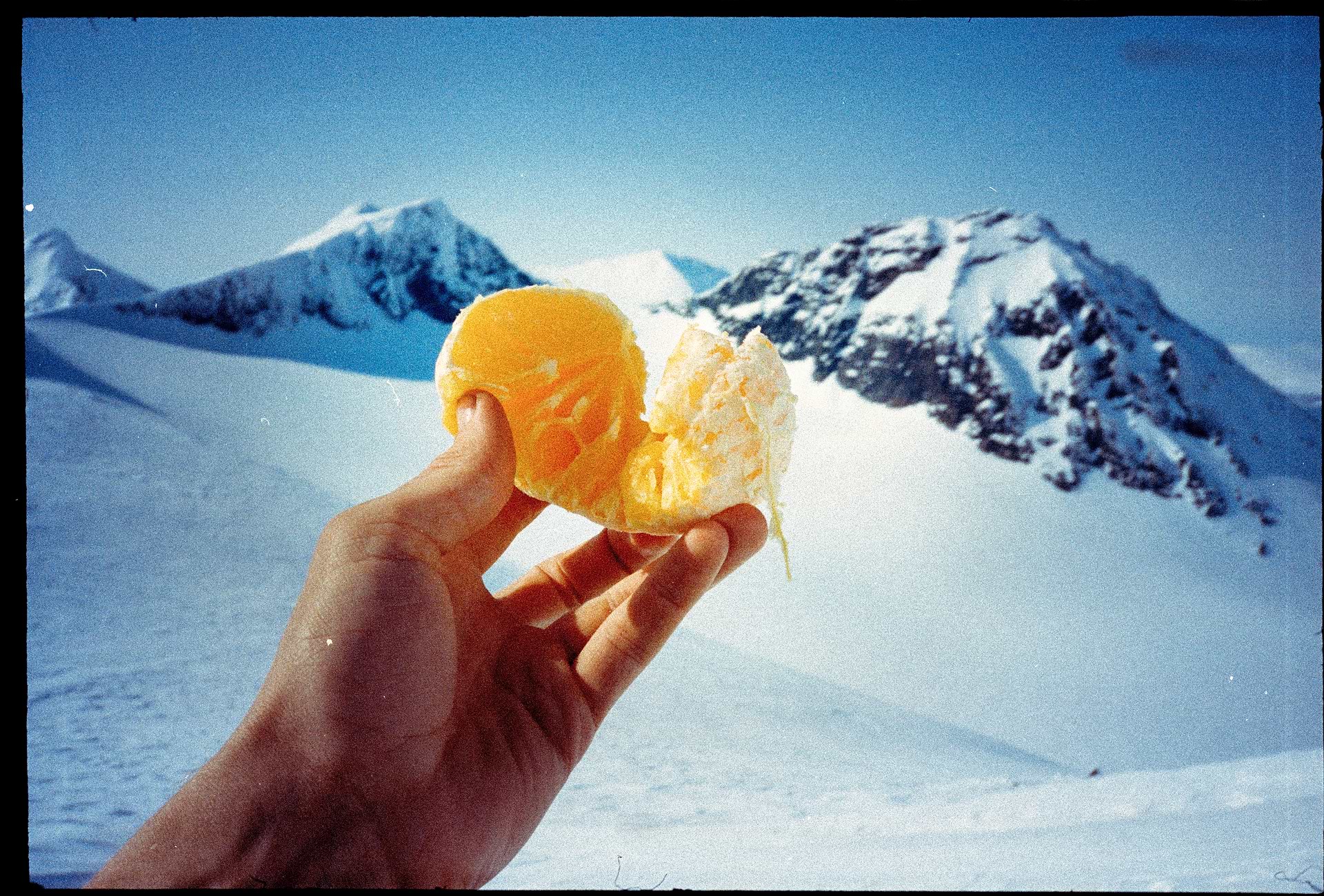
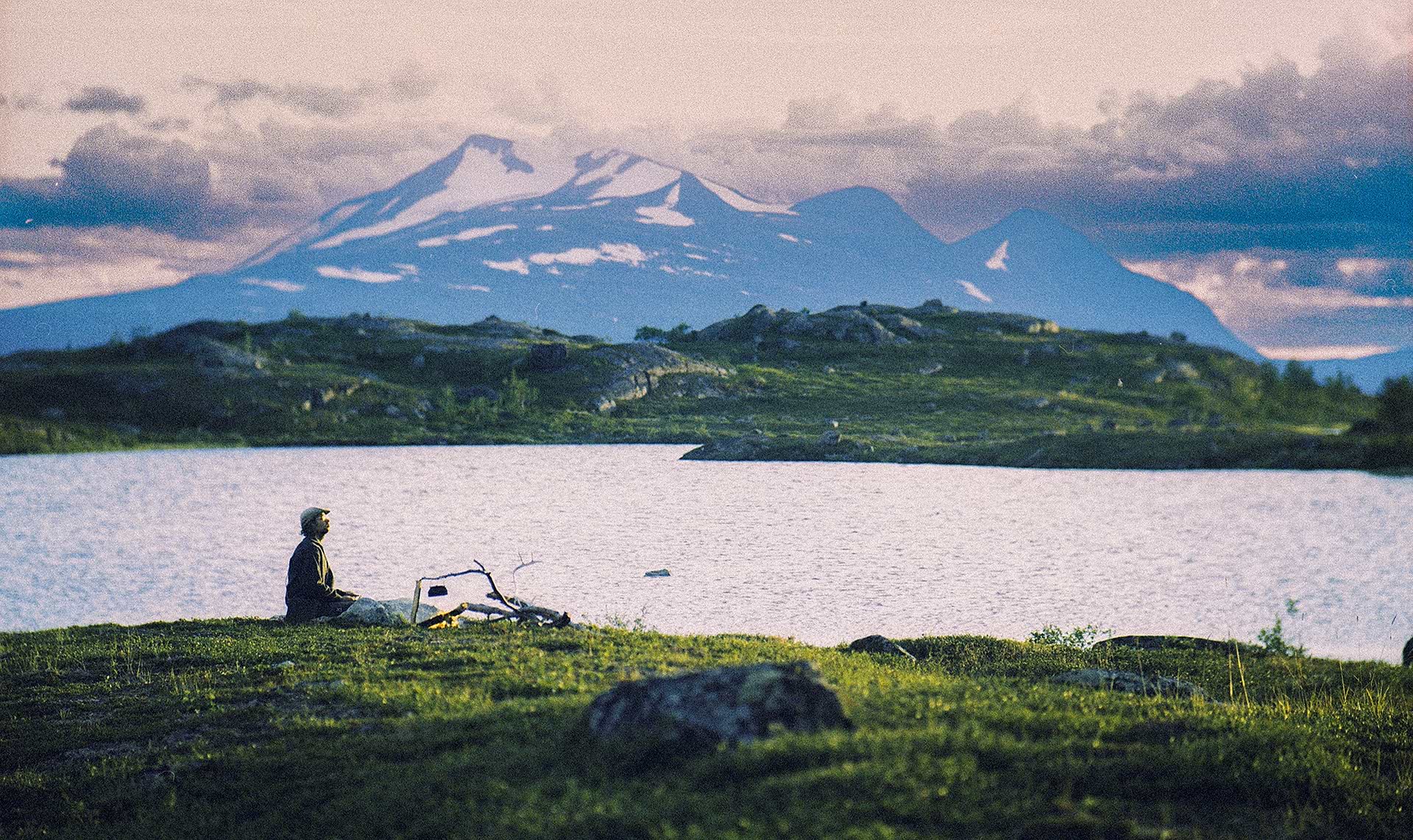
in April 2021, Granér and The Bunch embarked on a modern ski expedition, which later became the film “Längtan till Áhkká” (meaning “Longing for Áhkká” in Swedish). Celebrating the centennial anniversary of the original expedition and sharing the story of two Arctic expeditions linked by bloodline, “Längtan till Áhkká” is full of emotion. The mountain and its temperamental weather put the 1921 and 2021 expeditions to the test, and so too did Thelin’s personal life. In the 1921 expedition, he is labelled “the worker” (the others being academics or Sweden’s most prominent photographer, Borg Mesch). But in his diary, Thelin writes that his memory of standing at the top — “a captivating, magnificent and unforgettable canvas that presents itself” — will never fade through the hardship.
During his youth, Granér didn’t know about his great-grandfather Arthur Thelin, even though his family roots are close to Áhkká. The family has a cabin in a tiny village called Björkholmen, not far from the foot of the mountain. In the springtime, after chasing snow and working on film projects around the globe, Granér often returns to the family cabin to relax and reconnect with nature.
after he made Granér’s great-grandmother pregnant before wedlock—an intolerable offence for that era’s social conventions. Thelin continued to spend time in the mountains, but the only documented memory is his diary from Áhkká. His wife burned the rest of the memories in mourning after he died in a mine explosion accident at the age of 58. Granér instead learned of his great-grandfather’s achievements from Gunnel, Thelin’s oldest daughter. She still had her father’s diary, full of details and photos from Mesch—the perfect manuscript for a film 100 years later.
Atop the summit of Áhkká, Granér called Gunnel. “I phoned her first and said I was standing on the same mountaintop as her father had done 100 years before,” says Magnus. “After reading Arthur’s diary for years, knowing many lines by heart, it was a special moment to share this with her.”
It will publicly debut on the big screen in Swedish cinemas starting in late February 2024, and soon after, it will be available for viewing on demand.
Watch the full film here: www.thebunch.tv
HÅKAN STENLUND lives in a railway station in Lomselenäs, Sweden, population 16, where he creates content for the Swedish Lapland Visitors Board. Before that, for more than 25 years, he worked as a freelance writer. As a skier, fly fisherman, and bird hunter, he considers the Arctic part of Sweden a perfect home turf. He tried to ski Áhkká in 1990, but he stayed in the tent for seven days due to a snowstorm, reading the same book repeatedly.
RELATED STORIES