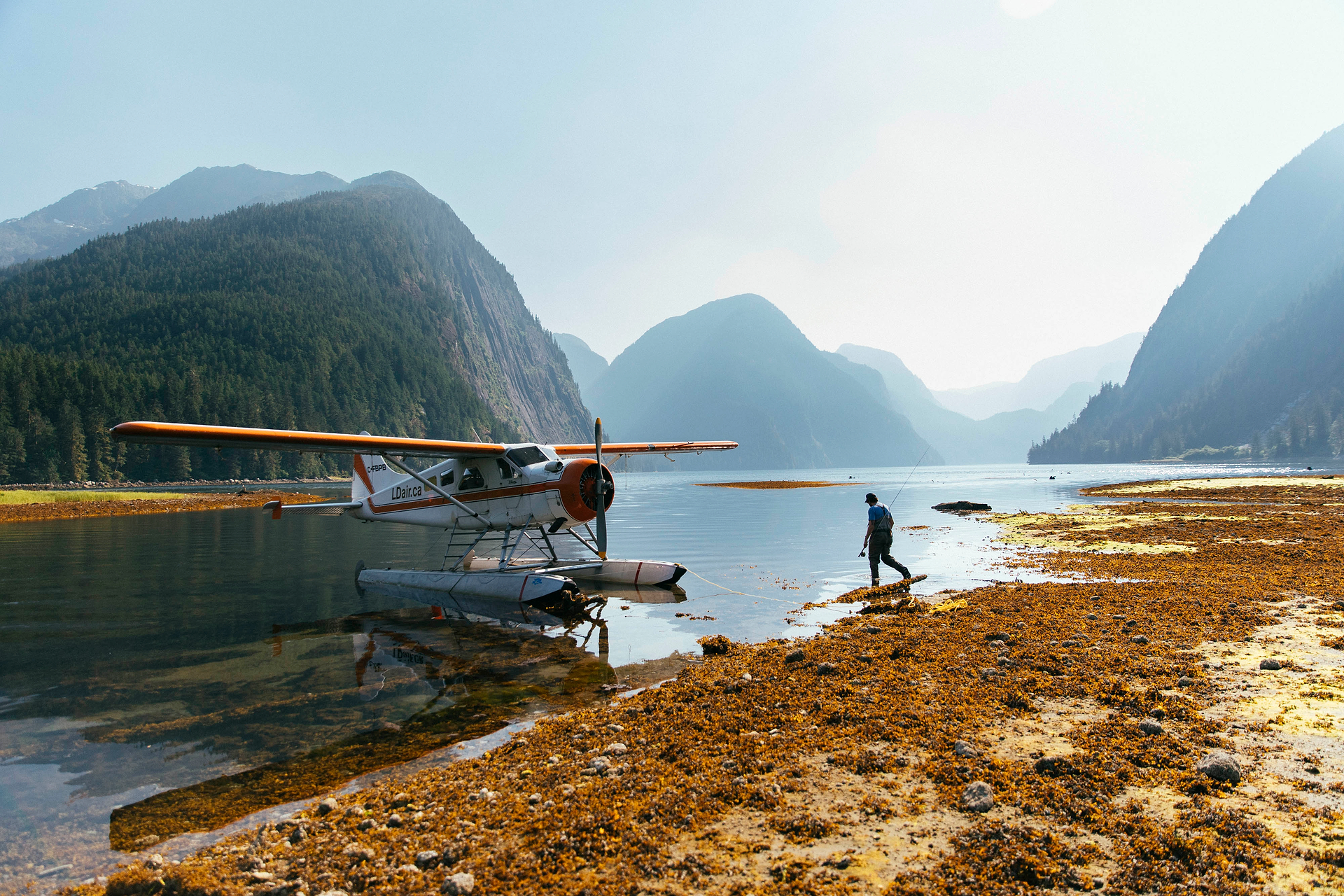
Most of the British Columbia coast is entirely inaccessible unless you have the right tools. With difficult access comes great rewards of solitude and some of the best fishing on the planet. Exploring Fiordland by seaplane is one of those rewards.
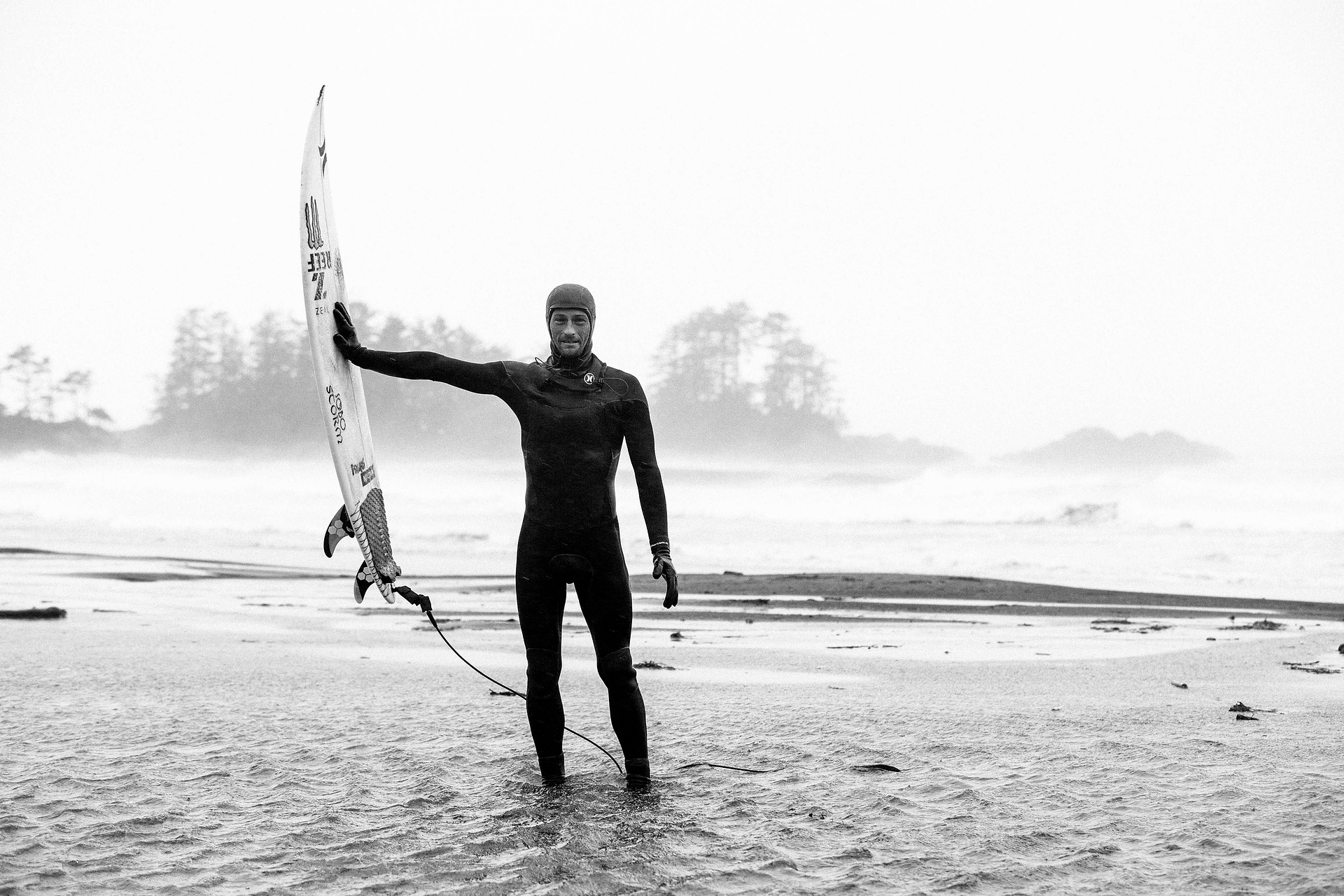
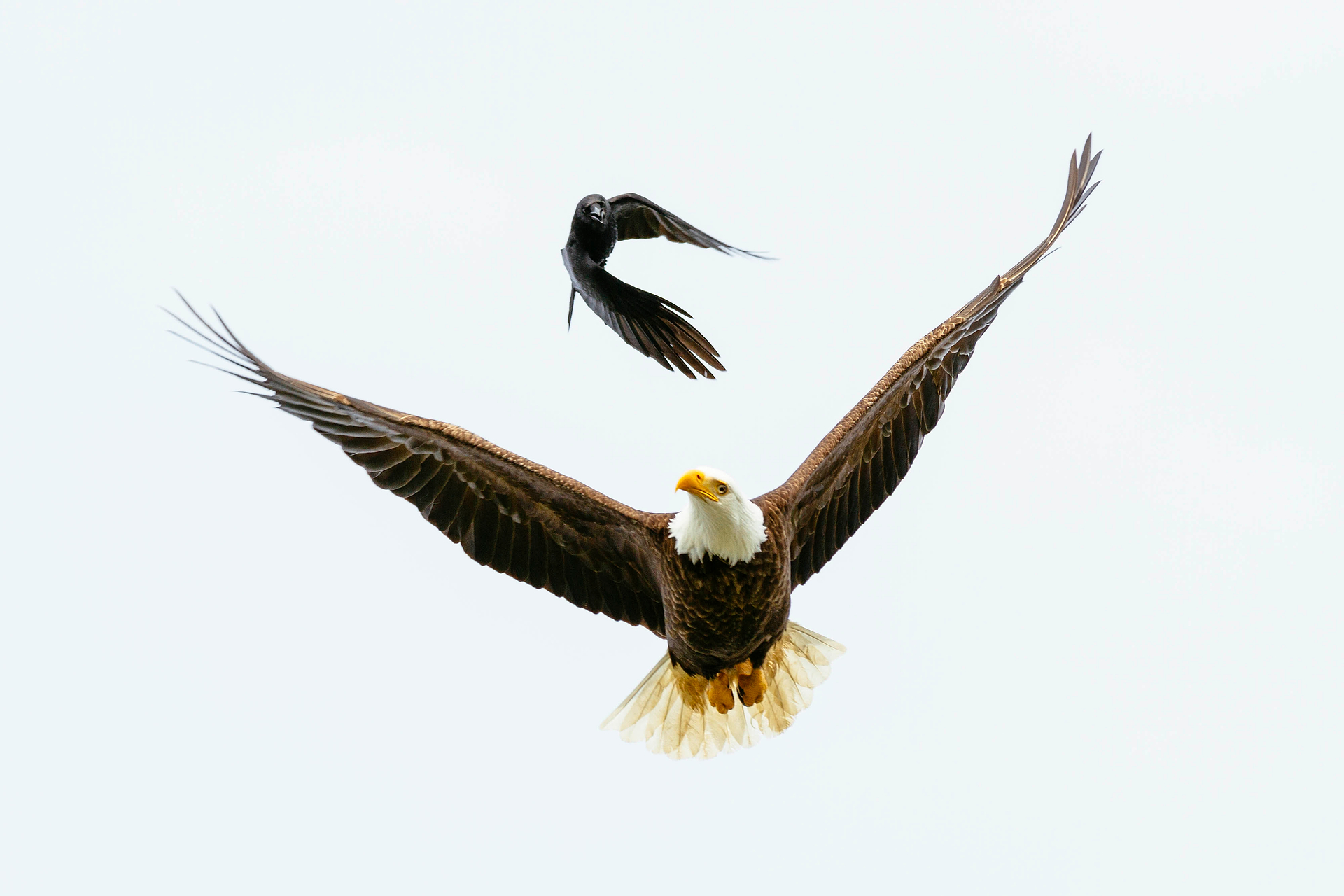
Jeremy Koreski is a household name in the surf and conservation world, and his portfolio immerses you in the wild west coast of British Columbia. The damp cold creeps through layers, a solitary surfer’s isolation at an inaccessible reef, and the quiet spirit of the temperate rainforest become tangible. It’s a dangerous coast that doesn’t give up her secrets lightly. Understanding and enduring the conspiring elements — wind, weather, swell direction, tide, light — takes years of thoughtful study and calculated risk. Success is anything but guaranteed, making those hard-earned moments that much more rewarding when everything lines up — even for just a few minutes.
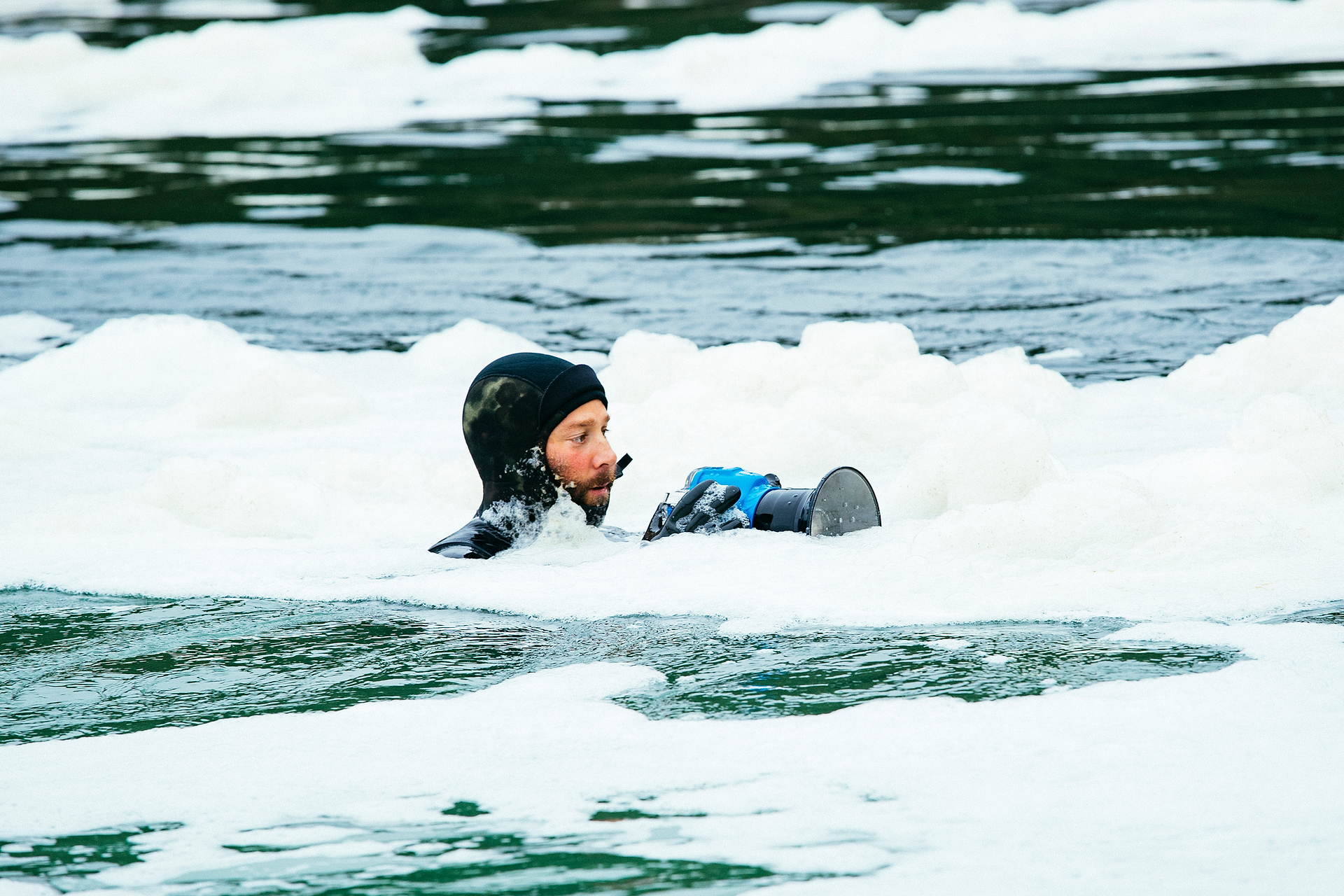
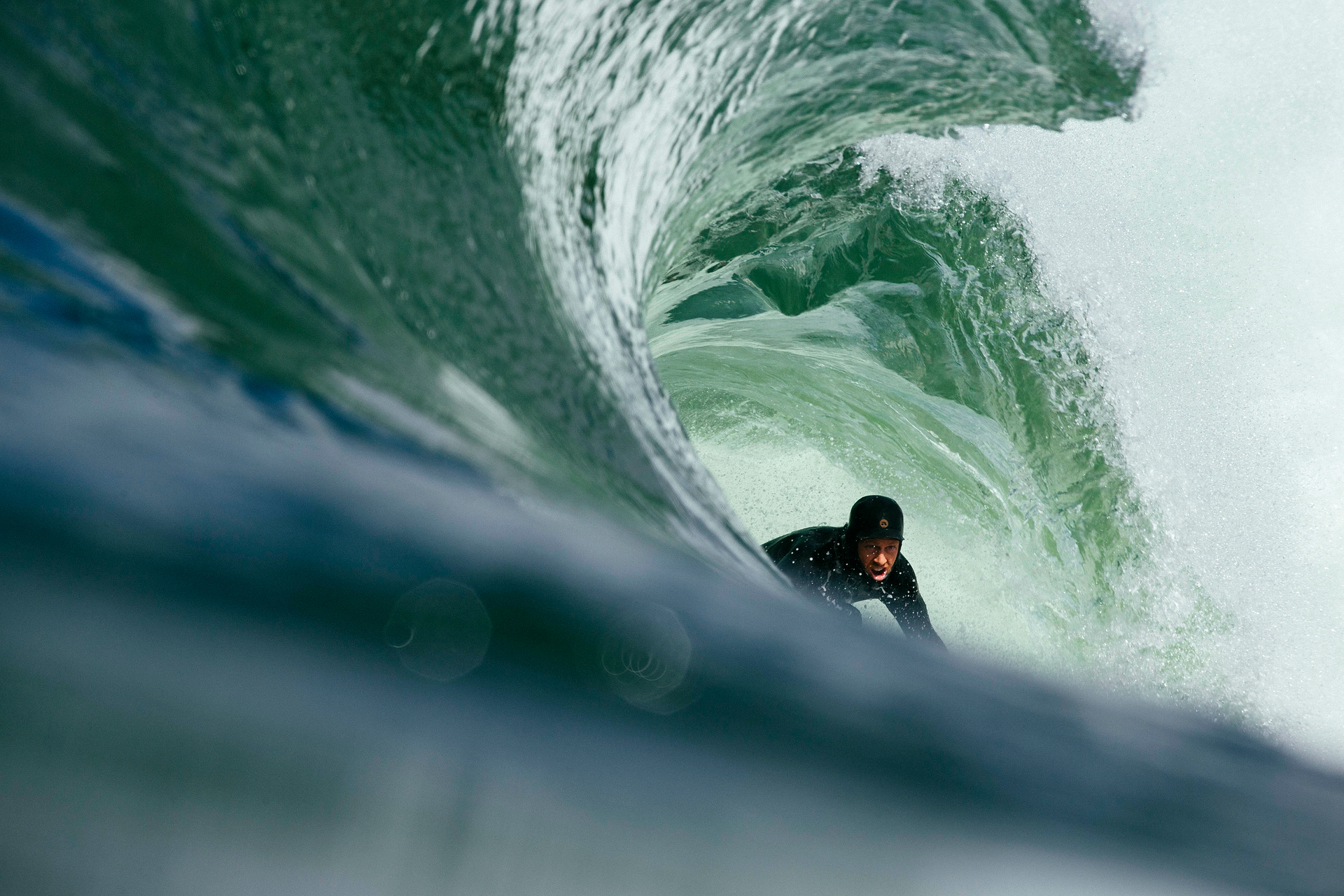
Jeremy in his element. Shooting from the water means battling mountains of foam, rip currents and dodging set waves in a game of cat and mouse to be in the perfect place at the right time. Not to mention frozen fingers and ice cream headaches.
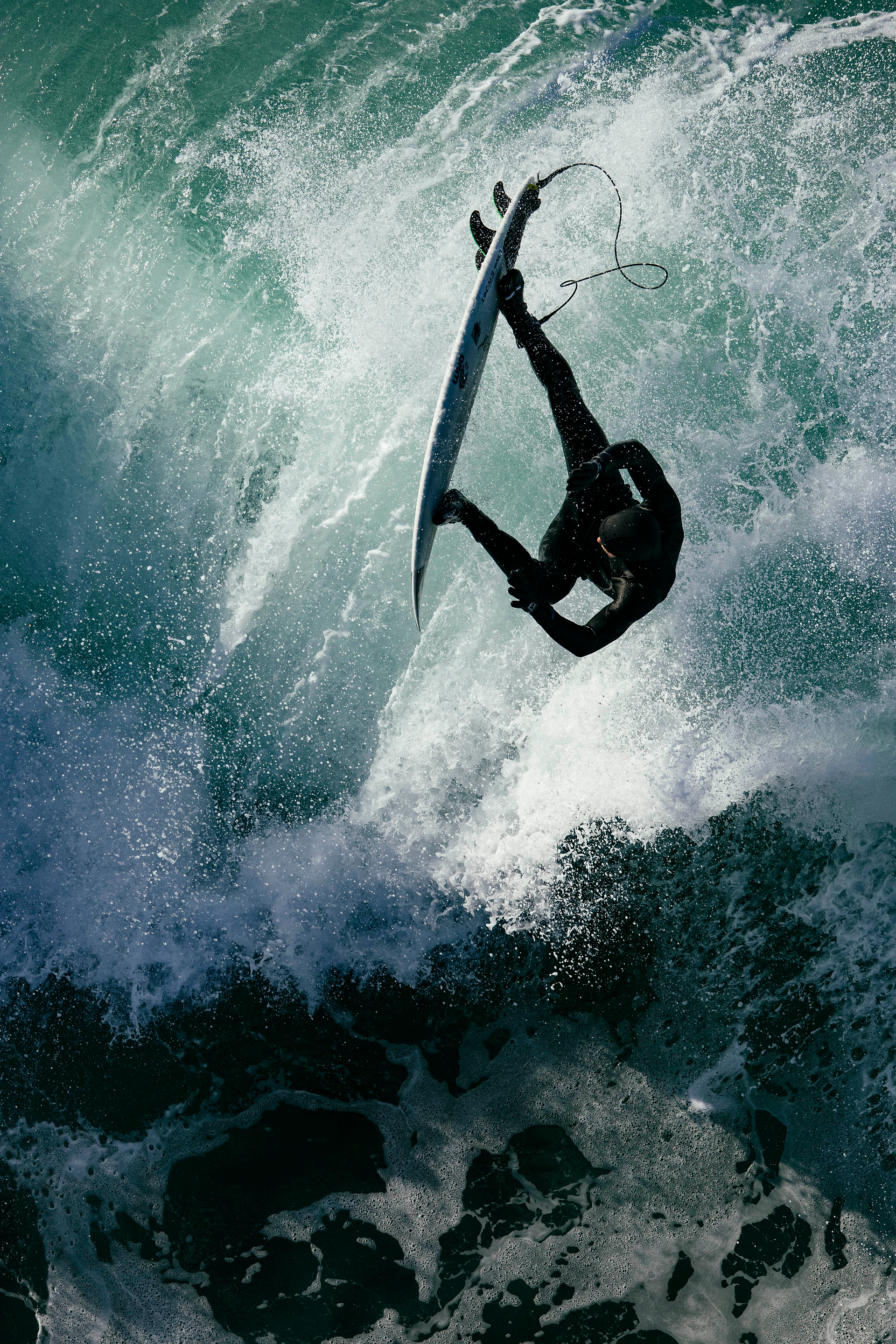
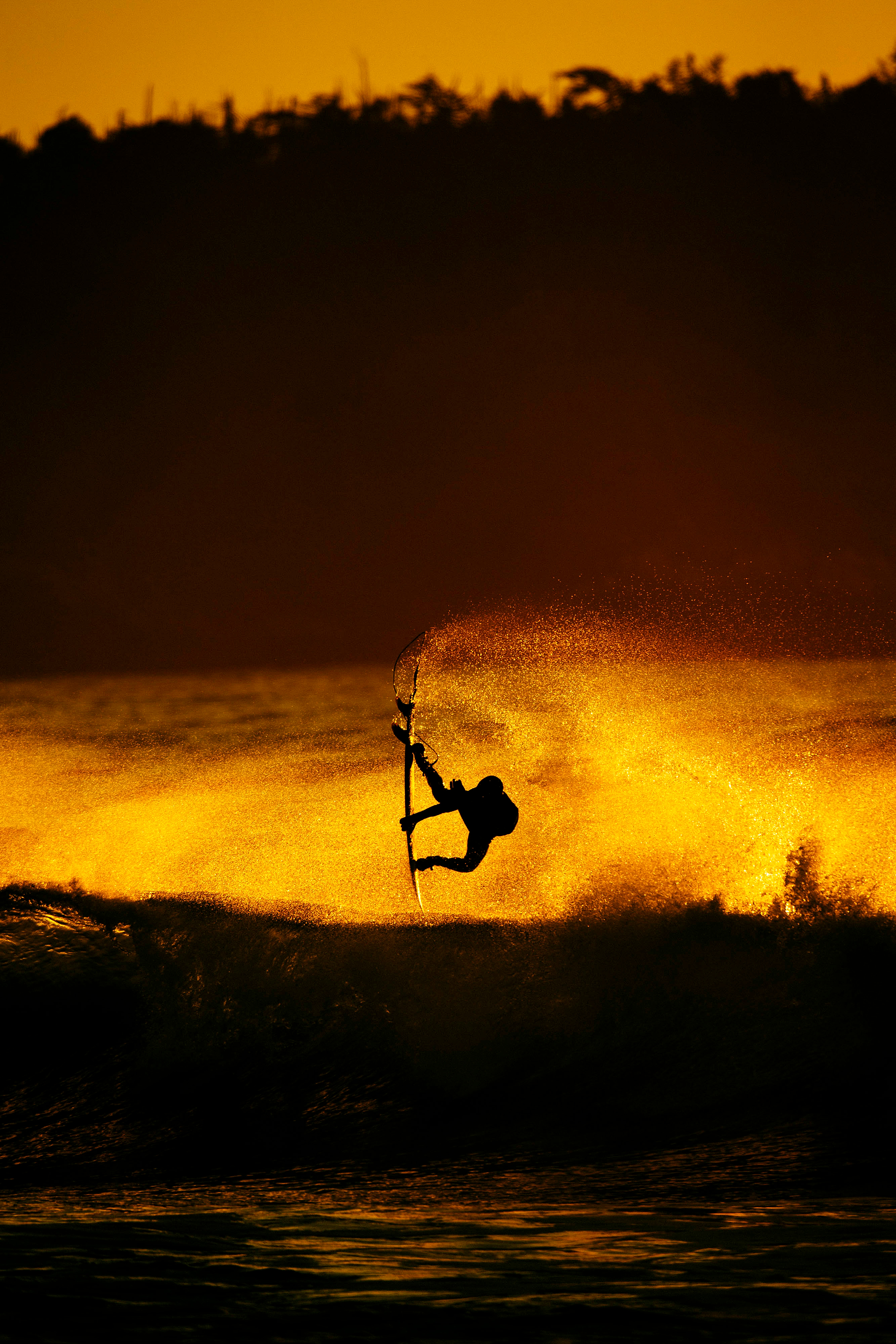
Sure, drones are great, but nothing beats a helicopter’s angles. Pro surfer Sep Bruhwiler blasts an air reverse.
Jeremy in his element. Shooting from the water means battling mountains of foam, rip currents and dodging set waves in a game of cat and mouse to be in the perfect place at the right time. Not to mention frozen fingers and ice cream headaches.
Sure, drones are great, but nothing beats a helicopter’s angles. Pro surfer Sep Bruhwiler blasts an air reverse.
Koreski’s hometown of Tofino, British Columbia, is the epicentre of Canadian surfing. Detached from the Canadian mainland, surrounded by ancient rainforest, averaging 3 295 mm of rain each year, and surrounded by wind-swept beaches on the exposed West Coast of Vancouver Island, Tofino’s nickname is literal — “The End of the Road.” It’s a long way from anywhere. With manicured main street coffee shops selling $6 doughnuts and organic grocery stores, it’s hard to picture the gritty commercial fishing and logging town of Koreski’s youth. But back in the 90s, cold water surfing was on the fringes of the mainstream surf scene, and Tofino was still a sleepy backwater waiting to explode with the first generation of young surfers raised on the beach.
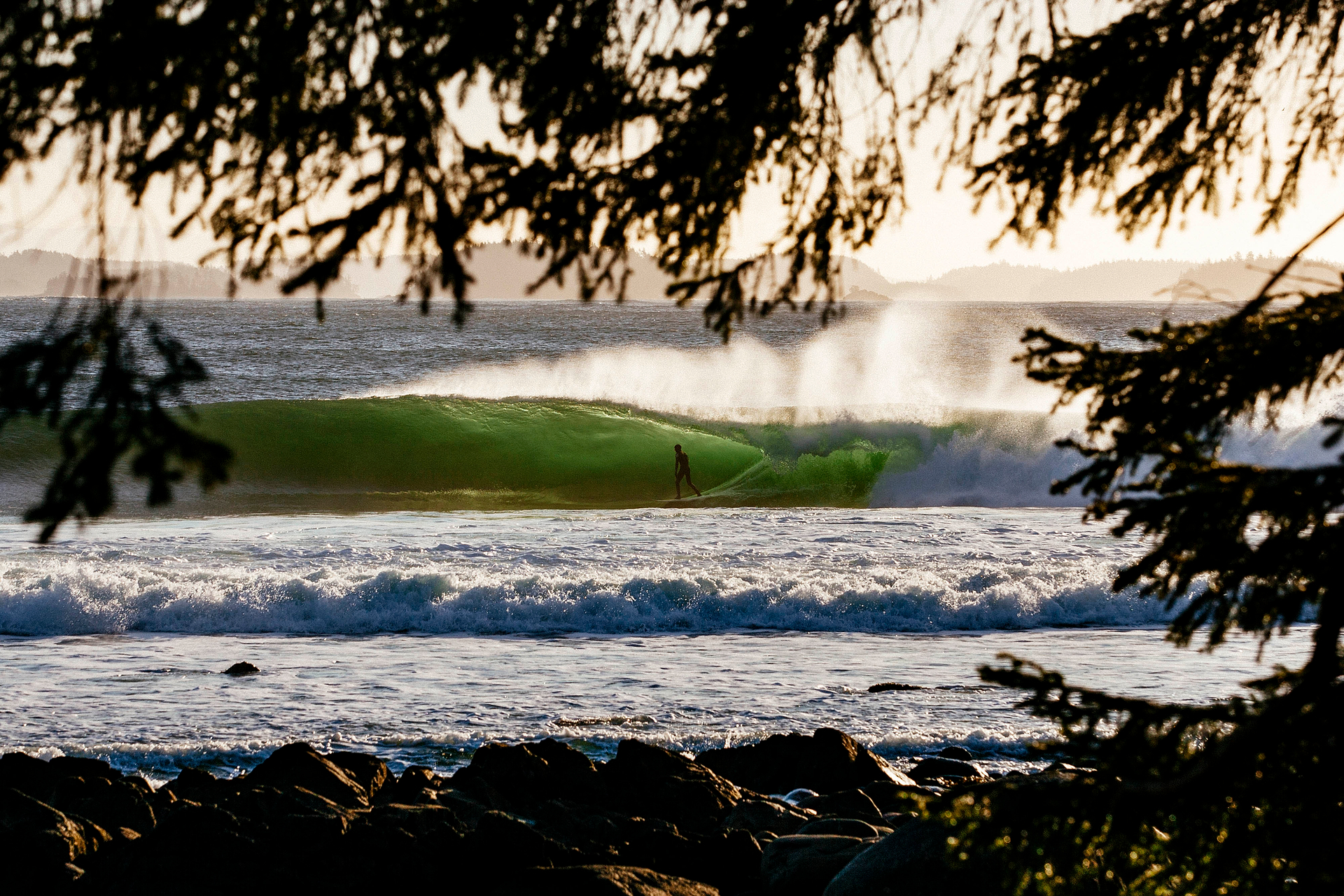
This was a great day of waves in Tofino with my friend Peter Devries on Boxing Day in 2007. Most of our other friends were out of town for Christmas, and it ended being just Peter and I shooting from sunrise to sunset. He had a sprained ankle and could only get barreled, but we got some great shots.
This was a great day of waves in Tofino with my friend Peter Devries on Boxing Day in 2007. Most of our other friends were out of town for Christmas, and it ended being just Peter and I shooting from sunrise to sunset. He had a sprained ankle and could only get barreled, but we got some great shots.
Koreski grew up with names now synonymous with Canadian surfing — Raph, Catherine and Sepp Bruhwiler, Pete Devries and Noah Cohen. Self-taught, Koreski fell in love with photography at age thirteen and honed his skills in shooting, surfing, and skateboarding. Koreski needed to be part of the action out in the waves, so he splurged on a waterproof housing for his camera. Selectively waiting for moments, Koreski would spend hours treading water, struggling to stay in position shooting through 24 frames of Fuji Velvia until all the feeling was gone from his hands and feet. “[Conditions] would only come together less than five times a year, and I just got used to shooting when it was shitty out. It was kind of part of the fun,” says Koreski.
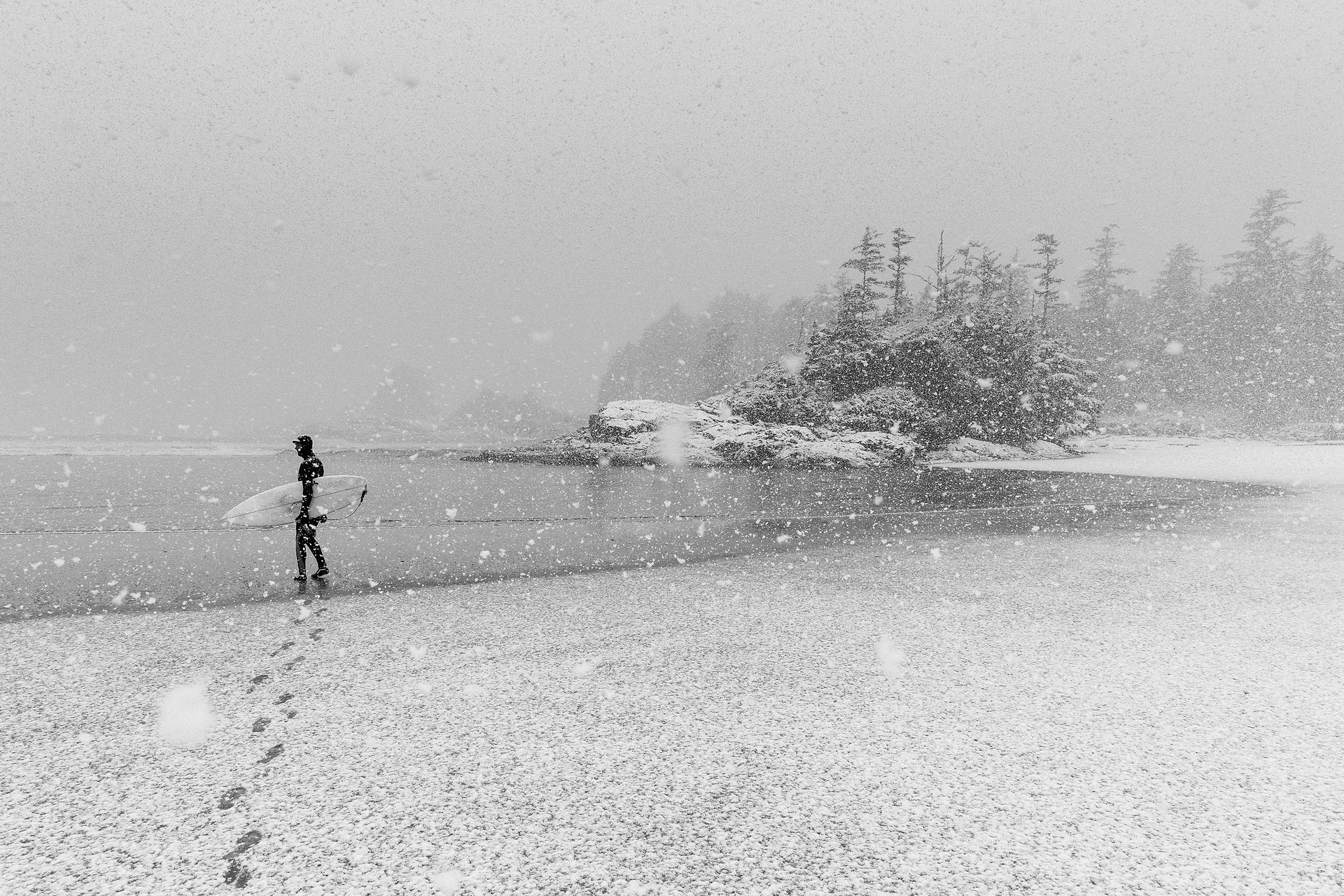
Back at home, hunched over the light table reviewing slides is where his unique style emerged. “It has always been a collaborative process,” says Koreski. Sepp Bruhwiler was especially critical about his style; if Bruhwiler thought something was off, Koreski would ensure the image stayed on the cutting room floor. A harsh edit combined with intimate knowledge of the coast, surfing and fishing has created Koreski’s distinct, raw style.
Extreme low-pressure systems that bring solid swell often bring rain and wind along for the ride. Lacking a lot of modern safety gear, Koreski recalls, “As kids … taking small boats out to places we probably shouldn’t be, we always had the attitude that if something terrible happened, we’d just figure it out.” Mostly, things did go well, but surfing waves of consequence always come with risks. On one occasion, surfer Nico Manos hit the reef so hard that they found his muscle protruding from a slit in his leg when he took his wetsuit off. “We patched him up as well as he could, motored an hour through rough seas to the nearest hospital, and had to wait while they called a doctor in from home,” remembers Koreski.
Even on rare occasions when conditions align perfectly, things can still go wrong. On a bright sunny day, Koreski landed the cover shot of Surfer Magazine, but on the way home, he hit a submerged log and bent his propeller. The damage cost more than what he was paid for the cover. It’s a good thing that his daring adventures have always been fuelled by a passion for exploration and adventure, not the financial reward. “For me, that was a big part of the draw — the unknown. That’s why I love it so much,” Koreski beams.
Koreski’s photo career has mirrored the rise of Canadian surfing and the growth of Tofino itself — in no small part due to his images which ushered cold water surfing into the limelight. In 2017, he opened a photo gallery beside Storm Surf Shop along the main street. These days, Koreski shoots a diverse range of subjects and locations. Still, his gallery remains distinctly “west coast,” studded with beautiful prints featuring his book “This is Nowhere” — compiled from years of exploring the coast by sea, foot and air.
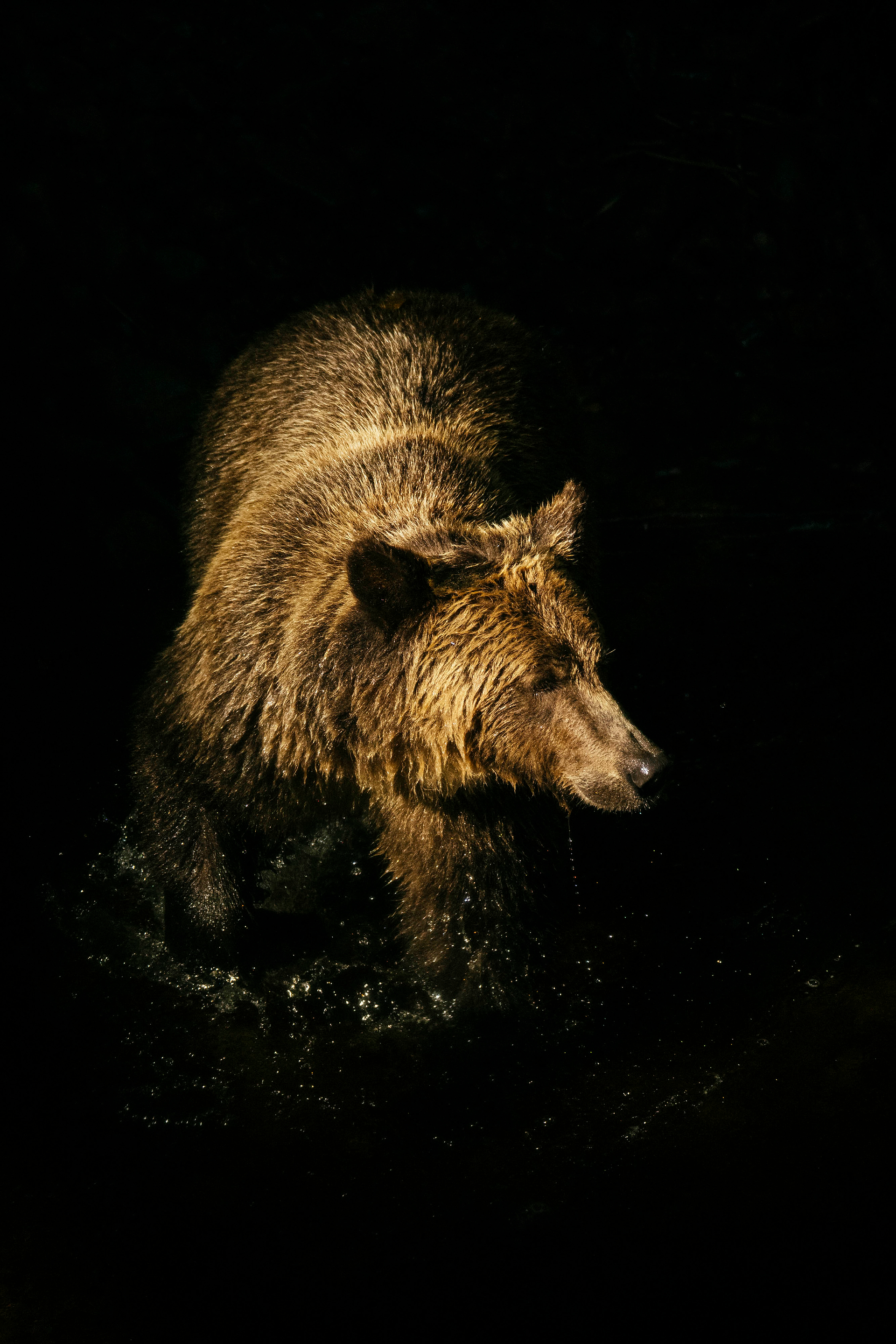
This photograph was taken at Nimmo Bay, British Columbia. We were perched high in the trees, watching as the Grizzlies below fed on Salmon from the river. We quietly observed the group of bears as they hiked upriver amidst the shadows. I waited until one stepped out into the light for the perfect shot.
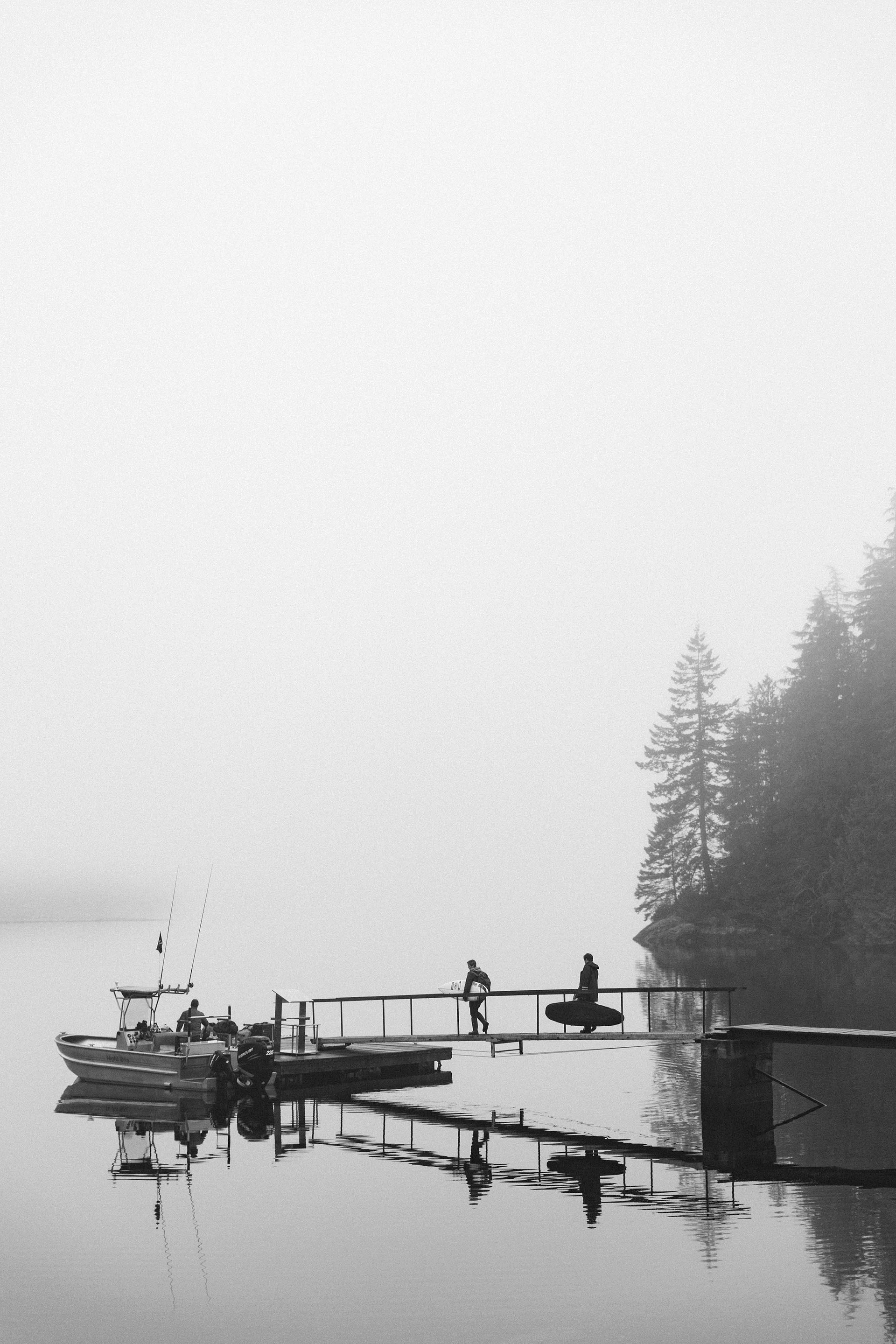
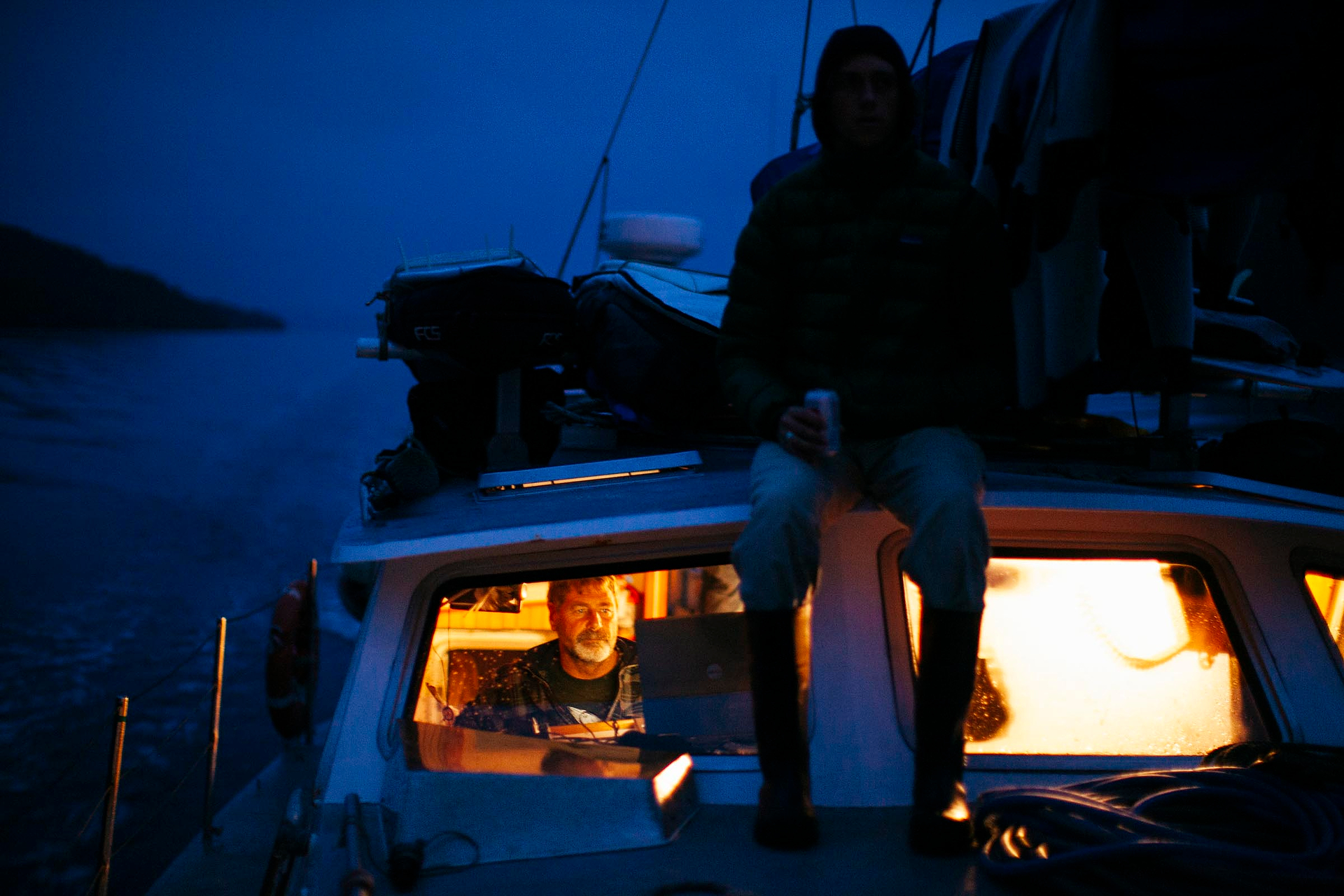
Fog is persistent year-round on the BC coast, making navigation like reading braille. The plus side, it’s excellent for shooting moody photos! A typical morning commute to the remote waves up the coast.
This photograph was taken at Nimmo Bay, British Columbia. We were perched high in the trees, watching as the Grizzlies below fed on Salmon from the river. We quietly observed the group of bears as they hiked upriver amidst the shadows. I waited until one stepped out into the light for the perfect shot.
Fog is persistent year-round on the BC coast, making navigation like reading braille. The plus side, it’s excellent for shooting moody photos! A typical morning commute to the remote waves up the coast.
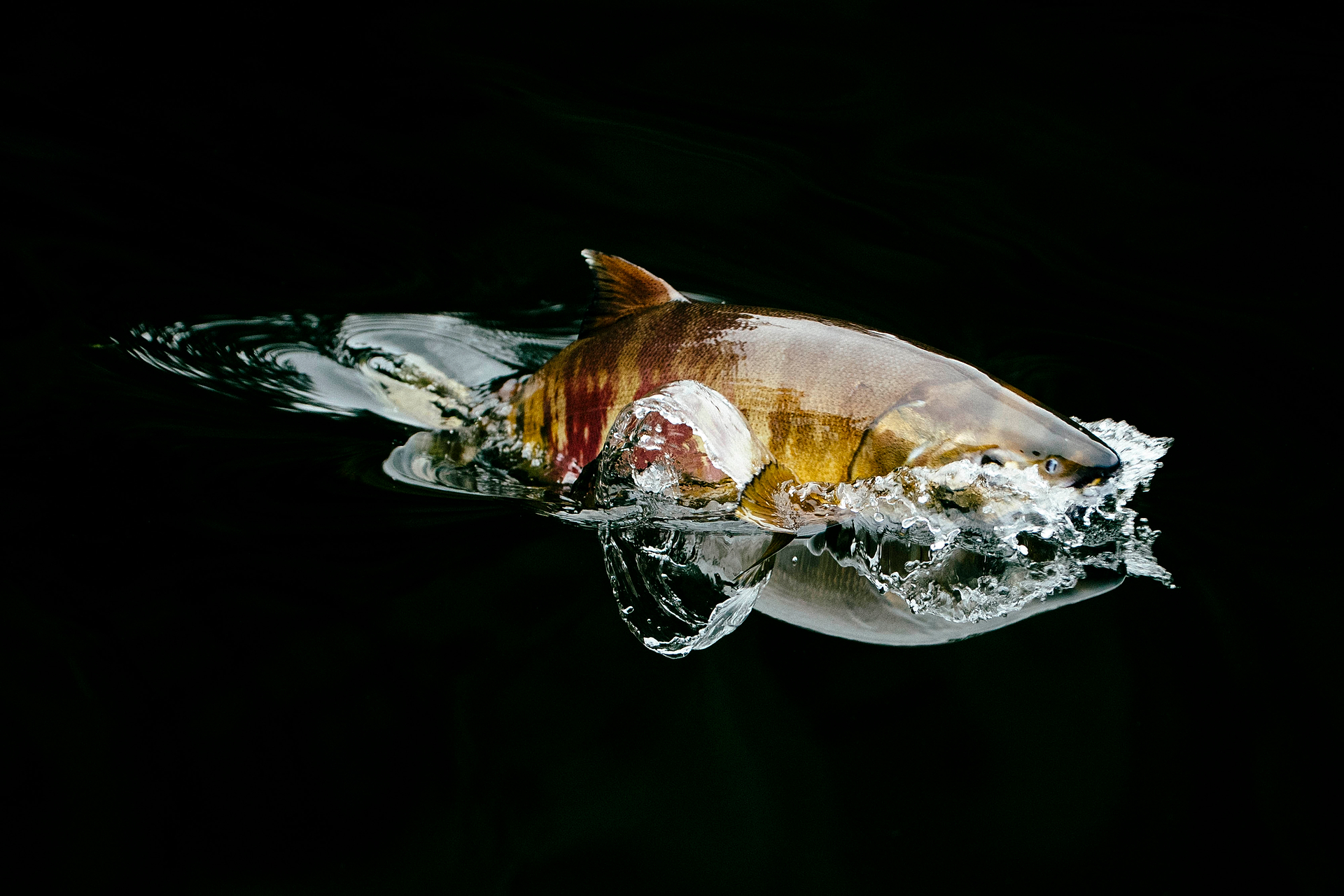
Above all else, Koreski strives to create images that evoke emotion and dialogue. His latest project “Life Blood” features studio-like portraits of salmon splattered with blood. These powerful images prompt reactions ranging from admiration to disgust, but that’s the point. “It’s not supposed to appeal to everyone, but I want it to create a conversation,” says Koreski. Wild salmon is a keystone species on the west coast, nourishing iconic animals like bears, orcas and eagles, people, culture, business and the forest. Today, wild salmon are negatively affected by countless issues, from climate change to farming and habitat loss, due to the forest industry’s archaic practices.
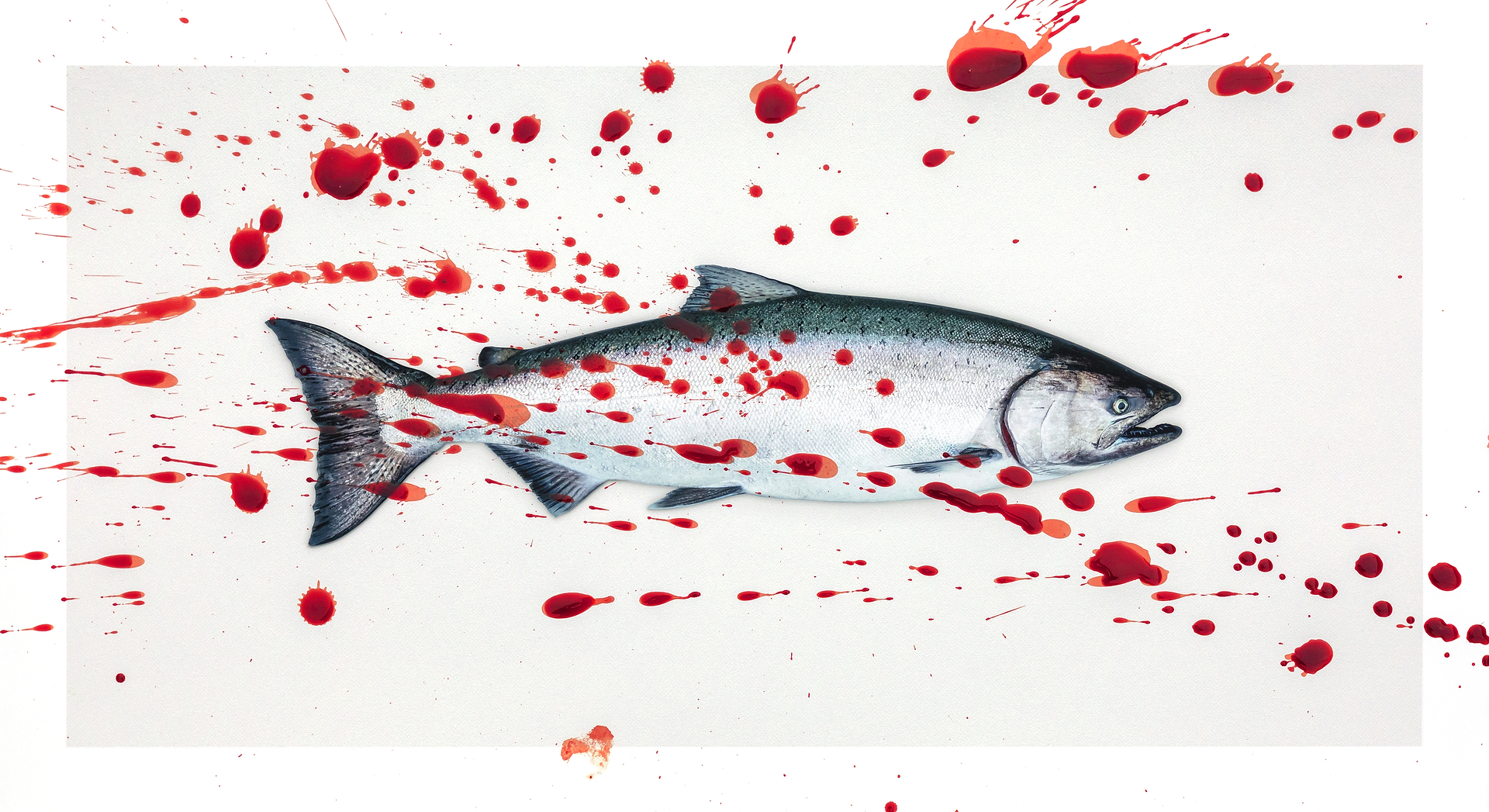
Life Blood is also his first foray into the NFT market. Non-Fungible Tokens (NFTs) are a new form of digital art that can be verified for authenticity in a blockchain similar to cryptocurrency. Koreski is exploring integrating real-world experiences and tangible elements (like physical prints) into his digital offerings. A portion of the profit goes to support the Redd Fish Restoration Society assisting with watershed and habitat restoration. Koreski has also been a member of 1% for the Planet for over a decade and strives to align himself with conservation-focused projects and brands like Patagonia.
Koreski’s hometown of Tofino, British Columbia, is the epicentre of Canadian surfing. Detached from the Canadian mainland, surrounded by ancient rainforest, averaging 3 295 mm of rain each year, and surrounded by wind-swept beaches on the exposed West Coast of Vancouver Island, Tofino’s nickname is literal — “The End of the Road.”
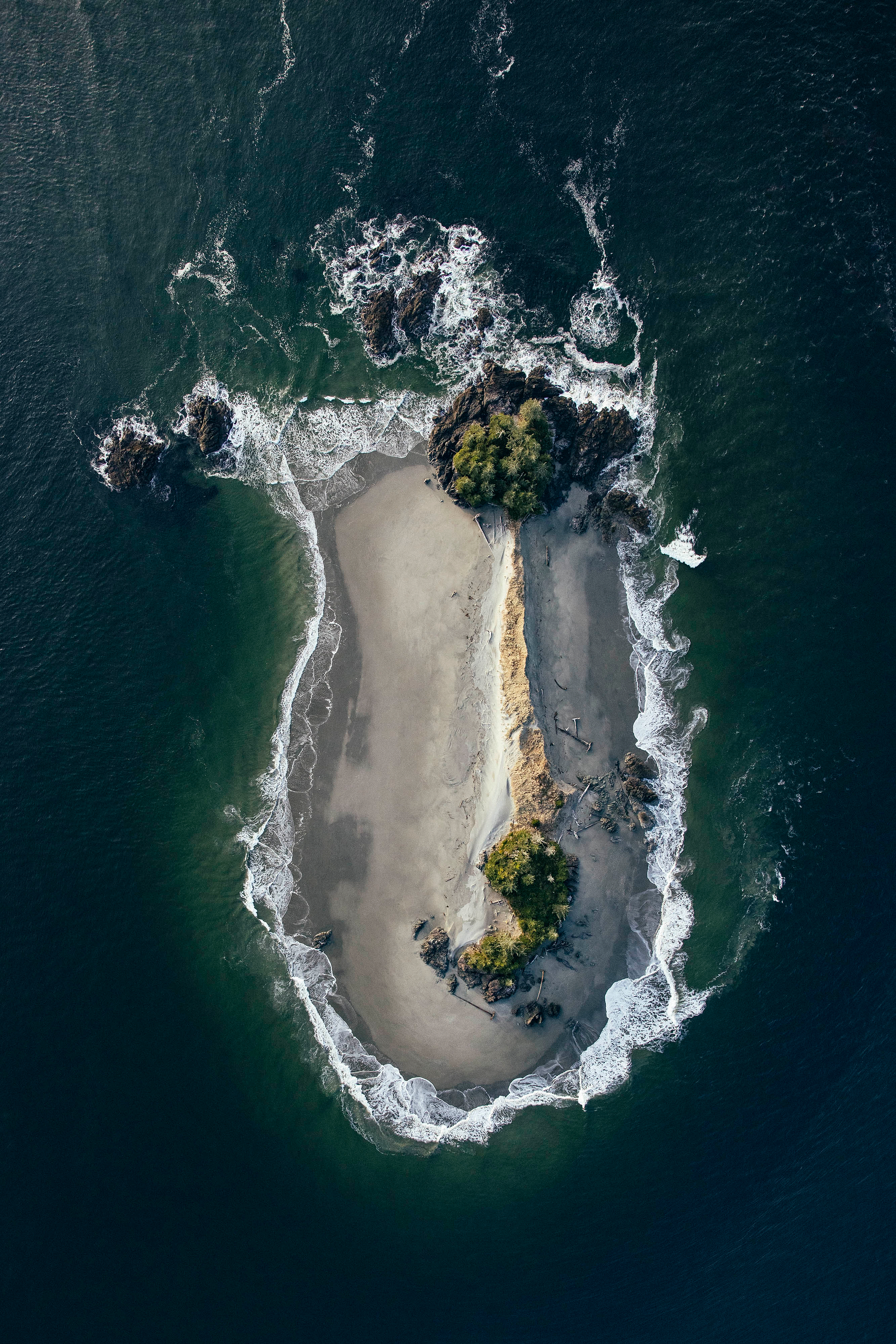
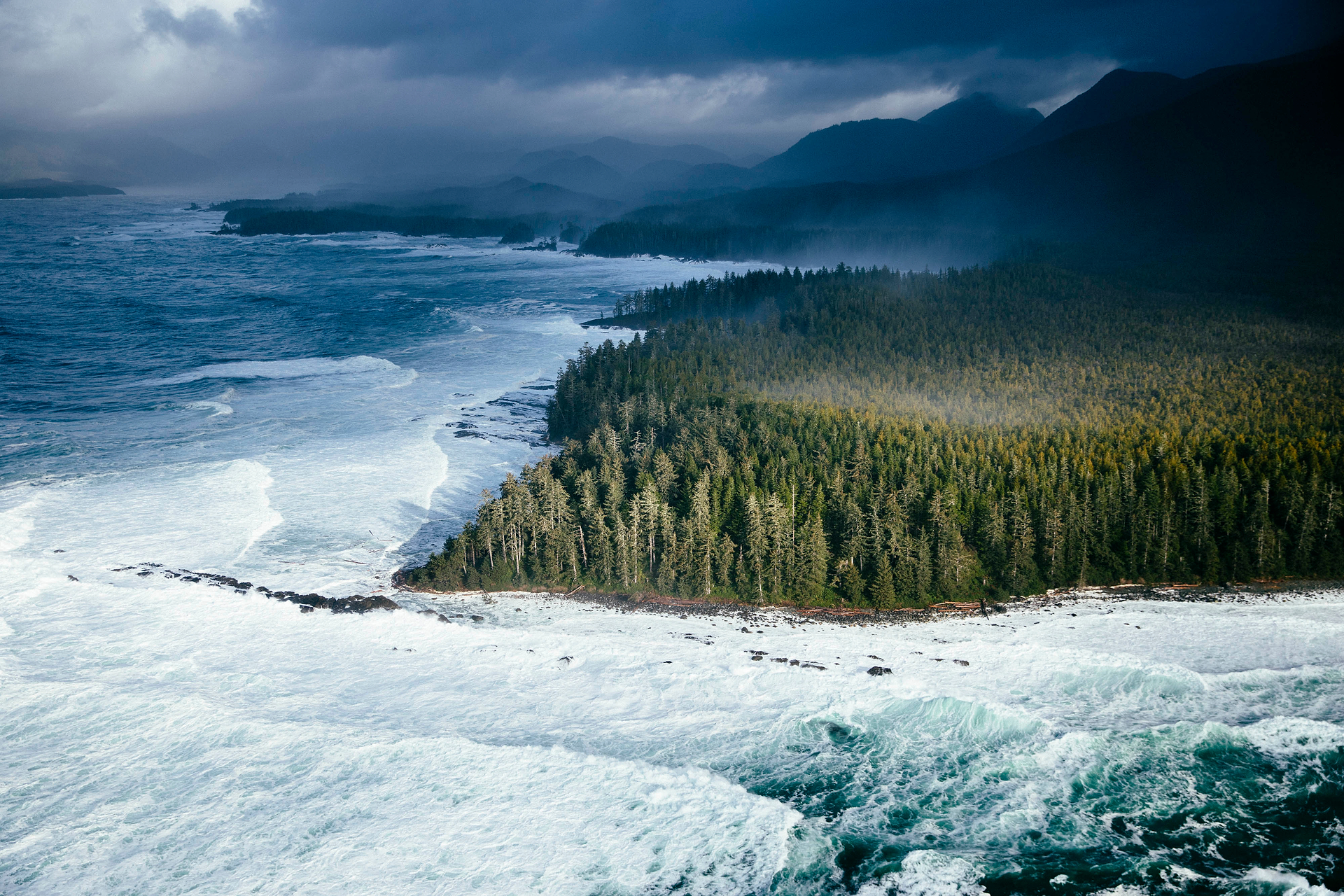
There are hundreds of tiny islands and reefs off the coast of Vancouver Island. With an endless combination of wind, tide and swell direction, the perfect wave must be out there waiting to be discovered. Whaler Island, pictured here, is definitely a candidate.
Koreski’s hometown of Tofino, British Columbia, is the epicentre of Canadian surfing. Detached from the Canadian mainland, surrounded by ancient rainforest, averaging 3 295 mm of rain each year, and surrounded by wind-swept beaches on the exposed West Coast of Vancouver Island, Tofino’s nickname is literal — “The End of the Road.”
There are hundreds of tiny islands and reefs off the coast of Vancouver Island. With an endless combination of wind, tide and swell direction, the perfect wave must be out there waiting to be discovered. Whaler Island, pictured here, is definitely a candidate.
Koreski attributes many of his successes to being at the right place at the right time. But his humility discounts the self-motivation required to start a photographic career in a place where that path didn’t exist; to persevere on challenging missions up the coast, which only bear fruit a fraction of the time; and to bring Canadian surfing and surfers to the world stage. His passion for creating images and his love of adventure and new experiences keep him just as excited and motivated at age 45. His free time is now spent closer to home as a father and husband. His forays up the coast are few and far between and now include route plans and satellite communications — but for Koreski, there will always be the element of the unknown.
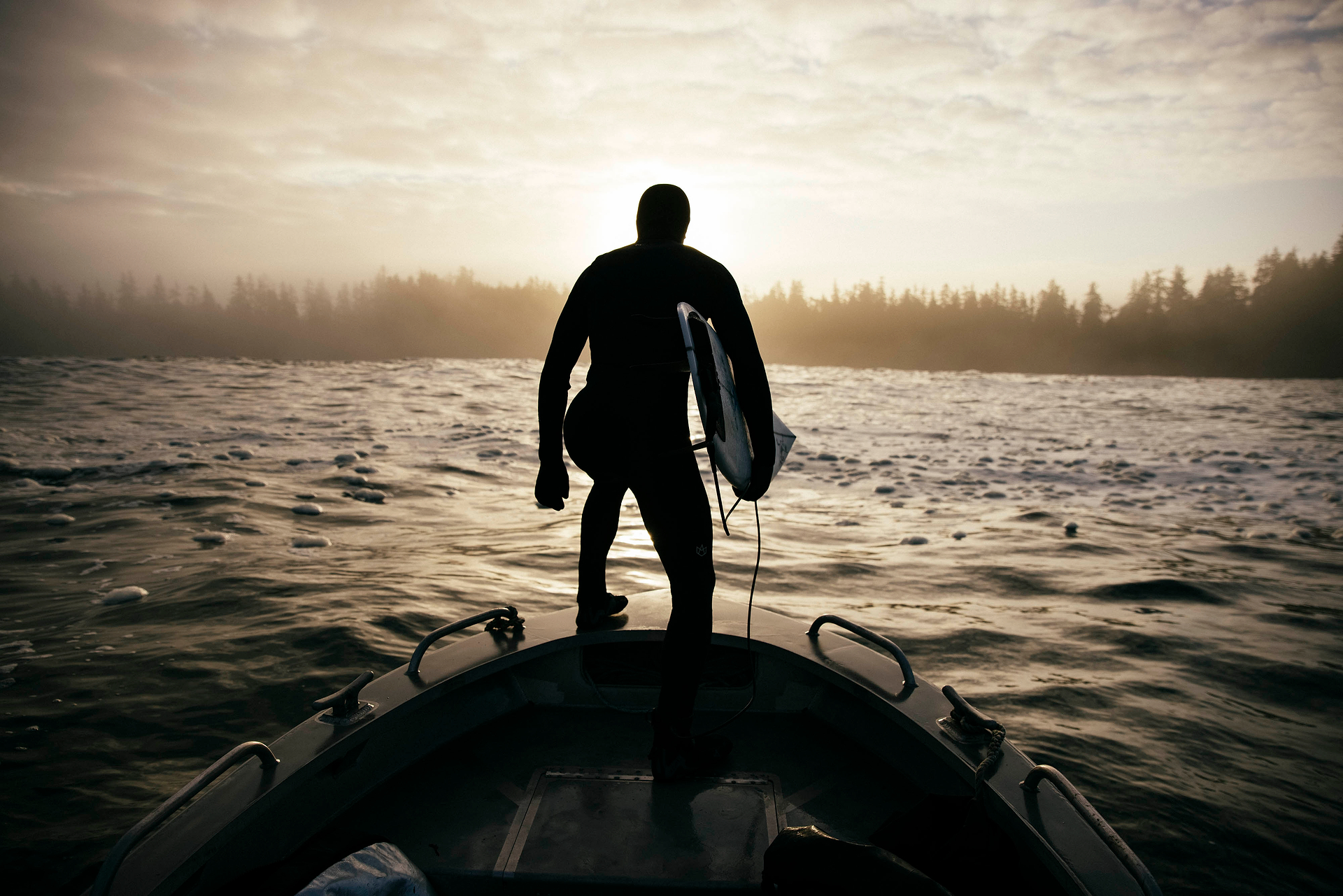
Sunrise sessions are always tricky. The lack of sleep and brisk mornings make the 12-degree water feel even colder, but that first wave is always worth the effort. Pete Devries about to take the plunge.
Sunrise sessions are always tricky. The lack of sleep and brisk mornings make the 12-degree water feel even colder, but that first wave is always worth the effort. Pete Devries about to take the plunge.
JEREMY KORESKI was born and raised in the coastal Canadian town of Tofino, British Columbia. He started photographing at age 13 when his father, a local oyster farmer, gifted him a amera. Capturing friends developing their own talents in action sports like surfing and skateboarding was one of Jeremy’s greatest teachers in lifelong photographic education. Still, Jeremy regards his clients as friends first and relishes any opportunity to connect with like-minded individuals in the great outdoors.
JEREMY KORESKI was born and raised in the coastal Canadian town of Tofino, British Columbia. He started photographing at age 13 when his father, a local oyster farmer, gifted him a amera. Capturing friends developing their own talents in action sports like surfing and skateboarding was one of Jeremy’s greatest teachers in lifelong photographic education. Still, Jeremy regards his clients as friends first and relishes any opportunity to connect with like-minded individuals in the great outdoors.
RELATED STORIES