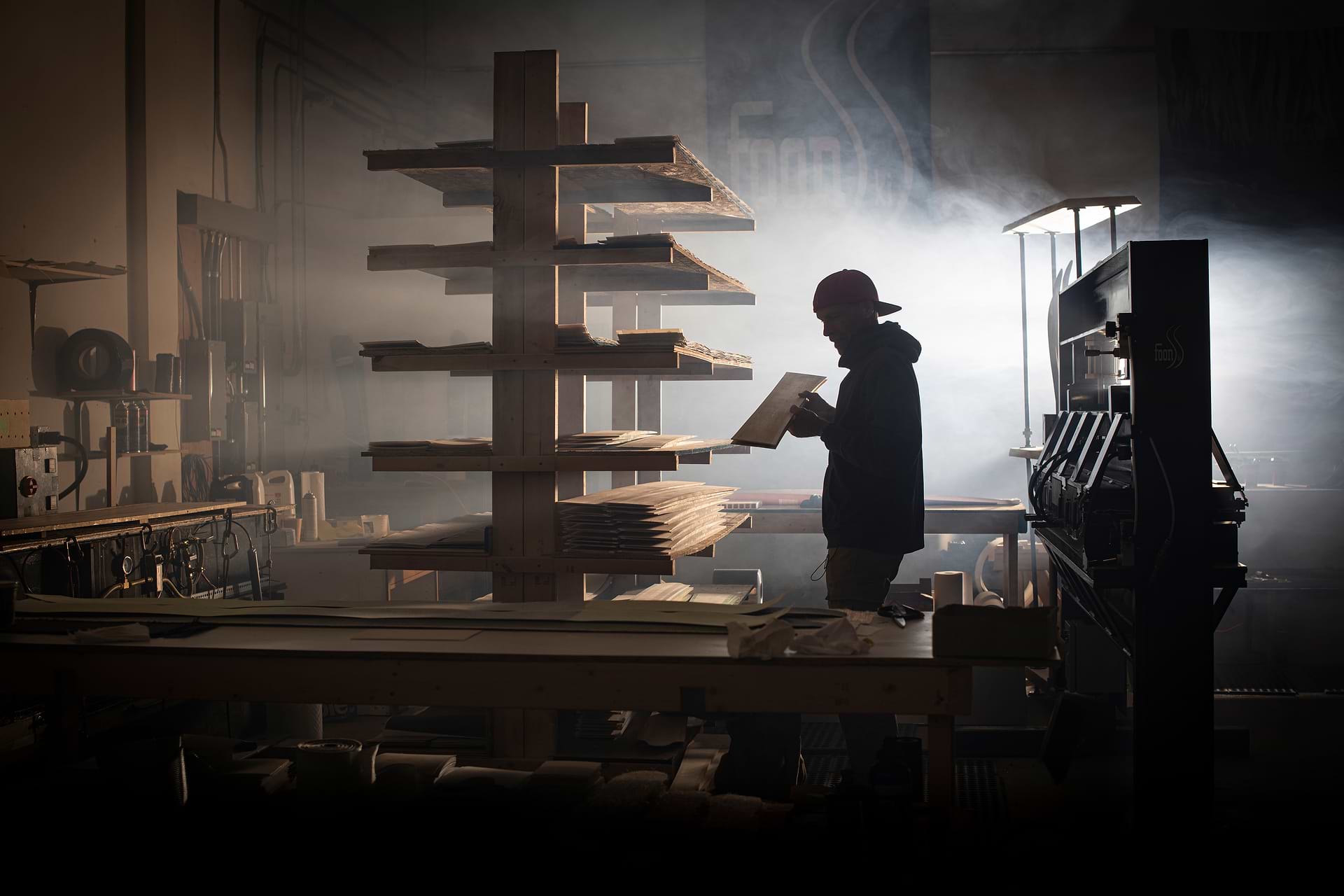
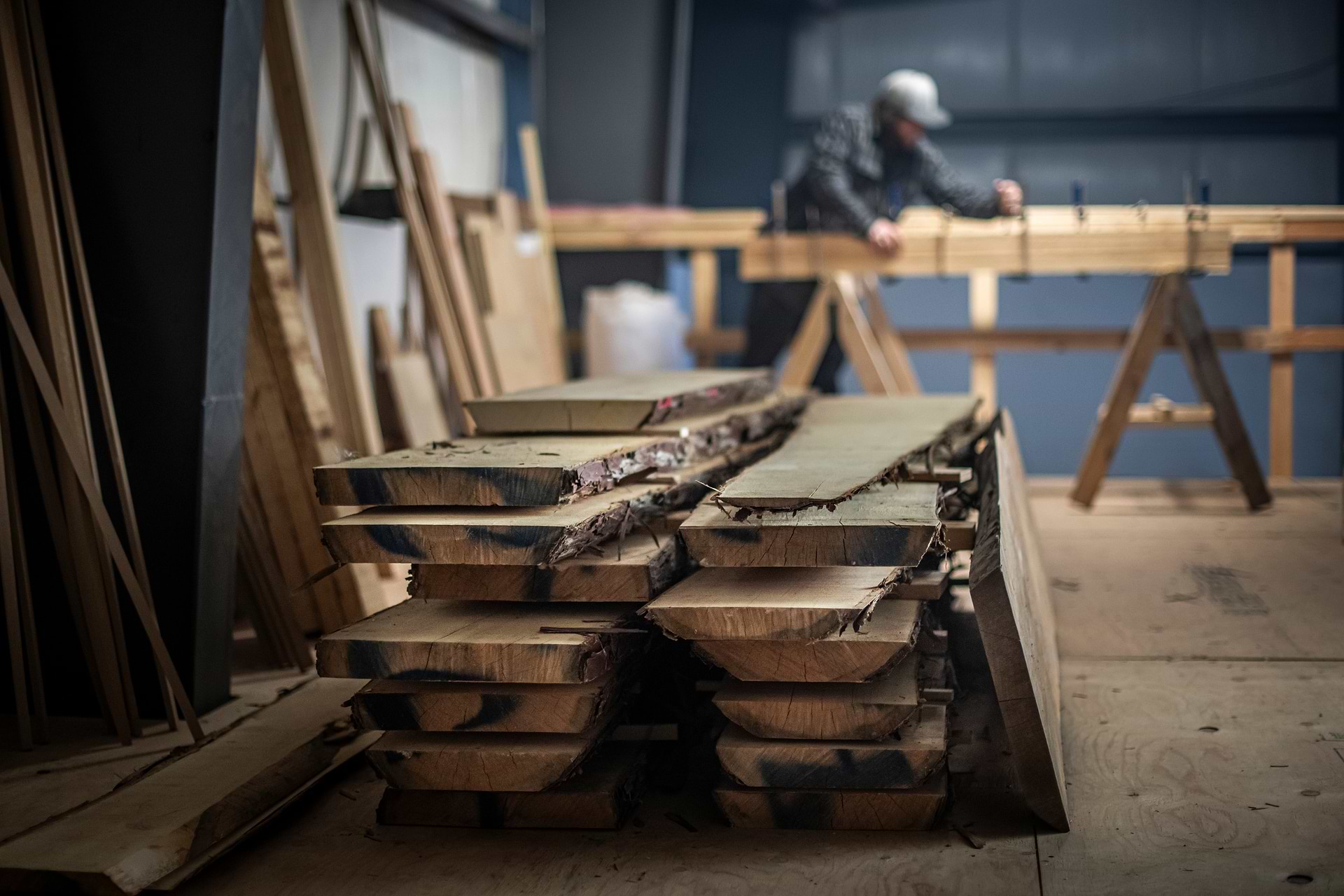
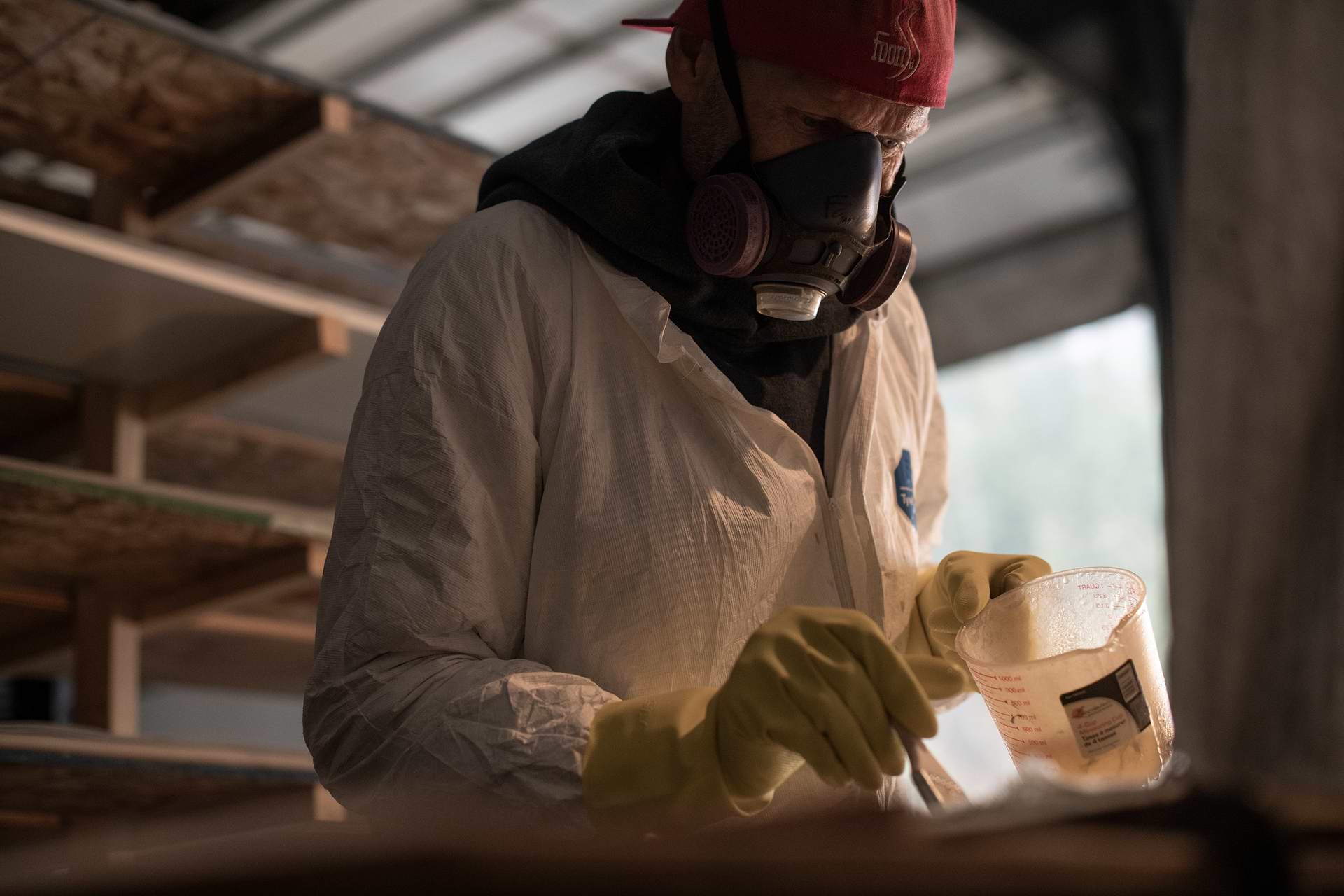
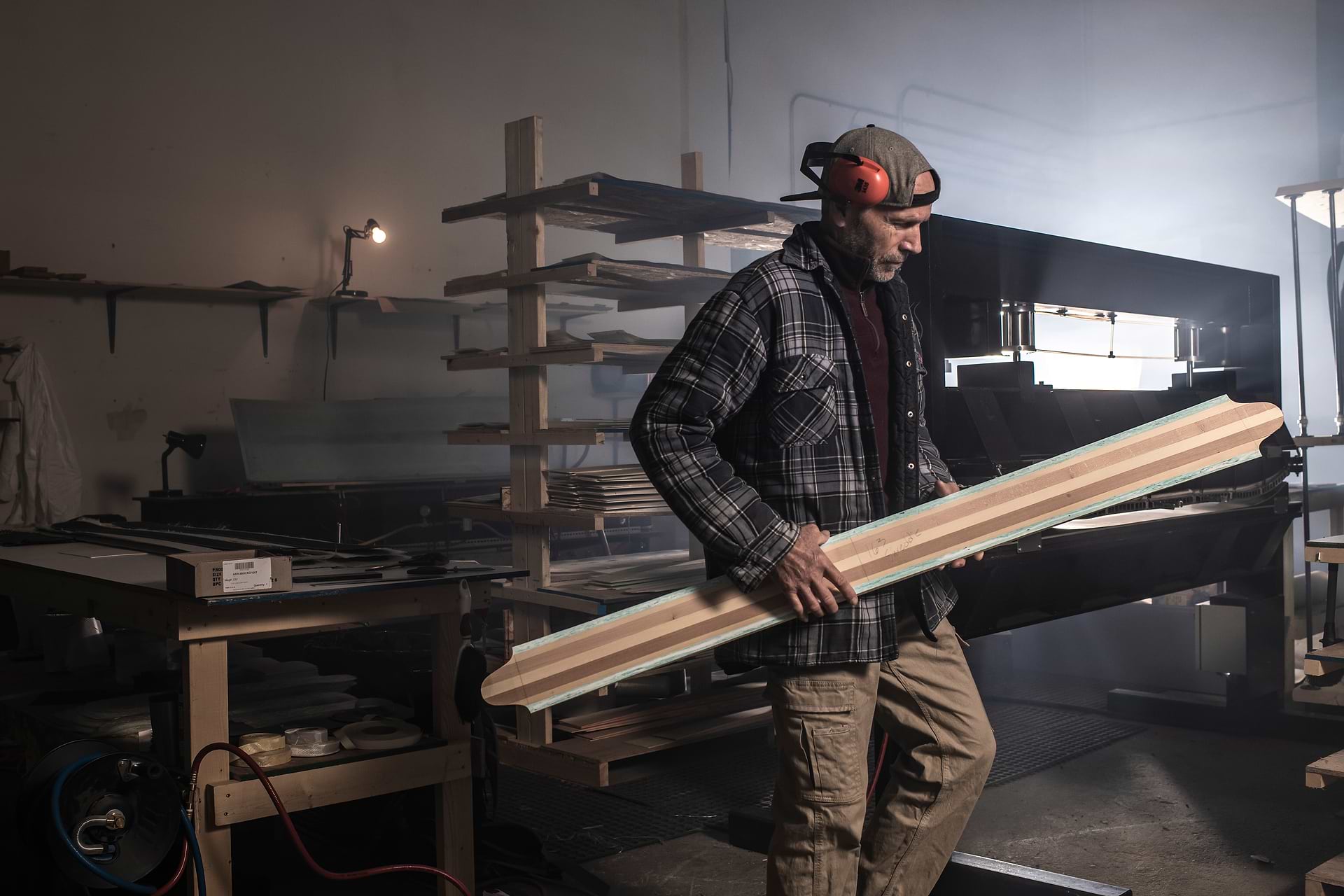
Johnny Chilton is checking out core laminates in the Foon Skis workshop in Pemberton, British Columbia, Canada.
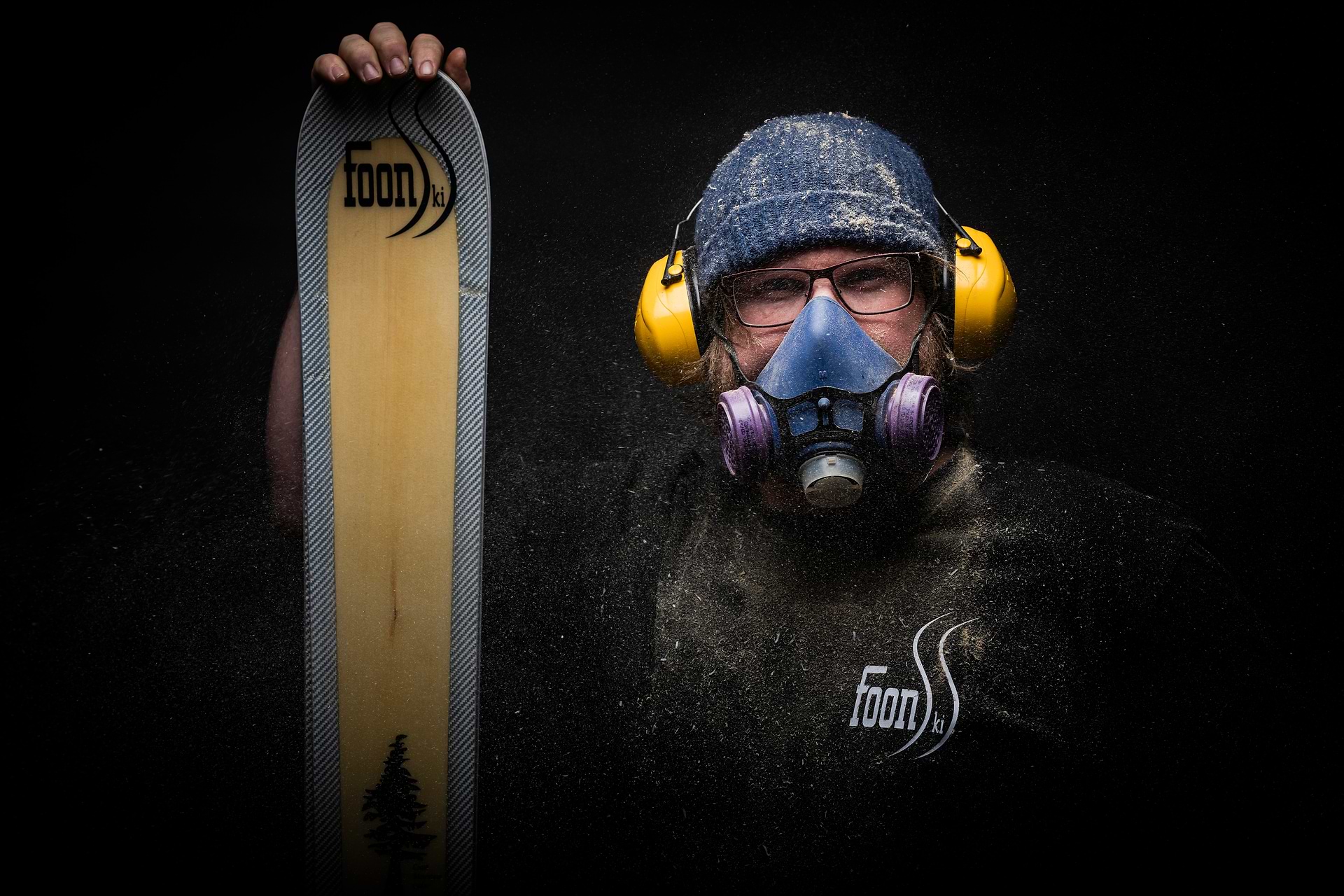
home to the ski-centric towns of Squamish, Whistler and Pemberton. And it wasn’t just because founder Johnny “Foon” Chilton is a local ski hero of some repute. Instead, it’s because these handmade skis are unique and beautiful and work particularly well here — in the conditions they’re crafted for.
Johnny Chilton is checking out core laminates in the Foon Skis workshop in Pemberton, British Columbia, Canada.
Johnny Chilton is checking out core laminates in the Foon Skis workshop in Pemberton, British Columbia, Canada.
glaciated, precipitation-heavy Pacific Northwest. When it comes to local material sourcing and company identity, Foon walked the walk from the day he started, sourcing local subalpine coastal yellow cedar as the core of skis explicitly crafted for the prevailing conditions that include heavy snow and extensive forests.
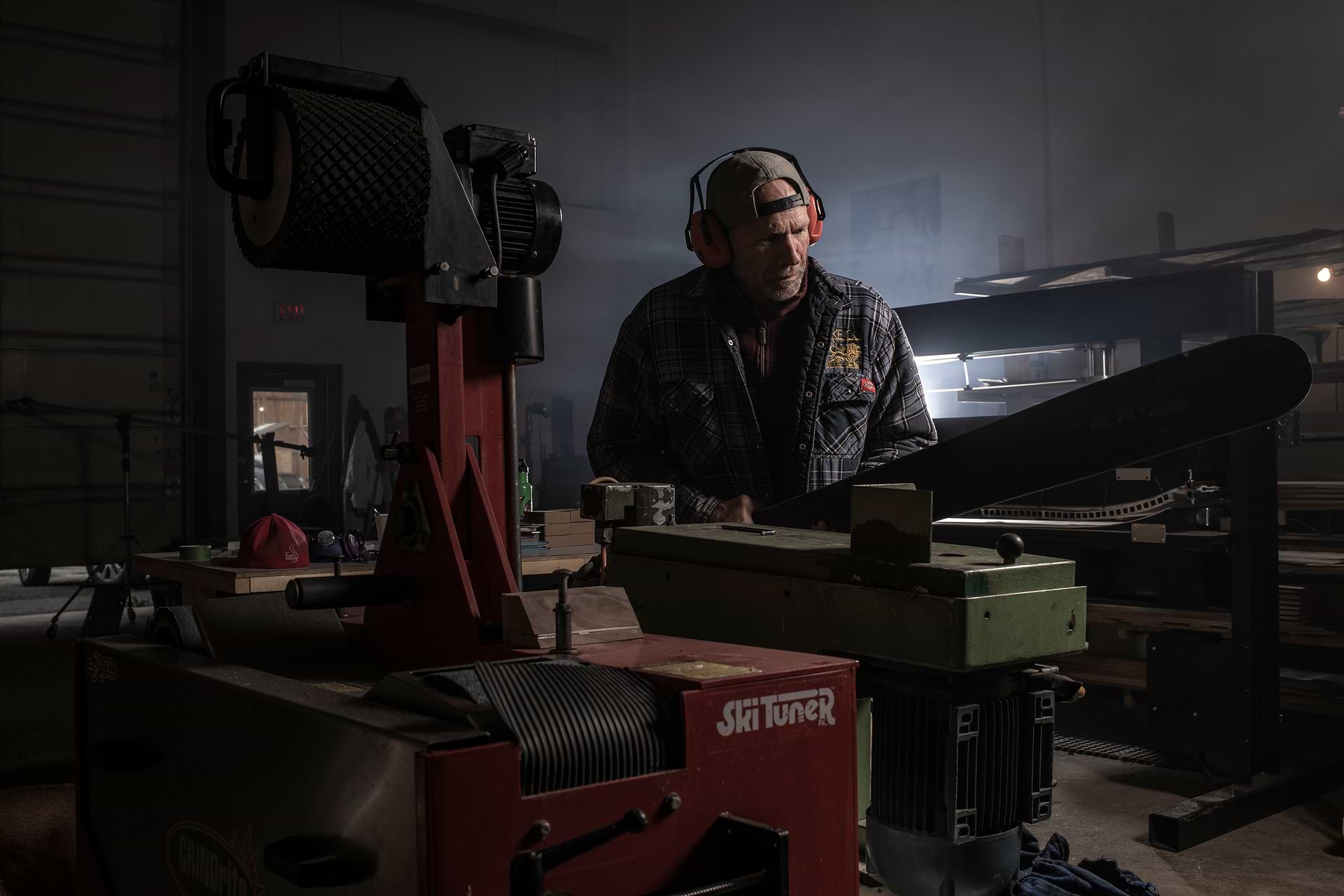
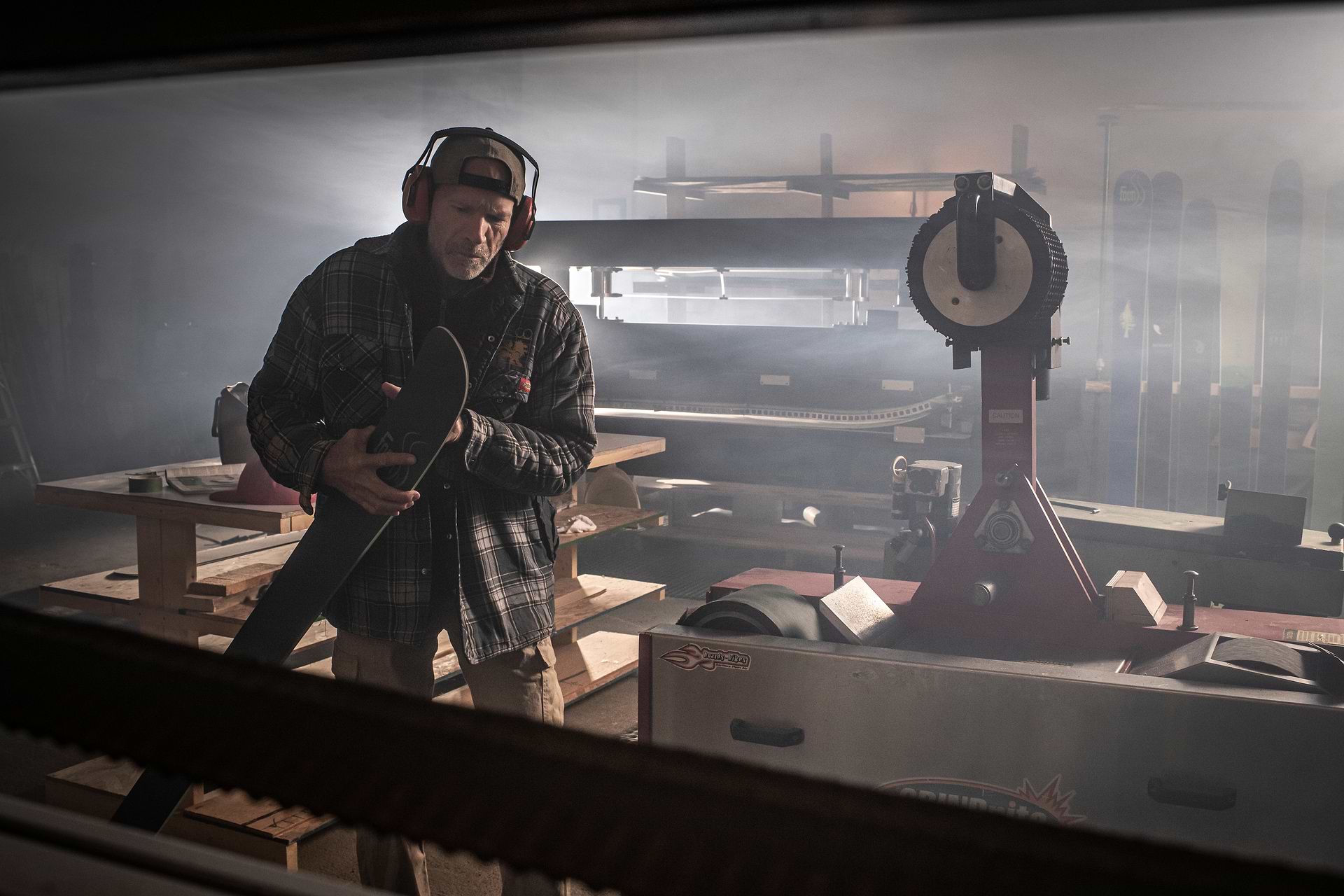
Unsurprisingly, when I first visited Foon’s open-concept manufacturing space in Pemberton a few years back, it vibed coastal workshop — snowmobiles in a corner, walls lined with skis, the occasional surfboard, presses separated by a rack of core laminates, a shelving unit for base sets, a whiteboard to track orders, an old base-grinder, and, on an upper mezzanine, an aromatic stack of cedar, aspen and big-leaf maple. An enclosed woodworking shop to one side contained the prolific dust from that activity, exemplifying the gritty nature of getting this kind of job done in a DIY environment. An environment that Foon — a mentor to many for his steep ski-mountaineering exploits and impressive résumé of first descents — seemed perfectly at home in, despite no personal inkling he’d end up here.
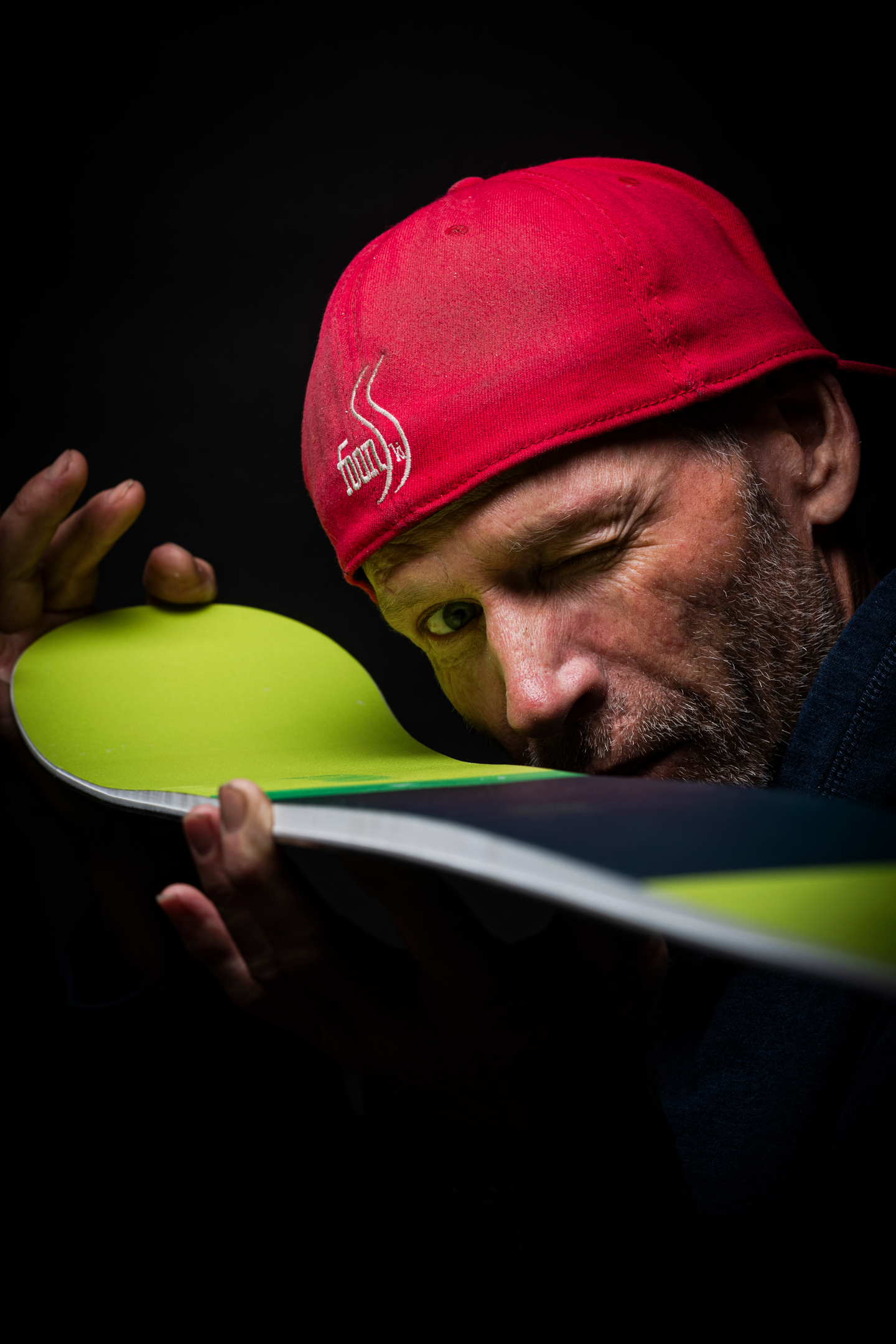
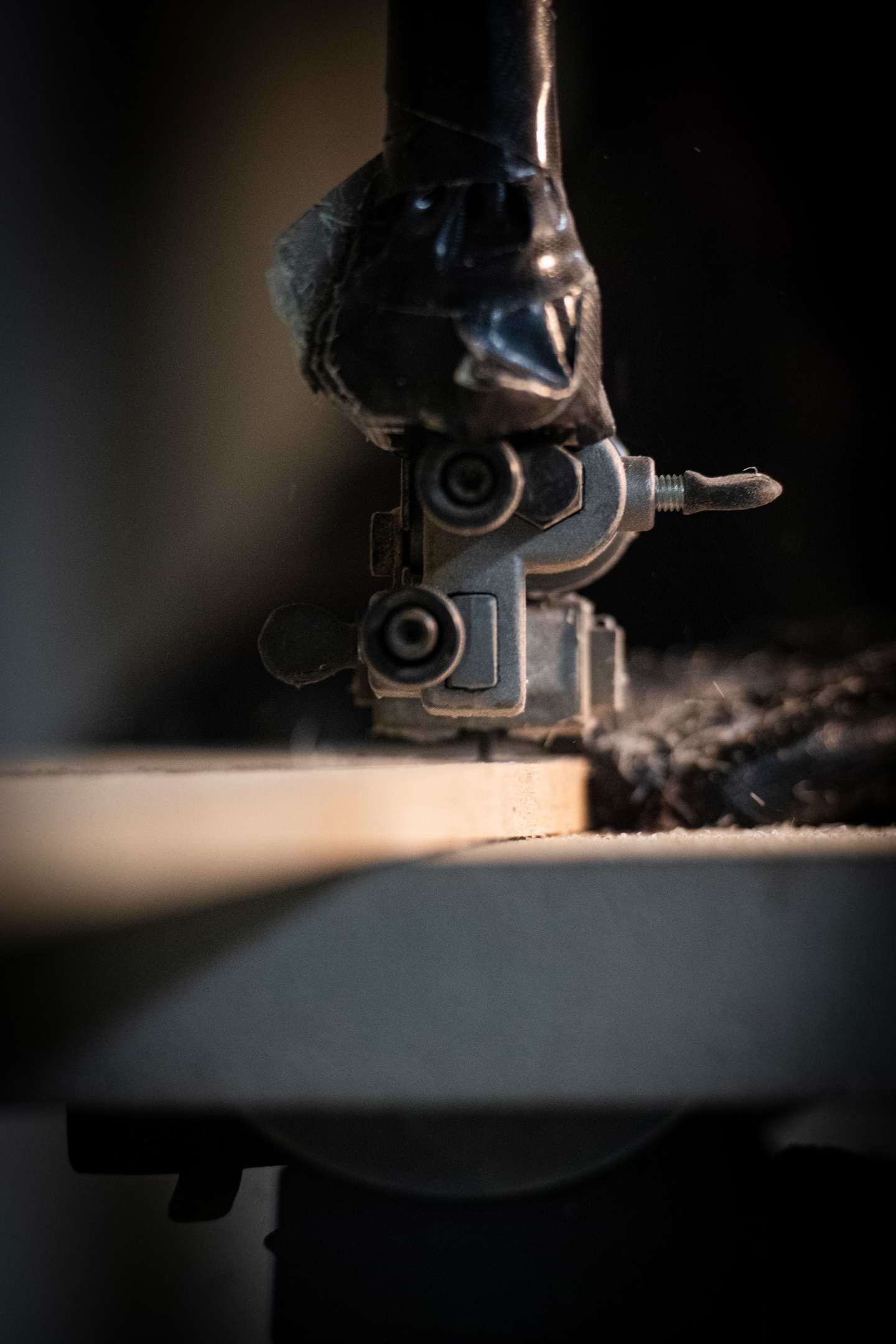
Foon scraped epoxy from a metal cassette as the story spilled out. “I hadn’t been thinking of making skis,” he mused, “But a friend directed me to a website that showed you how to make a capped ski in a vacuum bag.”
It seemed like a fun and harmless project for $1,000 in material and some of his time. His mother-in-law bought him a Christmas vacuum bag, and he made a pair of skis. “They were only OK,” he recalled. It might have ended right there for most, but Foon was intrigued. “I made another pair that skied really well and boom, I was hooked.”
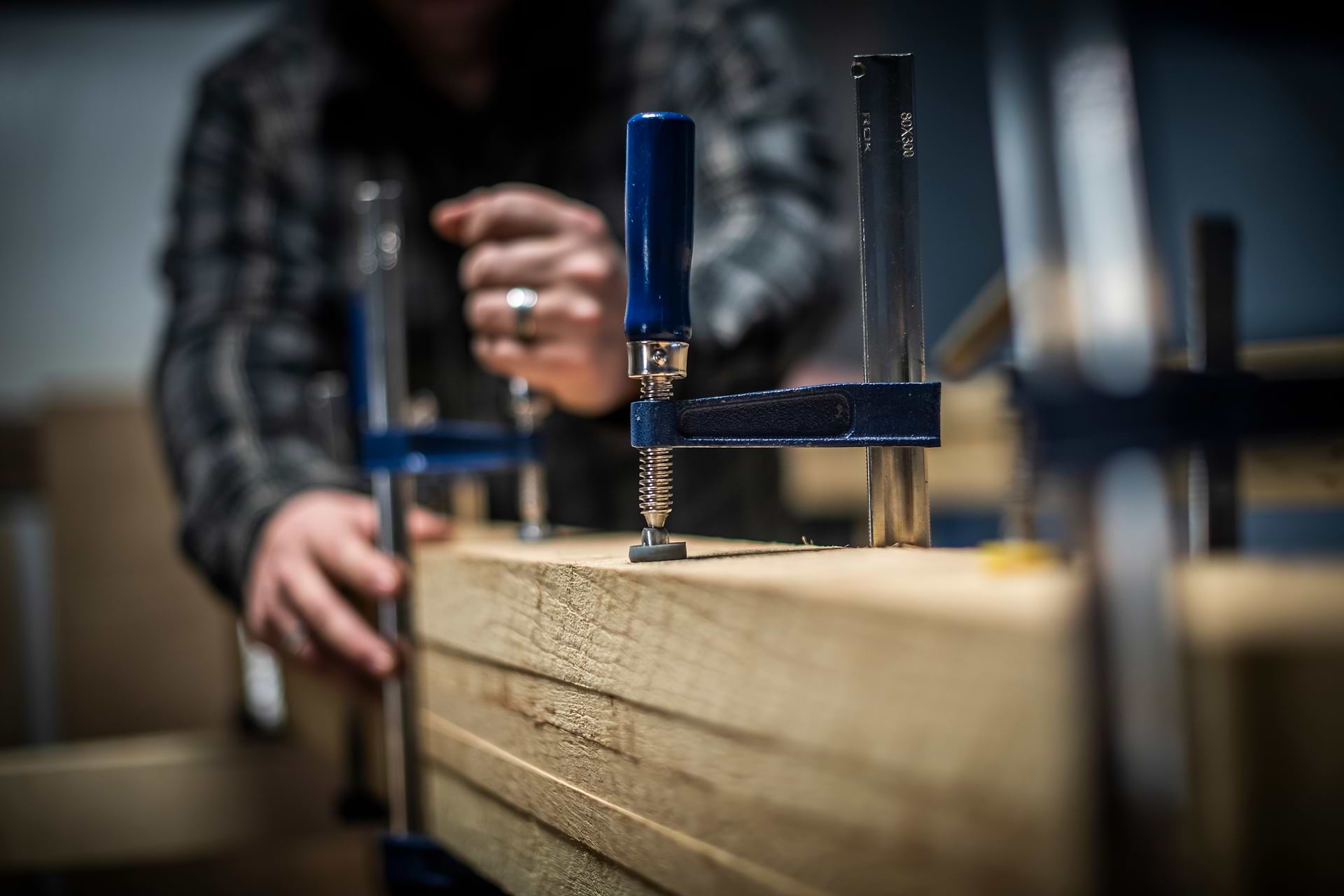
Within three years, Foon had left his snow grooming operator job at Whistler Blackcomb to make skis full-time, abandoning the vacuum bag for a second-hand press. Fortuitously, it also delivered him to more familiar territory. “Once upon a time, I worked in a cabinet-making shop in Vancouver, and a lot of the tool skills for ski sandwiching are similar,” he said.
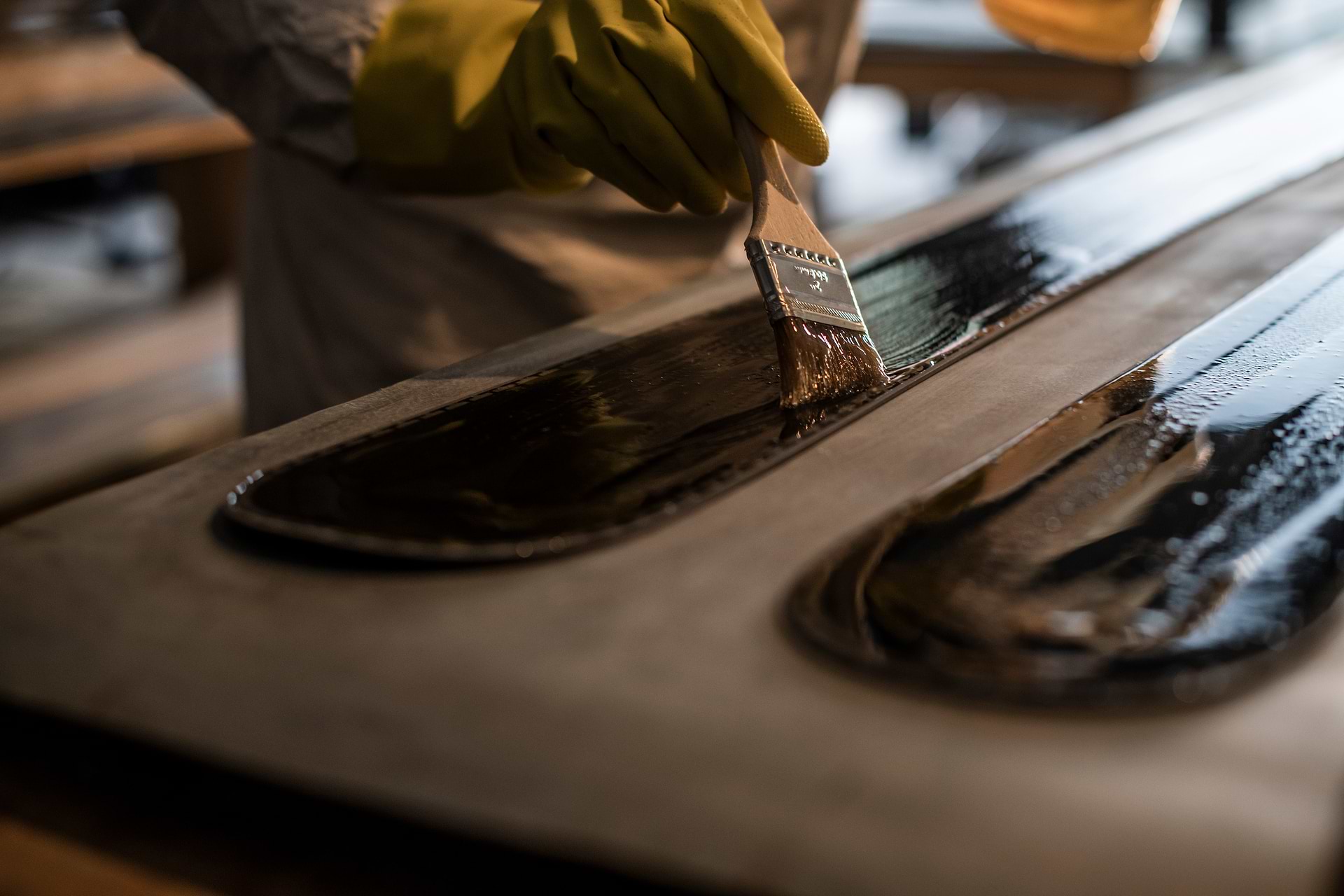
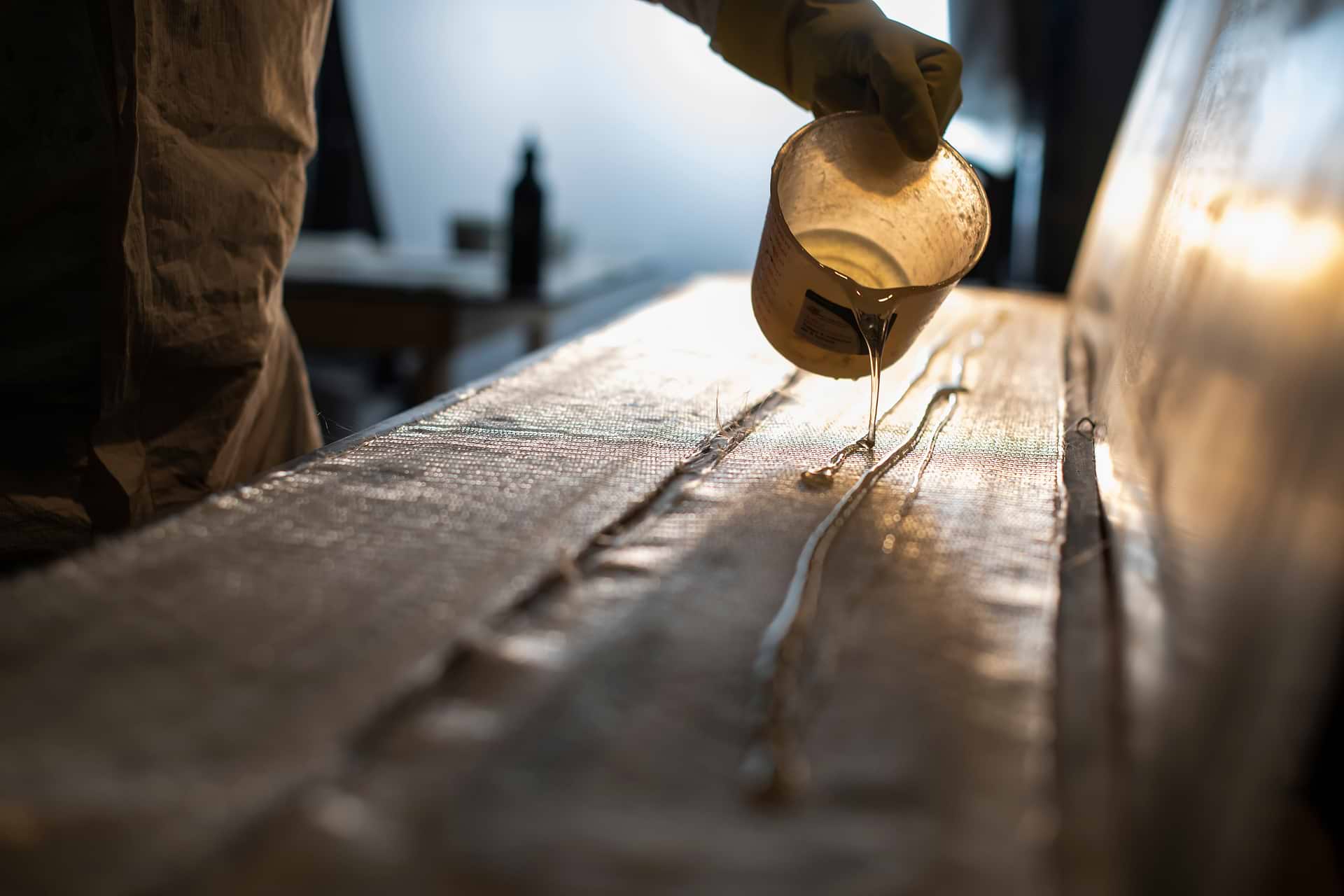
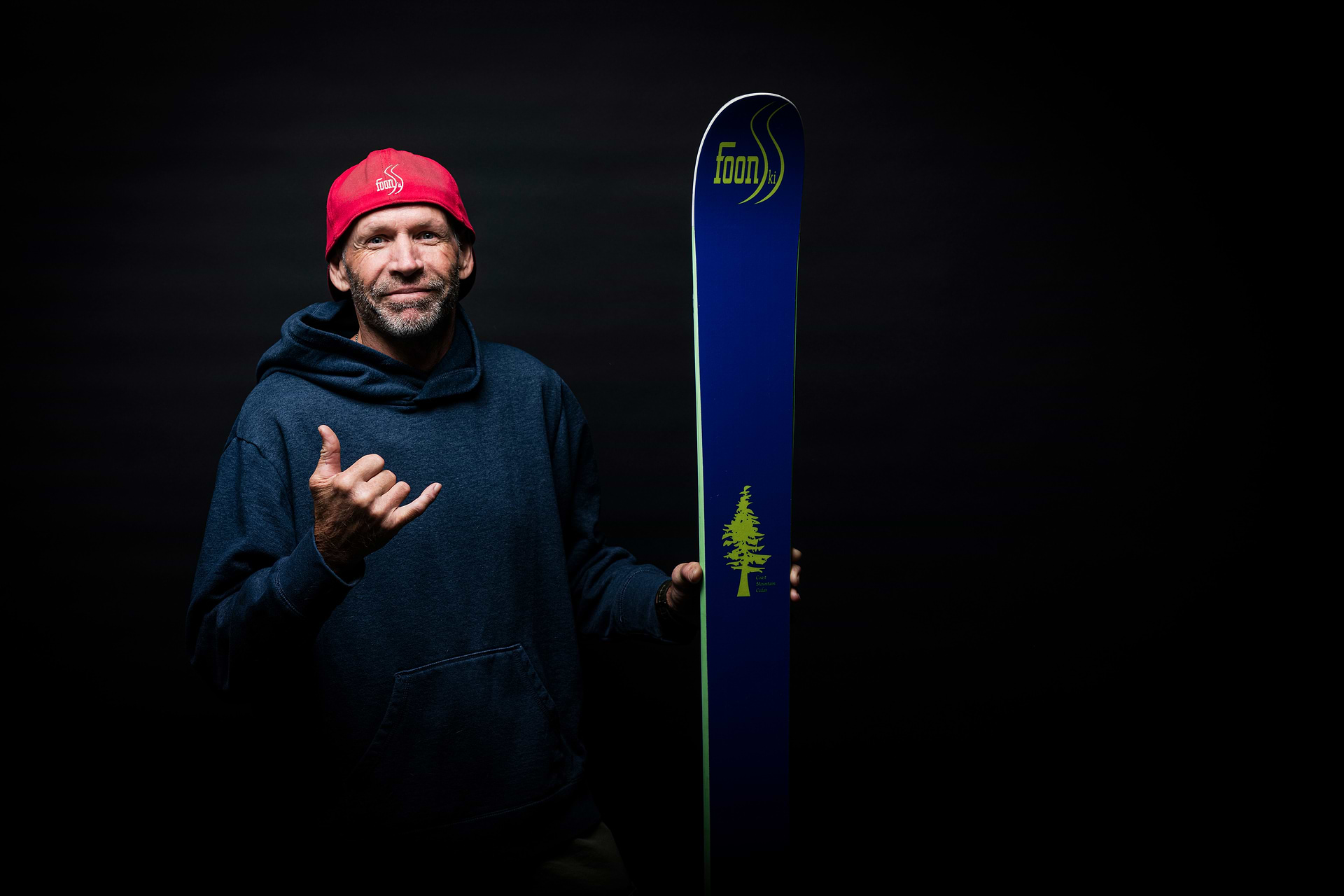
photographer Blake Jorgenson and the film company Sherpas Cinema were on hand, working on visual collateral to reflect the hand-crafted alchemy of Foon’s business; to emphasize the theme, they’d rigged up special lighting and a smoke machine. Foon posed with his dog Max and a “Moma Lisa”—the ski celebrating his late wife and ski partner, Lisa Korthals, who had tragically perished in a 2018 avalanche. Processing her passing while also becoming a single parent to their son Ty could have derailed his ski-making career, but Foon had a strong sense of Lisa standing right behind him, urging him to continue. As the cameras hummed, he appeared with the ski, stepping out of a swirl of smoke.
Though it felt there could be no better tribute to both at the time, better was yet to come, and to see the Foon Skis fleet today, with its diversity and one-of-a-kind aesthetics, it still conjures the spirit of the Moma Lisa. And much has happened in five years.
The founder of Foon Skis, Johnny Chilton, is a local legend in the Sea-to-Sky corridor. His reputation as a ski mountaineer and steep skier is deeply rooted.
The founder of Foon Skis, Johnny Chilton, is a local legend in the Sea-to-Sky corridor. His reputation as a ski mountaineer and steep skier is deeply rooted.
Foon’s old ski press could handle the hundred or so pairs he produced yearly. Still, a new press can now pump out three to four pairs a day — a vital upgrade to meet his own production needs of ~300 pairs/year, and for any collaborations he might enter into. The first of those was Kye Shapes — a short-lived, low-volume venture with big-mountain ripper Kye Petersen a few years back. Current collaborations, however, have significantly ratcheted up the demand for capacity. These include a World Ski and Snowboard Festival Limited Edition — 20 pairs of a contest-winning “First Light” top sheet are being applied to any ski a customer chooses. There’s also a partnership with The Old School Initiative, a collective of — you guessed it — local old-schoolers in which 40 percent of profits from each sale go to supporting grassroots ski, snowboard and skate communities in Whistler and Pemberton. Foon has also partnered with Cultish.io to produce a series of exclusive “world first” limited edition skis with dedicated artwork.

This intense focus ensures their custom products “maintain an authentic production process, but also an authentic aesthetic.” Artists receive a commission on every pair of custom boards adorned with their art and featured on Foon Skis’ Instagram feed.
A love of aesthetics and an interest in surfing might also explain Foon’s recent foray into pow surfboards, incorporating local red and yellow cedar — boards made and sold at cost. At the same time, the R&D process continues (pro tip: buy now in case these become collector’s items). But whatever the future, and whether an all-mountain, backcountry, alpine/piste or pow surf design, Foon’s original focus remains Job 1: every board is of the coast, for the coast.

LESLIE ANTHONY is a writer and editor who knows a thing or two about snow. Longtime Creative Director of SKIER, former Managing Editor of POWDER, and author of the book White Planet: A Mad Dash Through Modern Global Ski Culture, the resident of Whistler, British Columbia, continues to appear regularly on the masthead of the world’s top ski magazines. His favorite activity? Skiing powder, of course.
LESLIE ANTHONY is a writer and editor who knows a thing or two about snow. Longtime Creative Director of SKIER, former Managing Editor of POWDER, and author of the book White Planet: A Mad Dash Through Modern Global Ski Culture, the resident of Whistler, British Columbia, continues to appear regularly on the masthead of the world’s top ski magazines. His favorite activity? Skiing powder, of course.
RELATED STORIES


