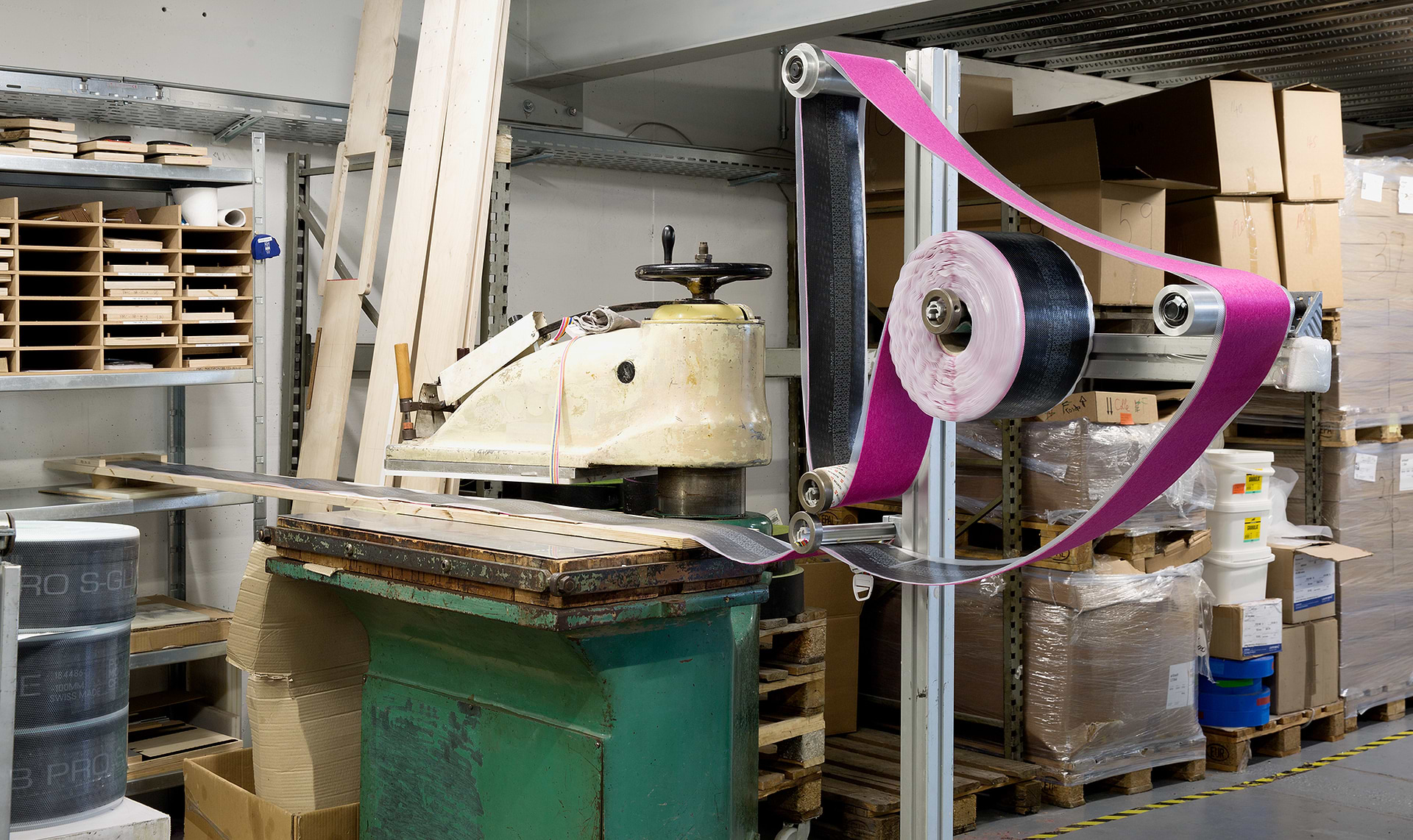
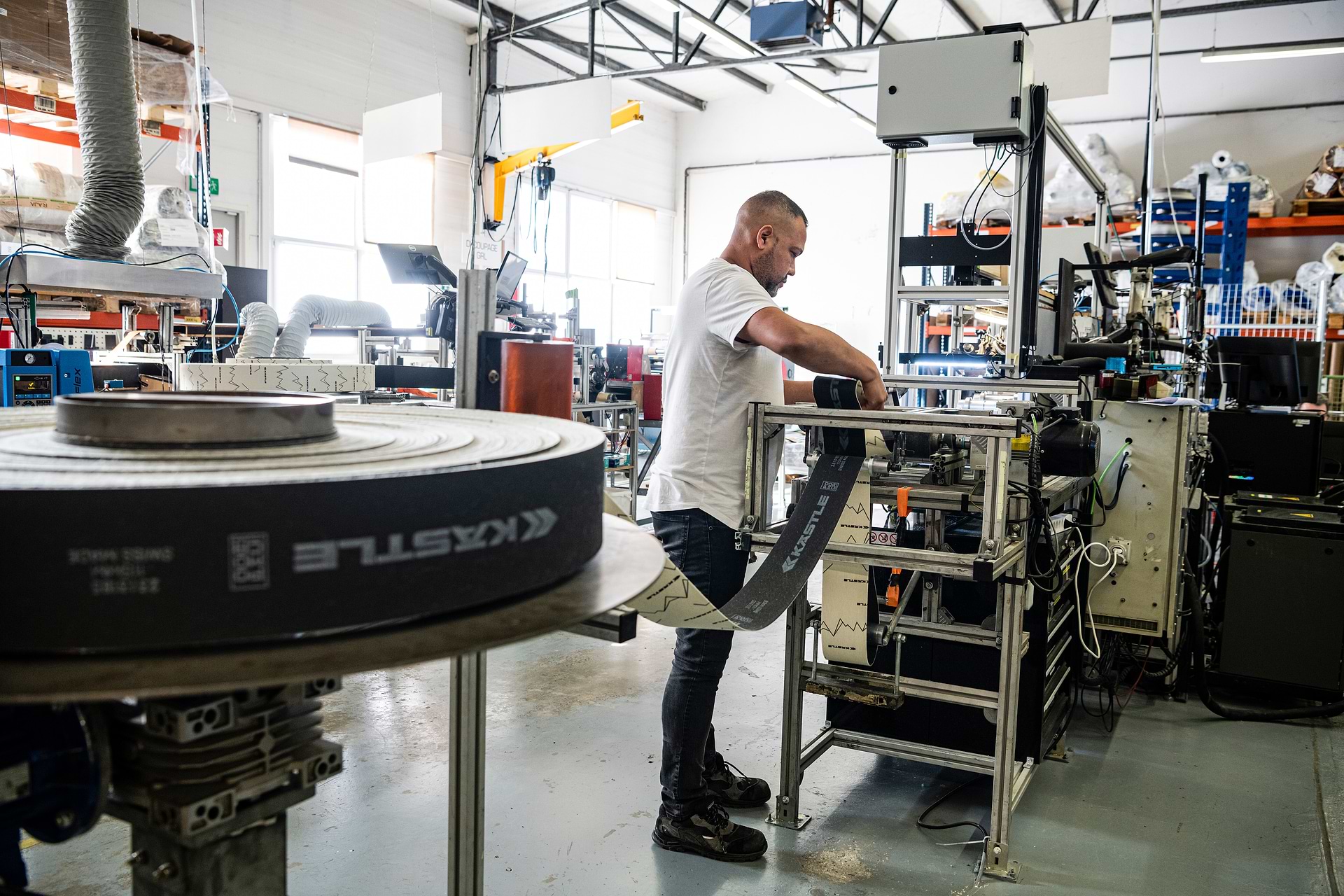
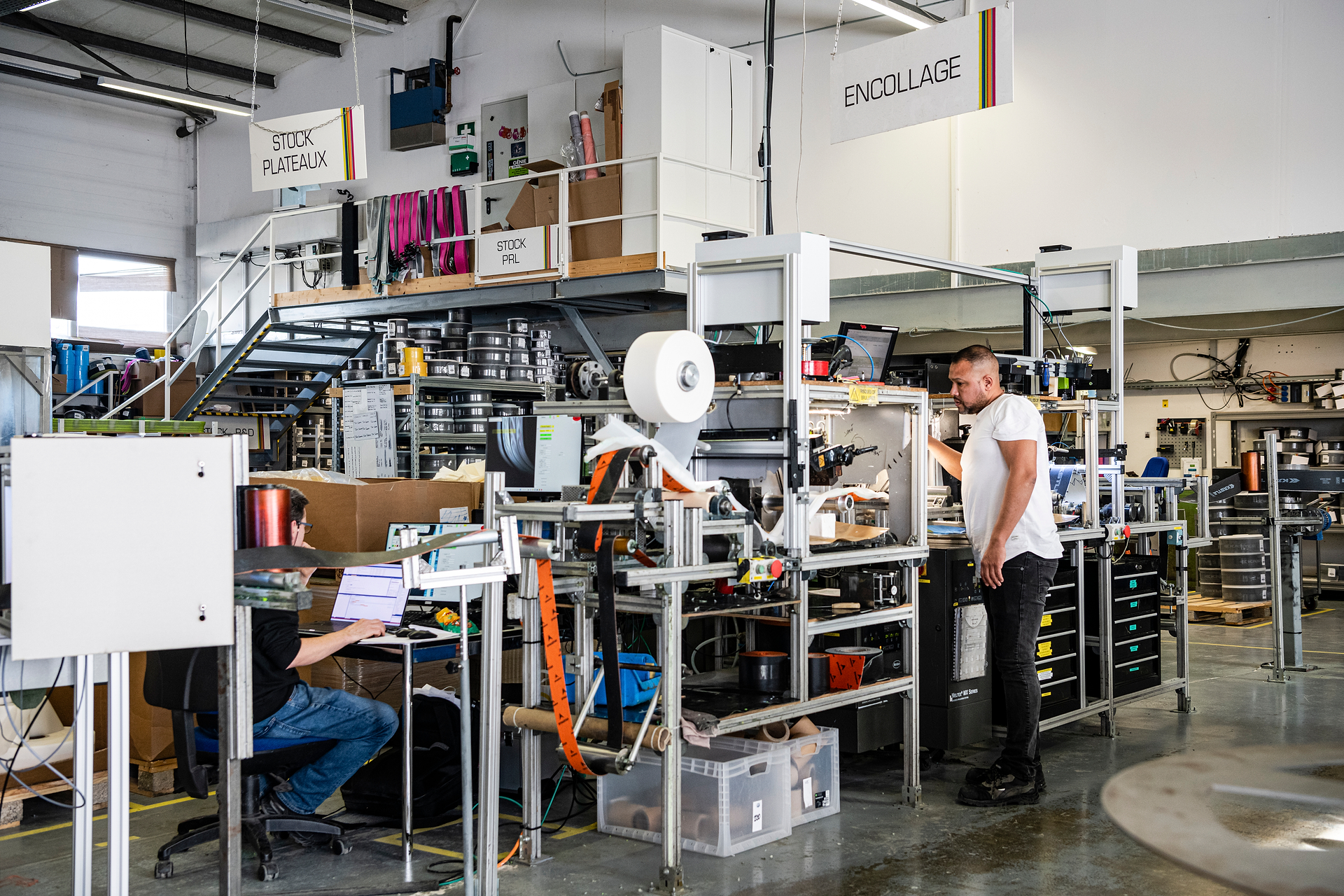
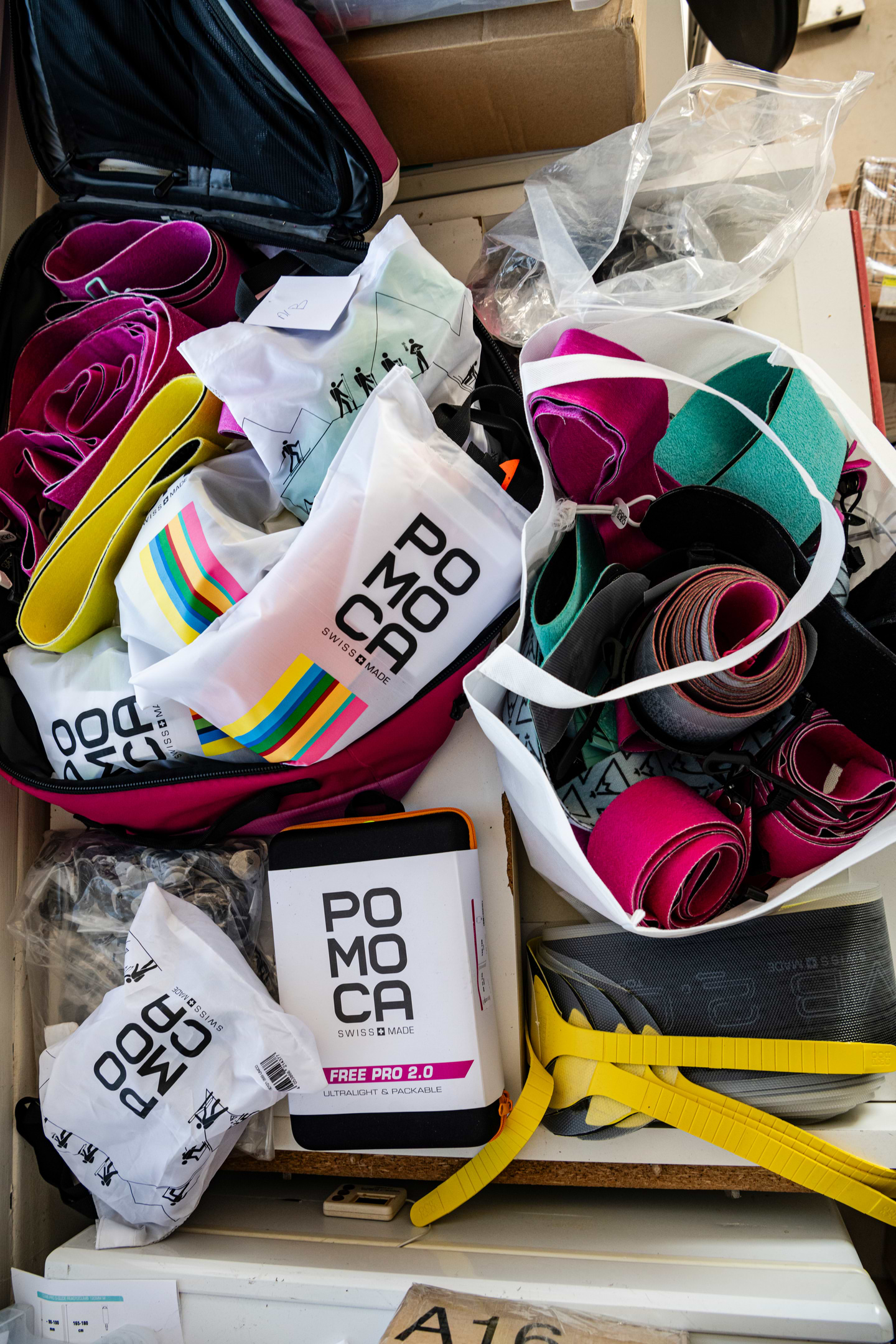
All of Pomoca’s machinery is custom-configured for its unique manufacturing process.
hard goods companies producing apparel, technical apparel brands doubling down on streetwear, not to mention bizarre collaborations, limited releases, and other marketing gimmicks. In an era of quantity over quality, there’s something profoundly reassuring about a brand focused on creating one thing and one thing well — and nobody has done that with climbing skins as long as Pomoca.
The name of the brand, officially founded in Switzerland in 1933, tells the story:
PO: from the French “peau,” meaning skin
MO: from mohair
CA: from the French “caoutchouc,” meaning rubber
Louis pioneered winter sports in the French-speaking part of Switzerland, both as co-founder of the Swiss Ice Hockey Association and as the first importer of skis. As there was no lift infrastructure then, climbing skins were the only way to get to the best snow, so Louis created a brand to develop them. The family business produced the first non-slip mohair skins in 1939, the first adhesive skins in 1970, and a proprietary attachment system by 1980. Though the brand sold to the Oberalp family (Dynafit, Salewa, Wild Country, Evolv, LaMunt, Pomoca) in 2011, production remains in Switzerland, and the focus is the same: “Still making skins, only skins.”
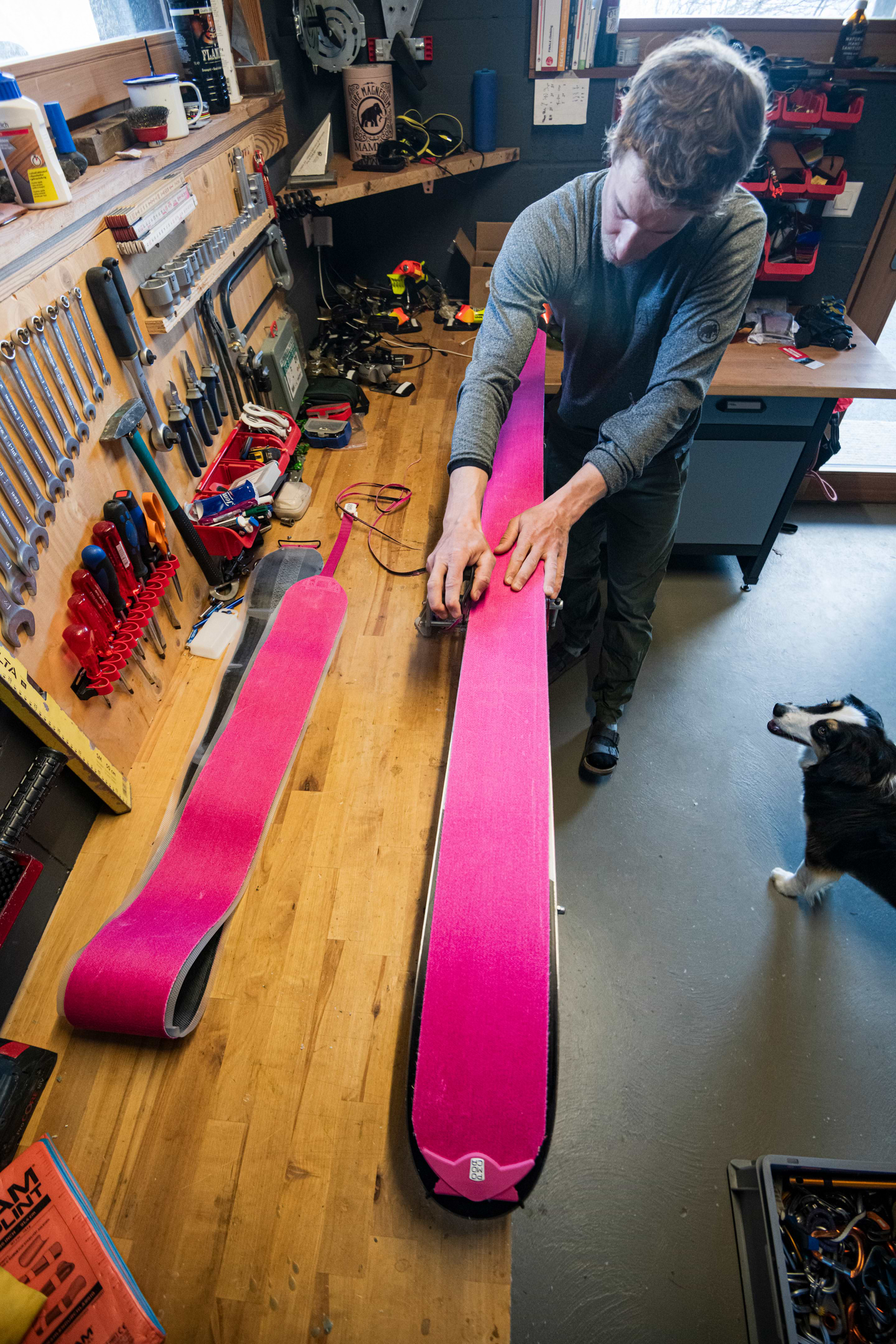
Big mountain skier Jérémie Heitz cuts a new pair of Pomoca skins in his garage in Les Granges near Les Marécottes, Switzerland.
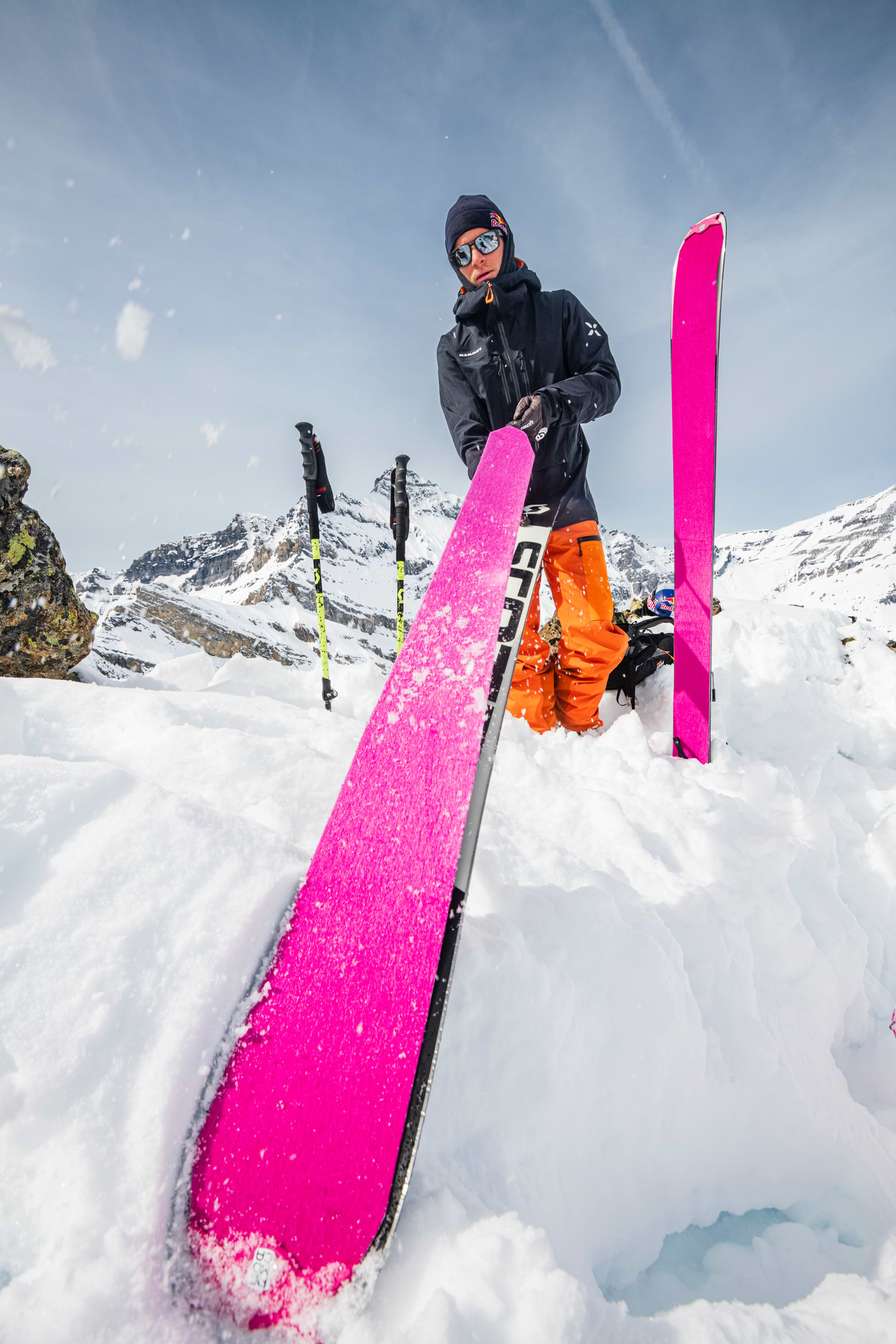
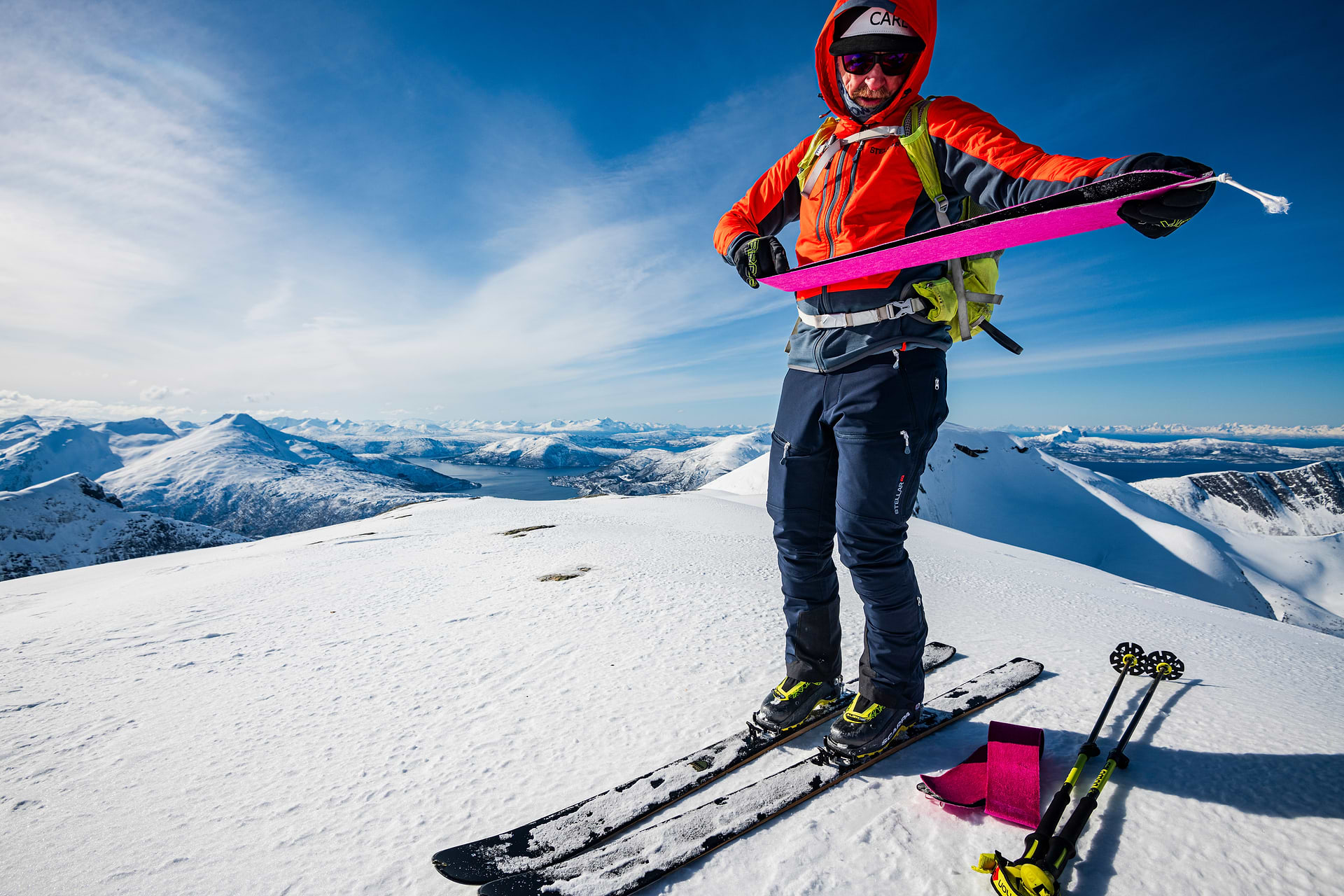
Heitz was captured in the field using the same skins. Heitz has been a Pomoca athlete for many years and has a tight relationship with the brand.
Big mountain skier Jérémie Heitz cuts a new pair of Pomoca skins in his garage in Les Granges near Les Marécottes, Switzerland.
Heitz was captured in the field using the same skins. Heitz has been a Pomoca athlete for many years and has a tight relationship with the brand.
“We have always been asked to enter a different industry — textile or something like this — because a lot of people like the logo, they like the brand. They try to push us to extend our offer, but we keep doing skins.”
Guinand explains that by focusing on one offering, the brand can maintain unparalleled attention to product quality and customer service.
“As soon as we deliver a product in the market, we want to be sure that as soon as you use the product, you don’t have any problem. And if you have a problem, we solve it, and this is the brand’s real value.”
“If you start touring, most people don’t know the skin brands,” continues Guinand. “But as soon as the skins are failing, they remember the skin brands and say, ‘Okay, I will never go and buy this brand again.’ Our rubber is special as you don’t have any exchange of water from the hard side to the glue side. And this is one part of the success of Pomoca: it’s definitely the stability of the glue.”
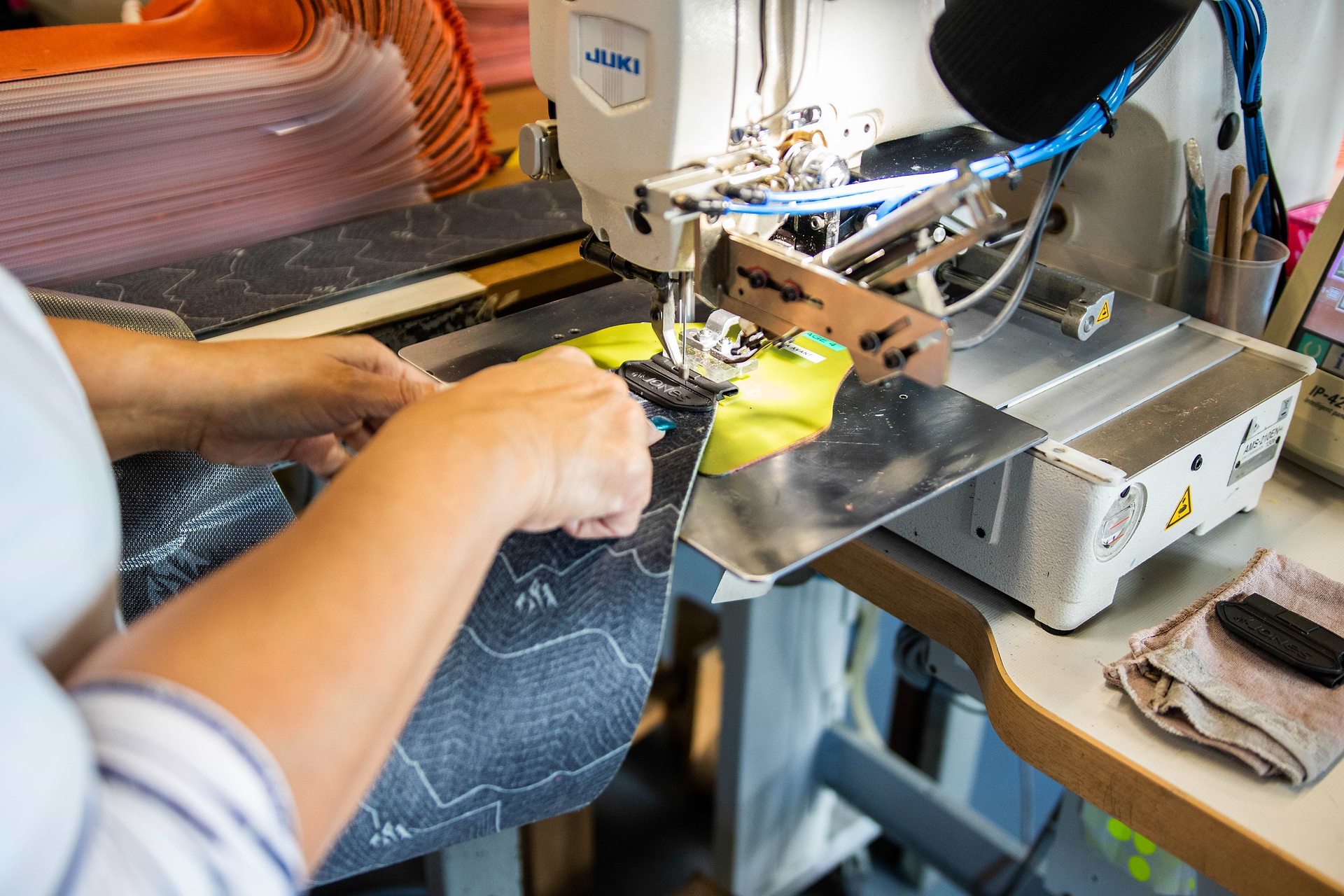
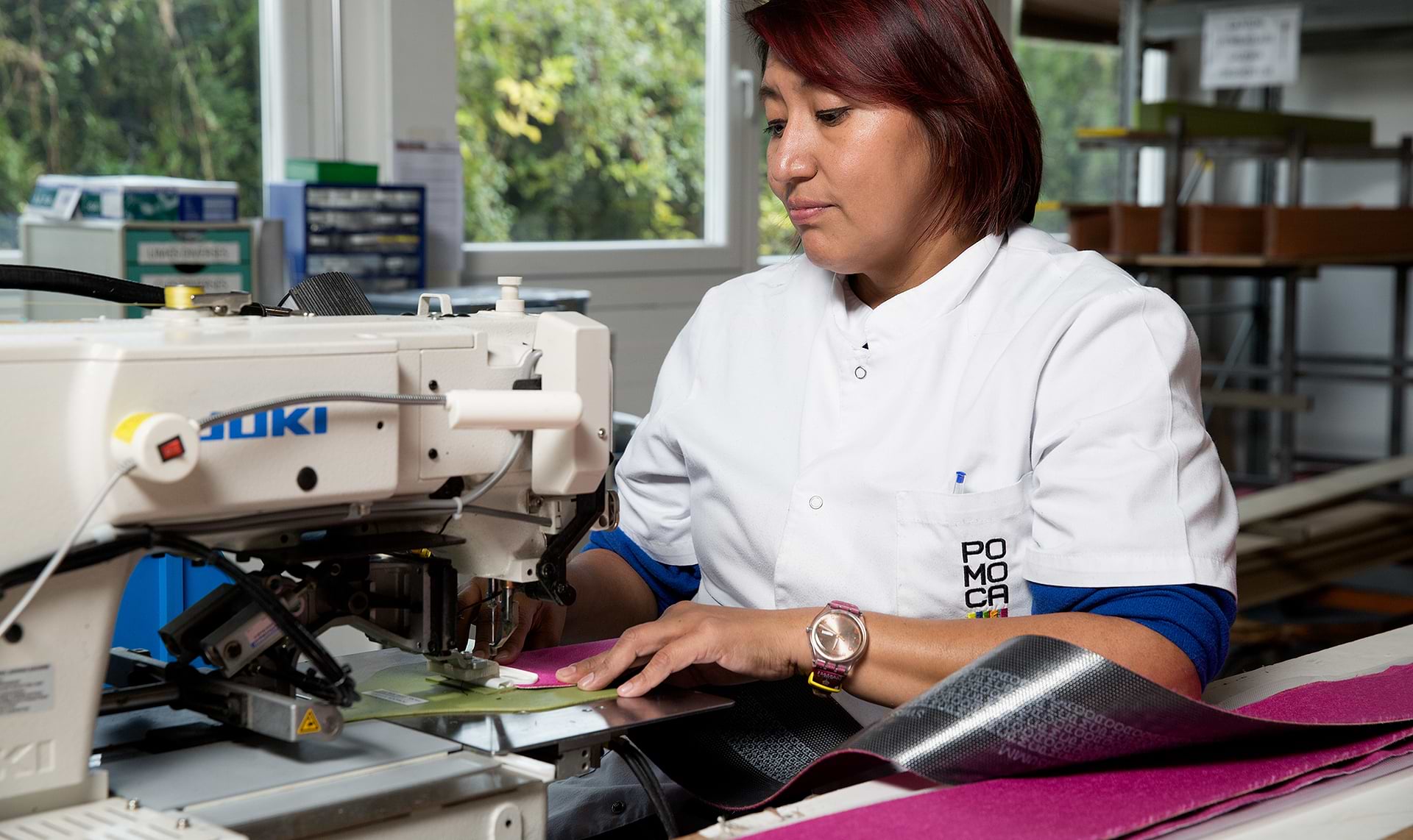
enabling the skins to stick together without using a liner. Liners (or “skin savers,” as they’re colloquially labelled among other brands) are designed to make it easier to unstick skins from each other. Pomoca’s skins are designed to fold and stick together, glue surface to glue surface and pull apart easily without damaging the glue. Liners, meanwhile, can carry plastic solvents that enter the glue and decrease its efficacy.
As one American sales representative told Arthur, “You can change everything on Pomoca skins, but never change the glue.”
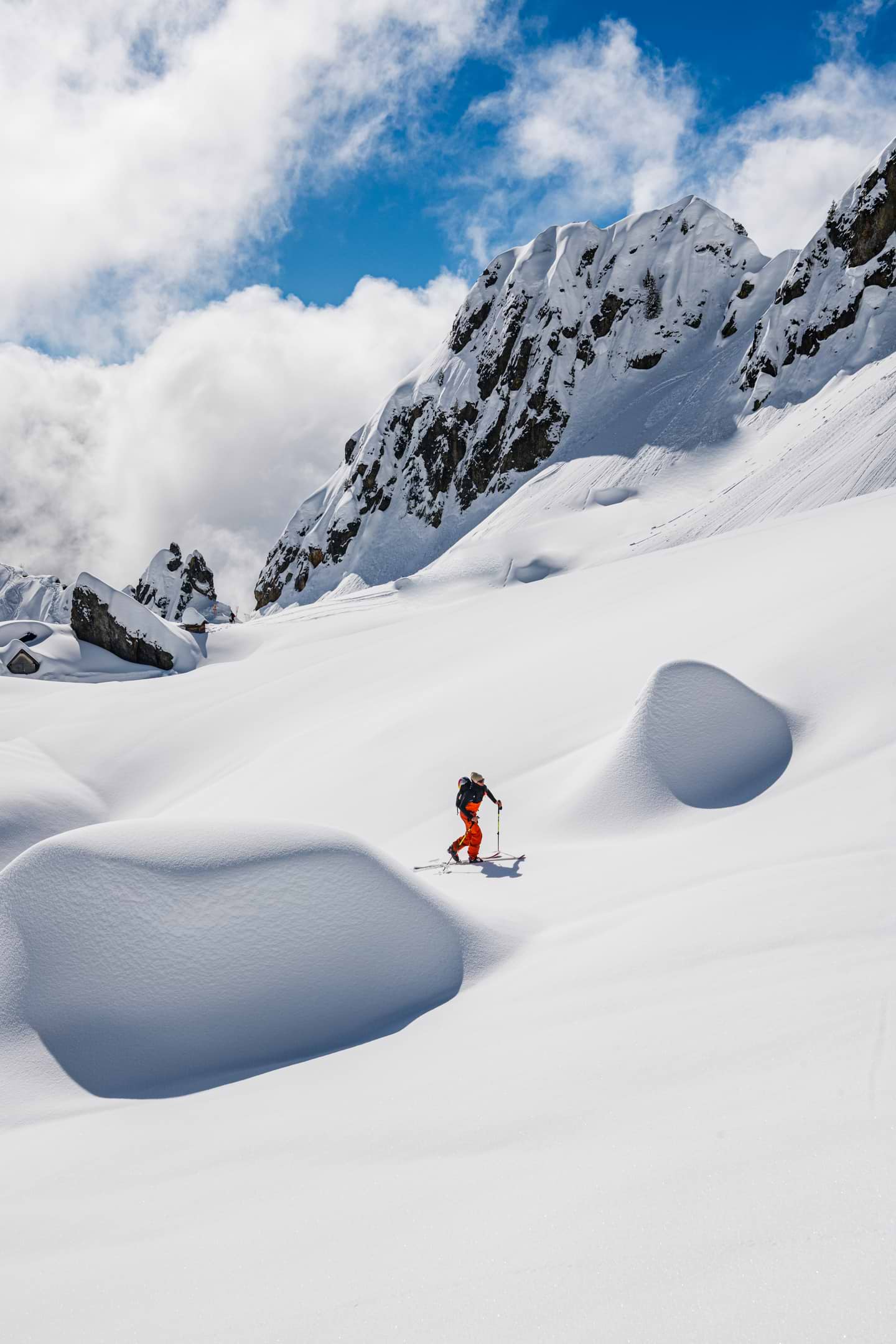
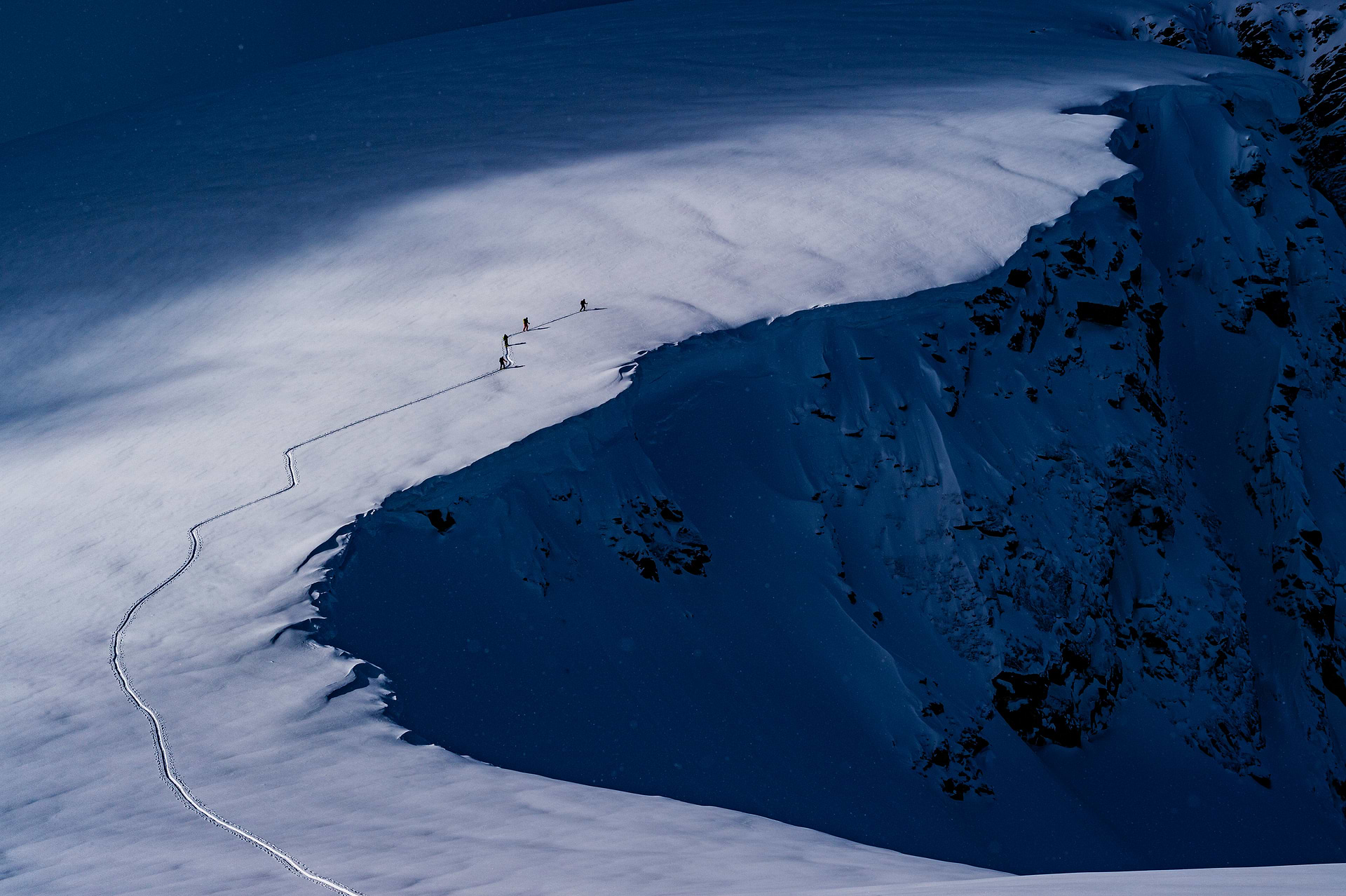
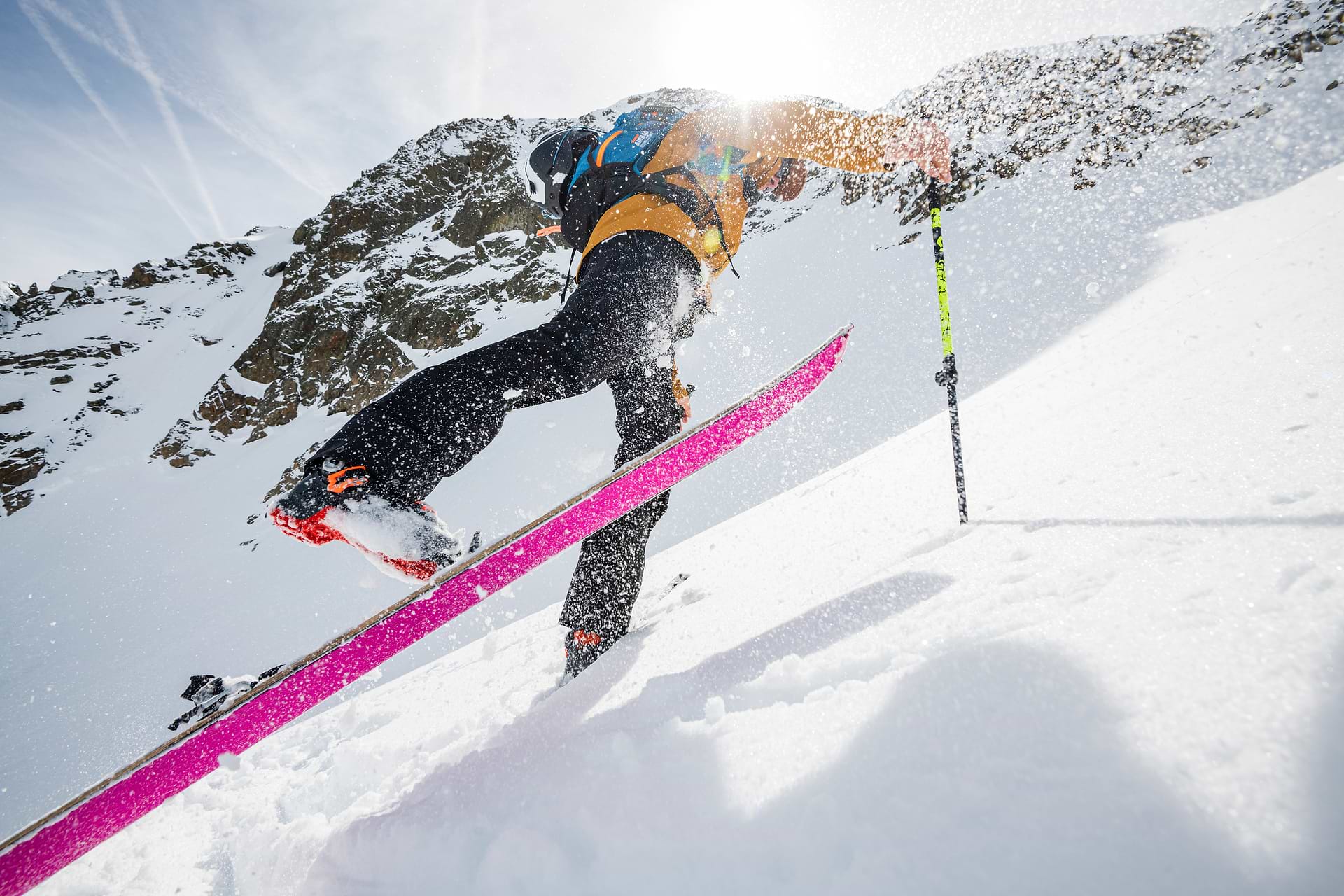
Jérémie Heitz ski touring in his backyard at Les Marécottes in Switzerland’s Trient valley.
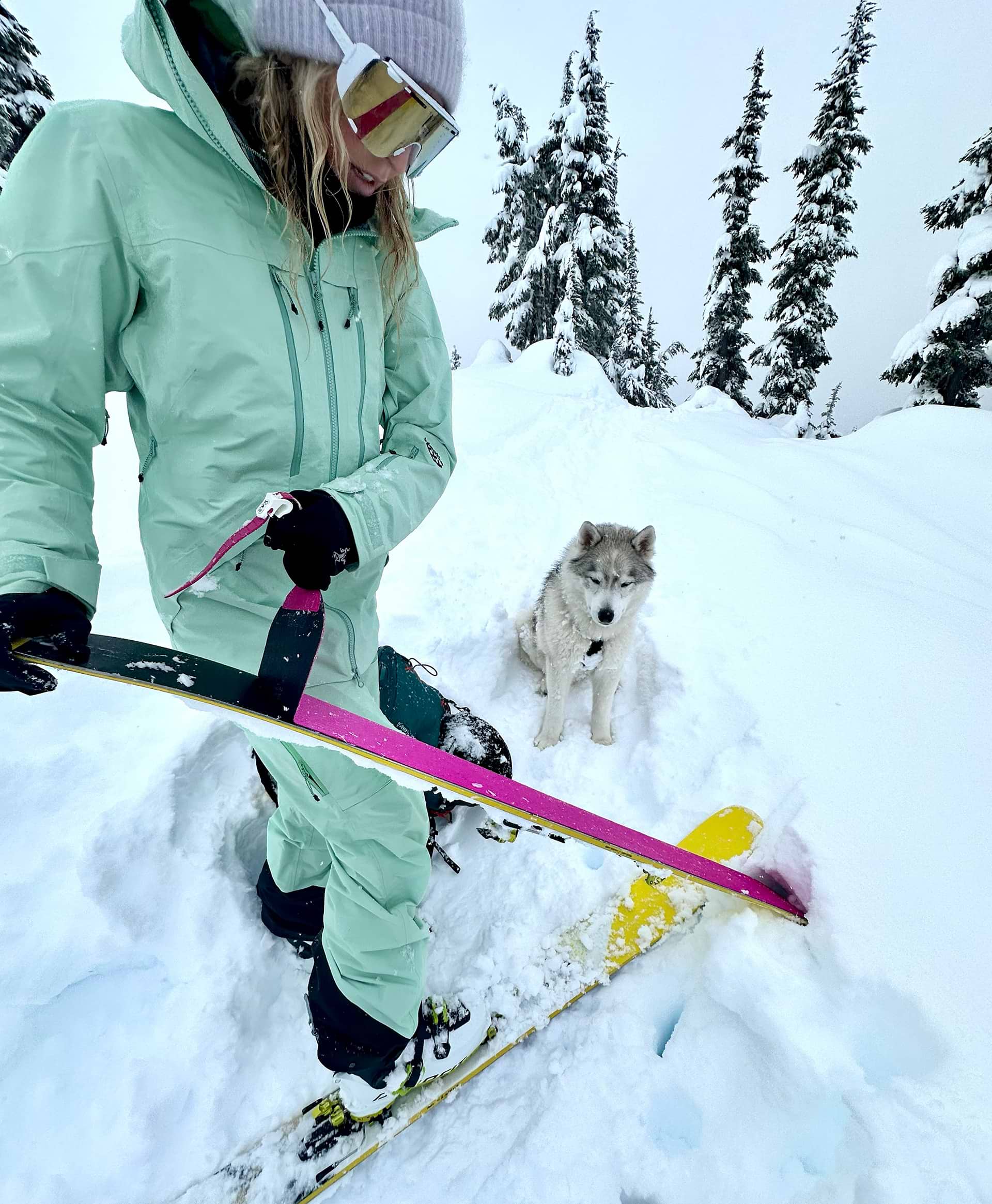
Elle Cochrane is ripping off her skins while Tikaani, a Siberian Husky, patiently waits to sample the power in the Shames backcountry near Terrace, British Columbia.
Jérémie Heitz ski touring in his backyard at Les Marécottes in Switzerland’s Trient valley.
Elle Cochrane is ripping off her skins while Tikaani, a Siberian Husky, patiently waits to sample the power in the Shames backcountry near Terrace, British Columbia.
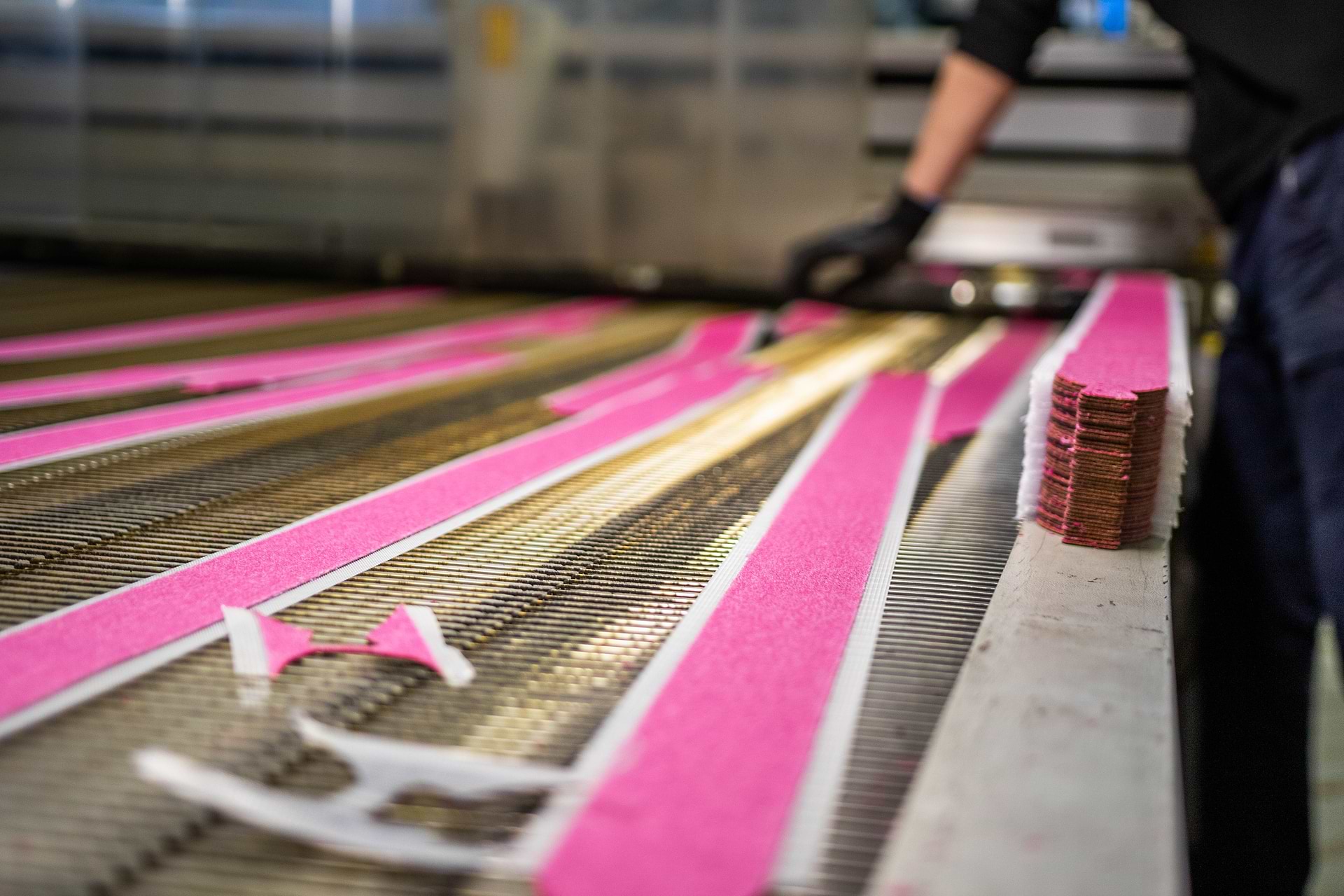
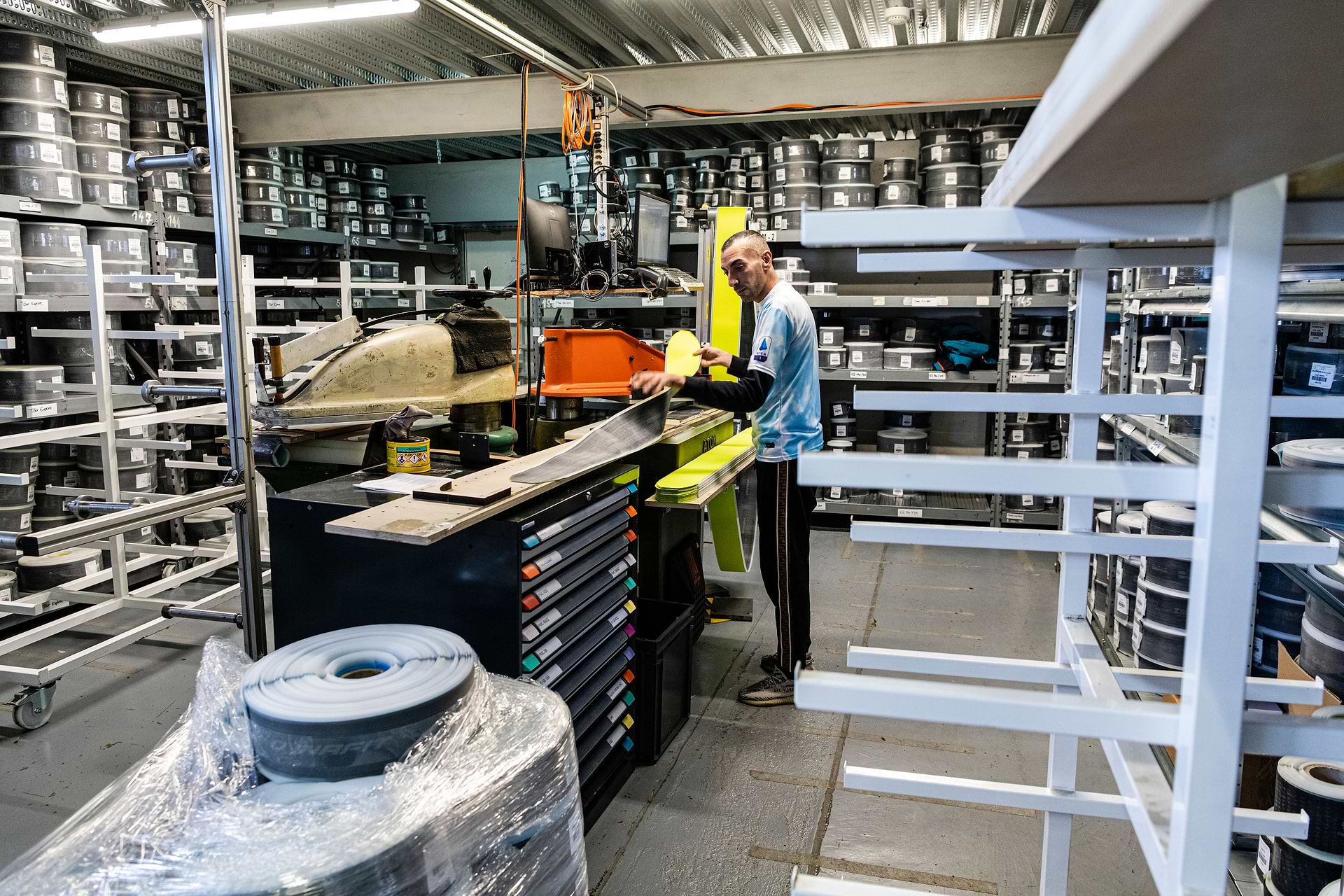
The facility will be fully powered by renewable resources (primarily rooftop solar and hydroelectric energy). All of the company’s machinery is custom-configured for its unique manufacturing process. More importantly, every step of the production process—from weaving and cutting to gluing and colouring—is hand-coordinated by a human technician. After the gluing process, the skins undergo another five steps of human quality control and inspection.
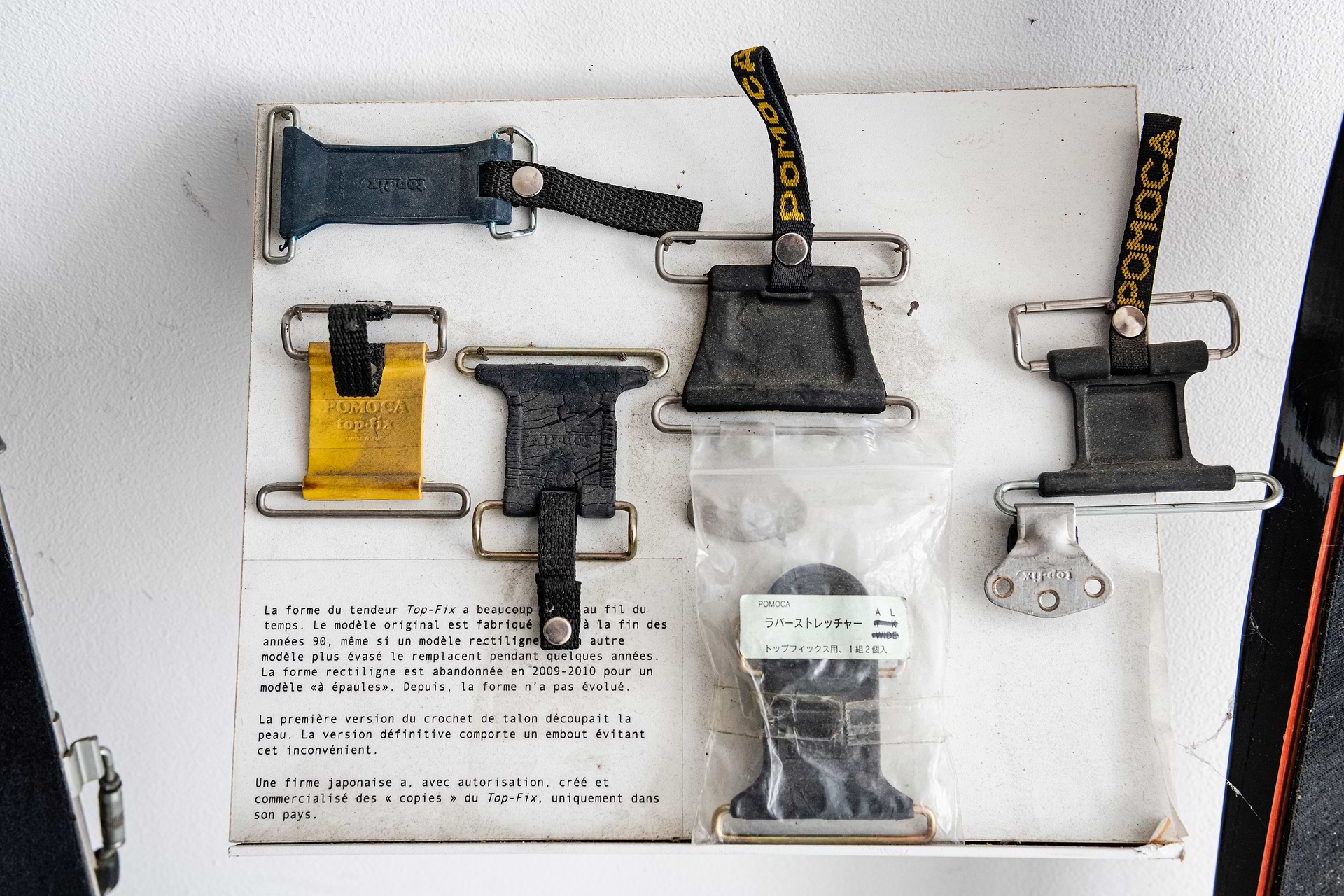
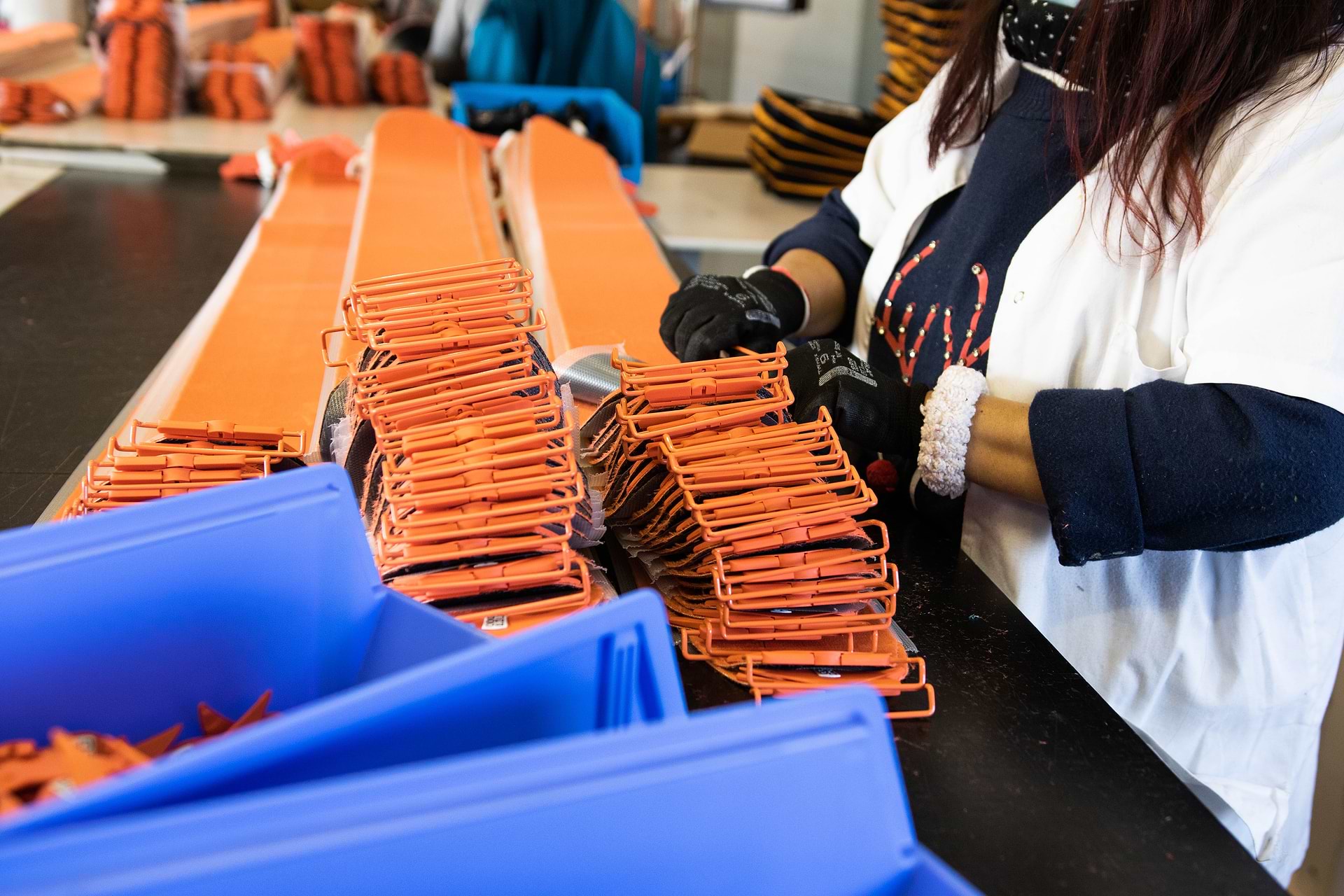
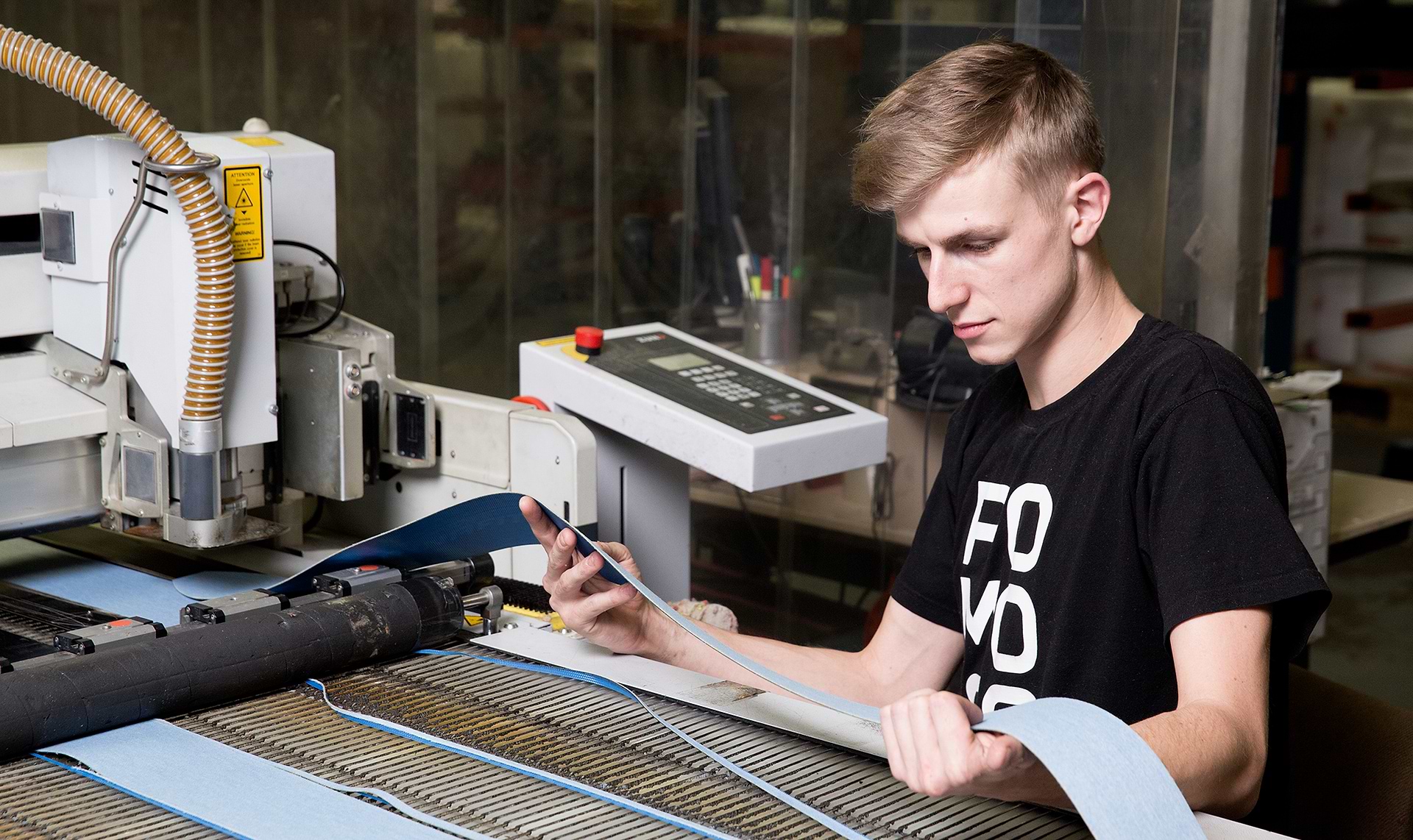
“We always try to have a long-lasting product,” says Guinand. But we [also] advise our customers to repair the product. We built a system of service centres where you can repair the skins. We conform different shops to Pomoca standards to re-glue skins, repair top fix, back fix, stitching, and if you rip the skins, all to have a long-lasting product.”
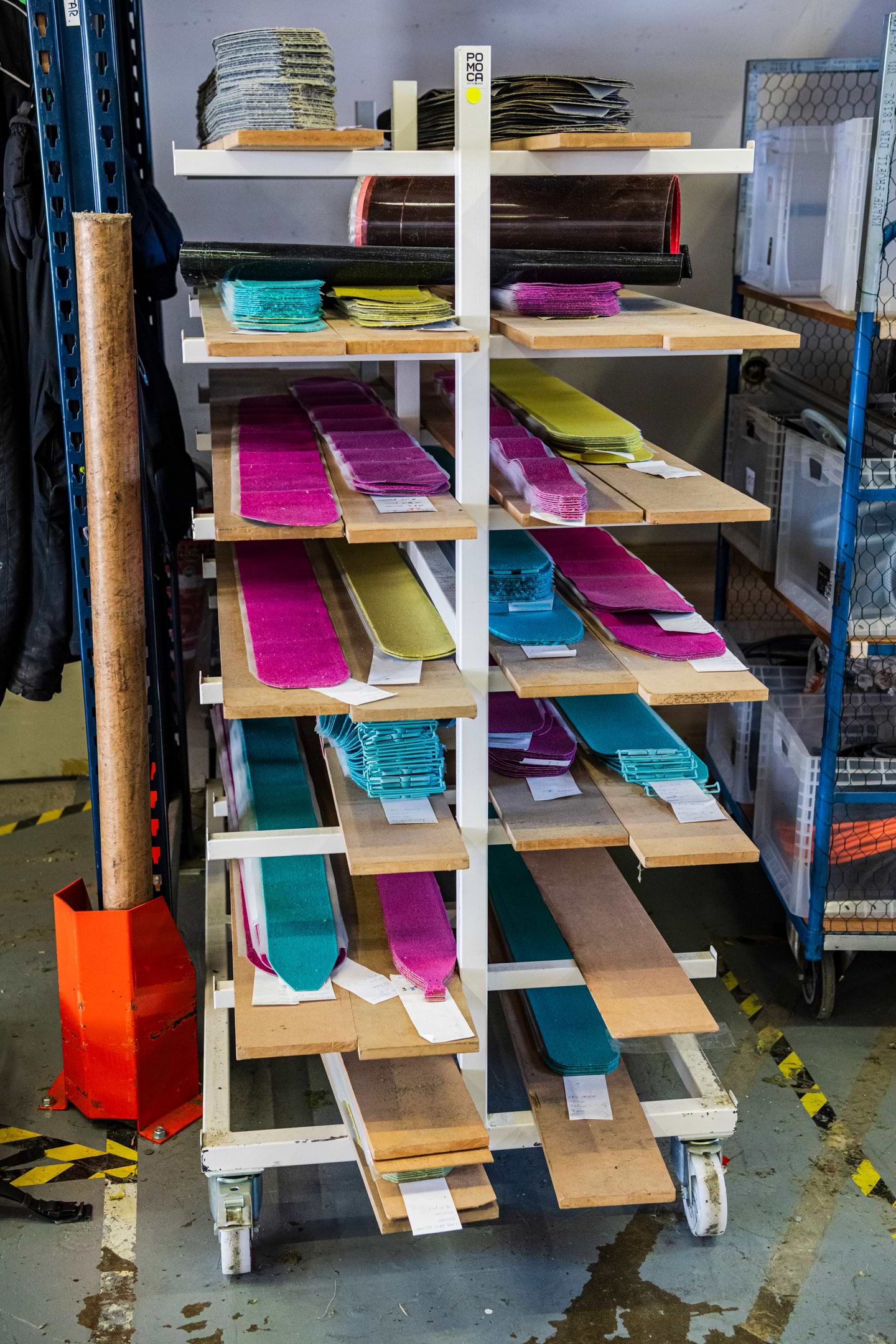
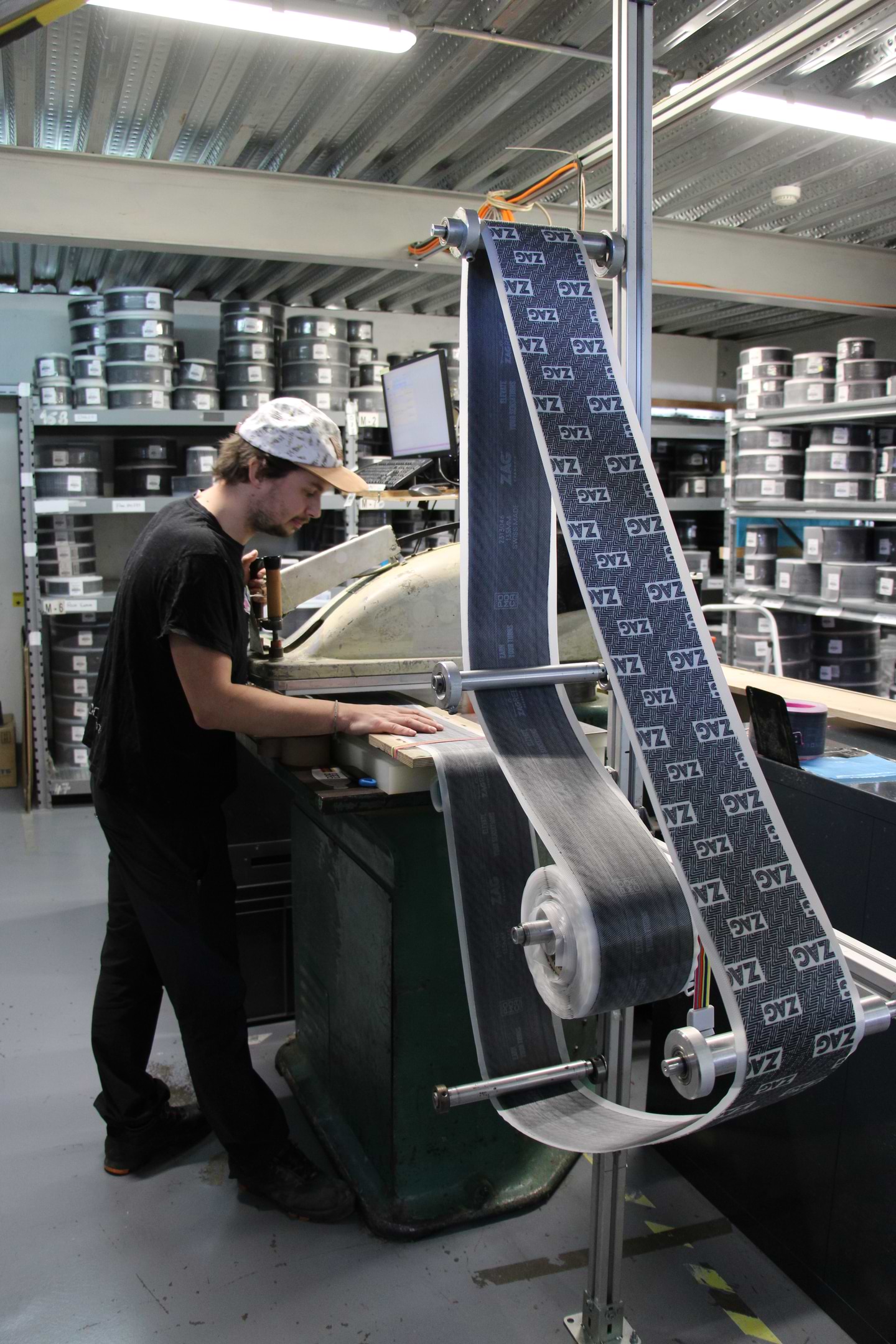
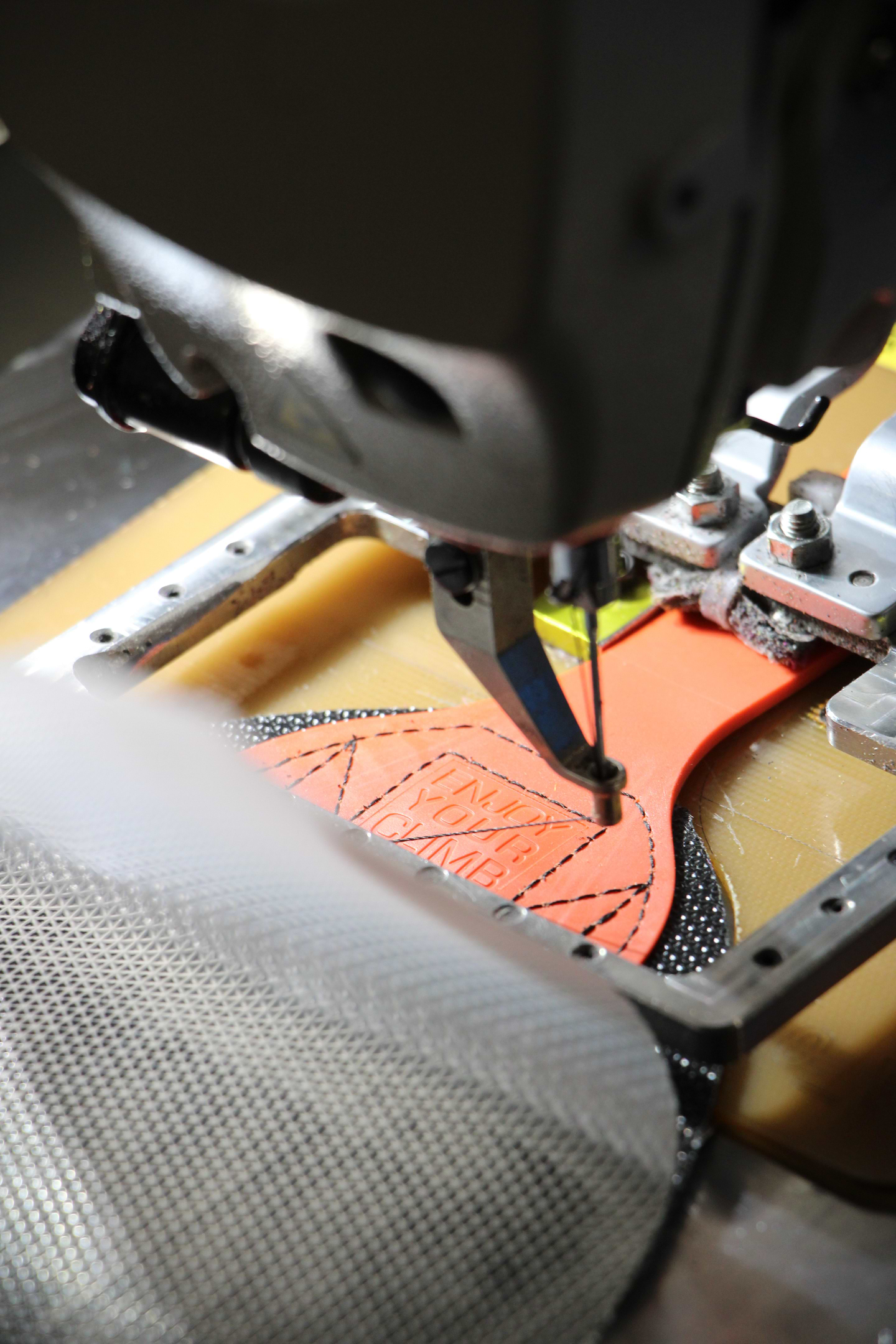
A former skimo World Cup winner served as an intern. Another factory worker from Cameroon had never seen snow before arriving in Switzerland. While Pomoca values a wide range of perspectives, abilities, and backgrounds, it also seeks to increase employee understanding of the product and foster a familial environment through a concerted effort to teach all employees how to ski tour. Given that everyone always has an excellent grip and glides on the skin track, Pomoca’s efforts are likely very successful.

MATTHEW TUFTS is a journalist and photographer focused on the intersection of outdoor recreation, environmental conservation, and rural communities. He’s a born n’ raised Vermonter (the “t” is silent), and skis uphill more than down.
MATTHEW TUFTS is a journalist and photographer focused on the intersection of outdoor recreation, environmental conservation, and rural communities. He’s a born n’ raised Vermonter (the “t” is silent), and skis uphill more than down.
RELATED STORIES