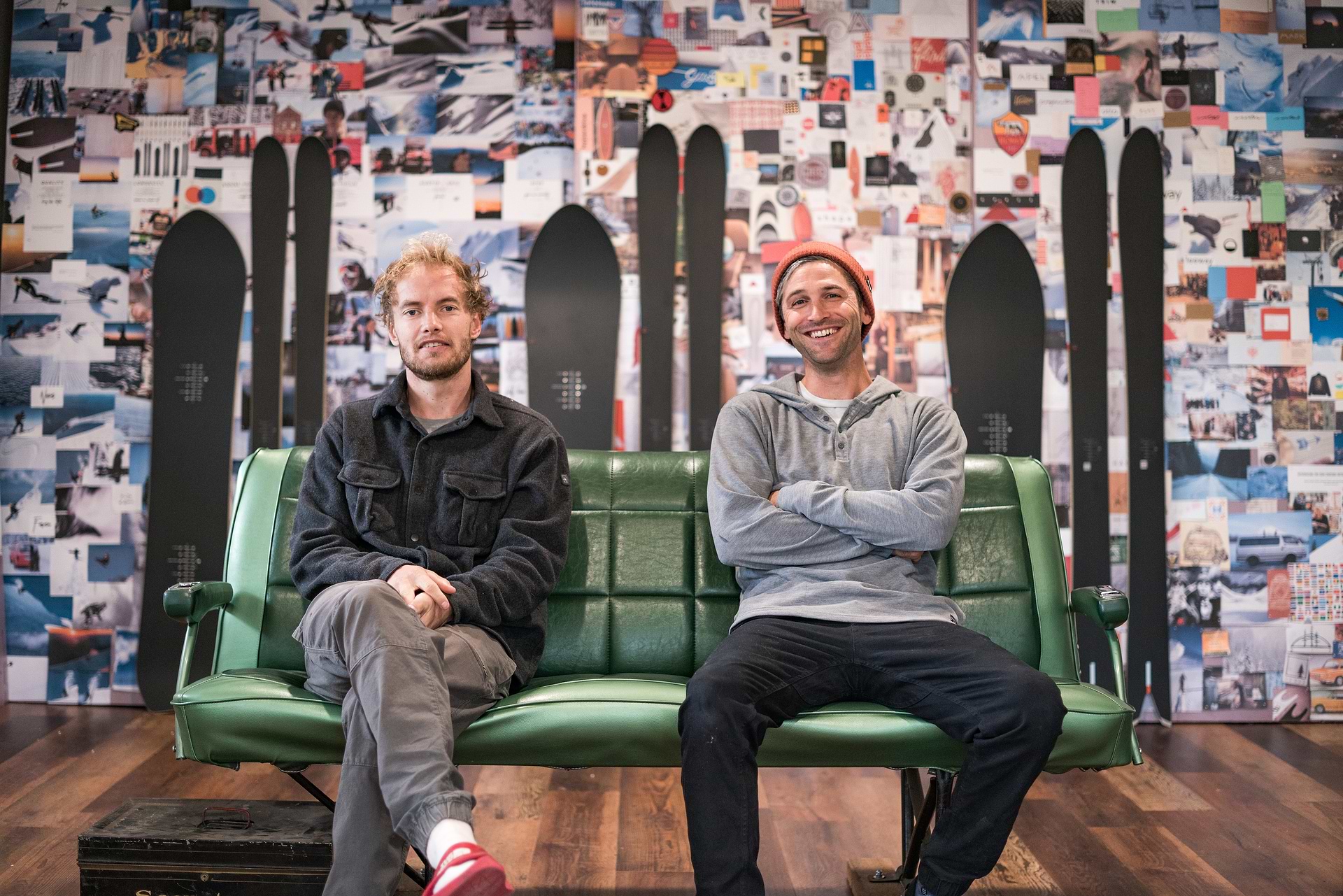
Austin Smith and Eric Pollard in the driver's seat at the first Season Eqpt office in Parkdale, Oregon. Photo: Eric Pollard
you might remember a provocative ad in the New York Times on “Black Friday” 2011 that read “Don’t buy this jacket!” It was a shocking message because the ad had been placed by a leading manufacturer of outdoor clothing — Patagonia. The company was deliberately swimming against the rising tide of consumerism — encouraging people to purchase well-made gear that would last for years — and manufacturers to make fewer things of higher quality.
It took a while, but Eric Pollard eventually drank that Kool-Aid. He knew the ski industry hustle well. He designed his first pro model ski with his sponsor, Line Skis, when he was just 17. In the two decades that followed, it was his job to help design and promote new skis year after year, in the endless cycle of commercialism that encouraged consumers to buy, buy, buy. Most of the changes to the skis each year (if any) were minuscule, or just new graphics on top sheets. It was mostly marketing with very little actual design innovation.
a longtime marketing director for Line, and product engineer Andy Hyjtan (formerly of Armada and Line) to launch Season Eqpt. — a ski and snowboard brand that aims to create a more simplistic, long-lasting approach to snowsport hard goods. Even the company name is stripped down to the basics.
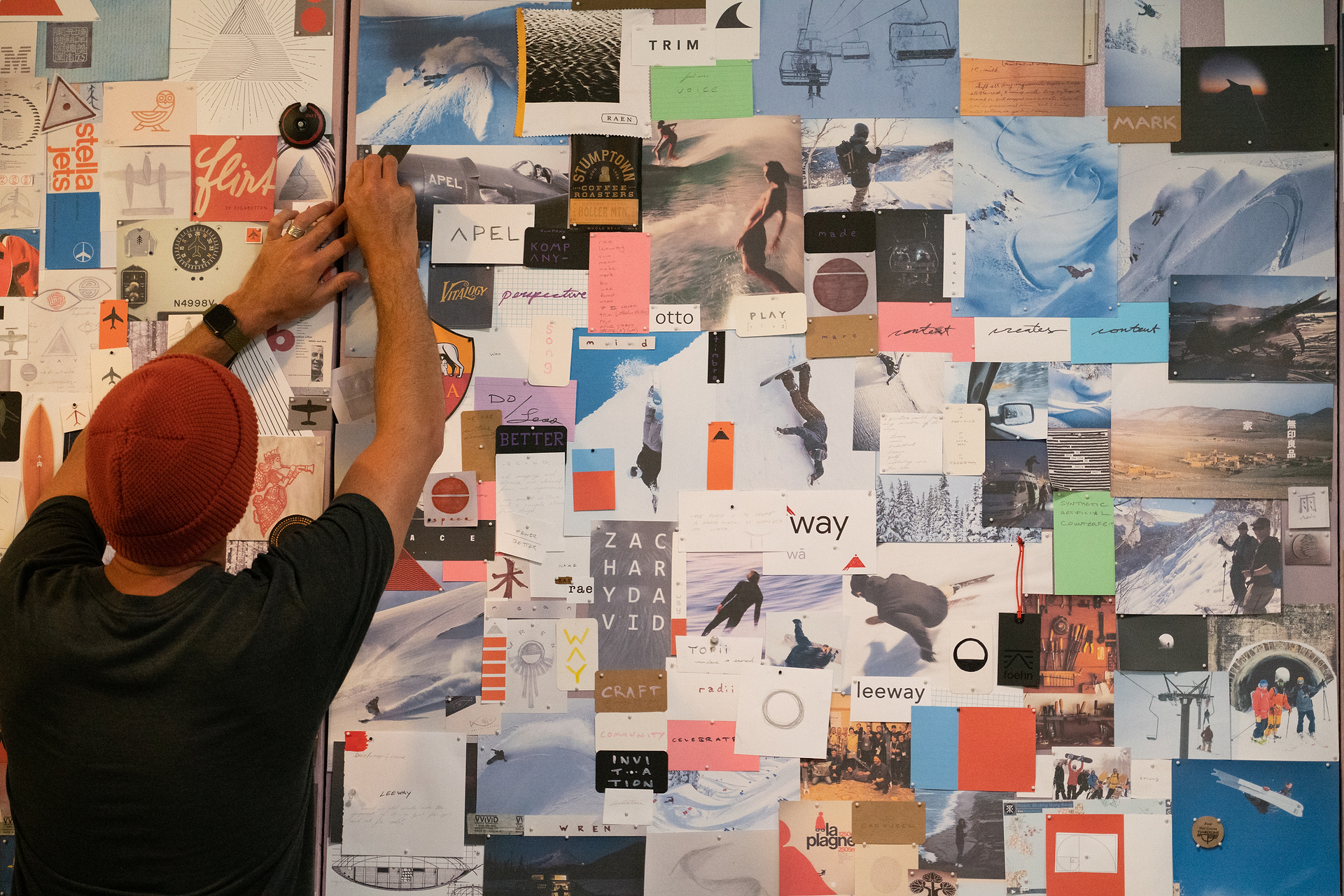
Pollard figured there had to be a better way. “Collectively, our team has experienced the outdoor space for a long time. We wanted to do things differently,” Pollard says. “Specifically, the idea came from the concept of offering something to our community. We decided to just tell it how it is. Let’s not try to pull one over on anyone.”
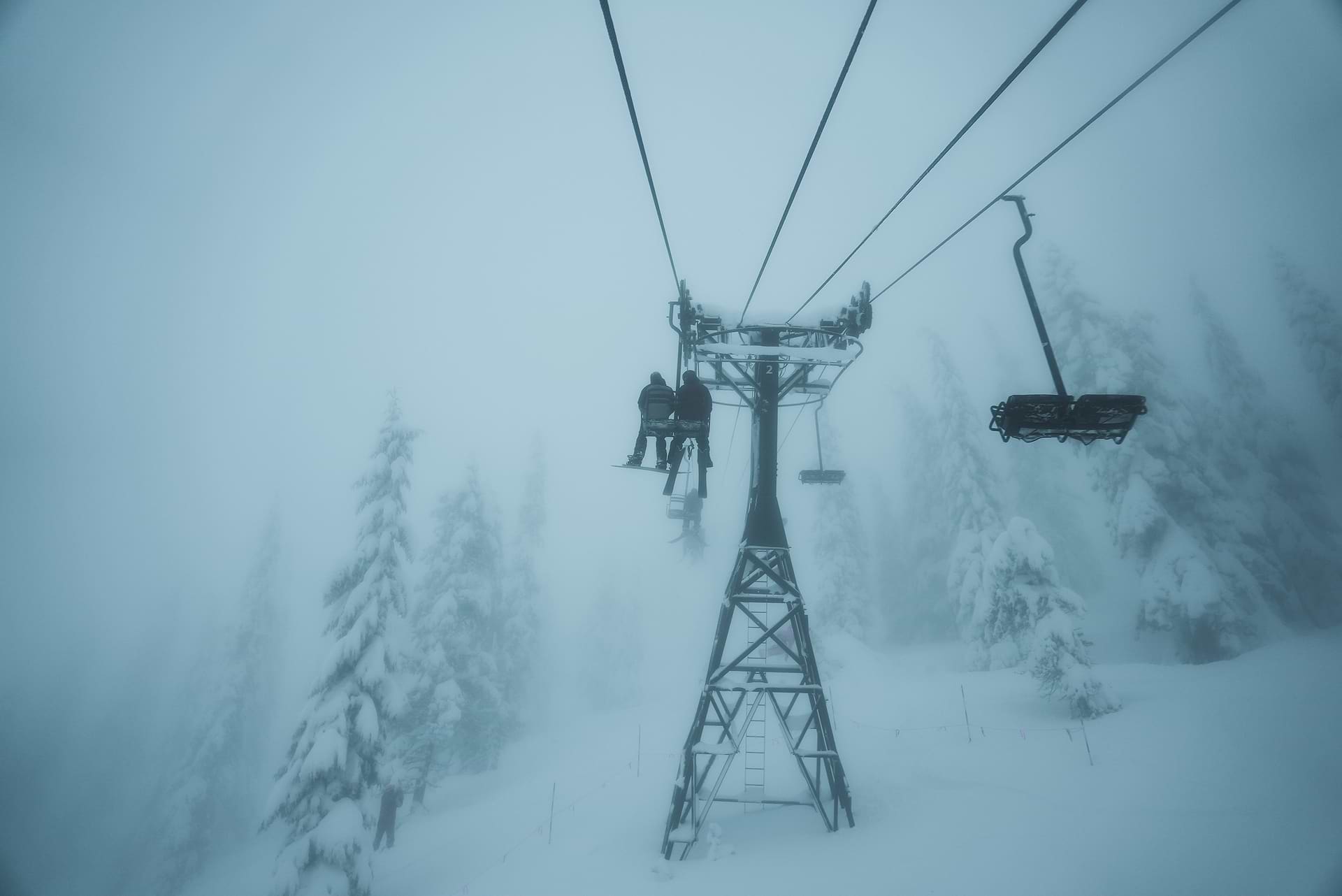
Chairlifts are a common theme in Season's imagery, representing connection and shared access to mountains.Photo: Eric Pollard
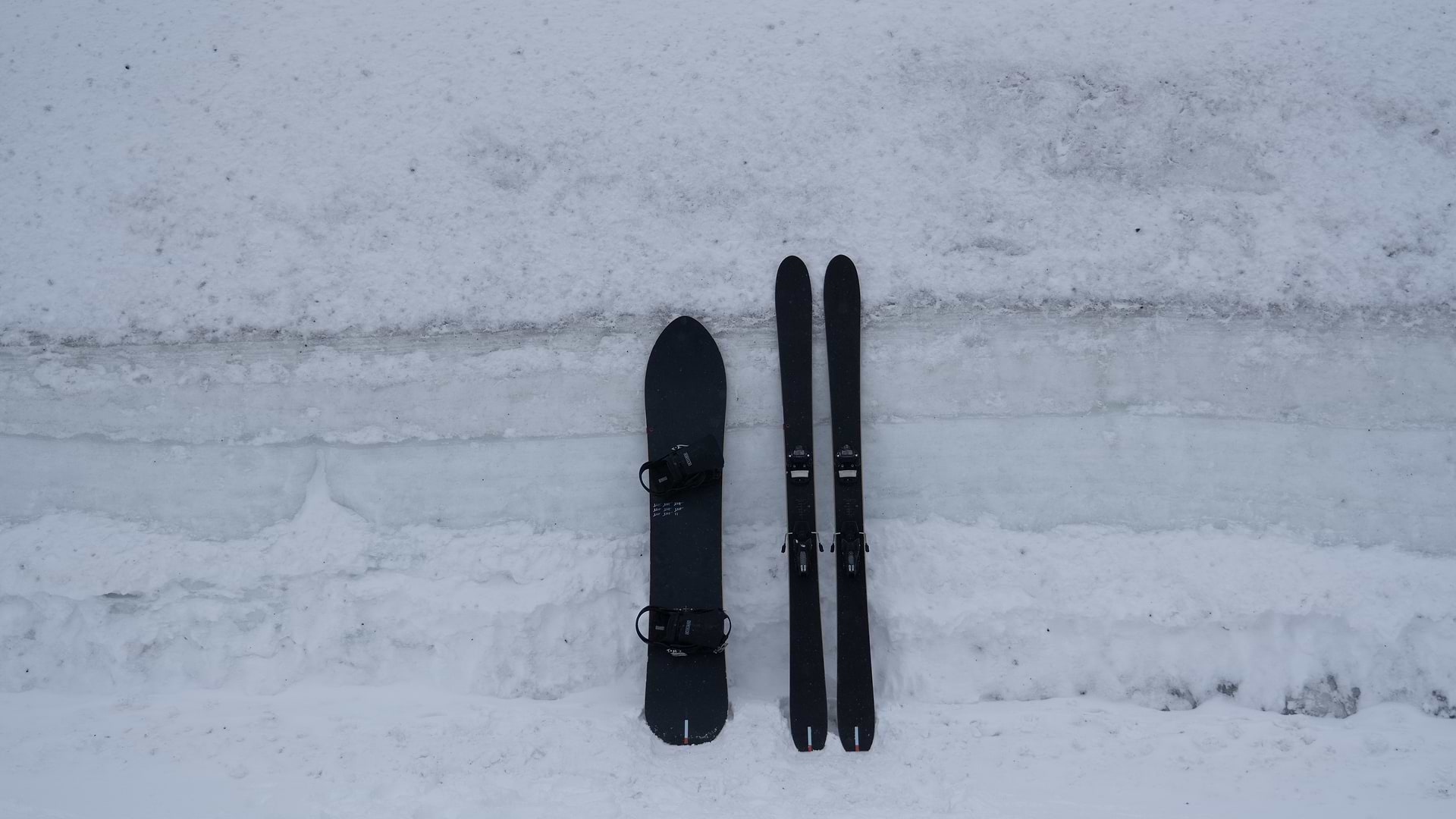
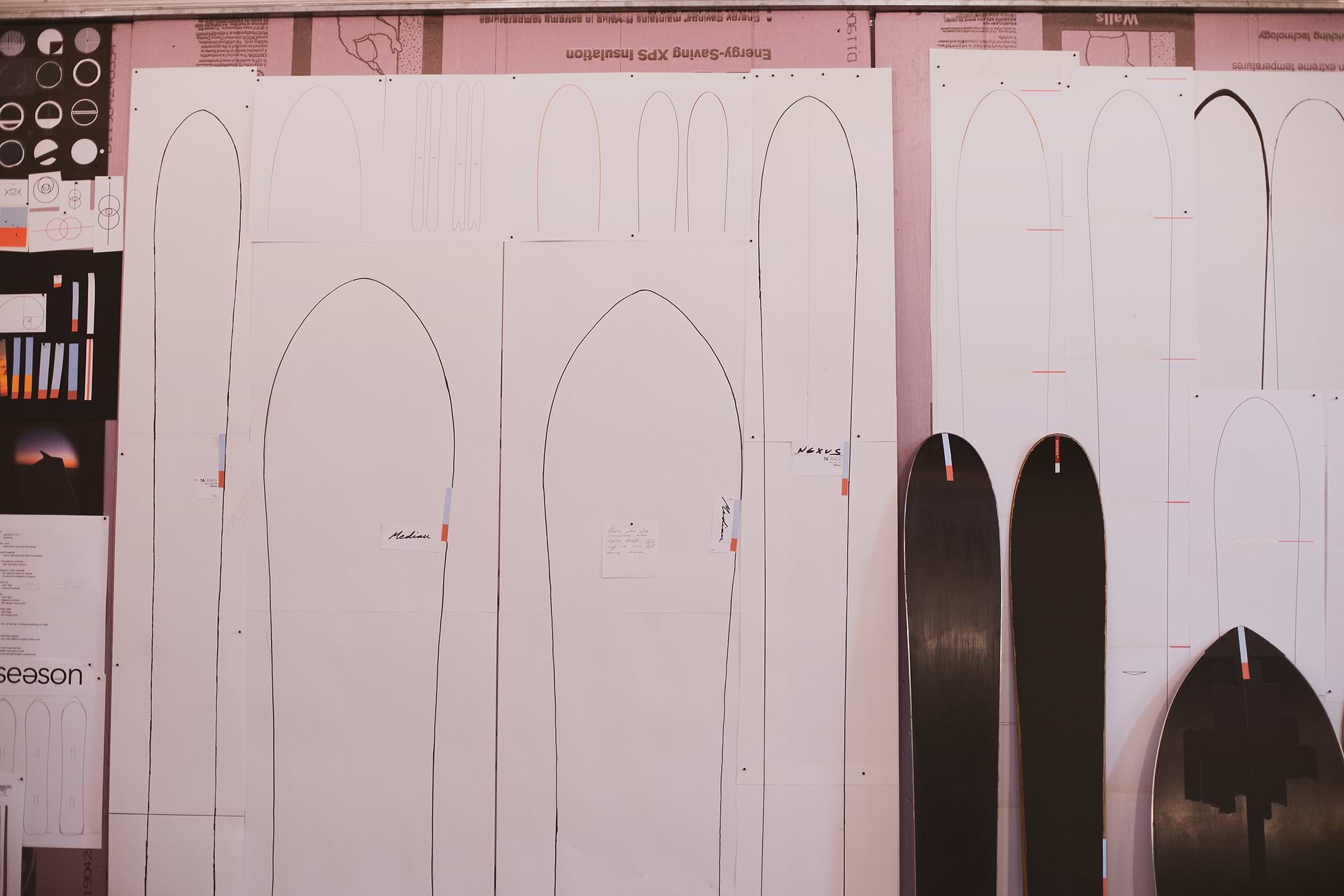
The Nexus is Season's flagship shape, available in most sizes and designed to be the most versatile. Photo: Eric Pollard
Chairlifts are a common theme in Season's imagery, representing connection and shared access to mountains.Photo: Eric Pollard
The Nexus is Season's flagship shape, available in most sizes and designed to be the most versatile. Photo: Eric Pollard
(they have offices in Seattle, WA, and Mount Hood, OR) launched with just three models of snowboards and three skis made in the same Austrian factory that produces gear for Atomic and Salomon. It’s quite a contrast to the big hard goods companies, which often have dozens of different models.
“Decision fatigue is real, we wanted to tighten the lineup to help people choose when buying our skis and boards.”
Eric Pollard
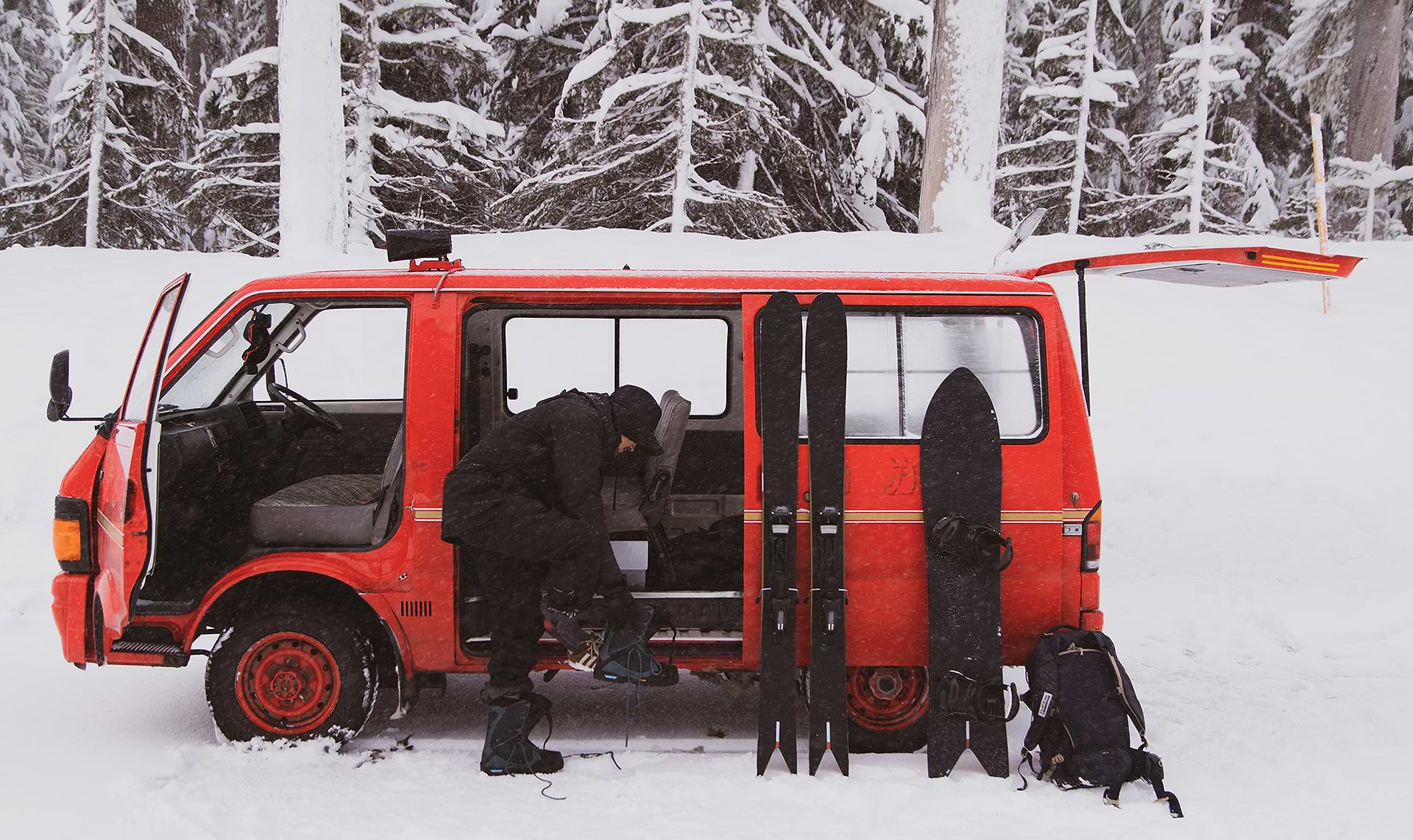
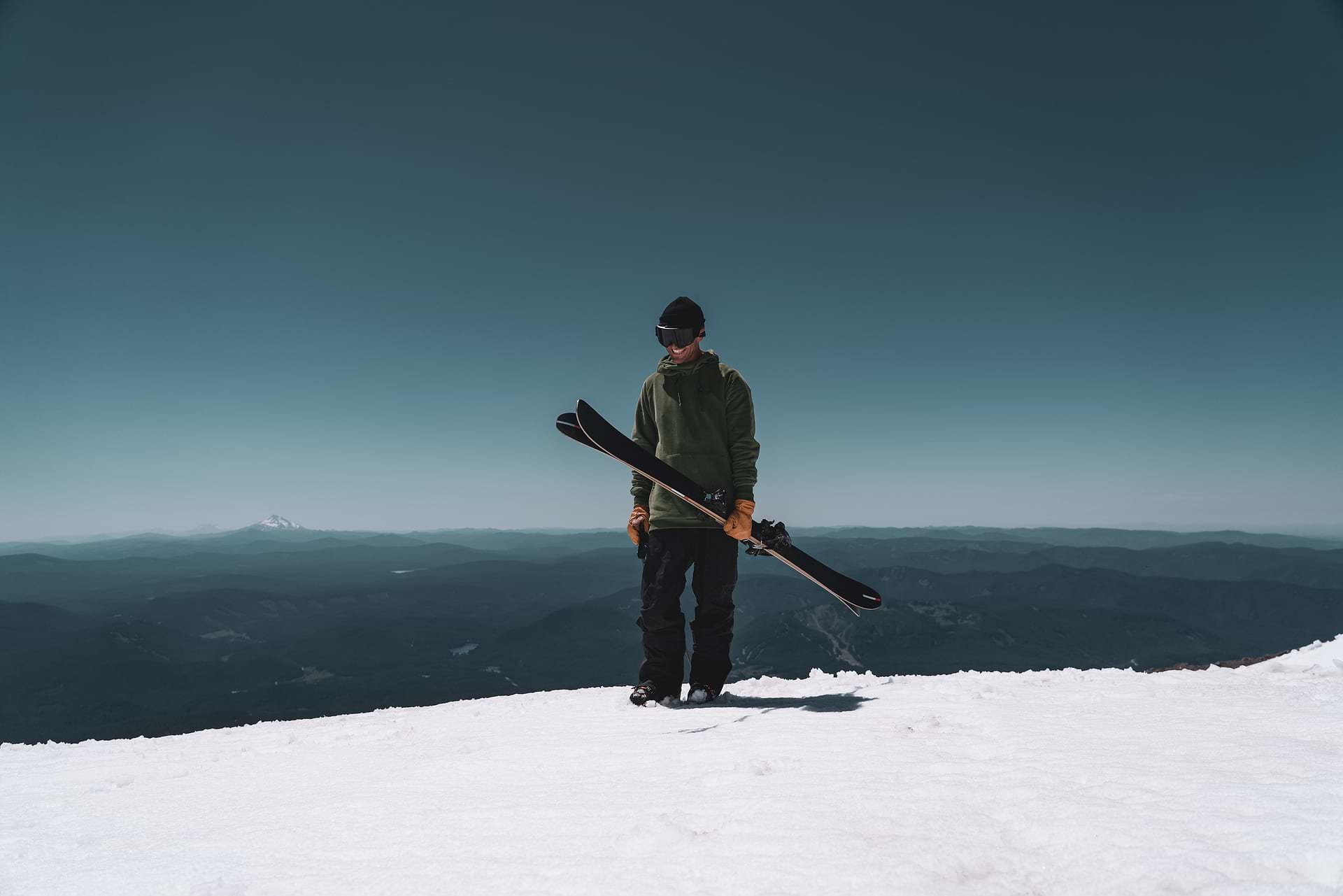
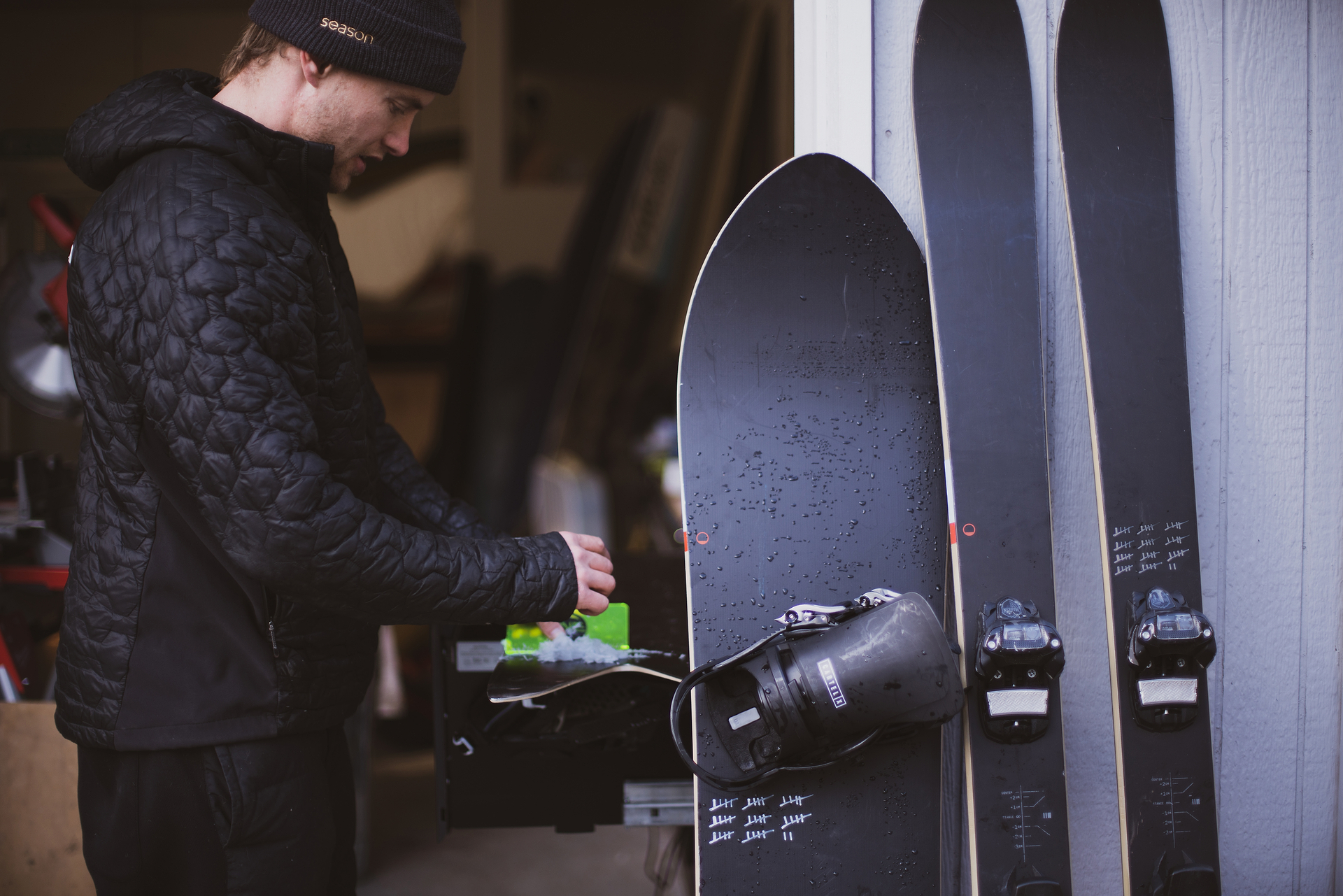
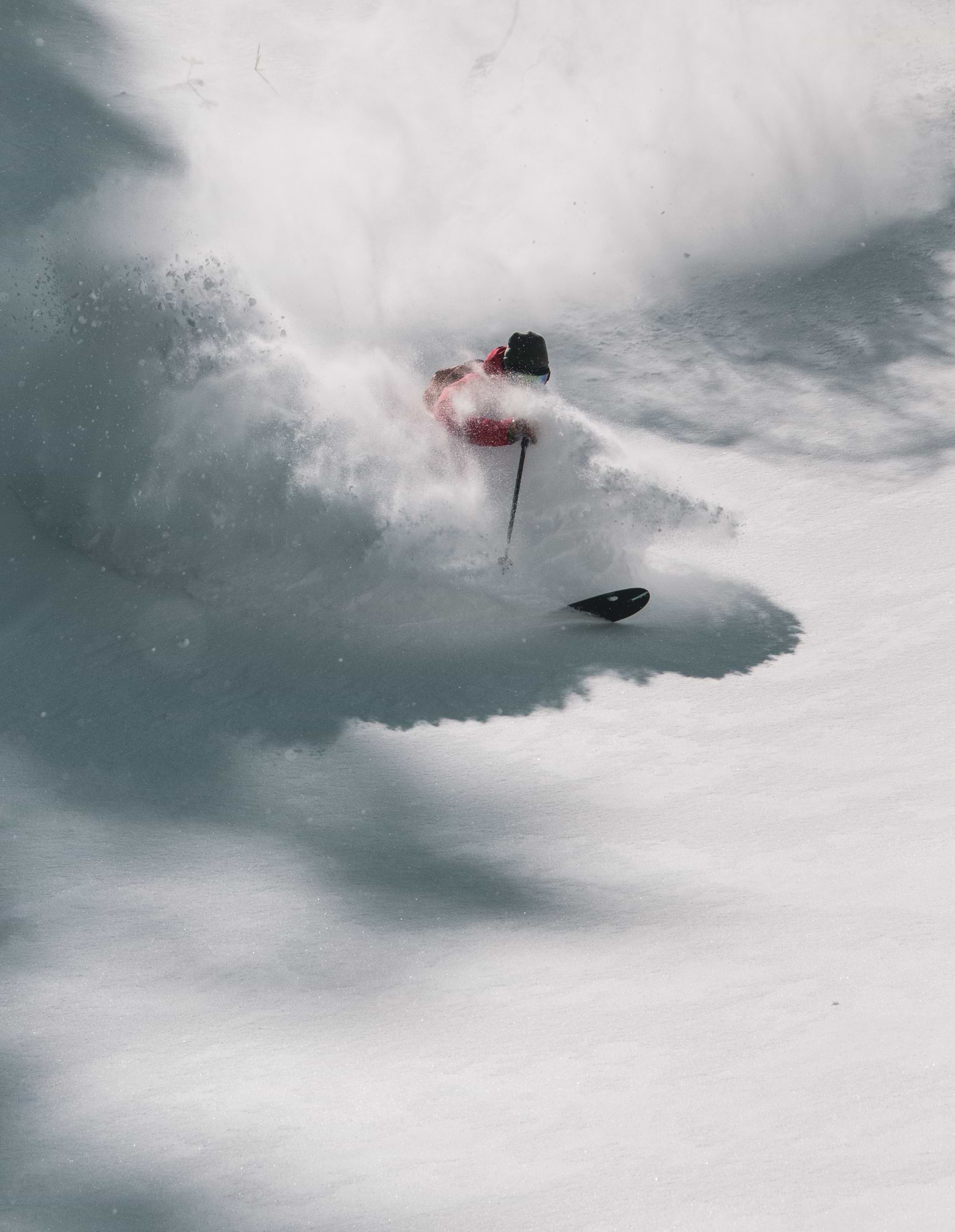
Early testing of the Forma in Eric Pollard’s backyard of Mount Hood.
Photo: Zach Almader
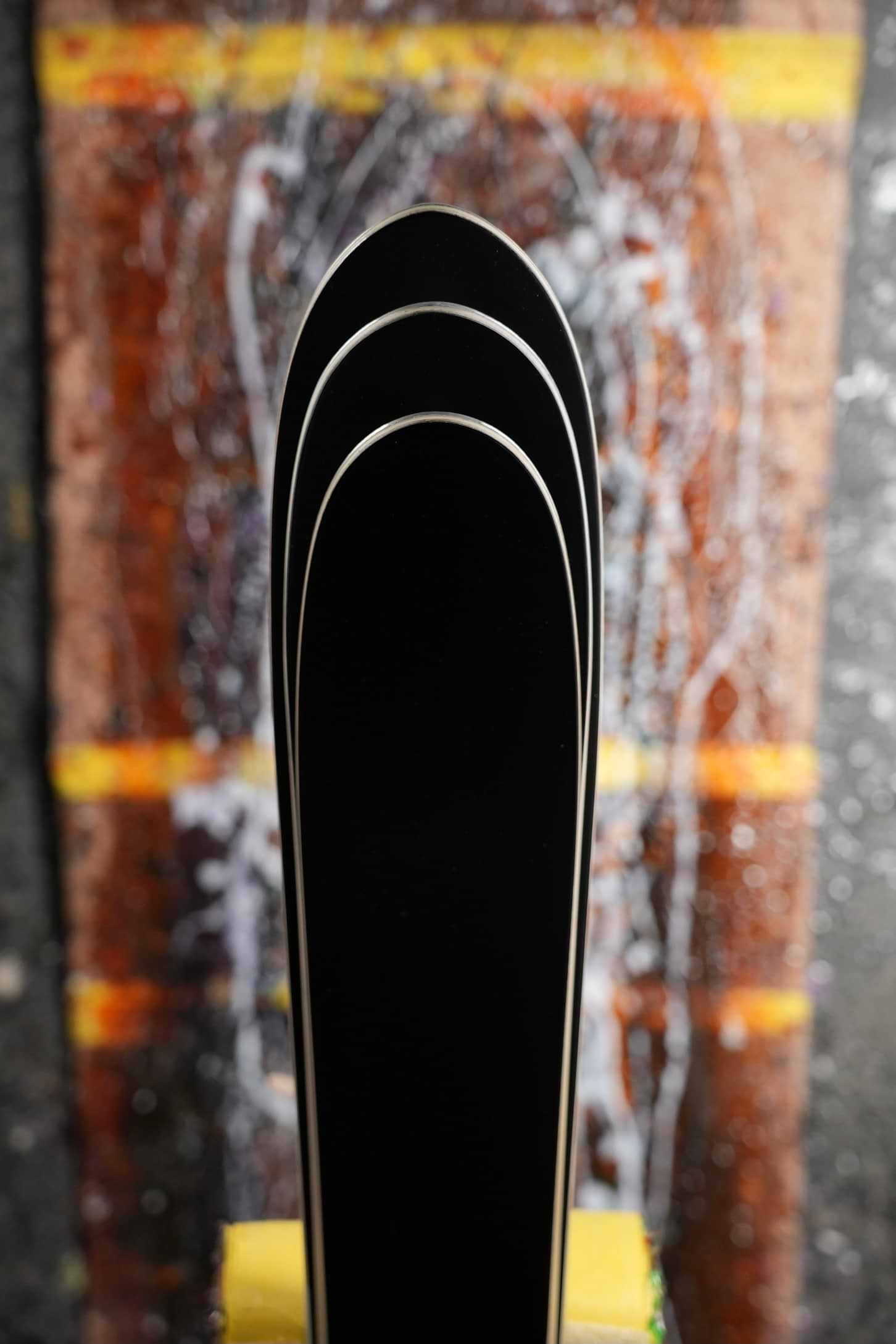
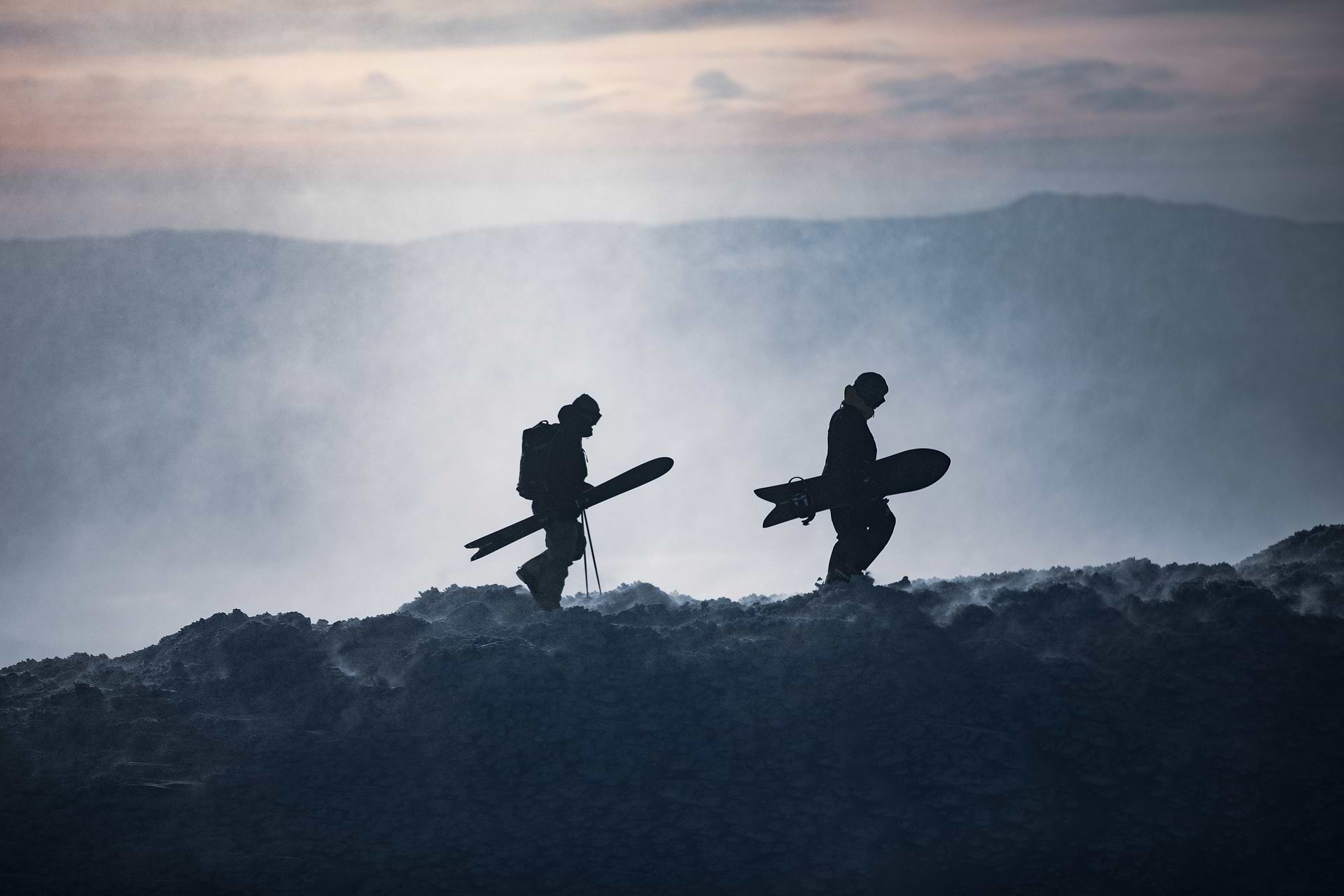
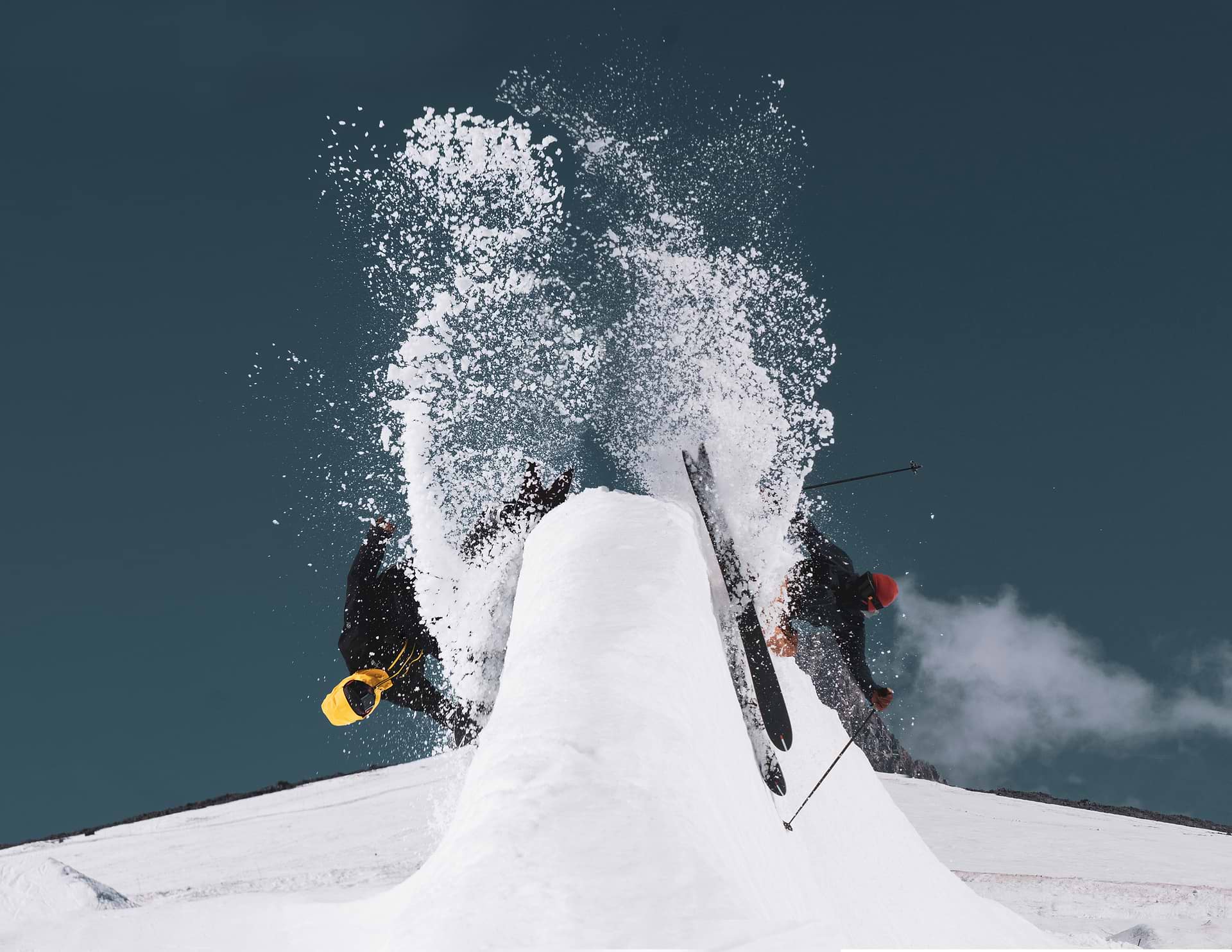
Season’s initial offering of skis is built to excel in soft, mixed, and firm conditions and shaped for versatility to be capable in any terrain.
Photo: Eric Pollard
Early testing of the Forma in Eric Pollard’s backyard of Mount Hood.
Photo: Zach Almader
Season’s initial offering of skis is built to excel in soft, mixed, and firm conditions and shaped for versatility to be capable in any terrain.
Photo: Eric Pollard
Season has expanded to five models each of skis and snowboards, a lineup that spans the full range from hard-snow cruisers to powder-hunting skis to ultra-light backcountry boards. The idea, still, is to encourage users to choose products that last and to get off the conveyor belt of consumerism.
“We wanted to create a brand that asked the community to rethink their relationship with their equipment. Instead of being encouraged to buy every year, we wanted to encourage people to hold onto their equipment,” Pollard says. They did that by designing durable, long-lasting gear constructed from tried-and-true materials and offering free and discounted tunes and services for the product’s lifetime through Evo, the brand’s lone U.S. retail partner, and Rhythm Service Centers in Japan.
Season Eqpt. gear is sold directly online and through Evo shops in the U.S., Rhythm shops in Japan, and Blue-Tomato stores across Europe. Every ski and snowboard purchased comes with a free mount, unlimited free machine waxing services, free standard tunes yearly, and discounts on additional repairs.

is putting snowboarding and skiing on equal footing, which no other brand in the space is doing. “Instead of building further fences, we thought maybe there’s enough overlap to build a brand that does both,” Pollard says. “Season is a company made of skiers and snowboards. So, we make skis and snowboards.”
They also wanted to create unisex skis and boards. “My experience over the years is that a lot of the skis I’d designed were essentially co-opted with different top sheets and marketed as women’s skis,” Pollard says. “It was the same product.” Instead of men’s and women’s skis, Season’s offerings run on a broader size range, offering lengths suitable for people of all heights and builds.
In skiing, Pollard has often challenged the status quo. As a co-founder of the ski film company Nimbus Independent, the artsy films he created were like nothing the ski industry had seen before. As the visionary behind some of the most cutting-edge ski top sheet graphics and ski shapes of the 2000s, Pollard first introduced the idea that graphics could span both skis, creating a cohesive look when the skis were side-by-side.
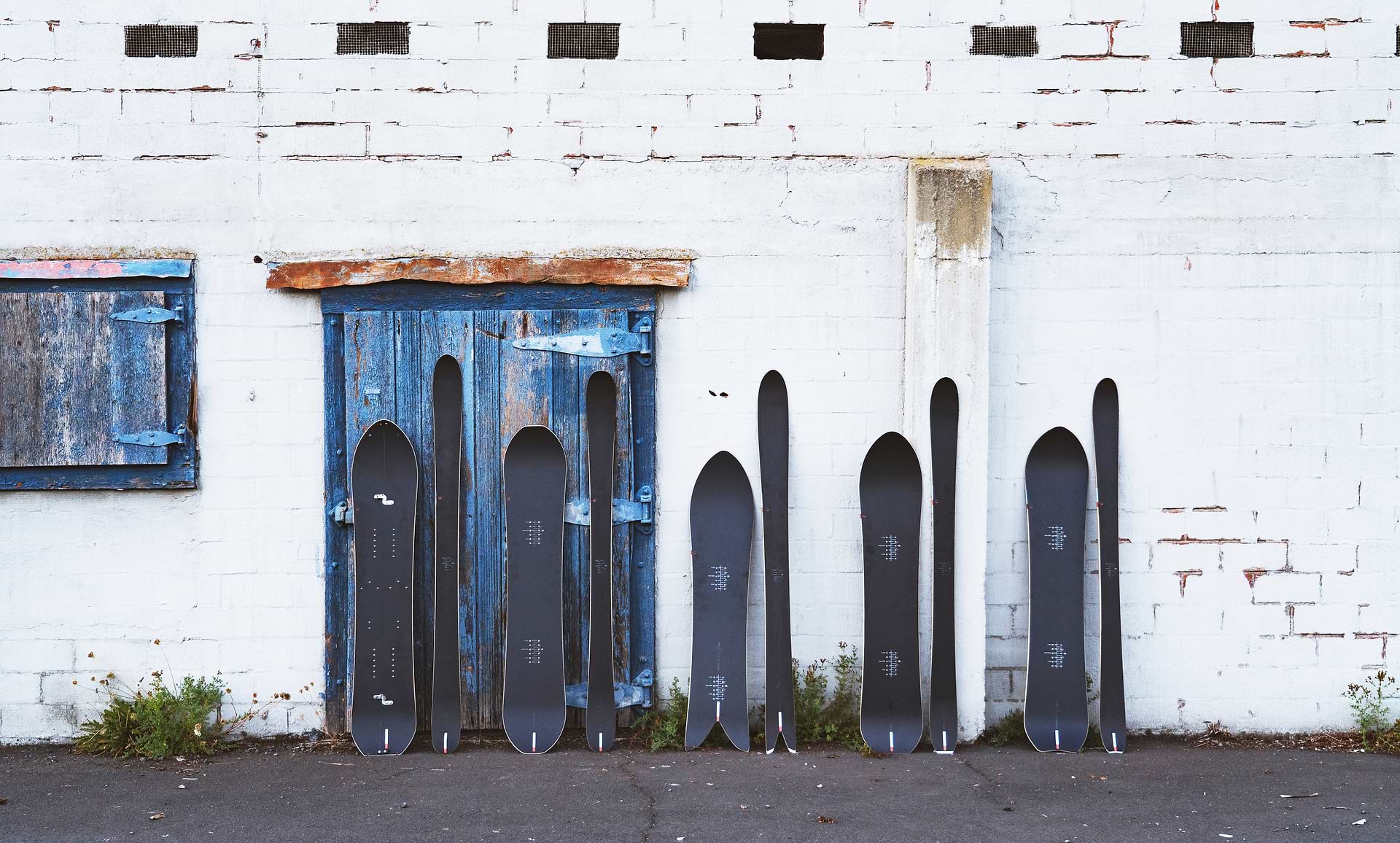
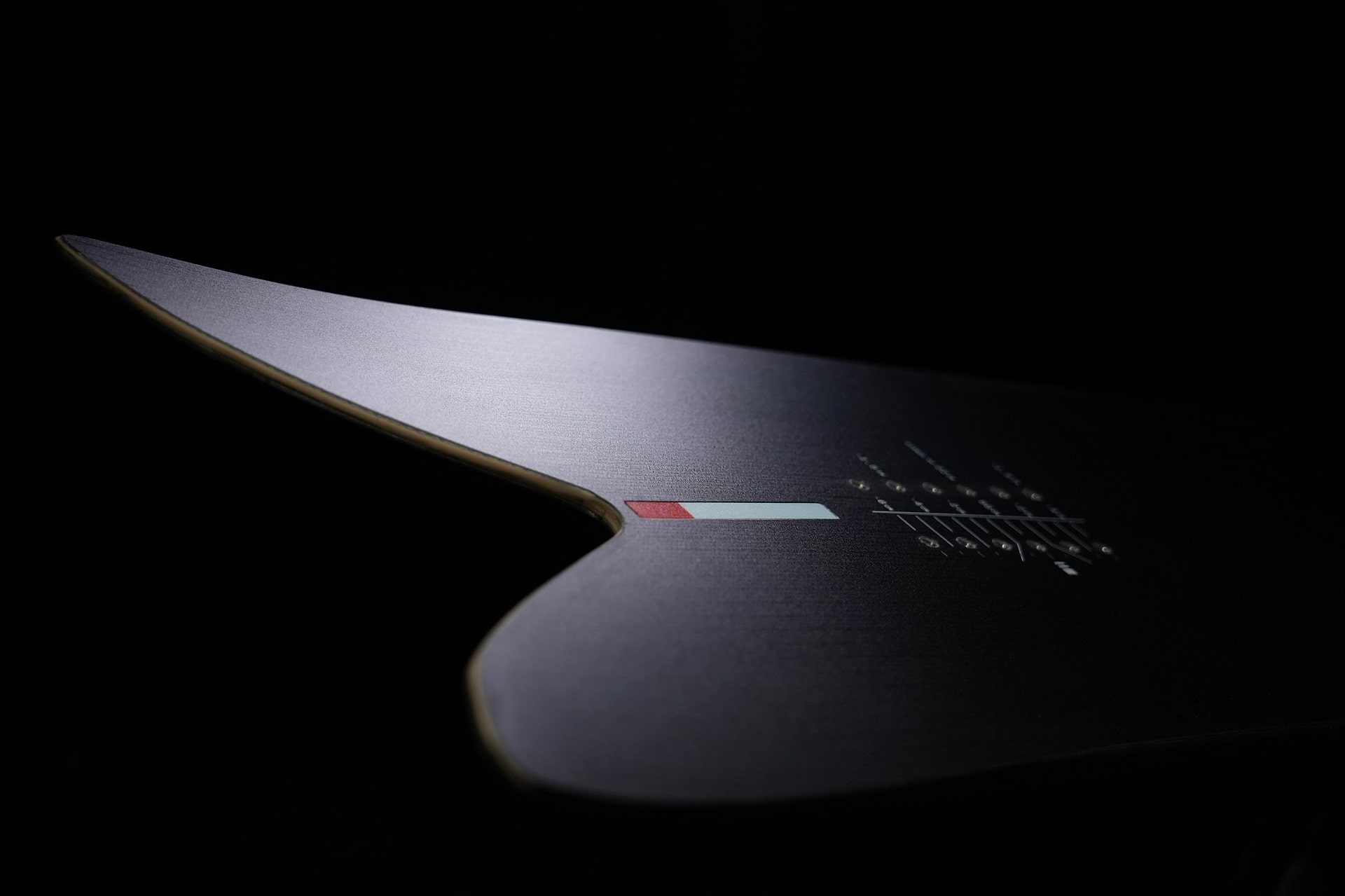
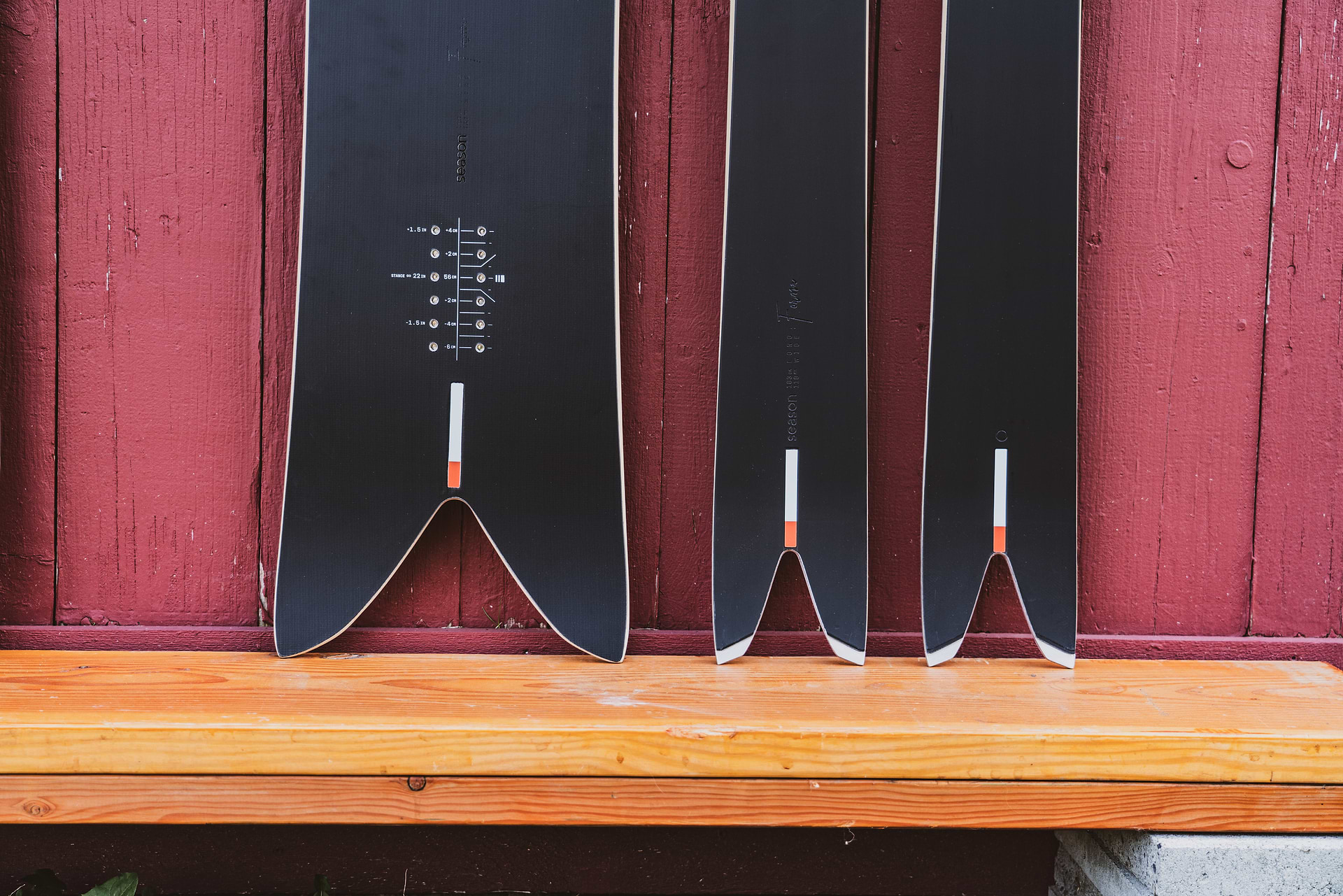
The avant-guard became normal, and every lift line I was in felt as if it was filled with skis I designed 20 years ago,” he says. “With Season, we went the opposite direction. We had to choose a graphic we could live with for a long time. So, we chose black.” All the skis and snowboards in Season’s lineup are a solid, matte black, a classic, simplistic style that should look timeless in the years to come.
At this point, just a couple of years in, Season is a grand experiment still finding its own path. But so far, they’ve stuck to that original plan of figuring out how to approach things in an entirely different way. “We recognize this is a standing jump. We had no momentum,” Pollard says. “But that didn’t stop us. We believe we can make a difference by doing things differently.”

MEGAN MICHELSON is a freelance writer and editor based in Tahoe City, California. A regular contributor to Outside, Backcountry, and SKI magazines and the former freeskiing editor for ESPN.com, she’s traveled to report on skiing all over the world. Megan is proficient at ballet skiing and always carries pocket PBJs on the hill.
MEGAN MICHELSON is a freelance writer and editor based in Tahoe City, California. A regular contributor to Outside, Backcountry, and SKI magazines and the former freeskiing editor for ESPN.com, she’s traveled to report on skiing all over the world. Megan is proficient at ballet skiing and always carries pocket PBJs on the hill.
RELATED STORIES