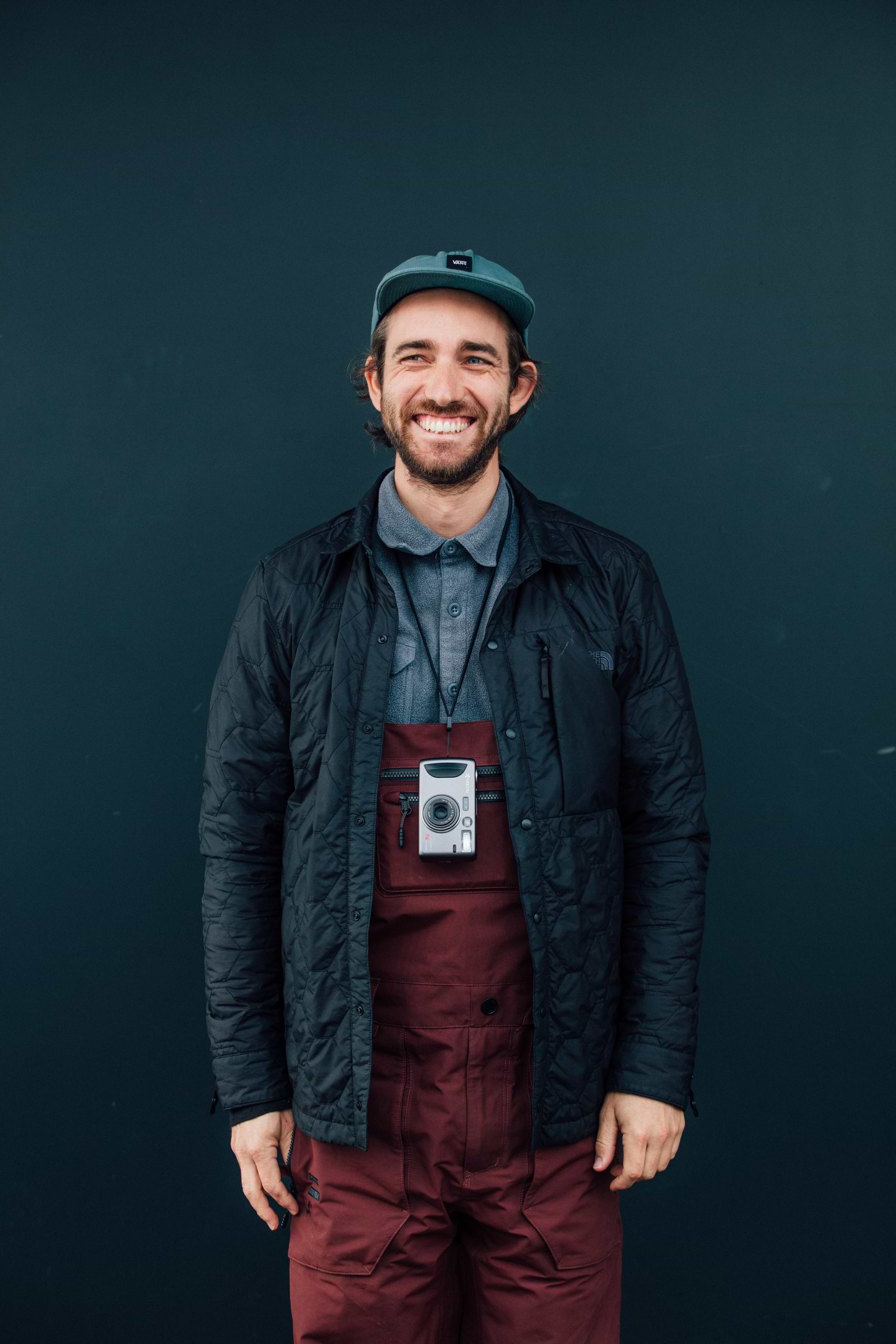
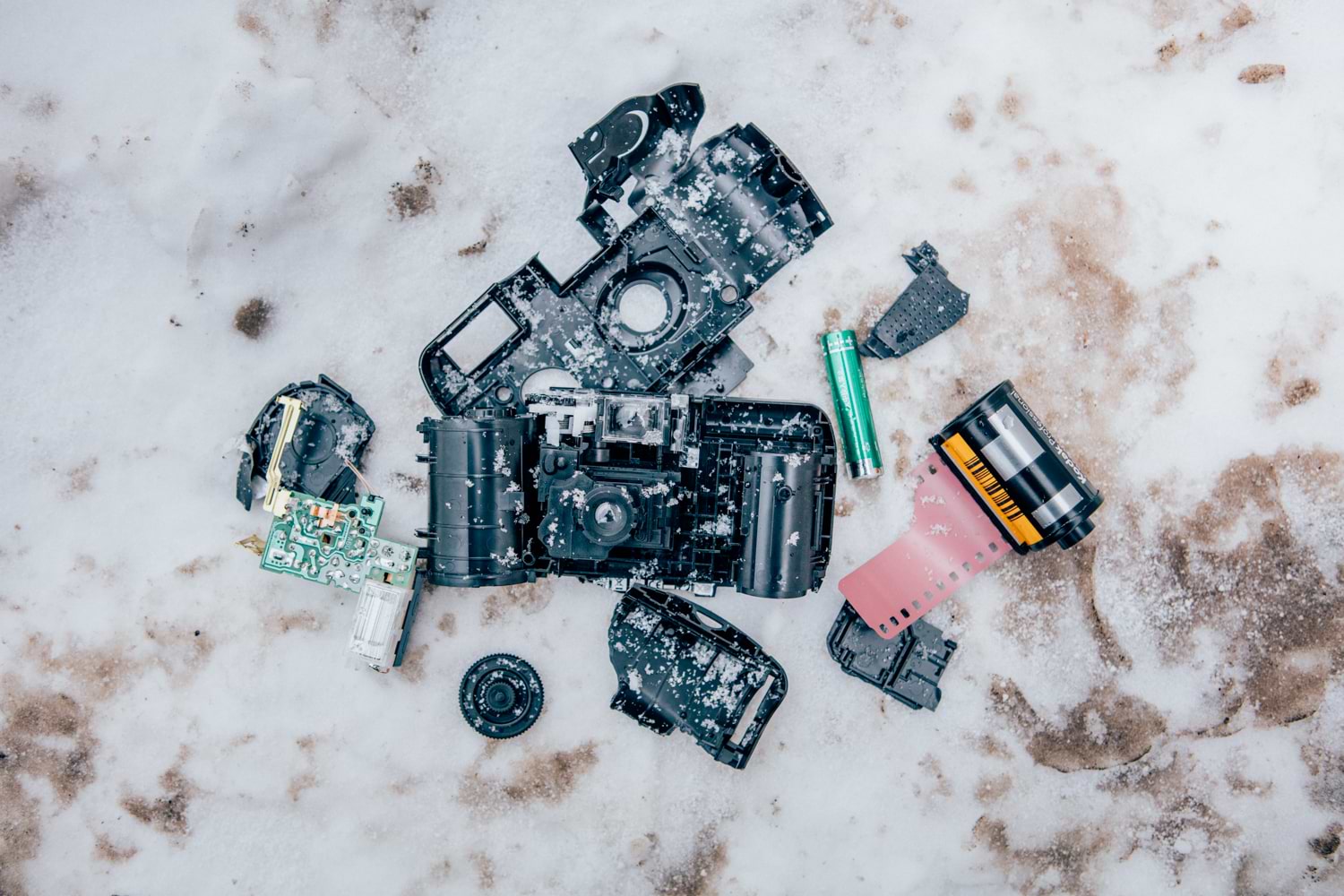
Matt Georges and his beloved Yashica were photographed by Alex Pfeffer.
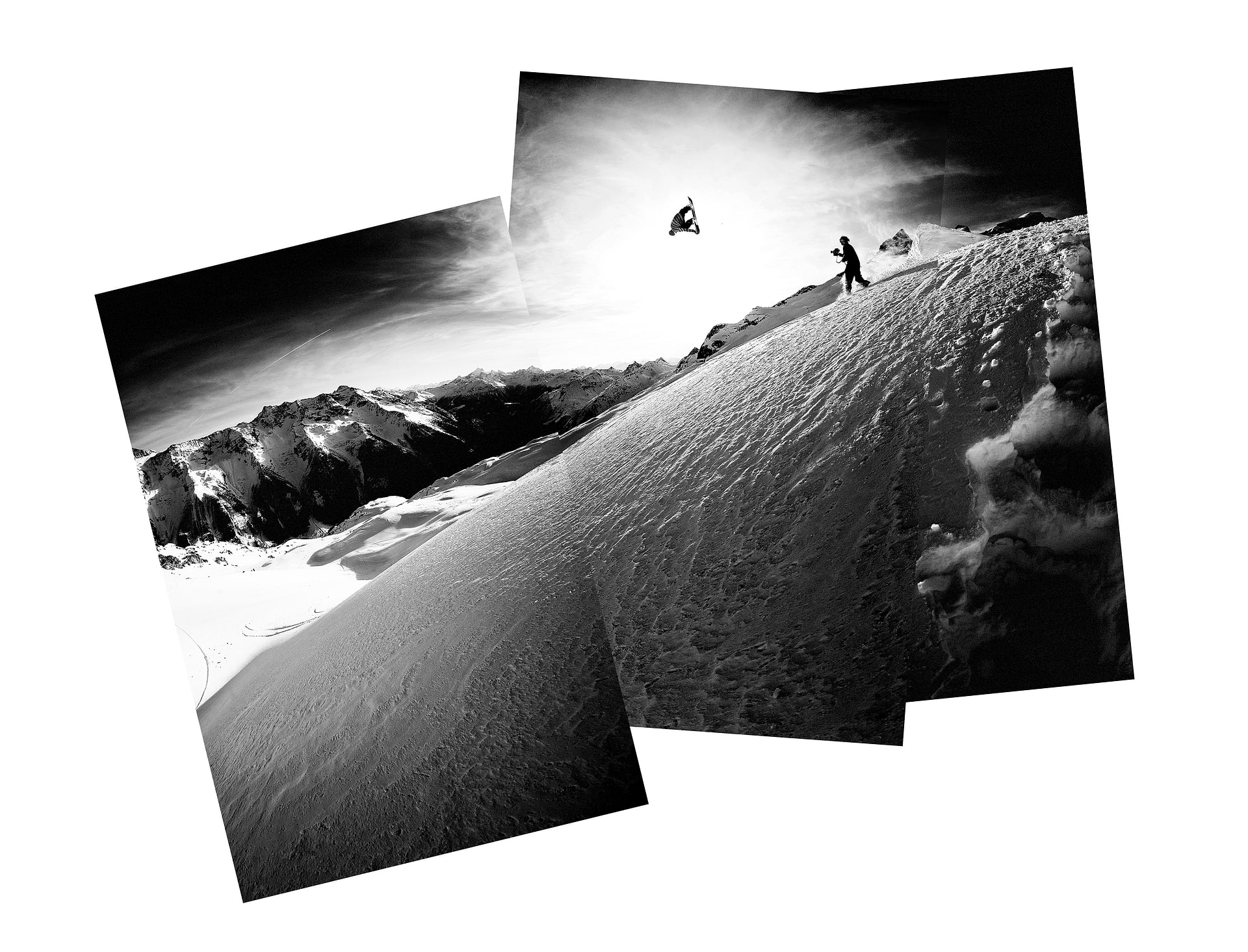
Matt Georges and his beloved Yashica were photographed by Alex Pfeffer.
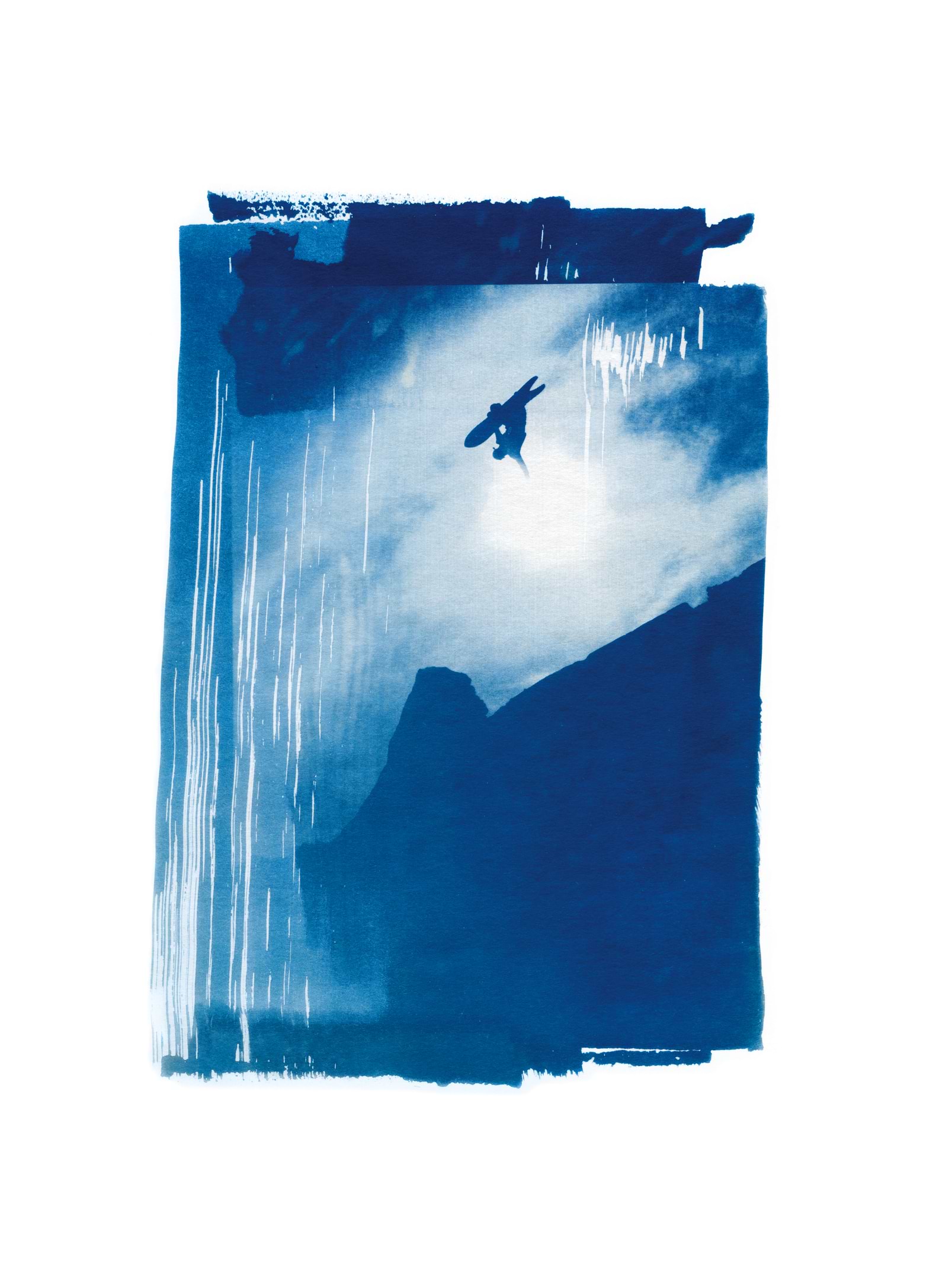
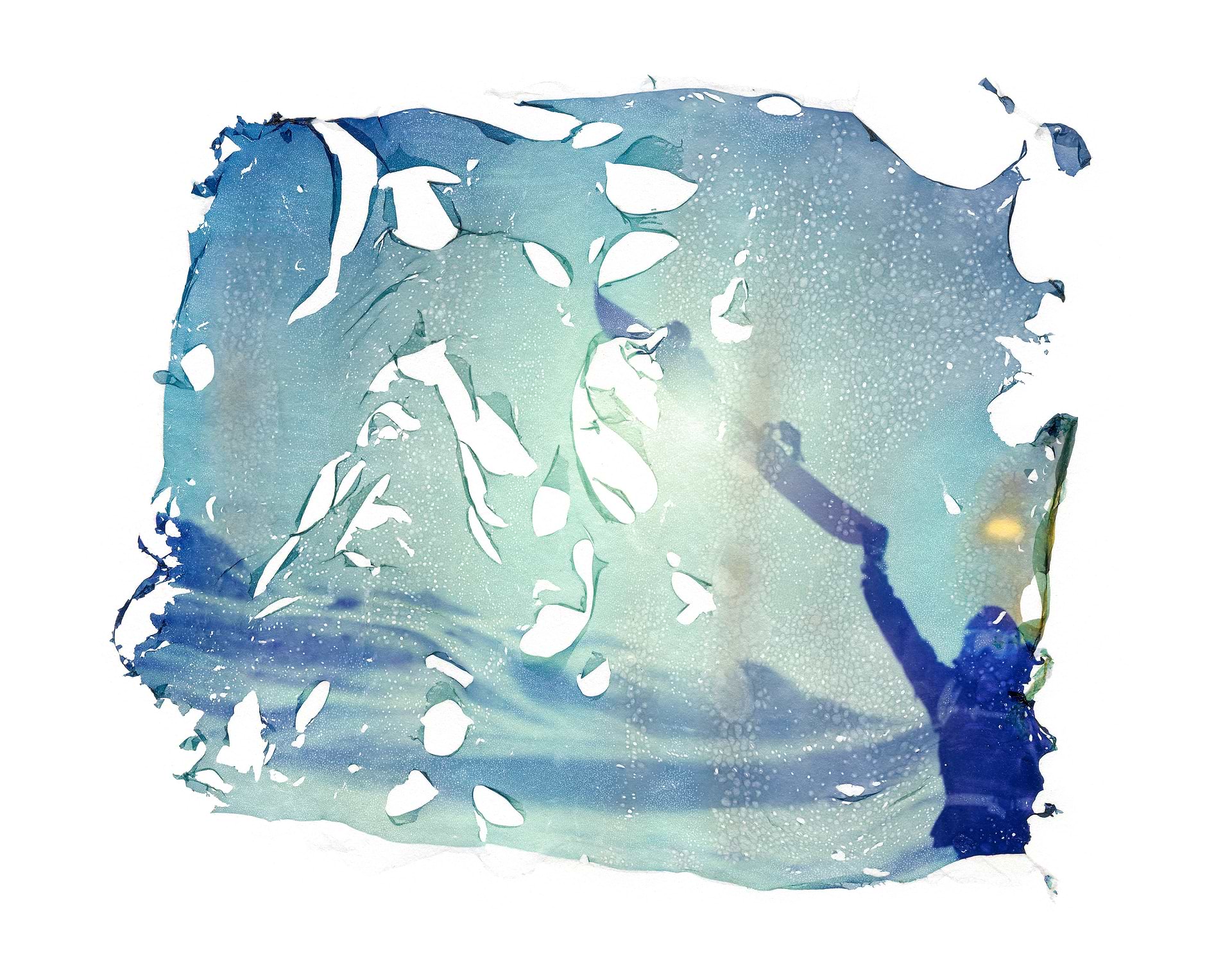
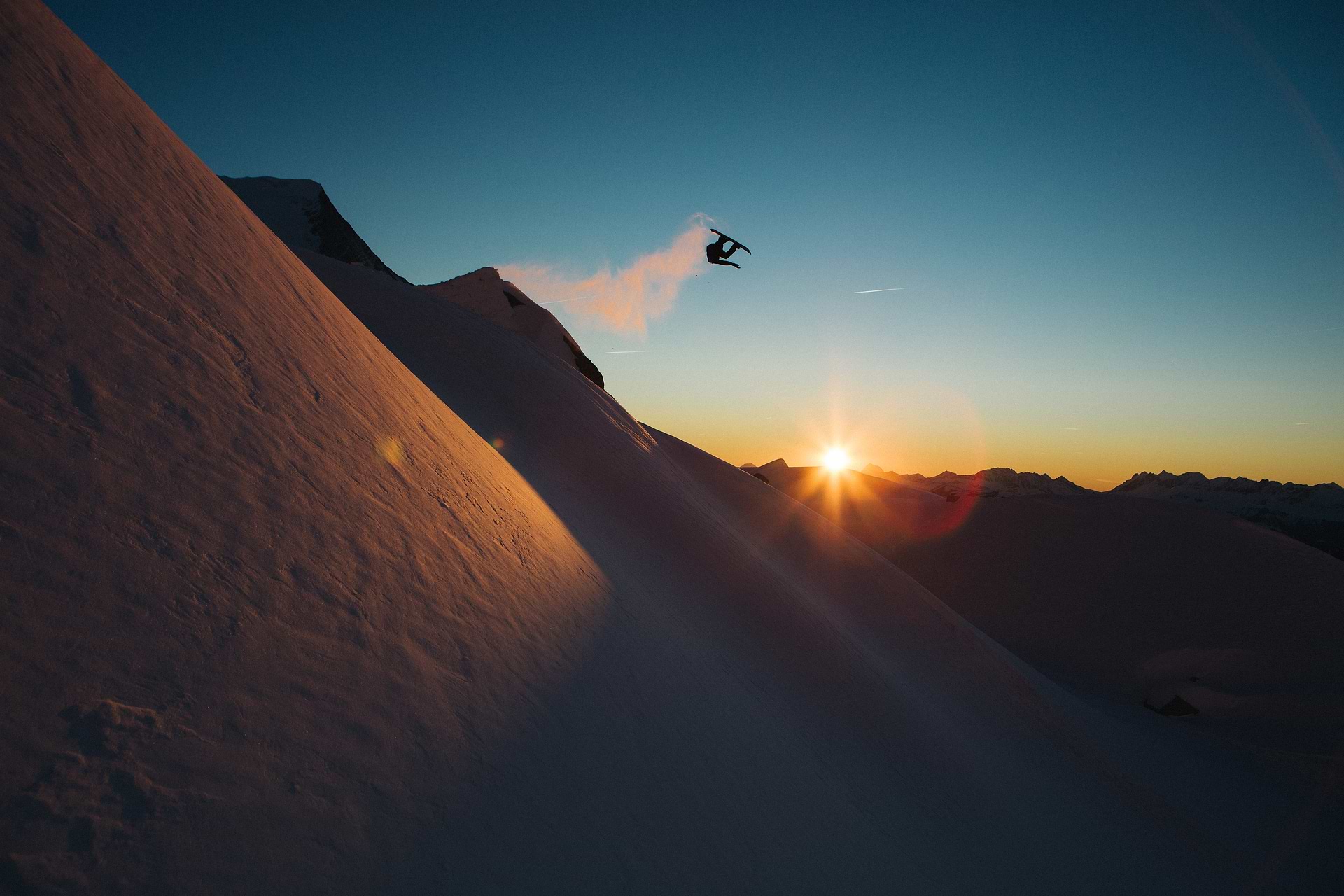
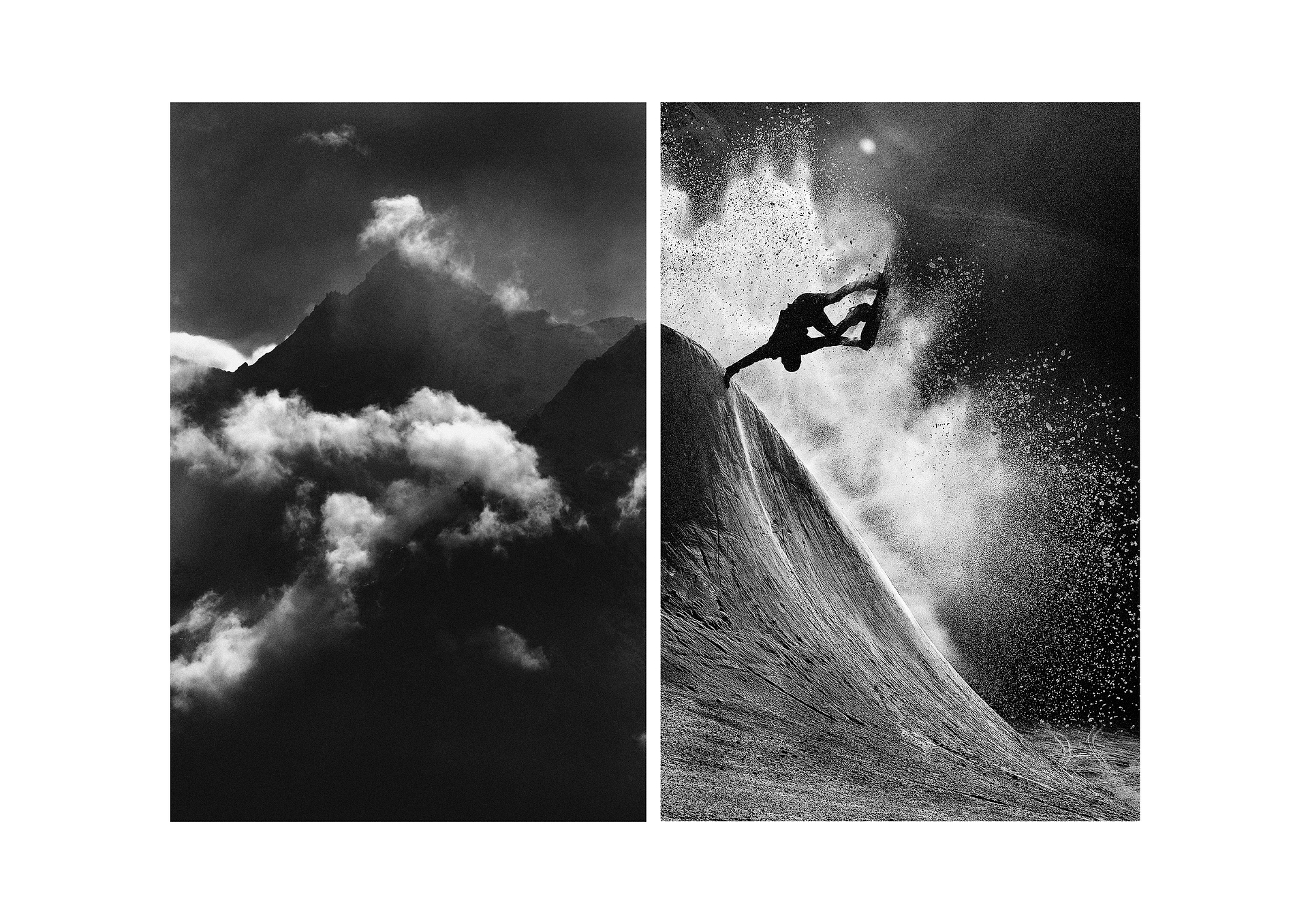
I am a big fan of silhouettes and analog photography experiments. If you add a beautiful swallowtail to the mix, you’ll win my heart! The rider on this Cyanotype print is Markus Keller, and it was shot in Patagonia, Argentina.
Matt Georges and his beloved Yashica were photographed by Alex Pfeffer.
I am a big fan of silhouettes and analog photography experiments. If you add a beautiful swallowtail to the mix, you’ll win my heart! The rider on this Cyanotype print is Markus Keller, and it was shot in Patagonia, Argentina.
The now 41-year-old French photographer and Creative Director was raised in a small ski resort near Grenoble, France, where snowboarding on-piste was strictly forbidden.
“I could just go on the side of the slope and snowboard there, but I was not allowed to take the T-bar. That was my first connection with snowboarding — kind of a punk thing then.”
Undeterred, snowboarding became a fixture in his life. As the sport’s popularity surged, the resort began allowing snowboarders access to the slopes. Georges was 10, and a few years later, his parents gifted him his first camera: a Nikon FM2 with black-and-white 35mm film.
Fast-forward nearly thirty years, and that camera still travels on shoots and expeditions with Georges, as does his drive to think outside the box. His seamless blending of mixed mediums — from medium-format portraiture to aerial landscapes shot on drones to instant Polaroids — is a pillar of his style and commitment to creative experimentation.
Georges came into photography at the inflection point between analog and digital. While simultaneously enrolled in art school, he worked as a graphic designer for Freestyler Magazine, a progressive French skate and snowboard magazine. Two years later, at 22, he became the Photo Editor at Method Magazine, an international publication published in five languages across Europe. His position at the magazine formed the bedrock of his multifaceted education.
“I was lucky to learn photography in the analog era while also being a graphic designer with tools like Photoshop to manage both scans and raw files,” says Georges. “I was spending half of my day on a light table with a loupe to check slides, and at the same time, I was getting raw files. One day, I got 50 DVDs of 40,000 raw files — that was a big mess for everyone,” he laughs.
Despite the headaches of underdeveloped computing software and the infancy of digital editing, the opportunity to learn from the best photographers in the business while practicing darkroom and digital development techniques proved invaluable.
“Imagine at my age, you’re 20-something, and you get the best photo by the best photographer in the world in your hands,” Georges says with reverence. “You can study the composition — it’s the best school ever.”
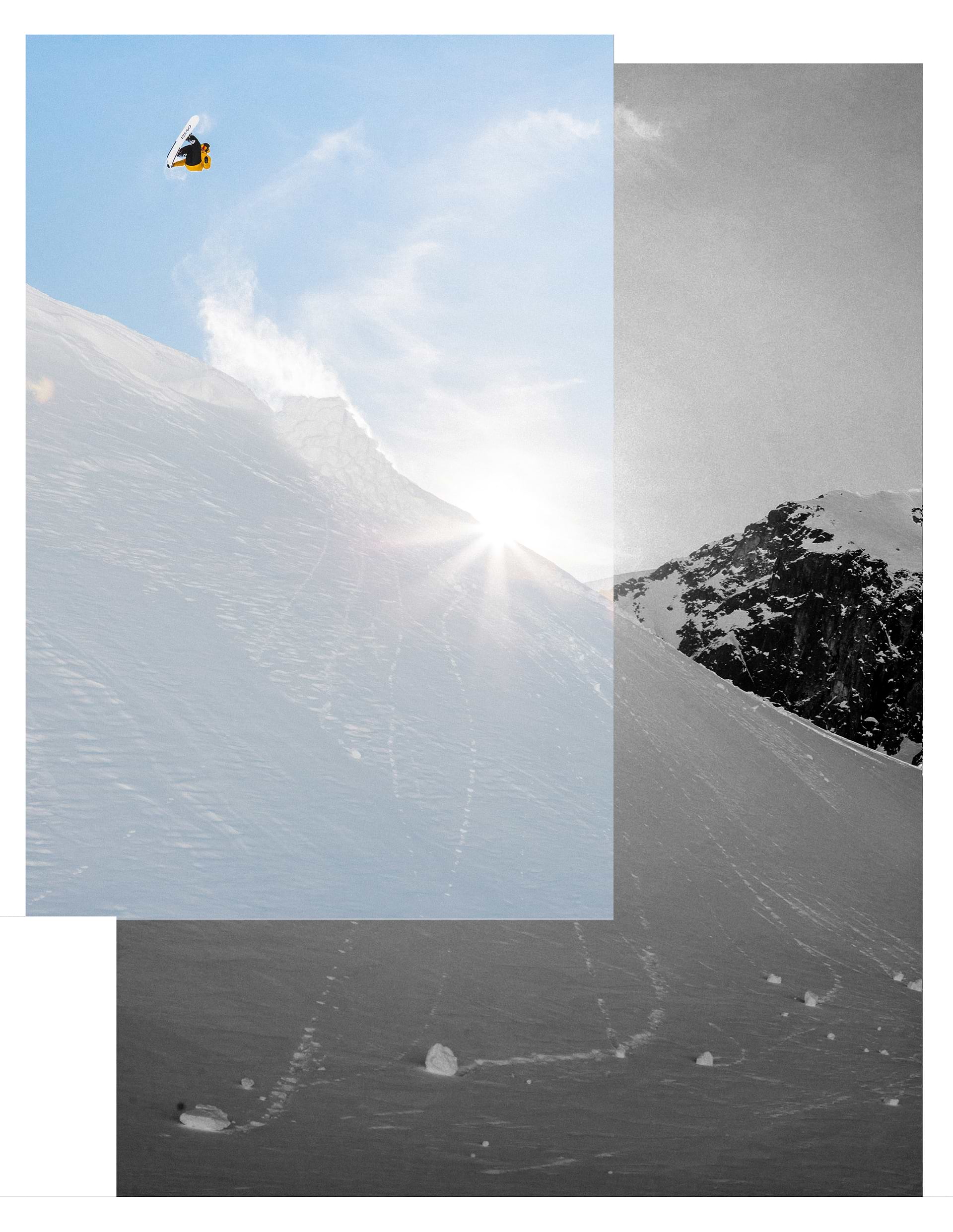
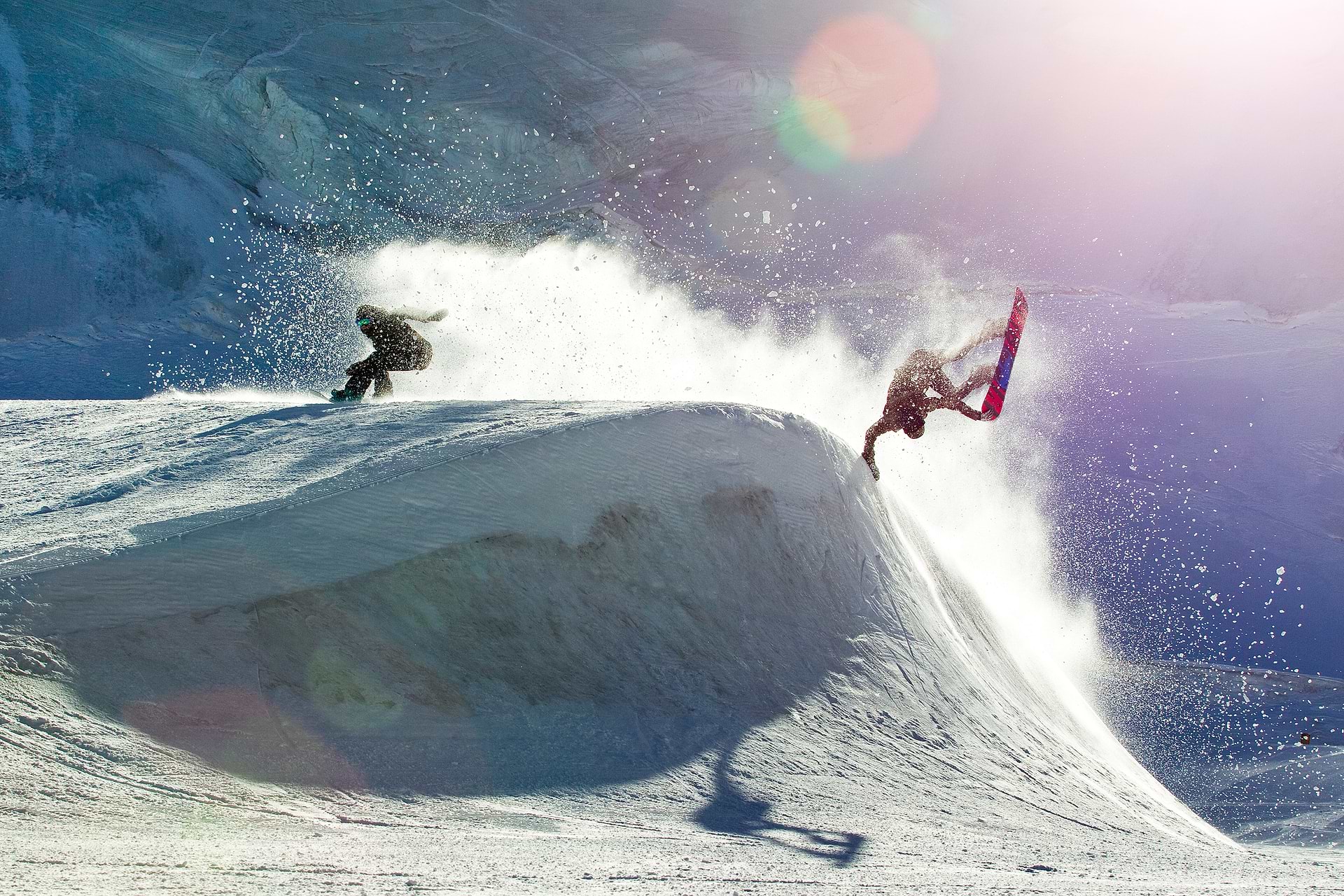
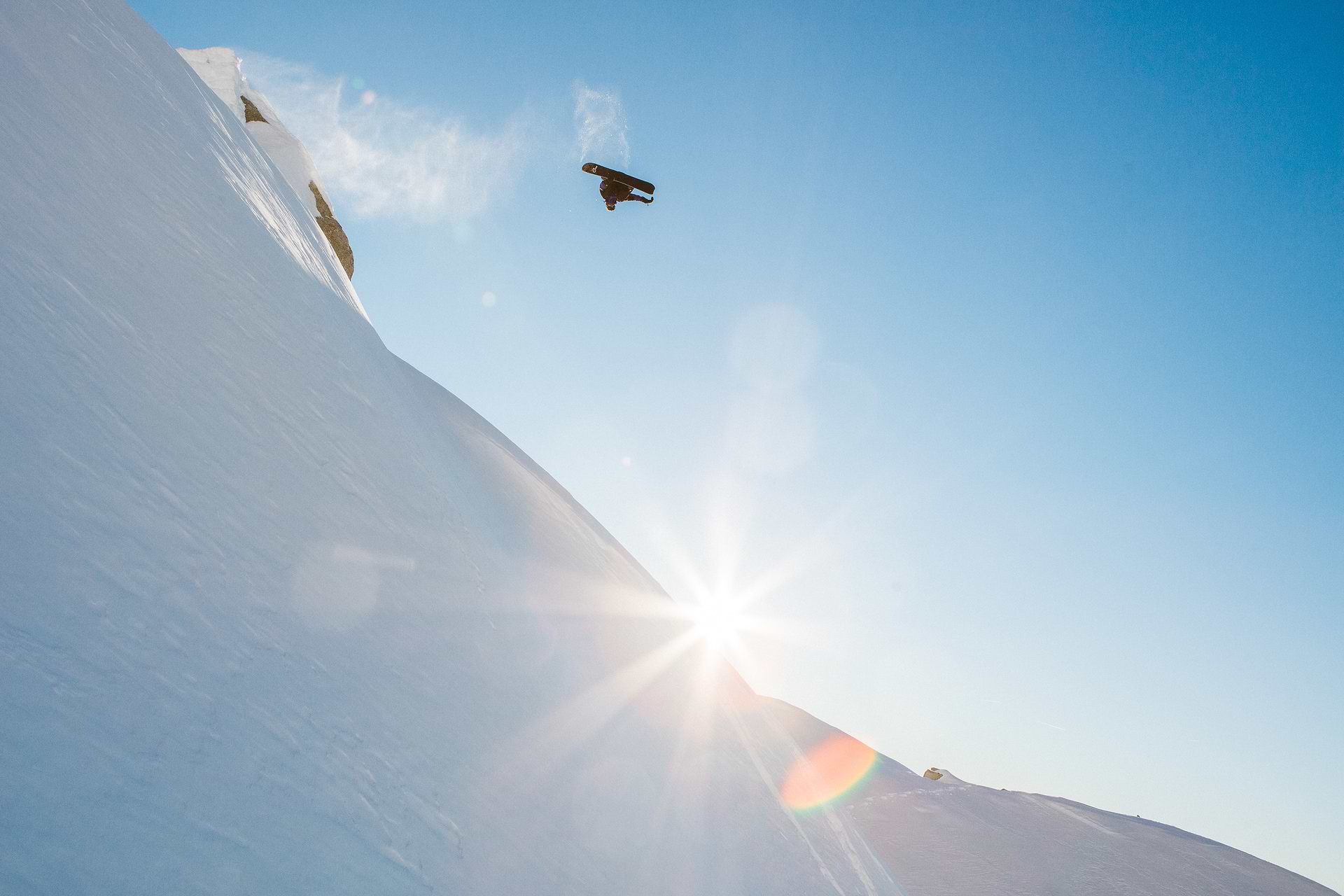
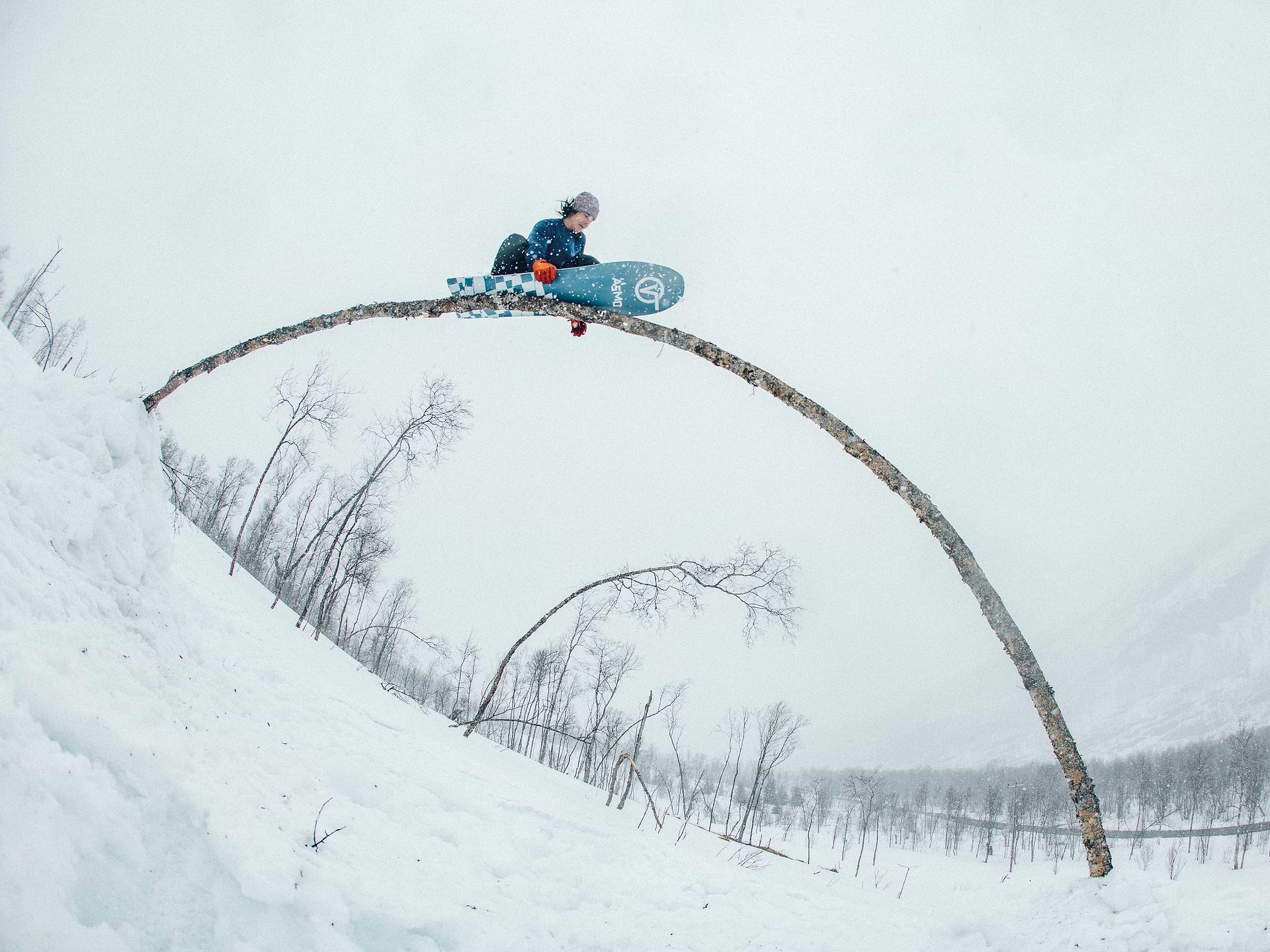
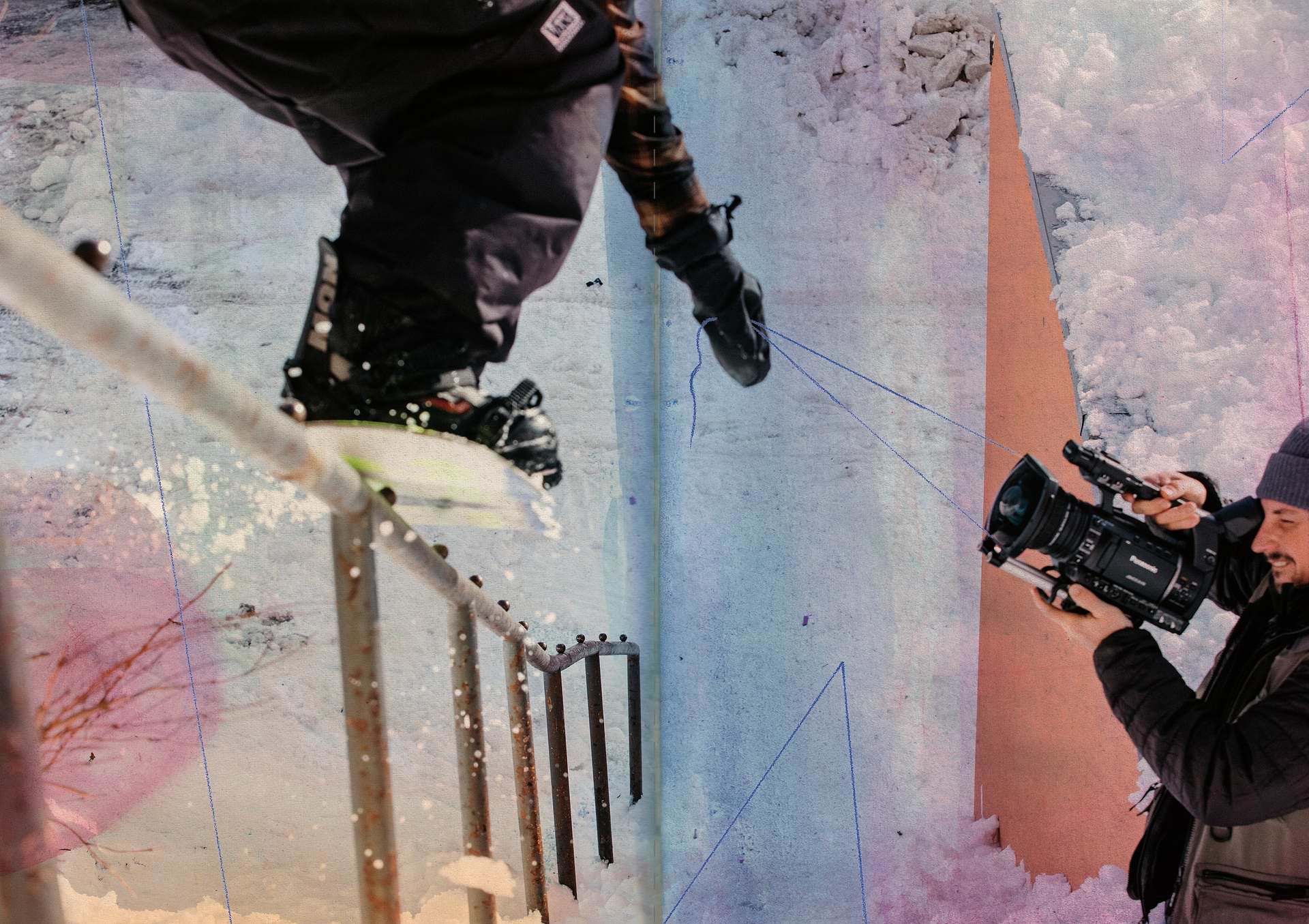
I have worked extensively with Arthur Longo over the years, and it’s always a pleasure. This shot was taken in Chamonix during a shoot for TRIPLE, a film- and book project we worked on for VANS.
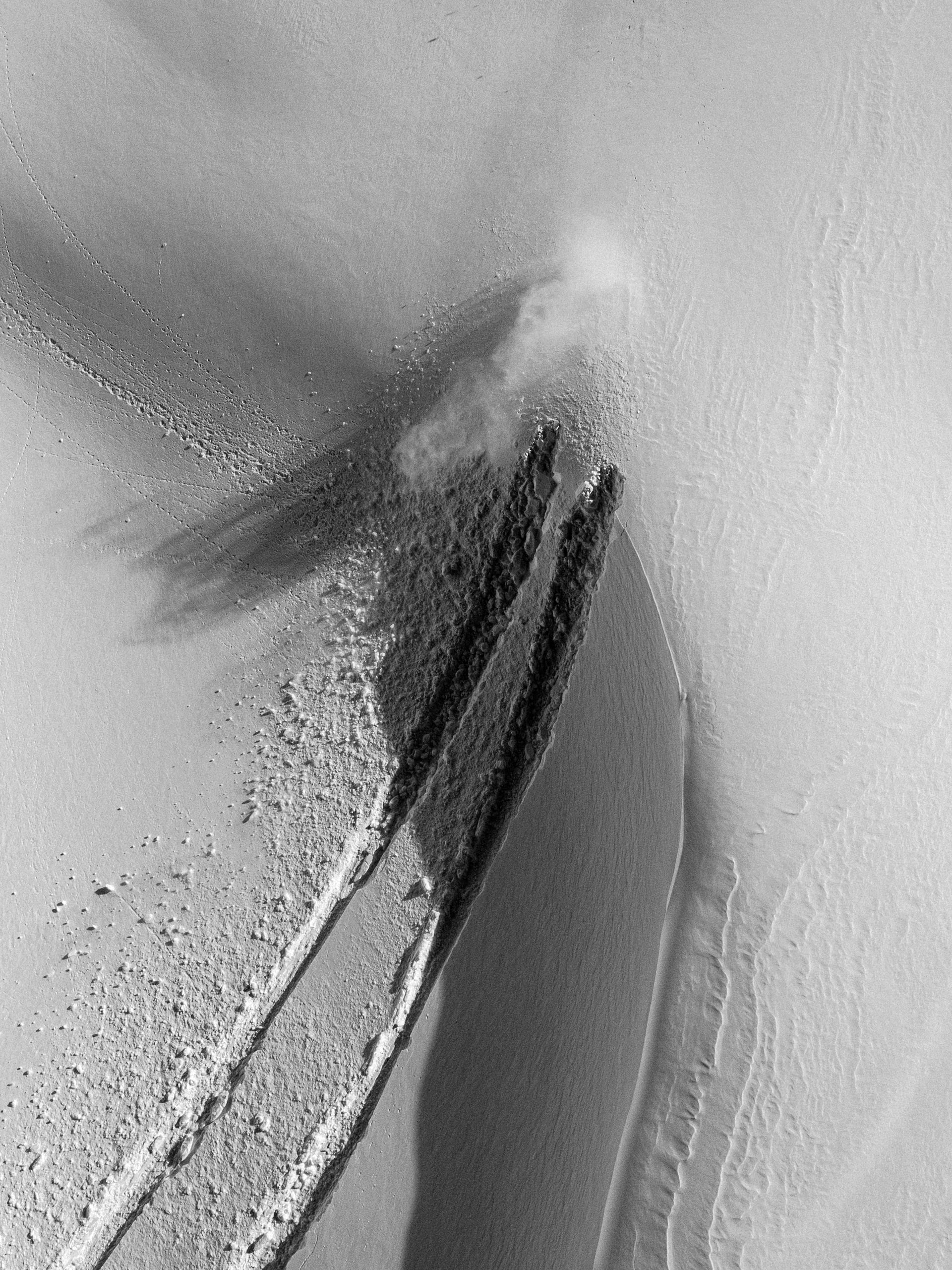
The first air at this feature wasn’t so impressive, so I focused on the takeoff on the second attempt. I enjoy the process of getting the viewer’s perception confused when looking at my photos.
I have worked extensively with Arthur Longo over the years, and it’s always a pleasure. This shot was taken in Chamonix during a shoot for TRIPLE, a film- and book project we worked on for VANS.
The first air at this feature wasn’t so impressive, so I focused on the takeoff on the second attempt. I enjoy the process of getting the viewer’s perception confused when looking at my photos.
The turning point in these early days was that Georges was bored spending so much time in front of the computer, looking at other people’s work and adventures. He needed a change. “I wanted to be there! So, I pushed for a complete transition at Method Mag into a role as Senior Photographer. This allowed me to be in the field full-time and travel around.”
It’s clear from the long hours experimenting with film development that Georges finds inherent value in the process and the results. This mindset carries over into trip preparation and shoot planning, in which Georges prefers to be integrally involved.
“To create an expedition or a trip somewhere — where we’ll go and with whom and for how long — and to pick the cameras or the film format, and then design the book or scenes, that’s the whole thing,” Georges says. “If I just go there — I shoot and I don’t organize anything — there’s no adventure, it’s not so interesting.”
Georges first cultivated this mindset while creating graffiti in his youth. He had to consider security, police, cameras, access and egress. Today, he compares that experience to backcountry snowboarding.
“You still check conditions — where, when and how to go — and you try to stay alive in the mountains and get back home. It’s not like going to the studio with two assistants and a coffee machine,” he chuckles. “That’s what I like.”
While many photographers (even those raised in the analog era) have transitioned their workflow entirely to digital, Georges sees the benefit of having a quiver of tools for every project, each contributing a specific feeling.
“I like to play with different cameras,” Georges explains. “Analog is a different feeling and different way to work. You think a bit more. And you don’t get the same feeling or soul when you look at a medium format portrait and a digital portrait.”
Georges’ choice of camera is generally dictated by the destination and subject matter: Hasselblad Xpan for black-and-white panoramas in the city featuring architecture; medium format, perhaps, for landscapes in Japan when there’s ample time to compose; point-and-shoot cameras for rapid street photography. He owns more than 25 cameras — the biggest challenge, often, is knowing which to leave behind.
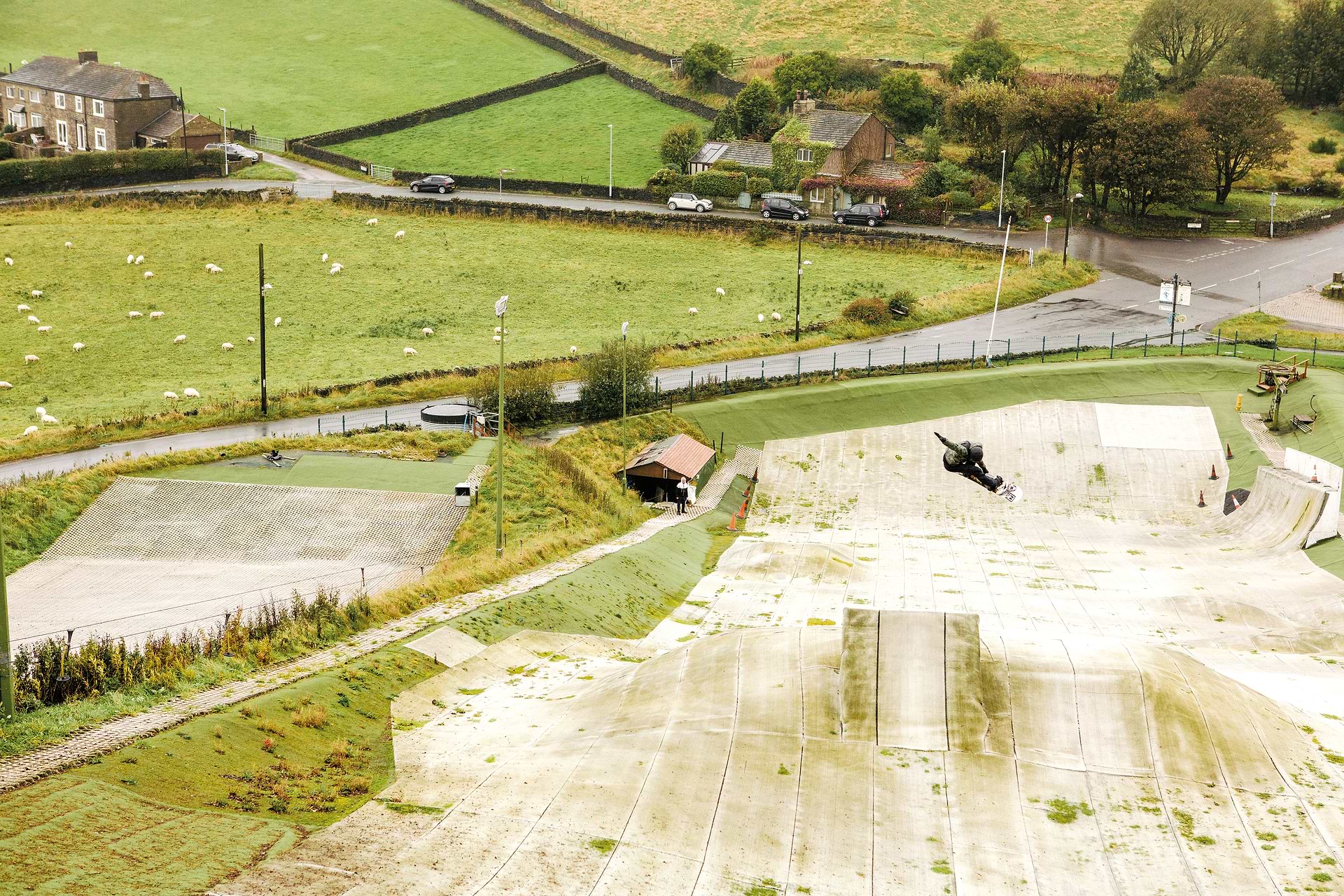
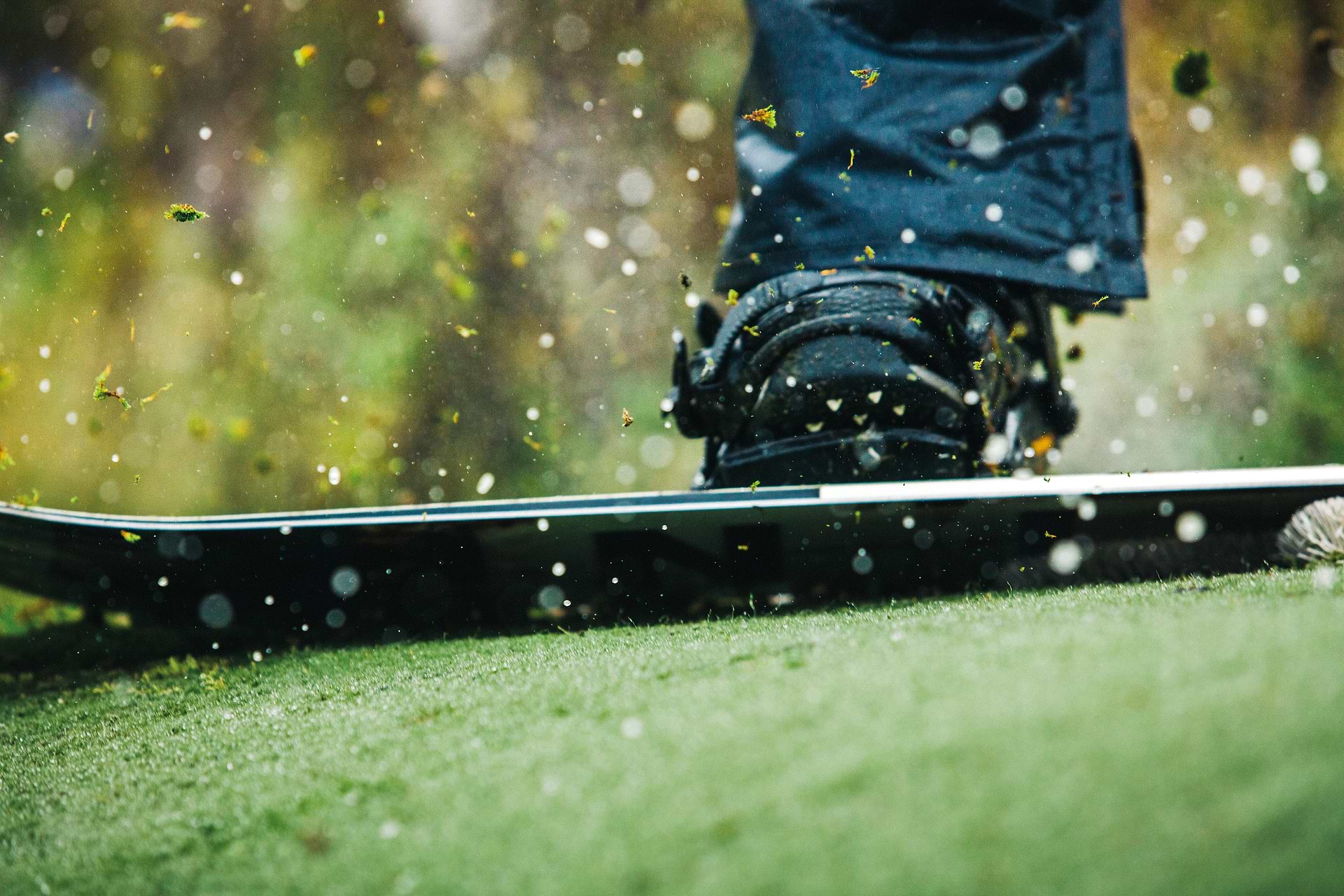
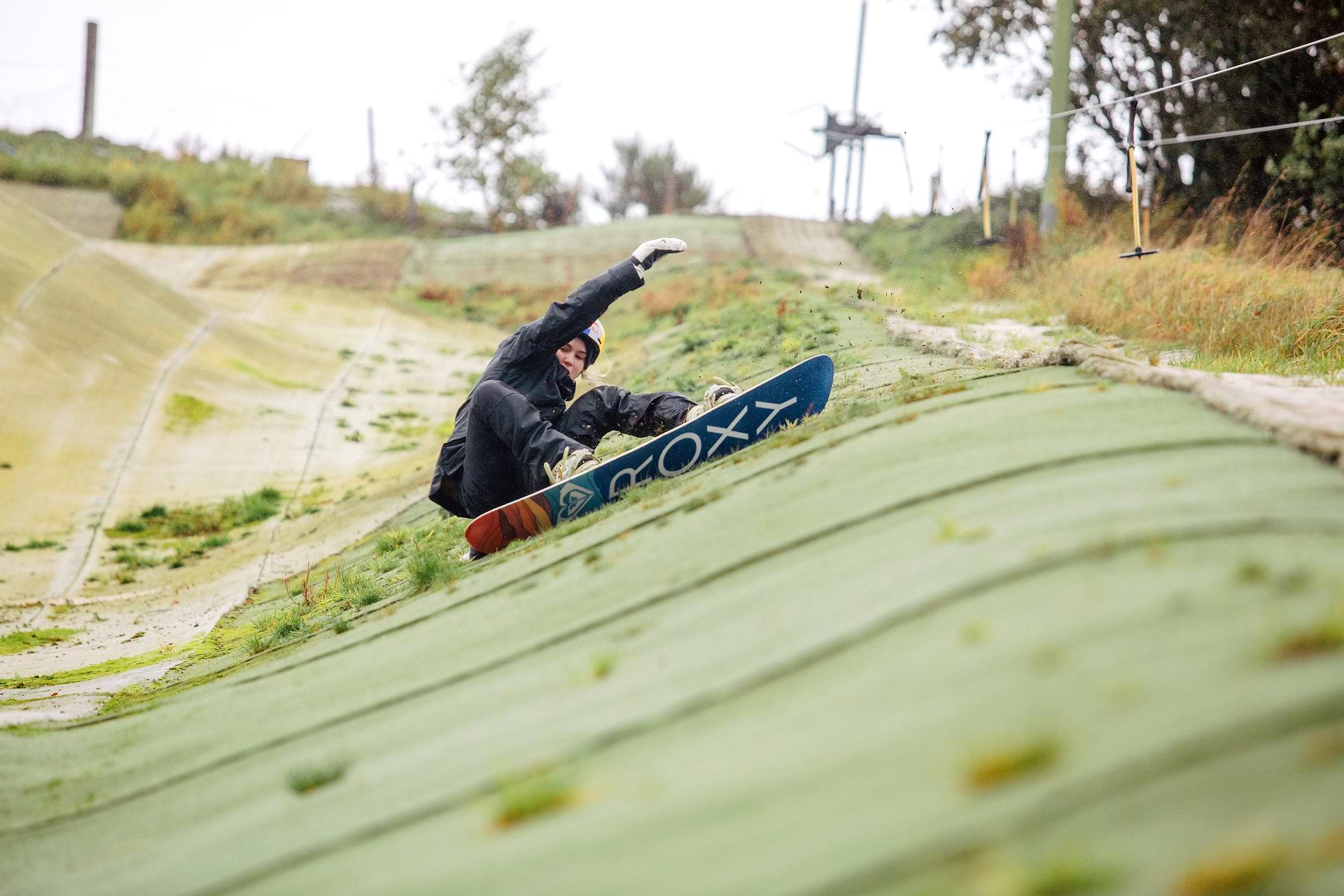
“Every time I go on a trip, I try to just focus on one or two analog cameras, maximum,” Georges says. “Otherwise, I end up having a bunch of different styles, and they’re not really working together.”
Delivering a cohesive body of work across a diverse array of mediums is a delicate act in which Georges’ background in graphic design shines. While many photographers might consider the job wrapped after editing final selects, the layout is another opportunity for Georges to expand his creative vision.
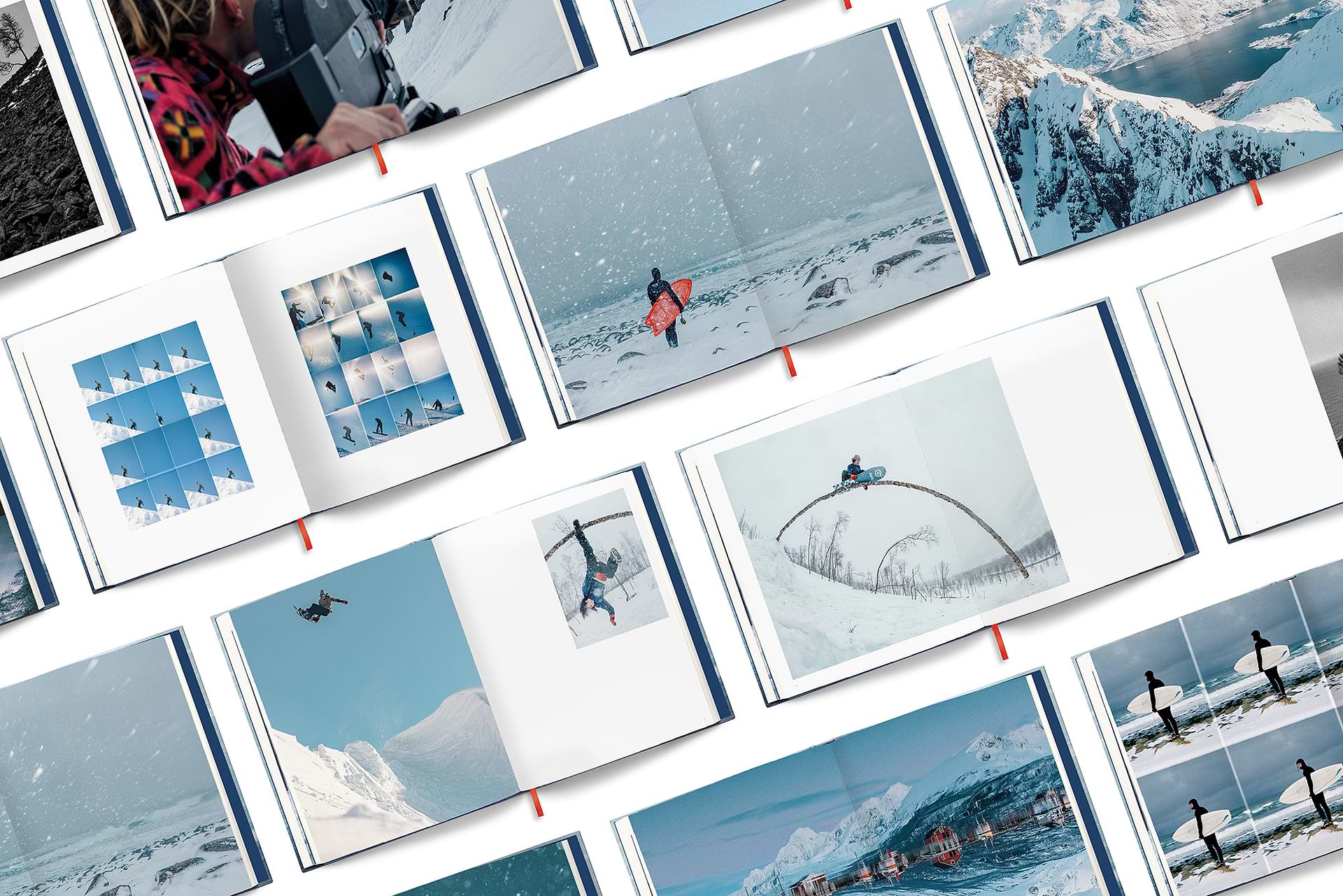
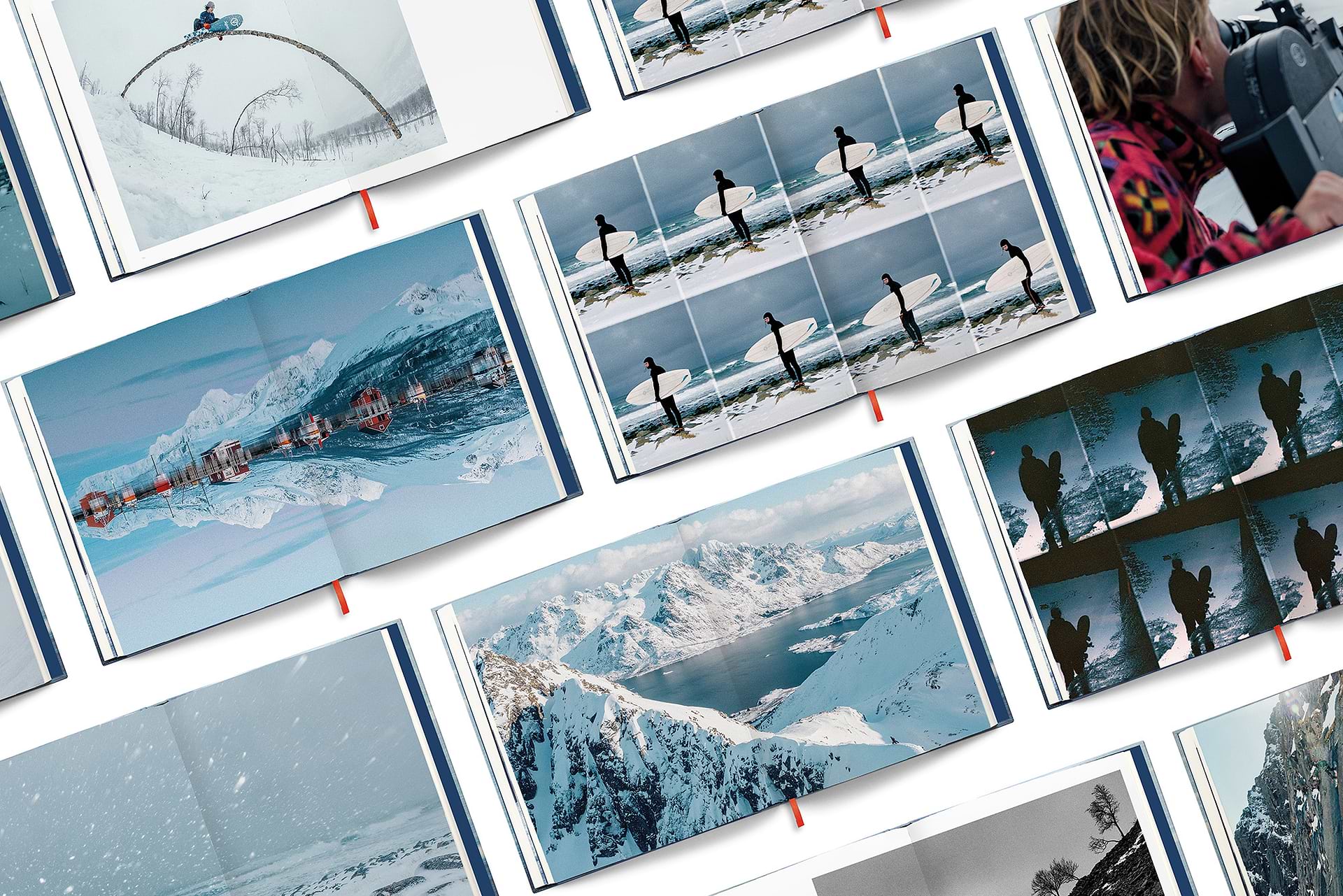
2019 Matt and photographer Julien “Perly” Petry founded Club Sandwich Studio, a creative agency and independent publishing house. “The idea was just to showcase our work in the way we like, rather than sending a submission to a magazine, and they just pick five photos for small features or gallery pages to use randomly between ads,” says Georges. Instead, Club Sandwich invites other photographers and artists from the scene to work together on an emulsion process. “[We] create a beautiful book on nice paper, nice binding, any format, no ads, just independent publishing showing our work in the way we like.”
Club Sandwich has published several volumes and independent books since its inception. Georges continues seeking outlets for creative experimentation in commissioned work and personal projects: from cyanotype to Lomography or sprocket cameras to developing film with acids and watercolours; he embraces the abstract and obtuse.
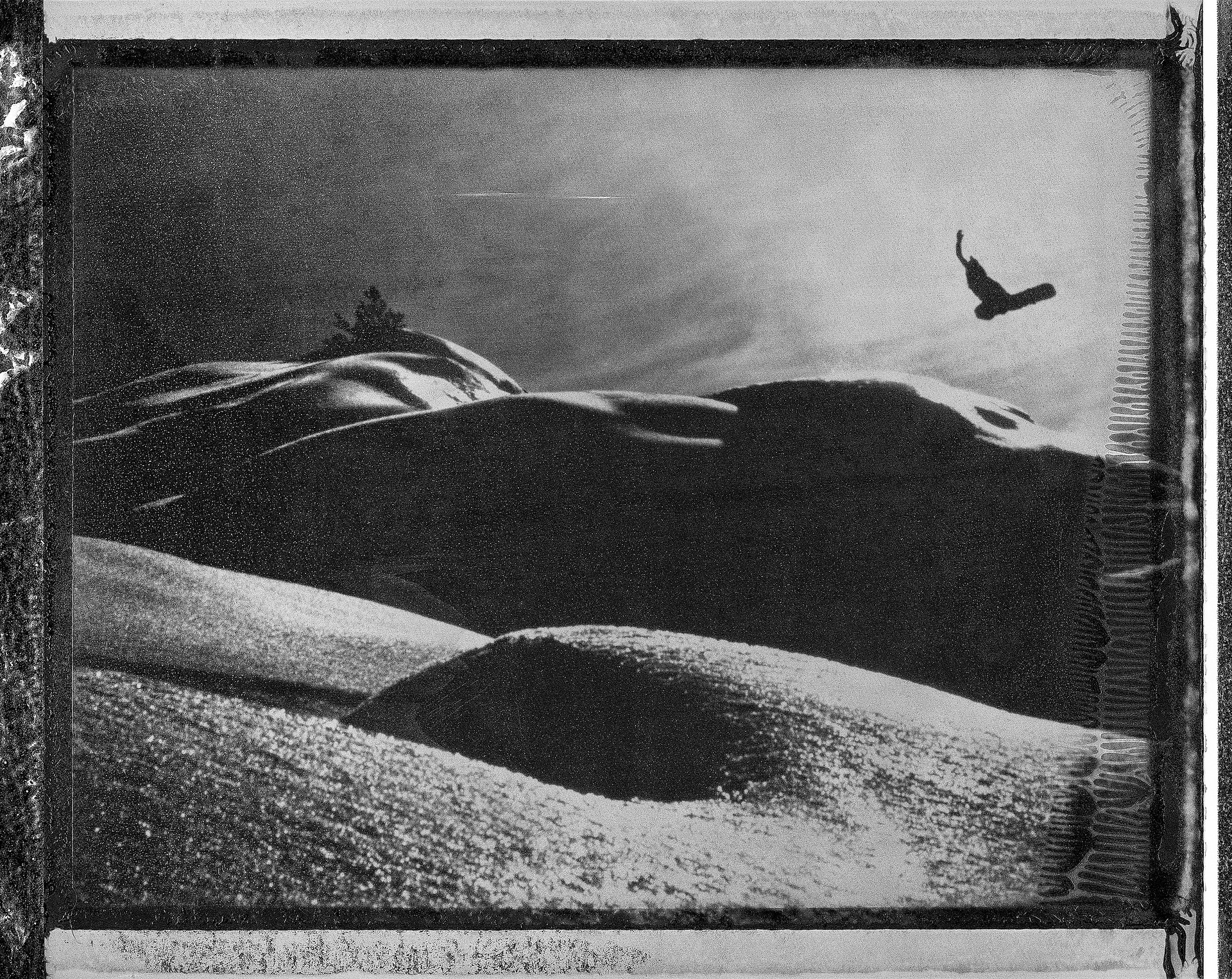
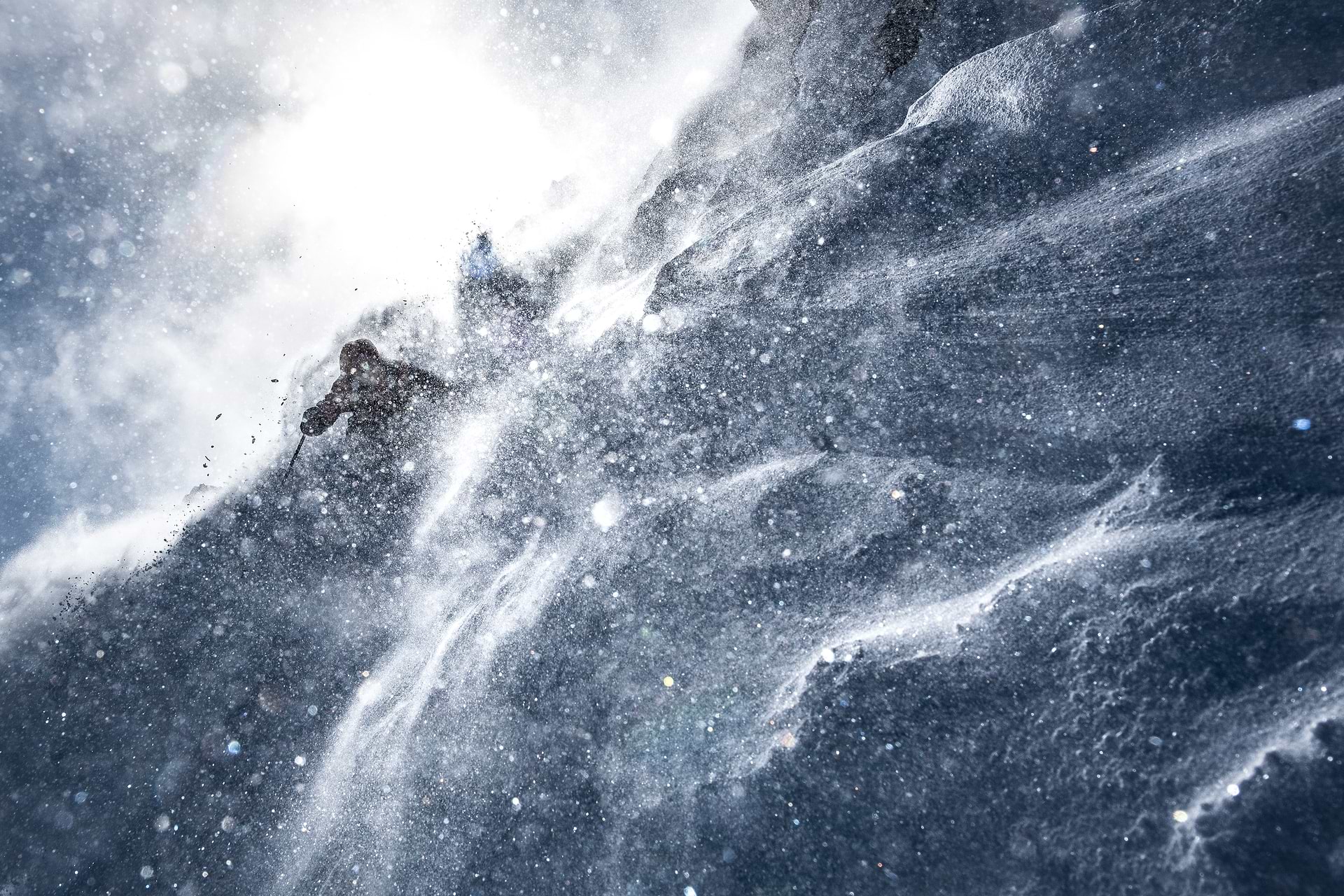
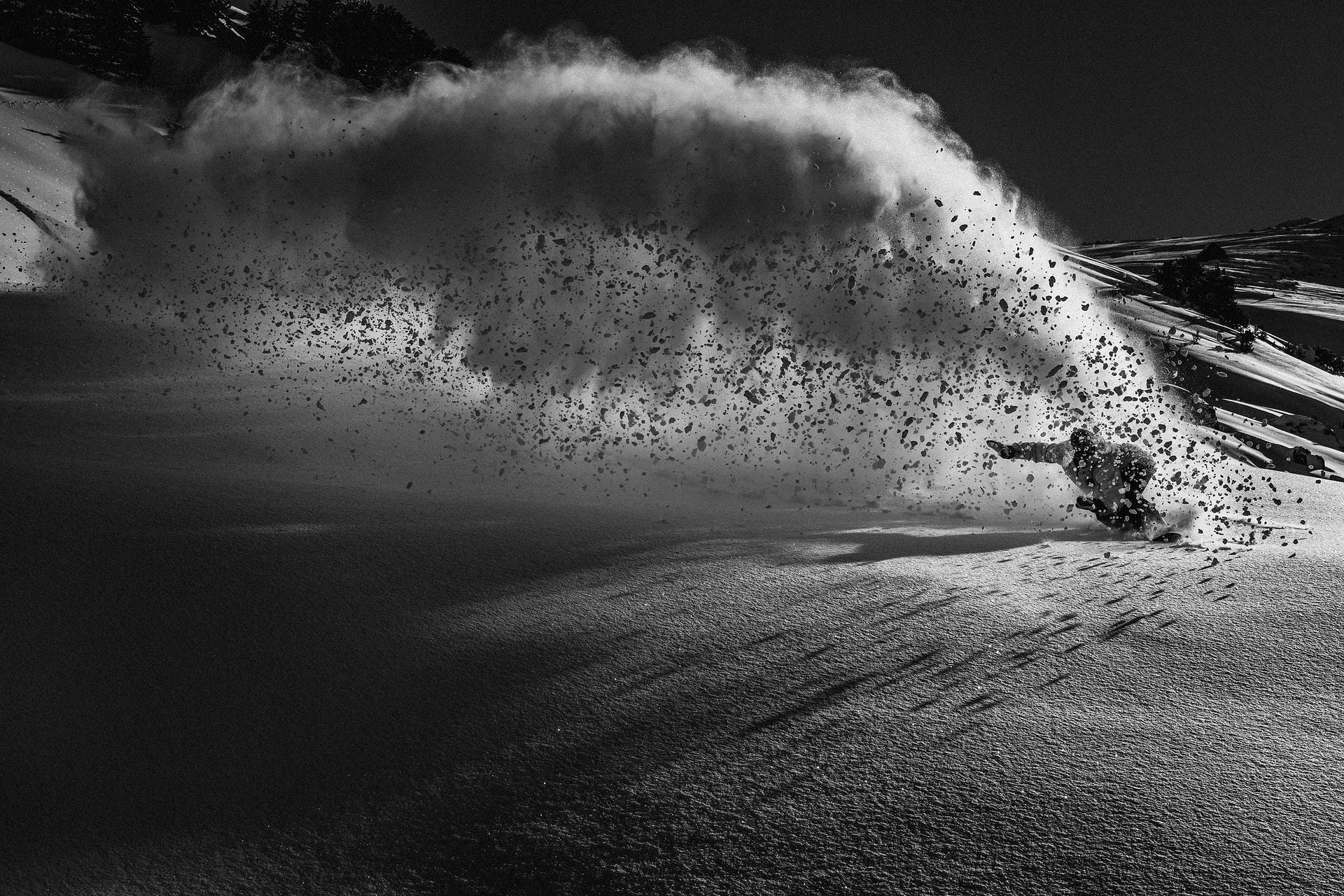
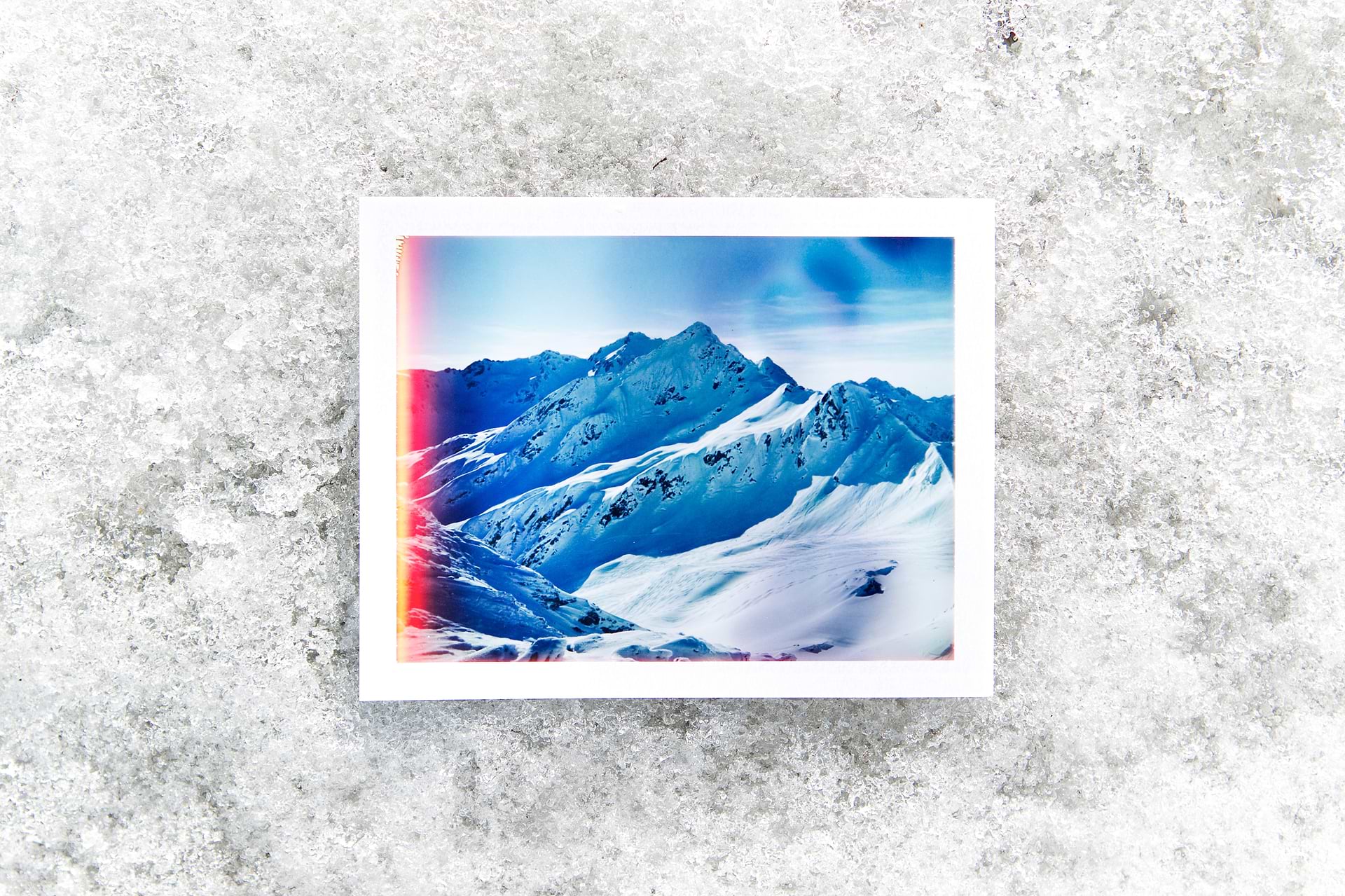
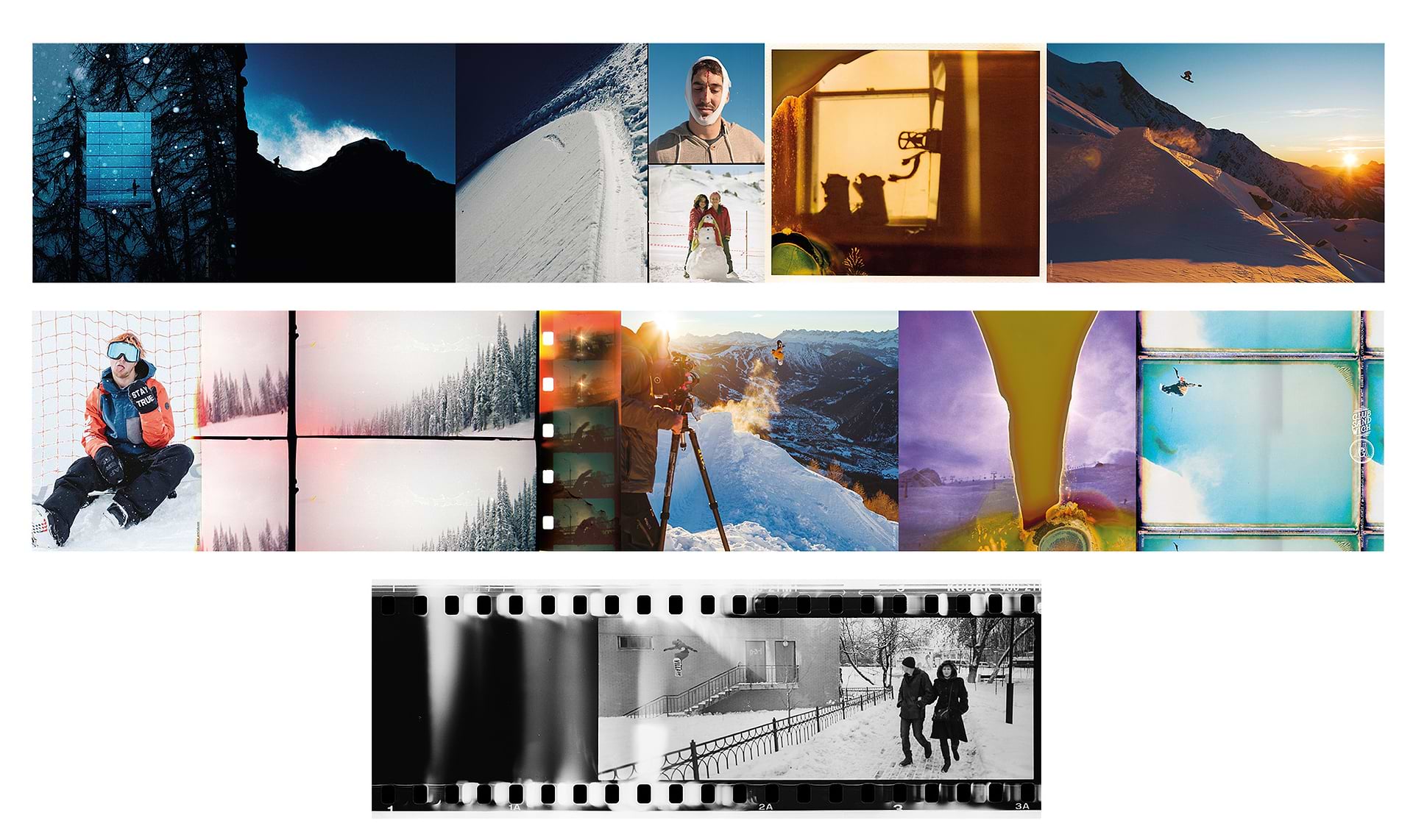
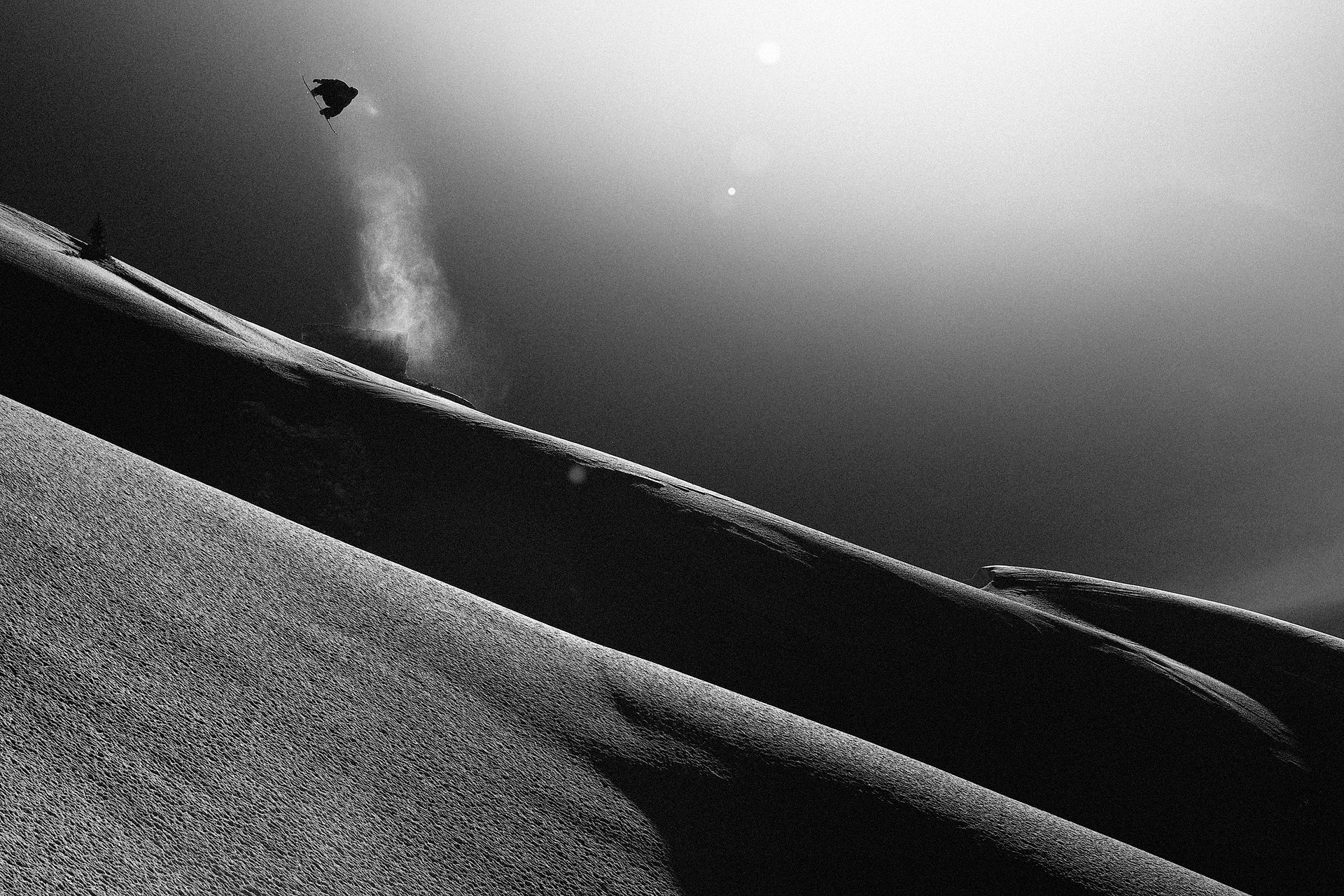
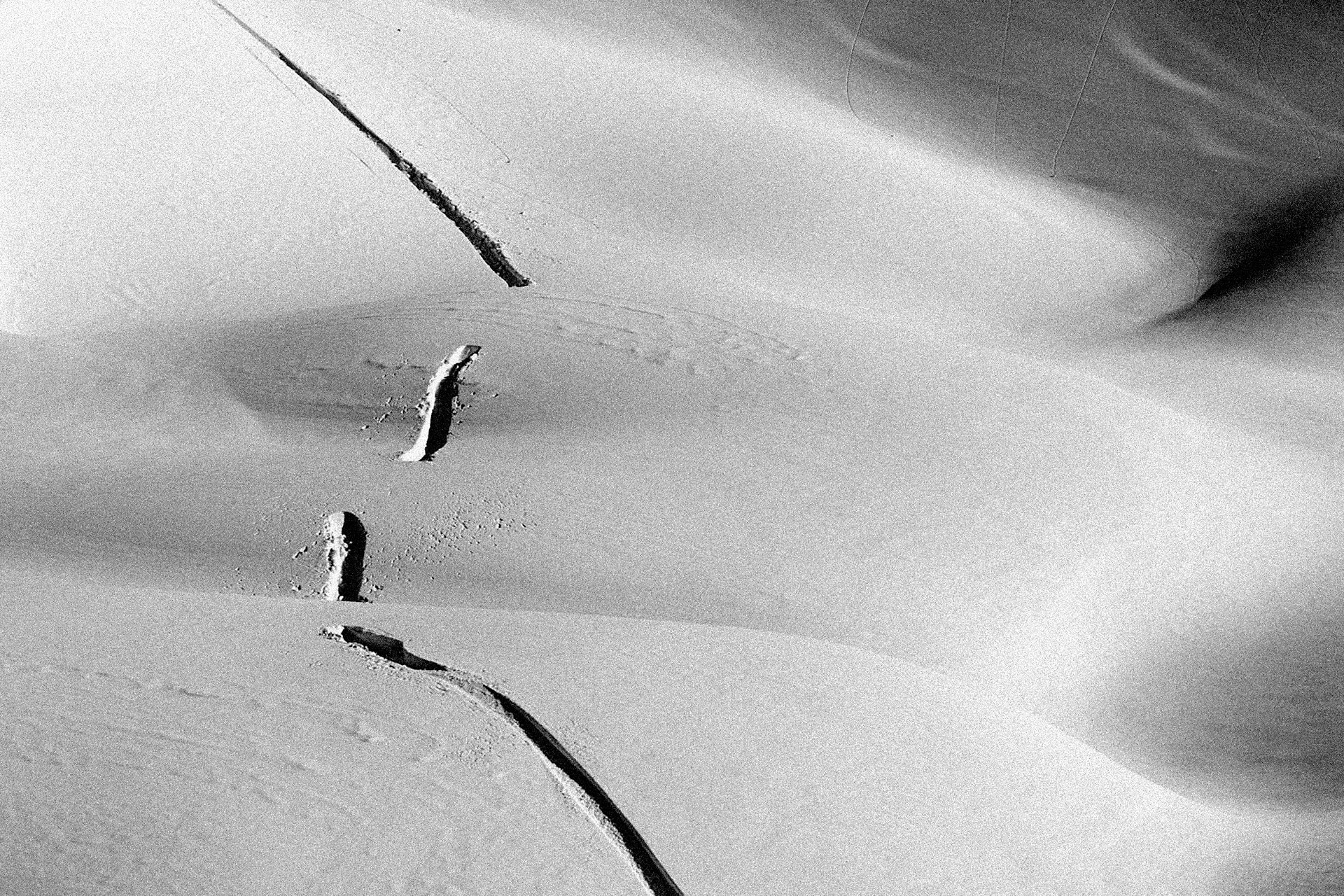
This photo is a waste of a Polaroid I was about to throw away. However, when bleached out carefully, an emulsion appears. It’s a long and sketchy process, but sometimes you can get very nice results. Rider: Gigi Rüf Location : Arlberg, Austria.
This photo is a waste of a Polaroid I was about to throw away. However, when bleached out carefully, an emulsion appears. It’s a long and sketchy process, but sometimes you can get very nice results. Rider: Gigi Rüf Location : Arlberg, Austria.
“If it’s just random commercial photography without a strong concept and the feeling of doing the same shit over and over, it’s not interesting to me,” Georges says flatly. “I think I’d quit. Instead, I keep experimenting with photos and taking risks to keep the flame alive.”
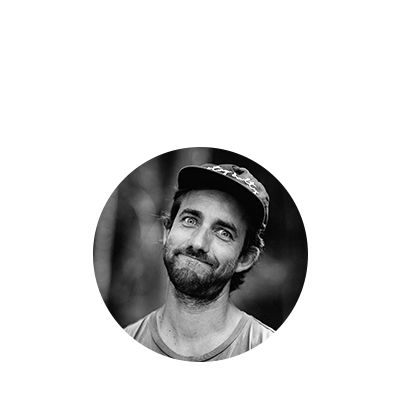
MATT GEORGES is a multifaceted creative based in the south of France. His process is deeply rooted in analog techniques, embracing a hands-on, tactile approach to his photography. He often works with film, experimenting with various cameras, lenses, and traditional darkroom processes. This analog methodology allows him to capture raw, authentic moments in the natural world, particularly within snowboarding and outdoor culture. In 2019, Georges founded Club Sandwich, an independent publishing house and creative agency.
MATT GEORGES is a multifaceted creative based in the south of France. His process is deeply rooted in analog techniques, embracing a hands-on, tactile approach to his photography. He often works with film, experimenting with various cameras, lenses, and traditional darkroom processes. This analog methodology allows him to capture raw, authentic moments in the natural world, particularly within snowboarding and outdoor culture. In 2019, Georges founded Club Sandwich, an independent publishing house and creative agency.
RELATED STORIES