Silverton Mountain, USA
The La Grave of the US offers the highest lift-served skiing in North America
Off Radar
Words by: Megan Michelson
Photos by: Scott DW Smith
After a white-knuckle drive over Red Mountain Pass,
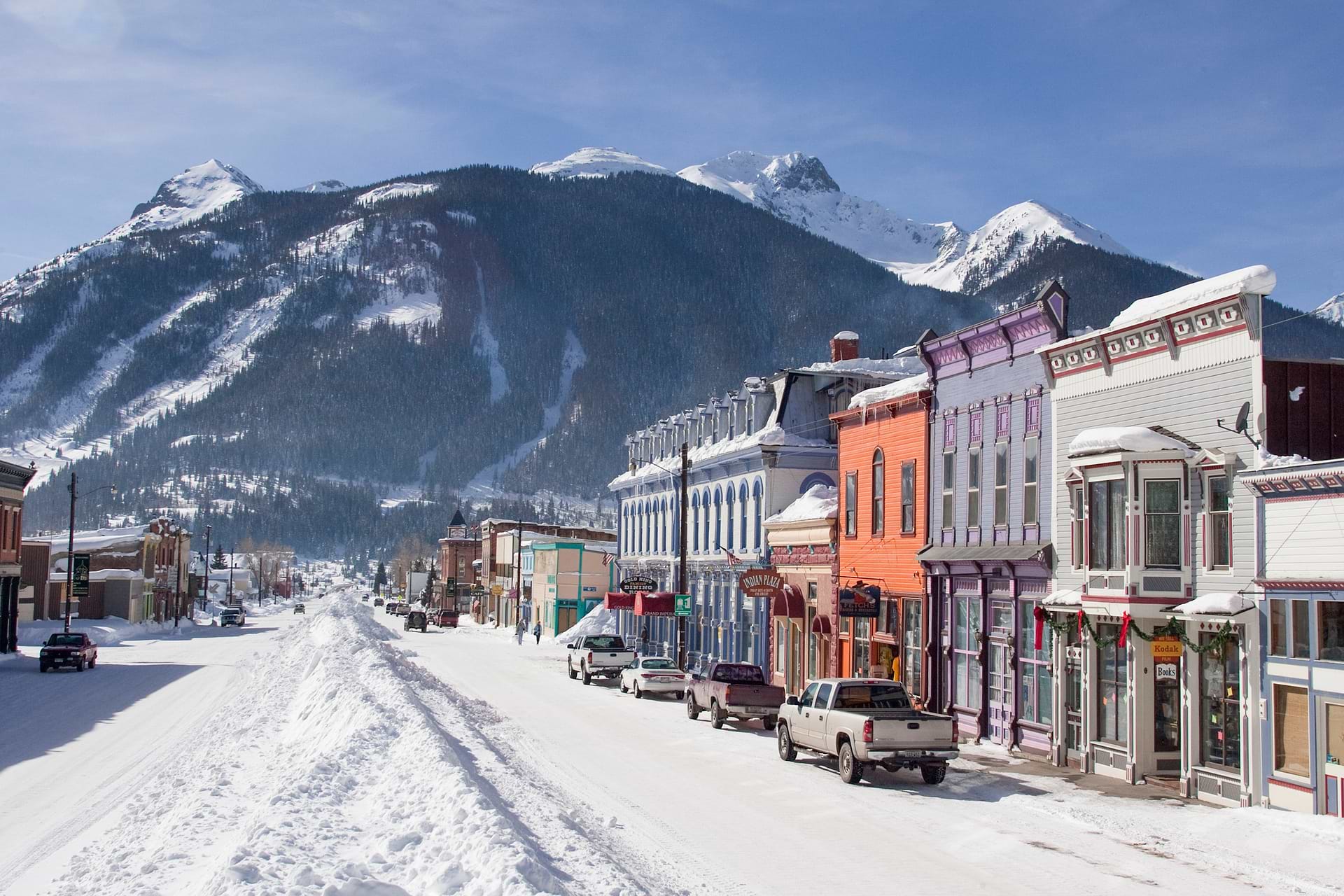
on a sketchy highway that twists wildly down snow-covered steeps, I finally arrive in the sleepy former mining town of Silverton in southwest Colorado. Here, in a remote corner of the San Juan Mountains, there’s not much to see in the winter. Just a few closed-up restaurants, a bar that’s usually open, and motels with minimal lights on.
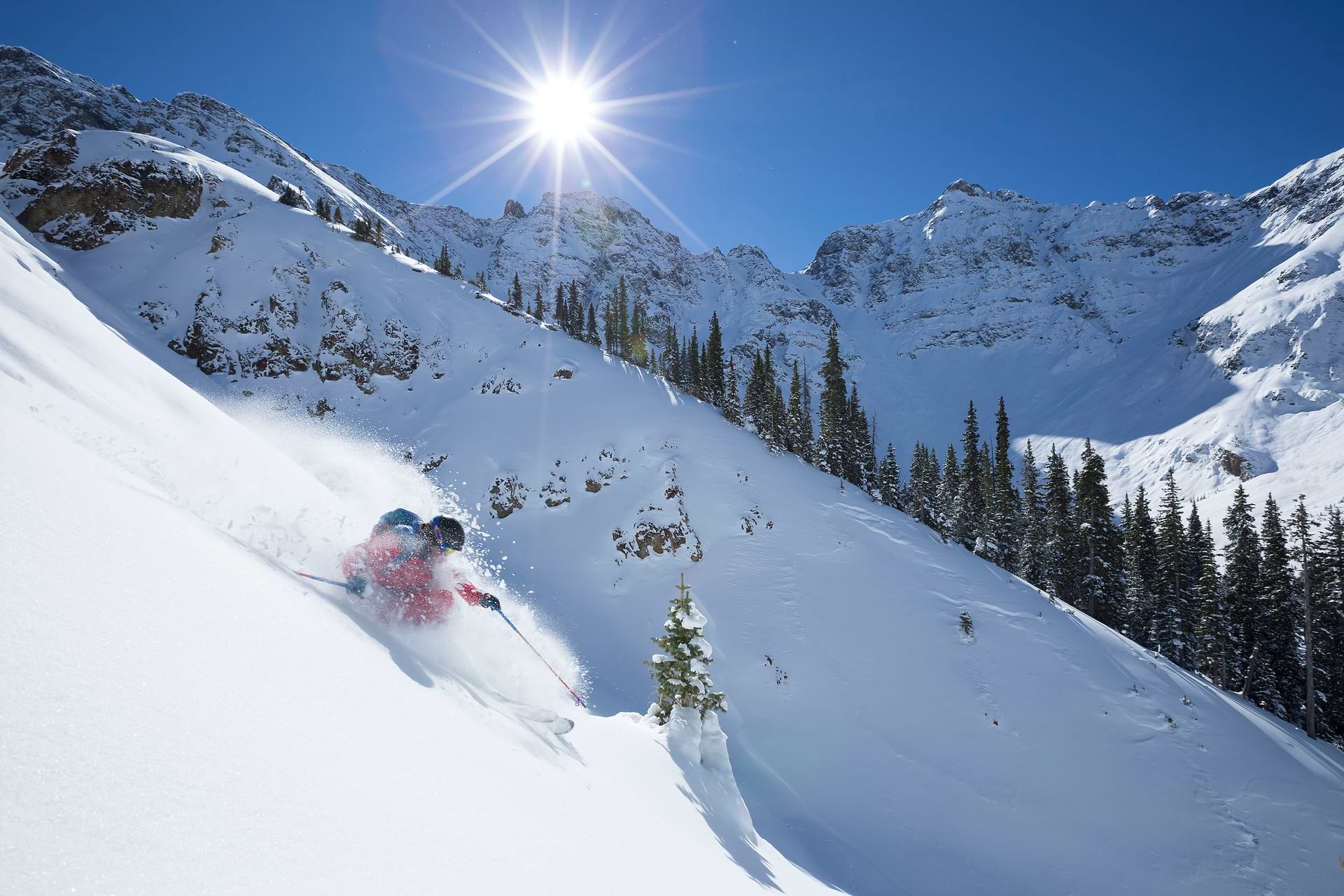
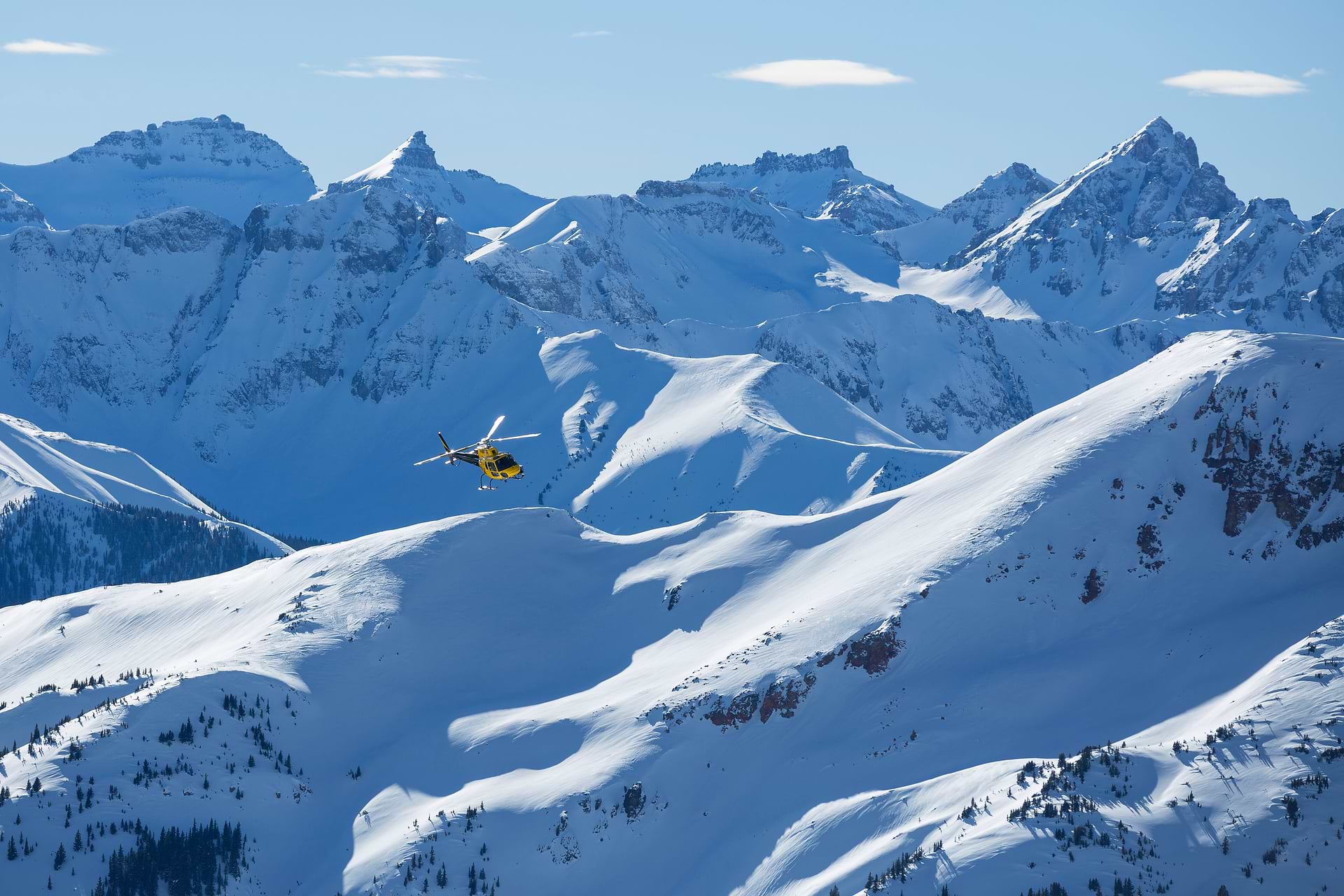
I have arrived for one reason: skiing at Silverton Mountain — the no-frills, backcountry-style ski area on the outskirts of town that draws in the hardiest of skiers and riders looking to get away from the gridlock and fussiness of today’s mega resorts. You will not come to Silverton for groomers and slopeside condos. This place has none of that. But it does have deep powder (10 meters a year, on average), uncrowded hike-to terrain, guided steep skiing, and the occasional heli drop into the backcountry.
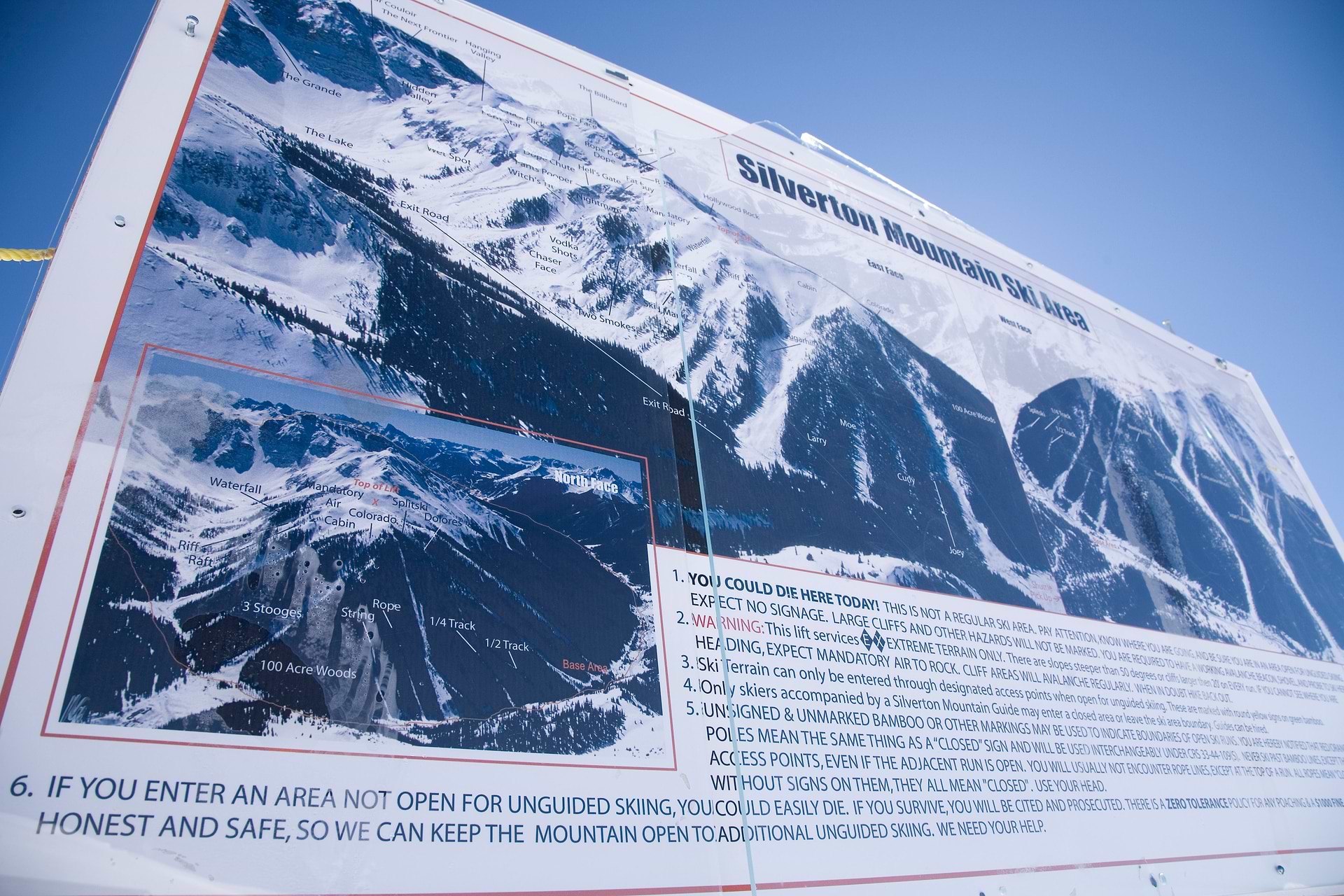
Think of Silverton as the La Grave of North America, a formidable mountain where a ski patrol does some avalanche mitigation, and there’s a lift to the top, but don’t expect hand-holding or signage for the easiest way down, because it does not exist.
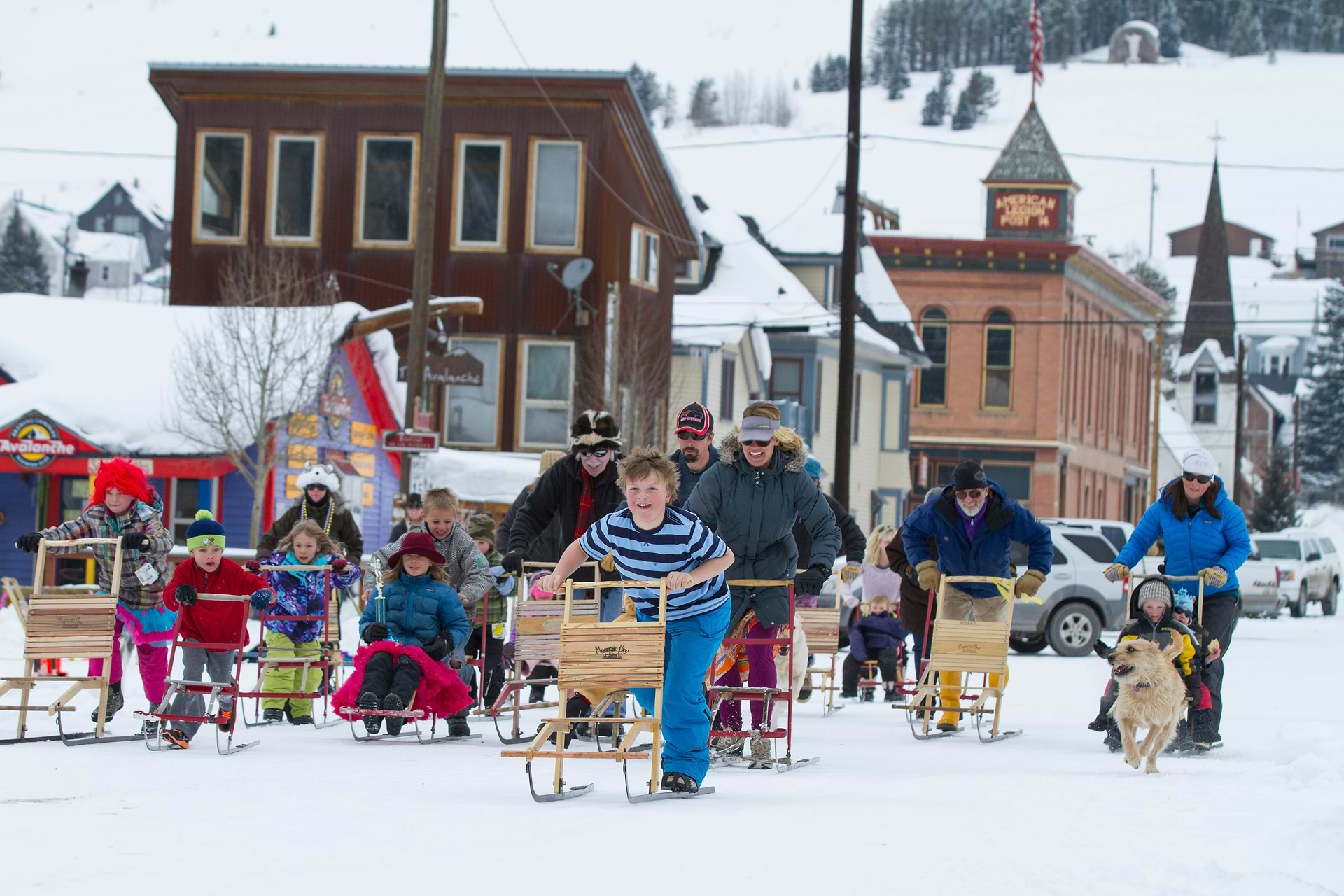
Off the start line at the annual Silverton kick sled rodeo, a local favorite for the young and old alike.
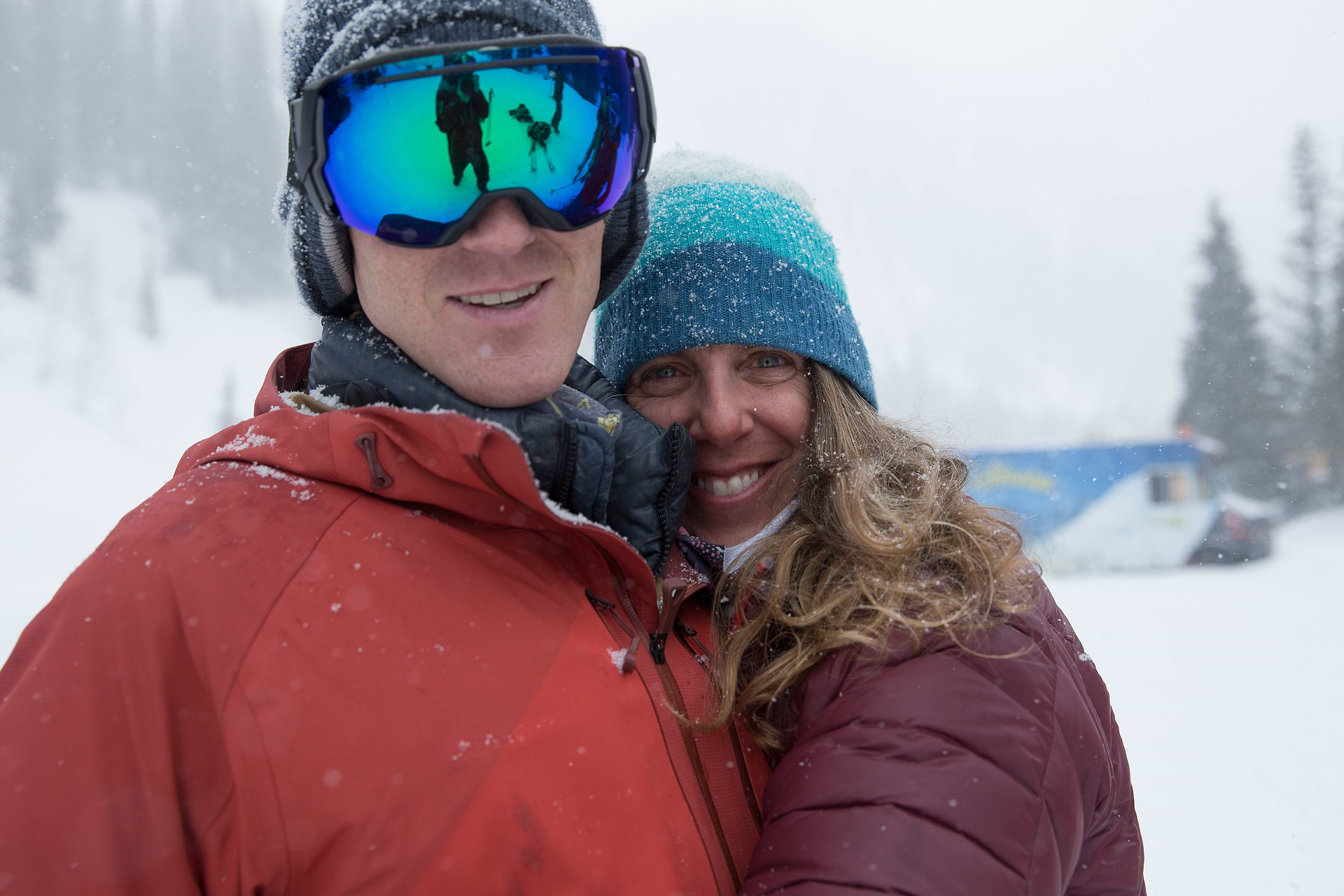
Deeply committed to each other and the sport they enjoy together, Silverton Mountains co-founders Aaron & Jenny Brill.
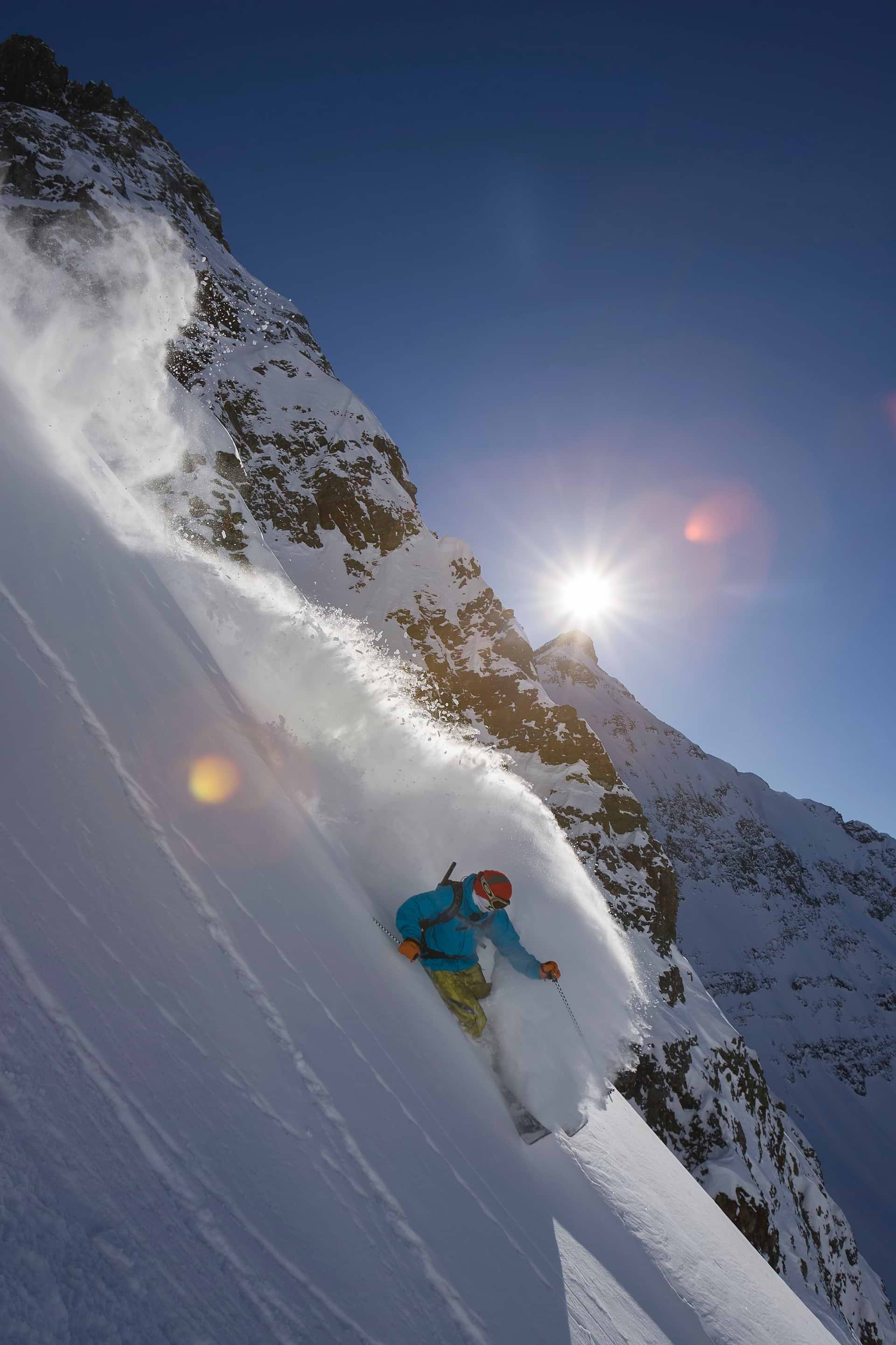
Pep Fujas captured in the truly steep and deep Silverton terrain.
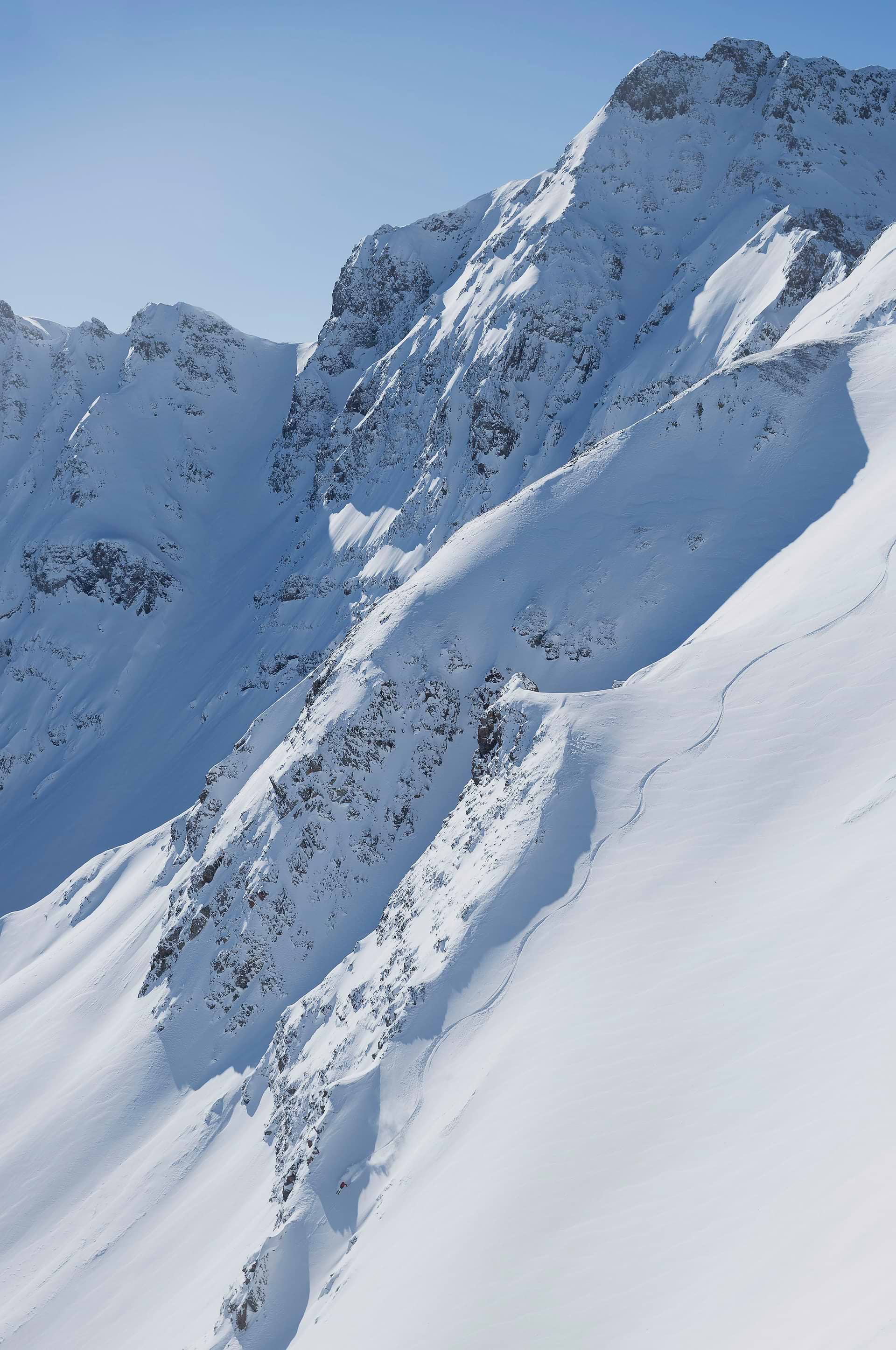
Tyler Peterson surfing the White Wave, one of Silverton’s most iconic runs.
Pep Fujas captured in the truly steep and deep Silverton terrain.
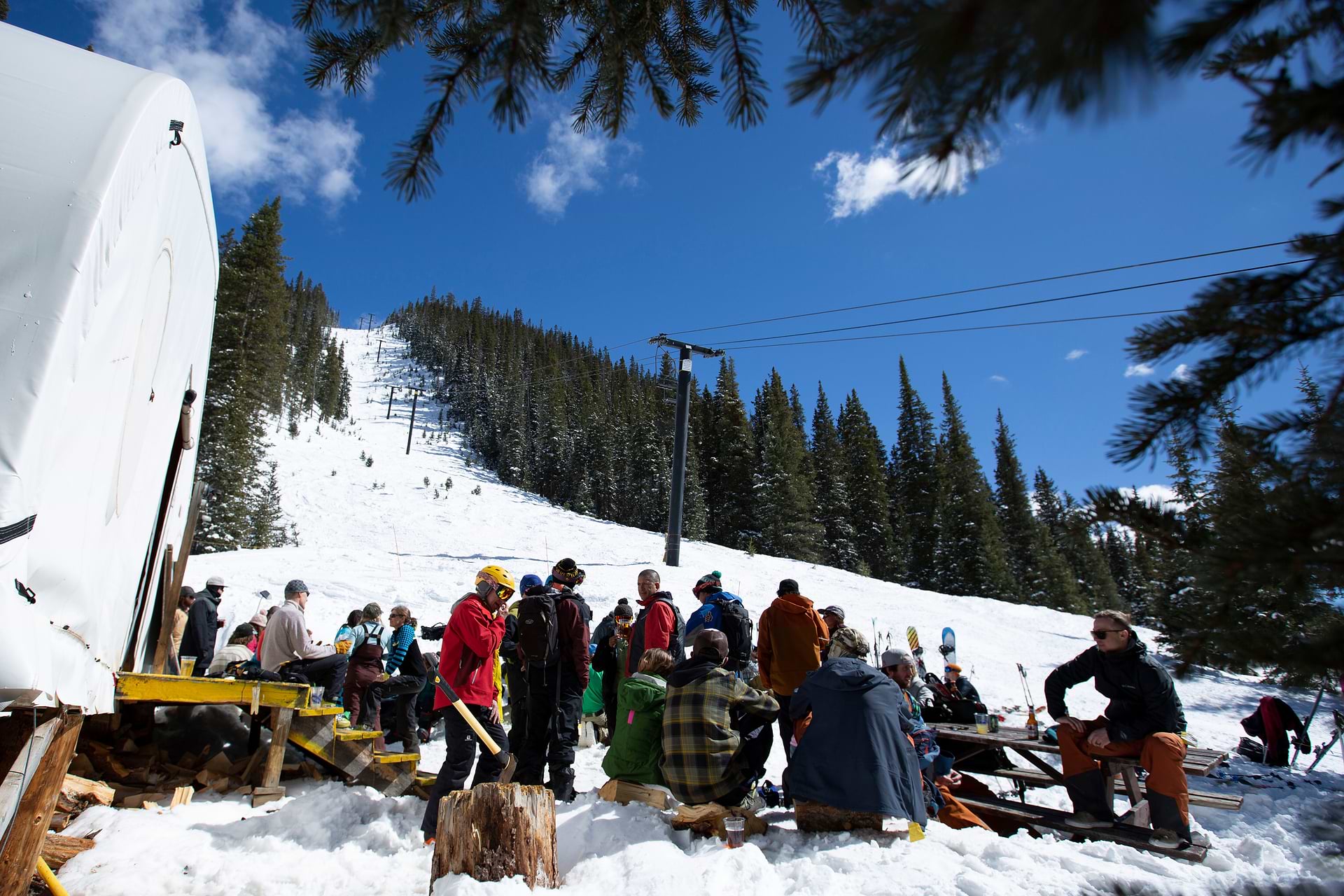
There’s no lodging at the mountain. In town, you can score a room at places like the Wyman Hotel or the Avon Hotel and Hostel — nothing fancy, but it’ll do. Six miles up a rough dirt road from town, you’ll find a basic yurt that serves as Silverton Mountain “base lodge,” a keg of beer that is the après-ski bar, and a retired school bus that returns you from the backside to the ski area’s lone chairlift.
On my first morning at Silverton, I slide into the lift corral expecting a crowd. There isn’t one. Silverton limits the number of tickets sold each day, and we’re far enough from civilization — Denver is at least six hours away — that this isn’t exactly a weekend getaway. The small town of Durango is just an hour south, so many visitors come from there.
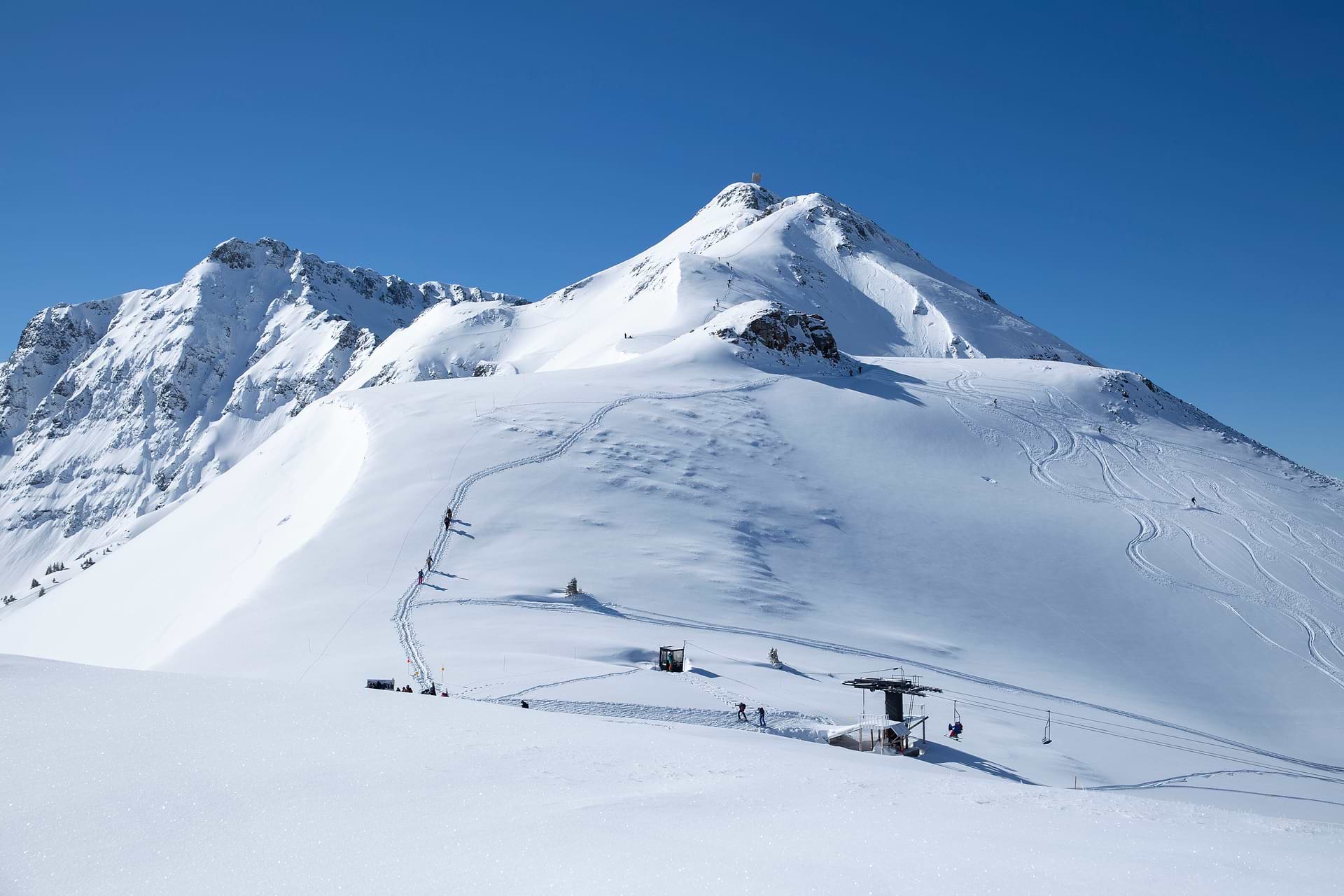
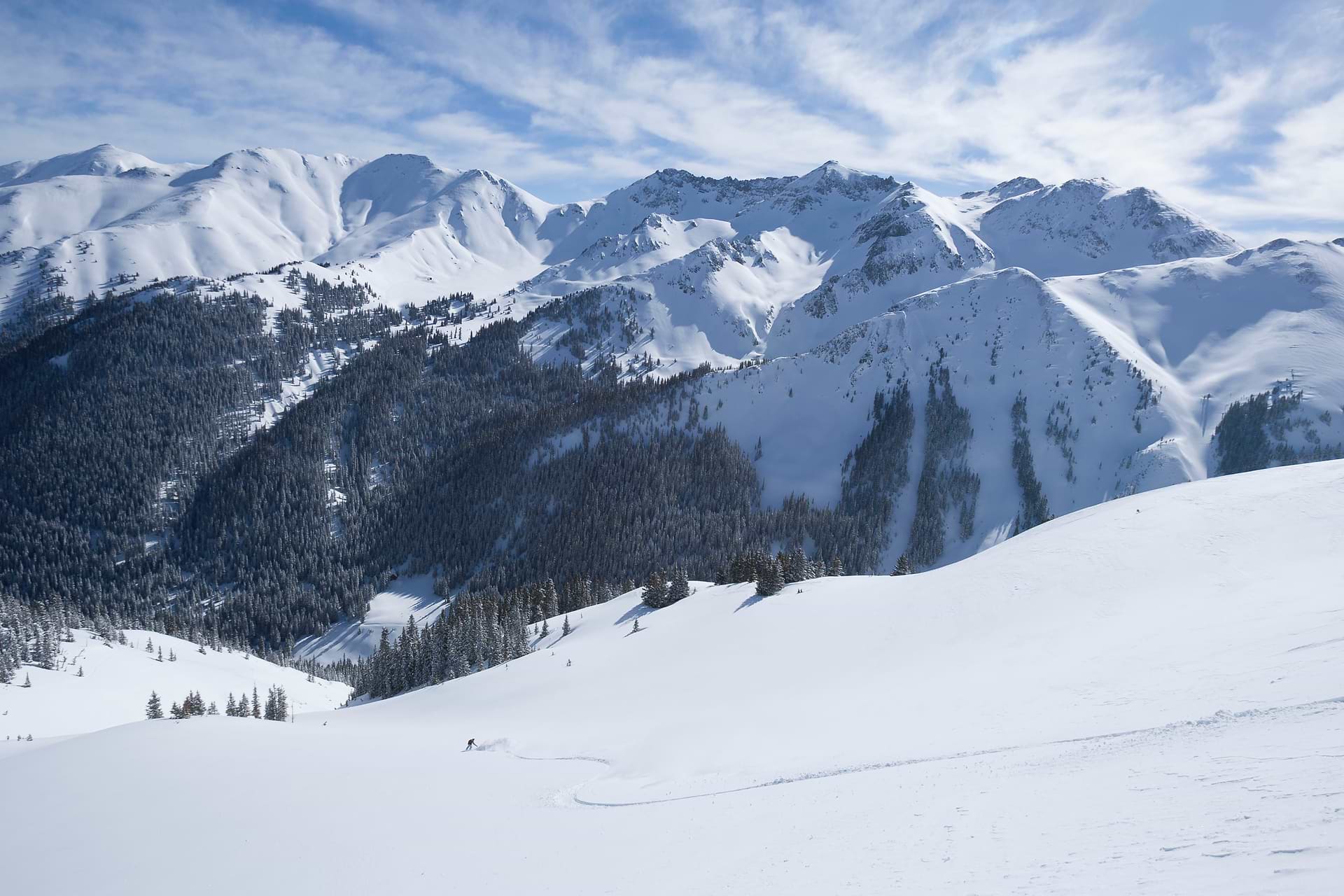
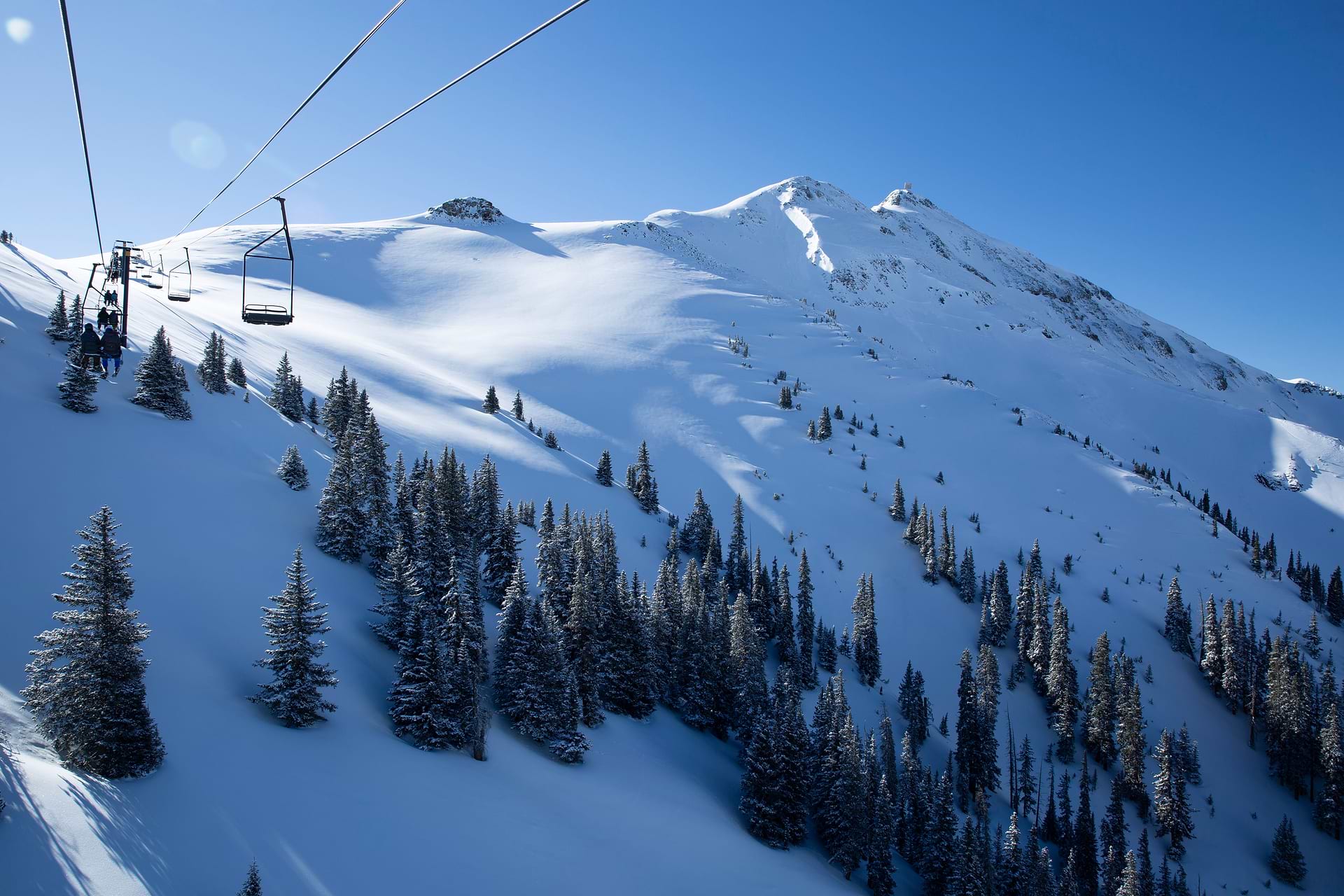
I load the one and only lift, a hand-me-down fixed-grip double chair that once operated at California’s Mammoth Mountain. It drops me at cloud-scraping 13,487 feet (a bit over 4000 meters), which is the highest lift-served skiing in North America. Before I can choose a way down, I stare into the wide-open abyss, jagged peaks in all directions and nothing in the way of infrastructure or development — the way skiing used to be before we made such a mess of it. Much of the best terrain requires a hike from the top of the lift, so off I go on a well-traveled bootpack before dropping into a steep chute from the top of the Billboard, the mountain’s high point.
Inspired by the community-run ski “fields” of New Zealand’s South Island, Aaron and Jen Brill opened Silverton Mountain in 2002, an absurdly ambitious project that required more funding, staffing, and logistics than they could have ever anticipated. In the years since, this out-of-the-way ski hill has become an institutional badge of honor.
Come early or late season, as I did, and you can ski unguided. If you arrive mid-winter, you’ll ski with a guide in small groups of eight or fewer. The guide will help mitigate avalanche risk and show you around a mountain that comes with no warning signs. (A lift ticket during the high season currently costs between $219 and $249 which includes a guide. Reservations are recommended. Unguided skiing is $99.)
On my last day at Silverton, I sign up for a single heli-ski drop — because where else are you going to heli-ski for under $200? The chopper picks me up at the top of the lift and carries me and my fellow passengers on a short journey to a neighboring peak, a pristine summit where I’m looking down at a line that’s entirely my own.

SCOTT DW SMITH a Colorado native, was born on the Front Range but ran away straight out of high school, landing in Durango and the mighty San Juans Mountains. Scott is a long-time freelance photographer and contributor to the snow sports industry for over 25 years. Snowboarding has been a lifelong passion since buckets were cut into bindings and metal edges were a dream come true. Long live the woody-powsurfer!
RELATED STORIES