Palisades Tahoe
The Cradle of Freeskiing
Classics
Words by: Megan Michelson
Photos by: Scott Gaffney and Jeff Engerbretson
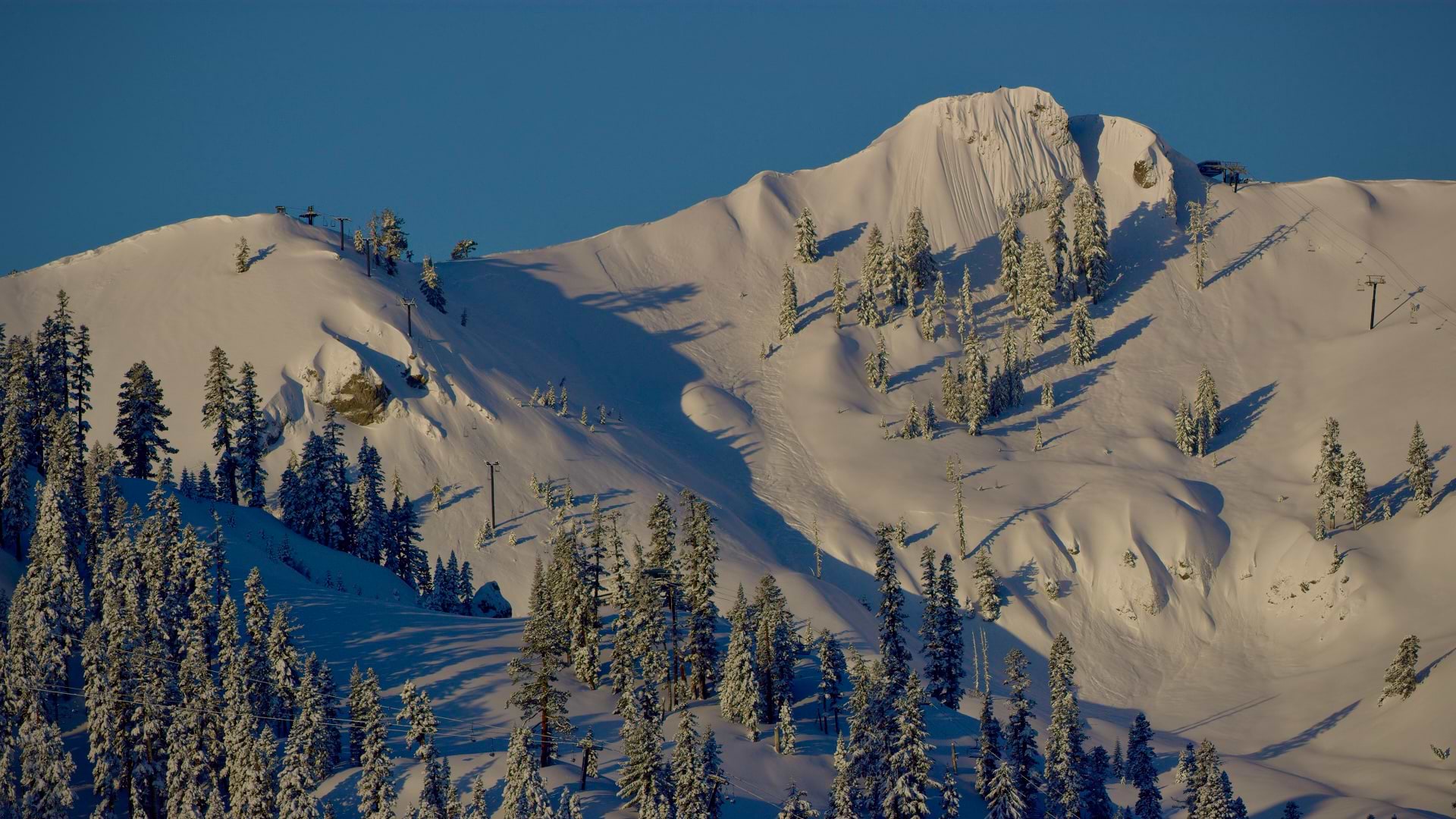
People don’t picture snow-covered mountains when they think of California. It’s all sunny beaches, right? Wrong! The Sierra Nevada Mountains, which form the spine of California, literally means “snowy mountains” in Spanish. As a result, ski resorts around Lake Tahoe on the California-Nevada border report the most significant snowfall in the Western U.S. The most famous of these is the legendary Palisades Tahoe (formerly Squaw Valley), the site of the 1960 Winter Olympic Games. This area is where ski stars from past to present have been raised, and many iconic ski movies have been filmed.
Local Knowledge
Palisades Tahoe is the kind of big, sprawling mountain where you should have a game plan before you go, especially on a powder day. Here’s insider info on how to ski the mountain like a local:
The two base areas
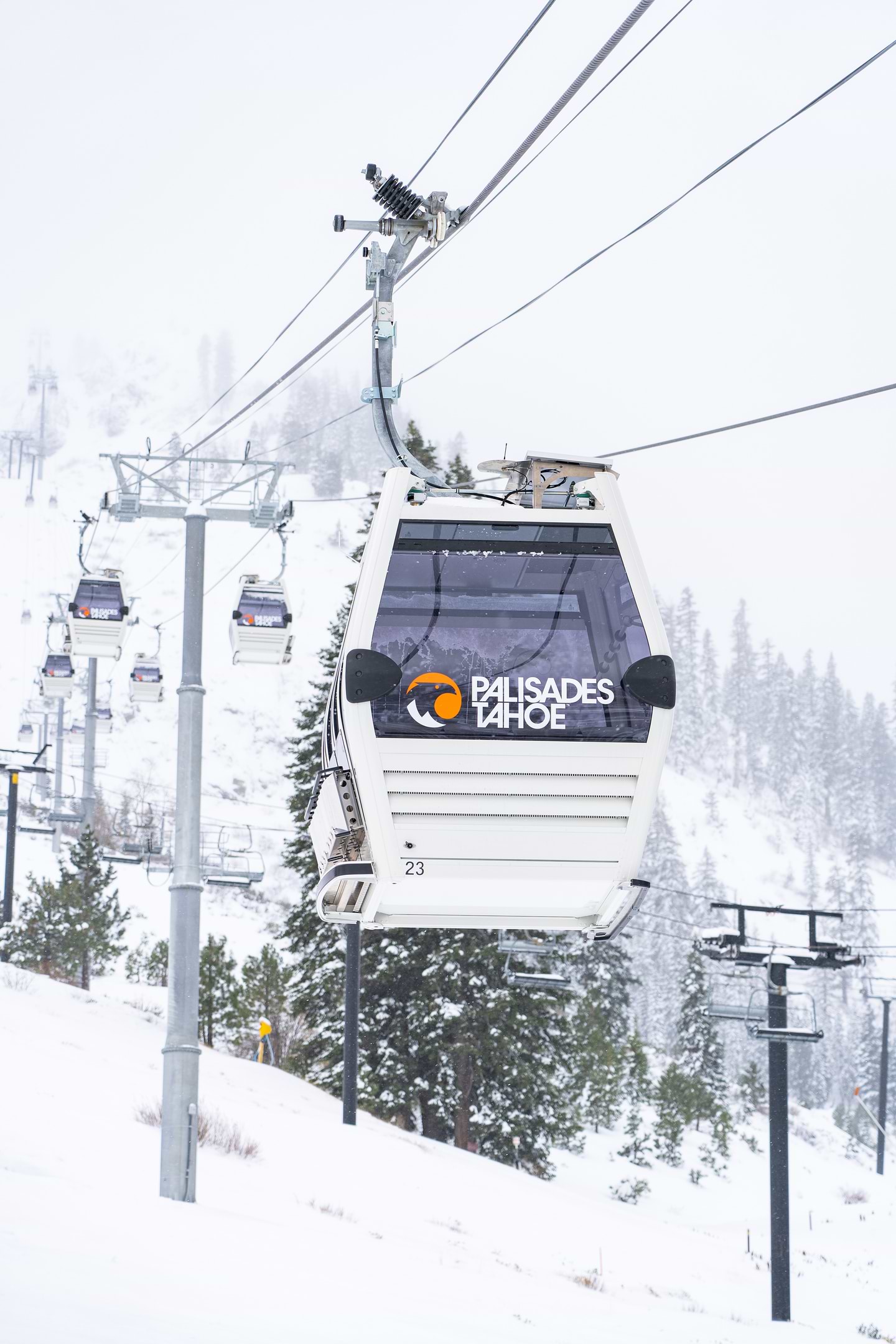
are now connected via the new Base to Base Gondola, which rises from the Village at Palisades Tahoe, makes a pitstop at the top of KT-22, and descends to Alpine Meadows in just 16 minutes. Park at either base and you can access the whole thing on one ticket.
Known as the Mothership —
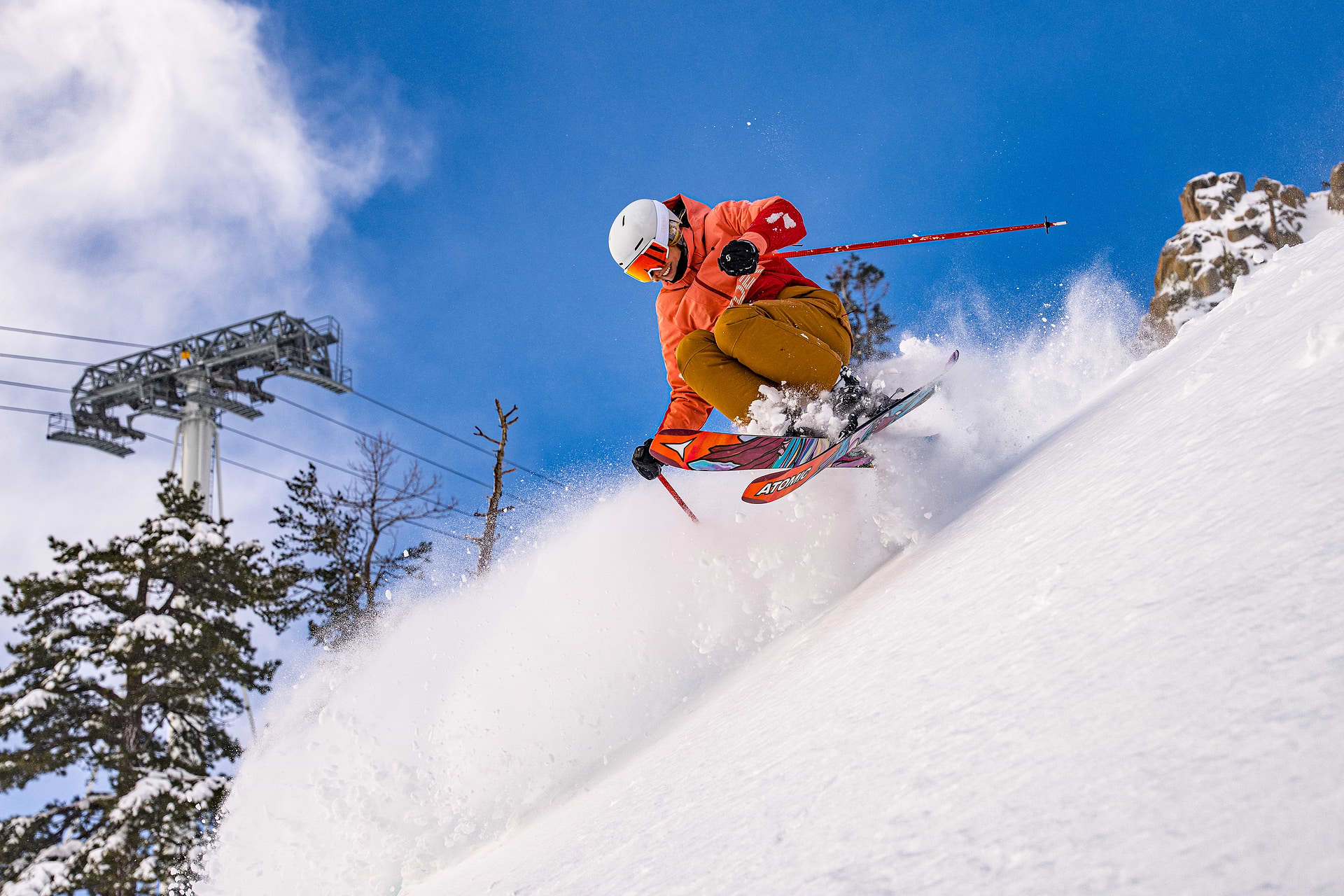
you cannot beat KT-22 on a powder day. After a storm, get there early and plan to wait in line — entertained by skiers dropping dicey chutes in the Fingers. The gladed tree skiing off Red Dog Ridge holds some of the deepest snow on the mountain.
Headwall Express
can get shut down due to high winds. If that chair is closed, you can still access Headwall’s terrain via what’s known as the Reverse Traverse. Ride Siberia Express, catch the well-traveled traverse underneath the Palisades, then sidestep the short pitch to the top of Headwall.
Silverado
is a slow relic of a three-person chairlift in a discrete back bowl that sees minimal traffic. When it’s open, this steep, powder-filled, and cliff-smattered zone is a favourite hideaway for those in the know.
The resort
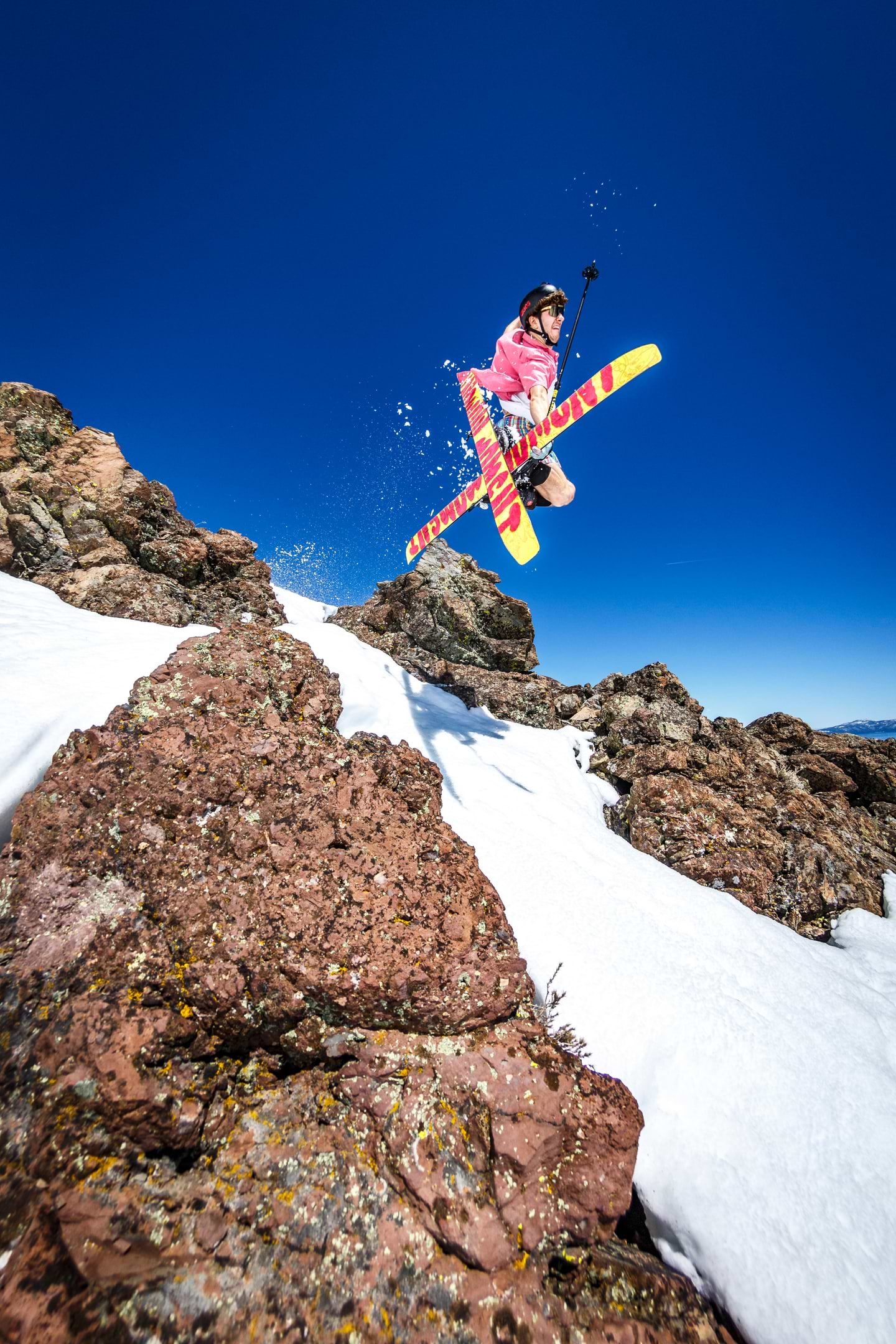
trademarked the term “Spring Skiing Capital” for a reason. You’ll find skiers in bikinis, live music on sunny decks, and sweet corn snow often into June and July. Hike High Traverse or hit Tower 16 under the tram from the top of Broken Arrow chair.
The two base areas
are now connected via the new Base to Base Gondola, which rises from the Village at Palisades Tahoe, makes a pitstop at the top of KT-22, and descends to Alpine Meadows in just 16 minutes. Park at either base and you can access the whole thing on one ticket.
Filmed by Scott Gaffney
Eat, Drink and be Merry
The Village
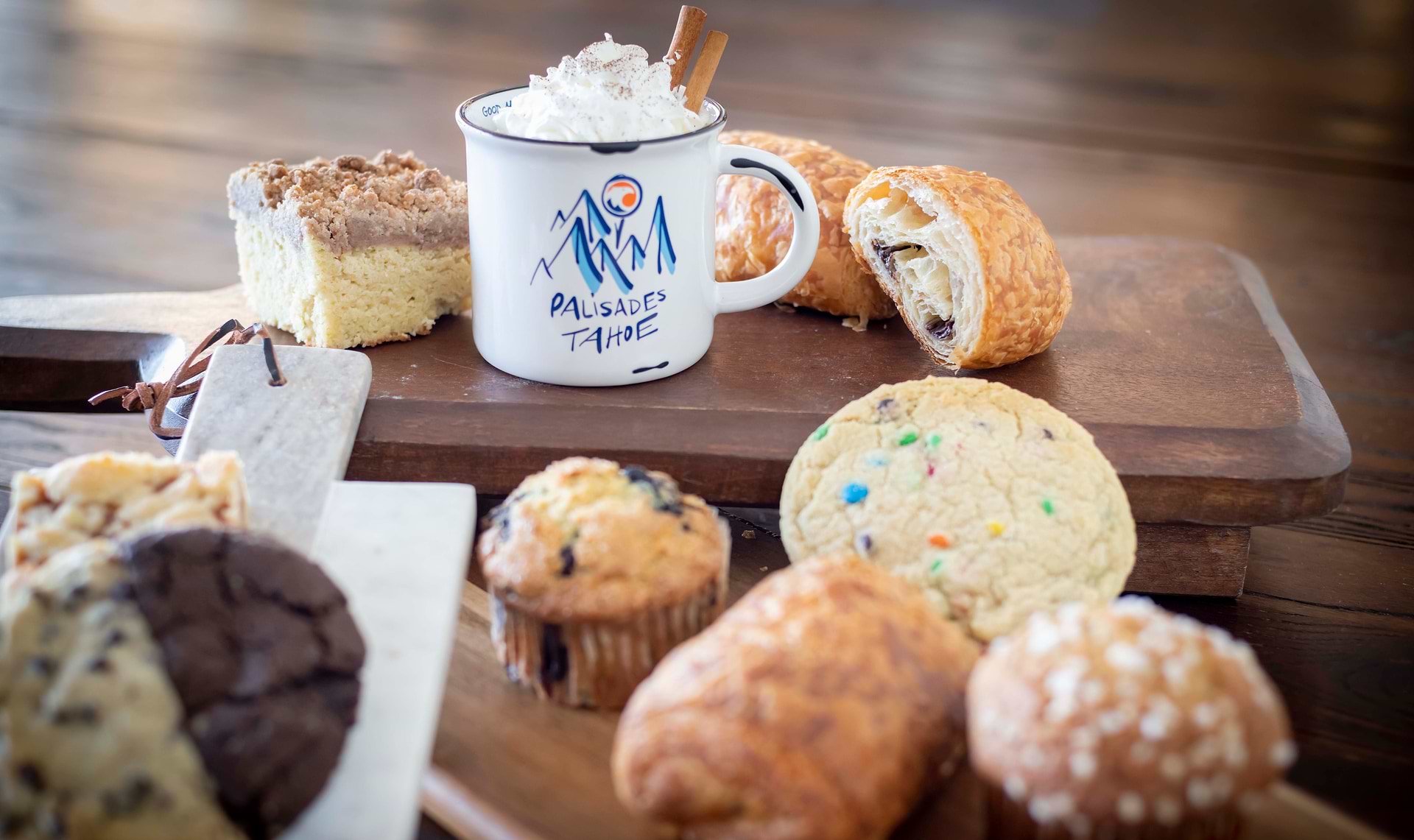
has various bars and restaurants, from fancy fine dining to rowdy ski-bum bars to kid-friendly pizzerias. Head to Coffeebar for high-powered espresso and a croissant to start your day. Vegan-friendly Sun Bowl Acai and Poke has smoothies and acai bowls if that’s more your scene.

Midday on the mountain
means pricy burgers and fries at the Gold Coast Lodge atop the Funitel, or head to Olympic House at the base for wraps and chilli and a chocolate chip cookie from Wildflour Baking Company, a fav of every Mighty Mite shredder and pro skier on the mountain.
Palisade après options
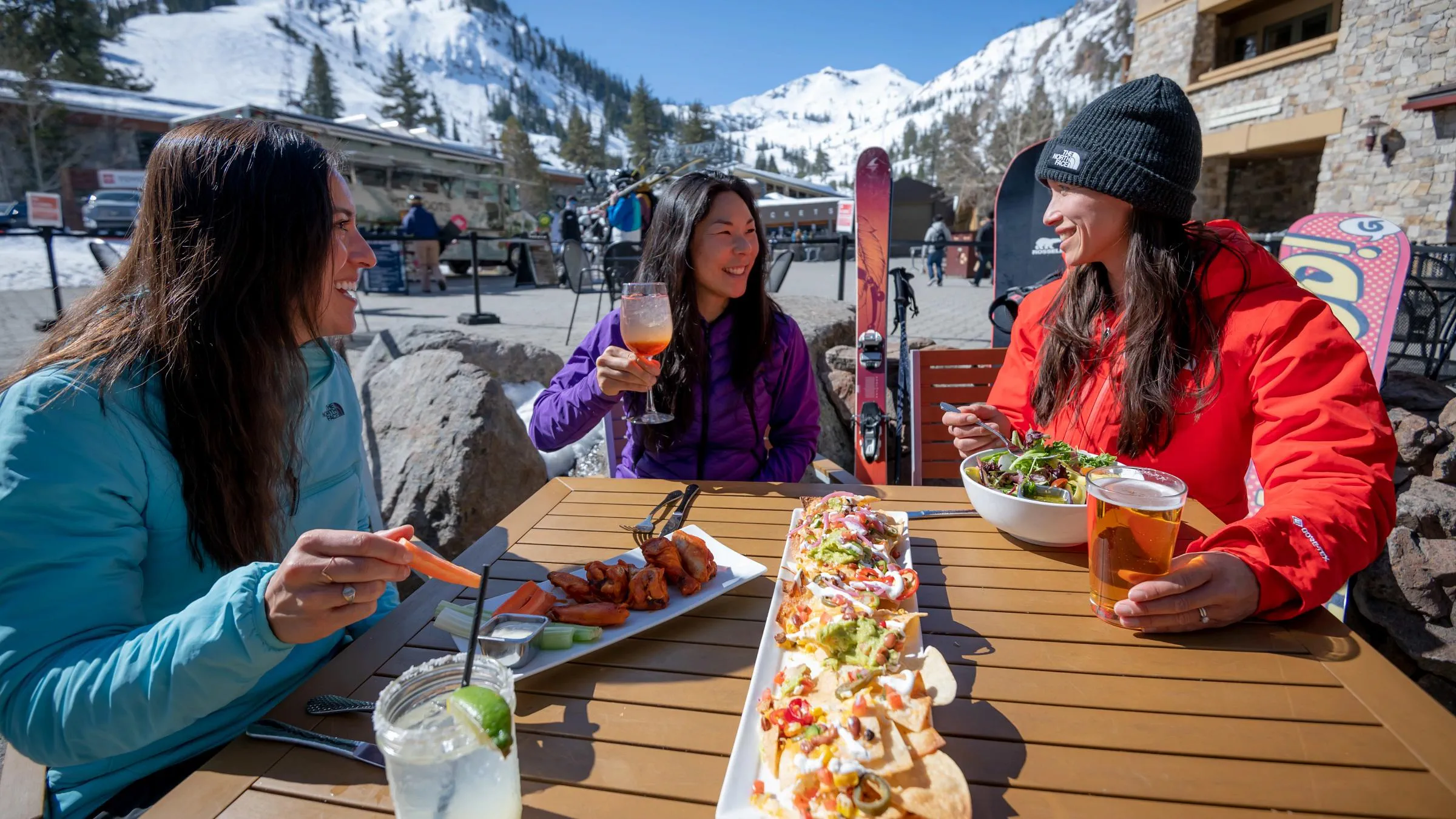
include Le Chamois (the “Chammy”) for beer by the pitcher and pizza slices from downstairs; the Slot Bar for a tightly packed who’s who of Tahoe; tacos and margs at Tremigo; Plumpjack Cafe for a wine-bar-and-white-tablecloth vibe; or family-friendly Rocker or Fireside Pizza Company in the village.

Alpine Meadows options
are more limited: the Mogrog Cafe has yummy breakfast sandwiches and European-style lunches. Treats is your go-to spot for coffee, cookies, and croissant sandwiches. The mid-mountain Chalet is the spot for mid-day or après bratwurst and a beer on the recently expanded outdoor deck.
The Village
has various bars and restaurants, from fancy fine dining to rowdy ski-bum bars to kid-friendly pizzerias. Head to Coffeebar for high-powered espresso and a croissant to start your day. Vegan-friendly Sun Bowl Acai and Poke has smoothies and acai bowls if that’s more your scene.
Sleep
The condos at the Village at Palisades Tahoe have fireplaces and eight hot tubs and are just steps from the slopes — so they can be pricey; the village itself has comfy hotel rooms at Plumpjack Inn and condos at Red Wolf Lodge. Tahoe City is a short drive away with more affordable hotel rooms, including rustic hip decor at Base Camp Tahoe City.
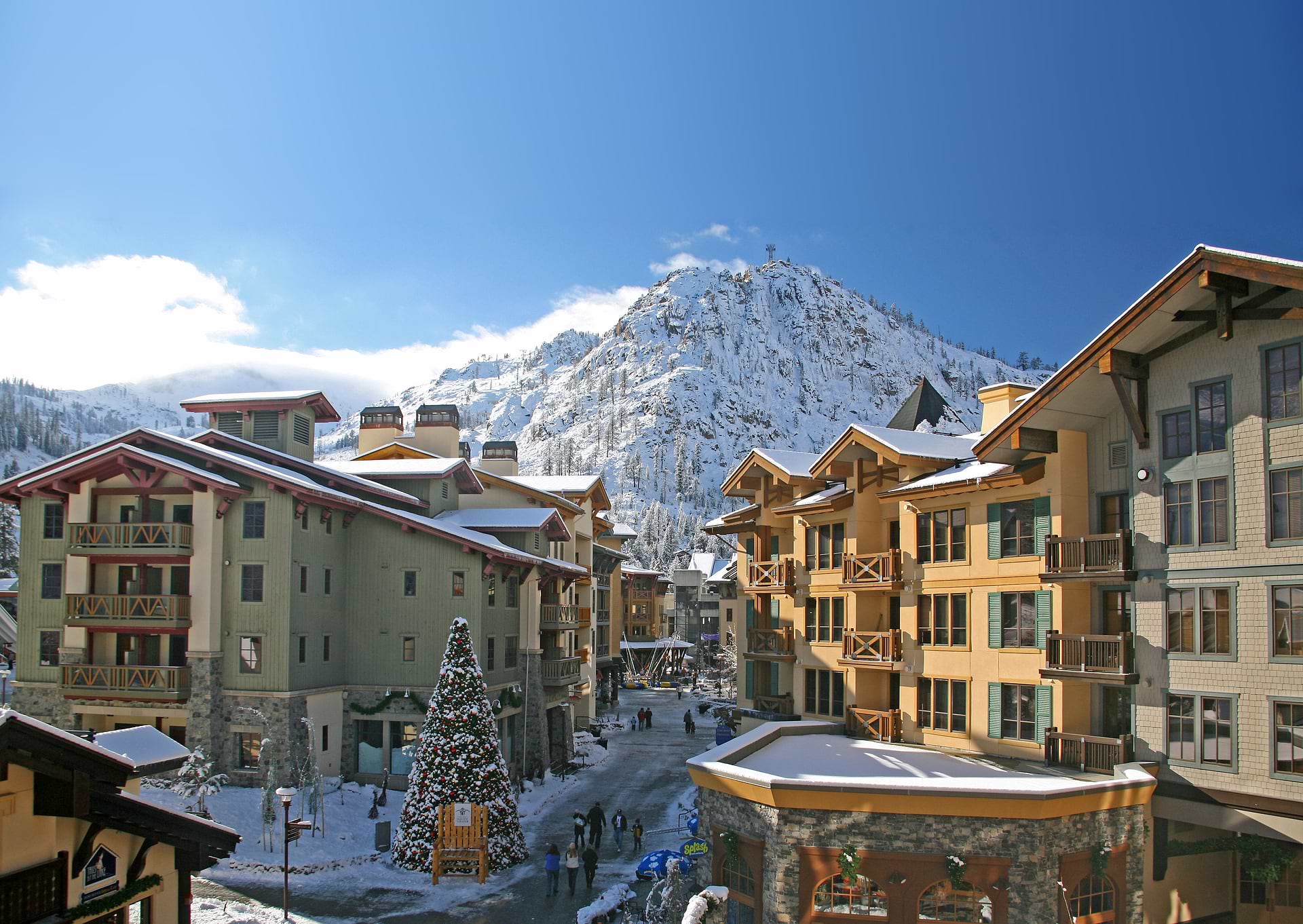
The Village at Palisades Tahoe is in the heart of all activities and a perfect location to be based.
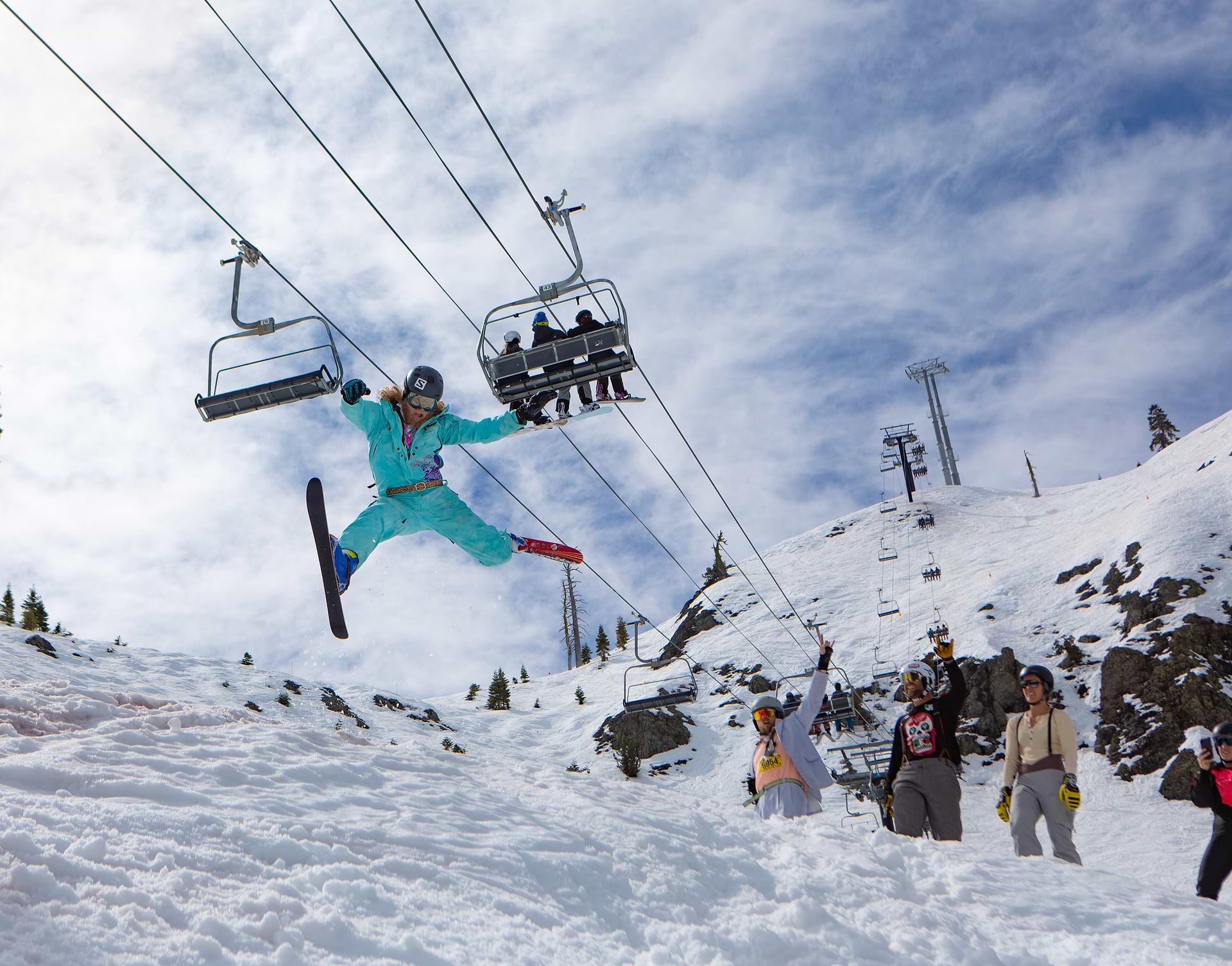
Pain McShlonkey is an annual event at Palisades Tahoe in honour of Shane McConkey to celebrate camaraderie and fun times. Dress out and get weird. The 2024 Pain McShlonkey is on March 23rd.
The Village at Palisades Tahoe is in the heart of all activities and a perfect location to be based.
Other Stuff
Your kids — or your inner child — will love the disco tubing on selected Saturday nights in the SnoVentures Activity Zone at the base of Palisades Tahoe. There’s a DJ spinning tracks and laser lights as you zoom down on an inflated tube.
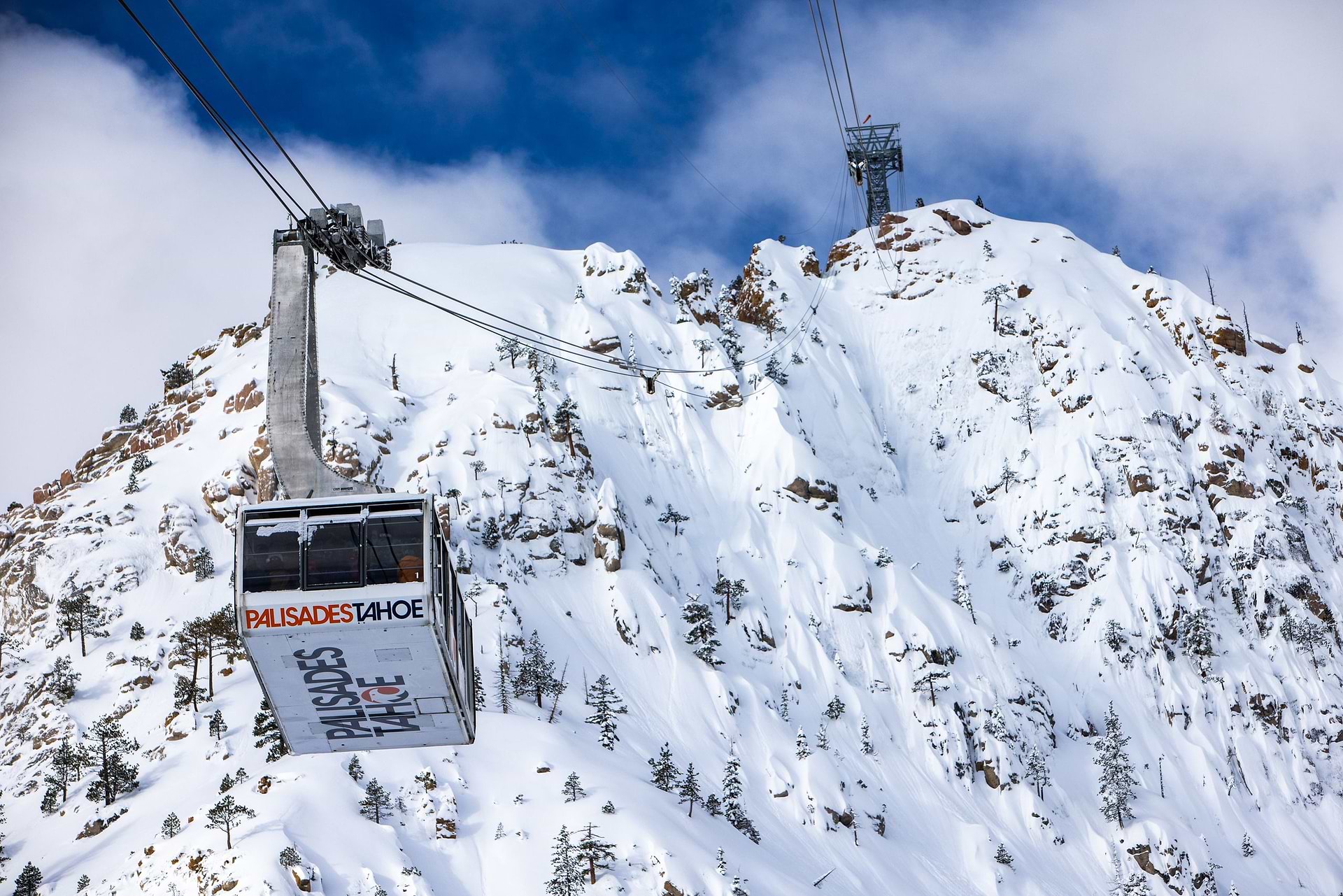
Ride the tram up to High Camp — skiers and non-skiers alike are welcome — for a scenic tour and stellar views of Lake Tahoe. The Olympic Museum at the top is worth browsing for 1960 Winter Olympic history, and there’s a new Washoe Display to learn about the Washoe tribe — the indigenous people that first inhabited the valley.
Off the mountain, there’s Nordic skiing at Tahoe XC, ice skating at the Tahoe City Winter Sports Park, and a new indoor climbing gym in Truckee called High Altitude Fitness.
Don't Miss
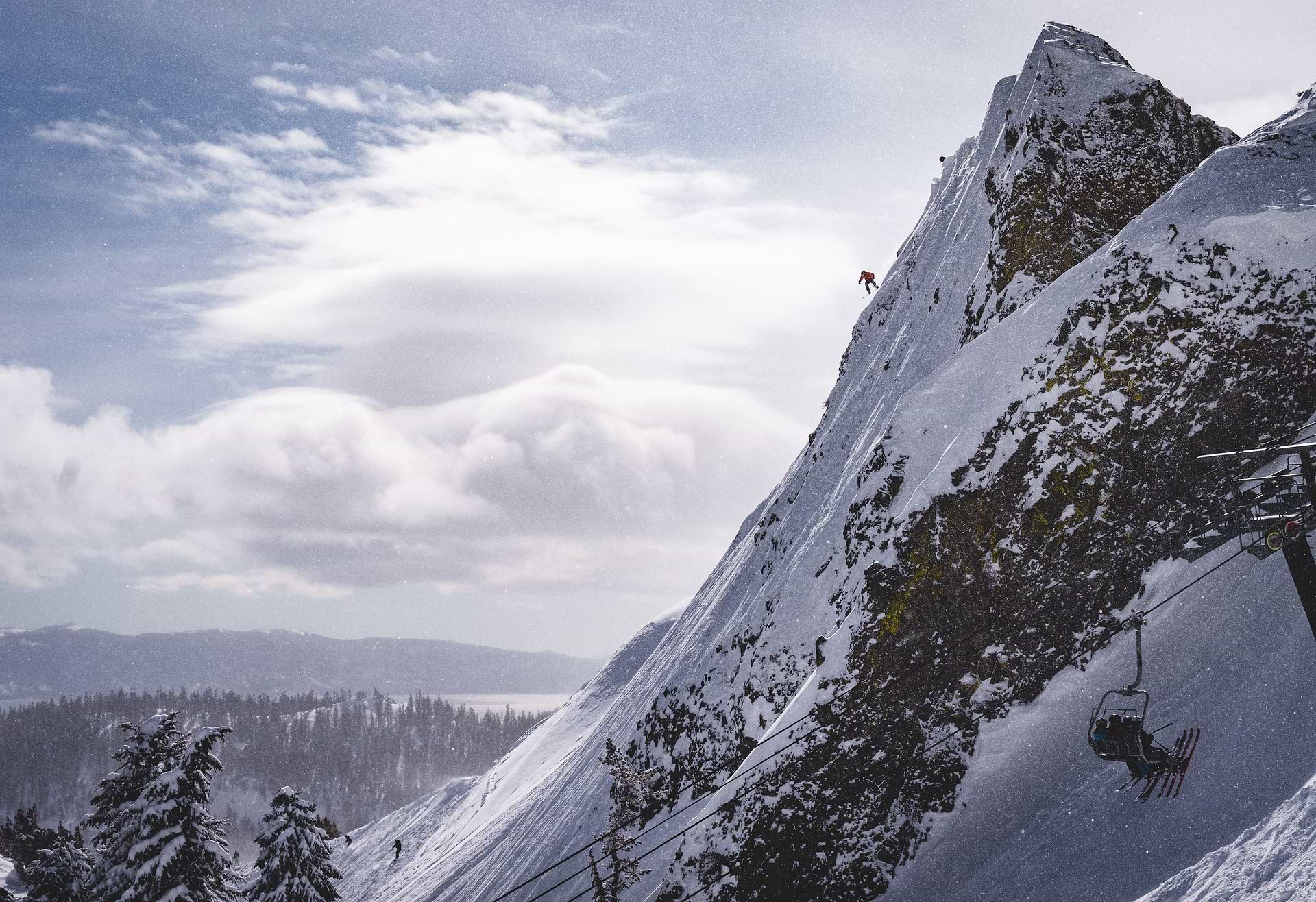
At the top of KT-22, look to your left, atop the rocky spire known as McConkey’s or Eagle’s Nest. You’ll see a sculpture of an eagle, put there in memory of the late legendary freeskier Shane McConkey.
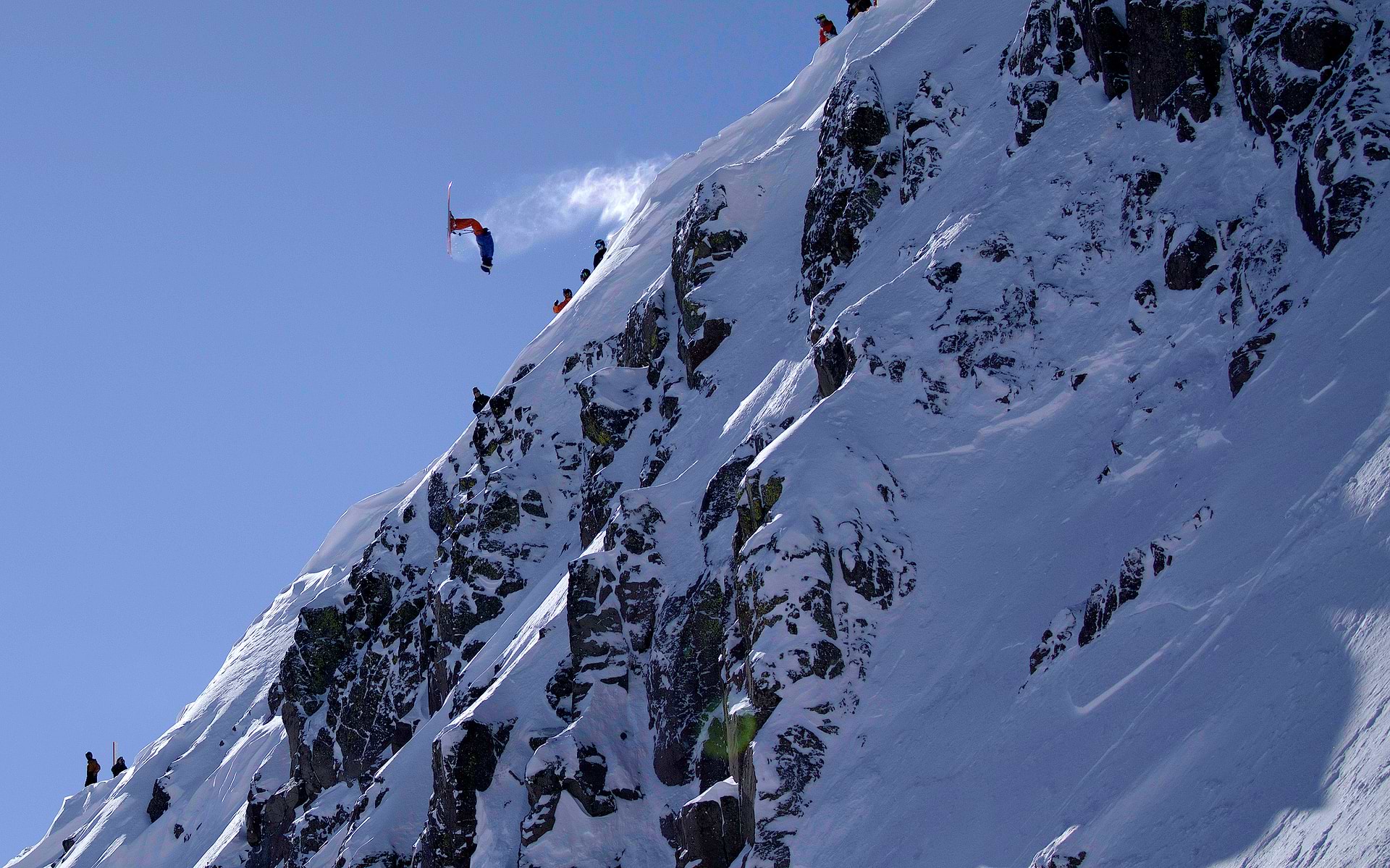
A must-do (for those capable) is the bootpack up to Palisades, the iconic set of north-facing chutes that gave the resort its new name. There’s no easy way down from here, but the mellowest descent is National Chute — a wide but still very steep and expert-only ramp that drops off the summit's farthest skier’s right side.
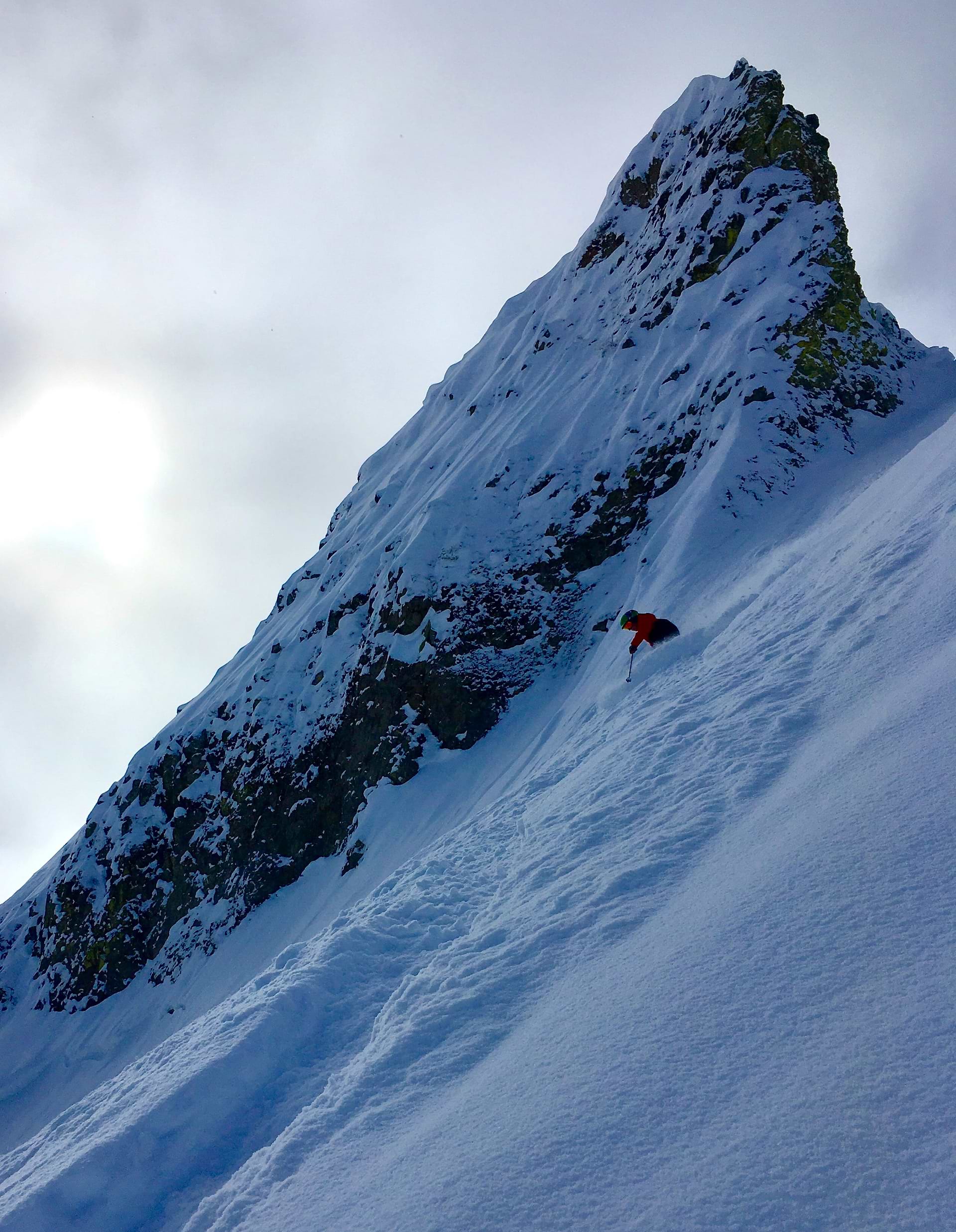
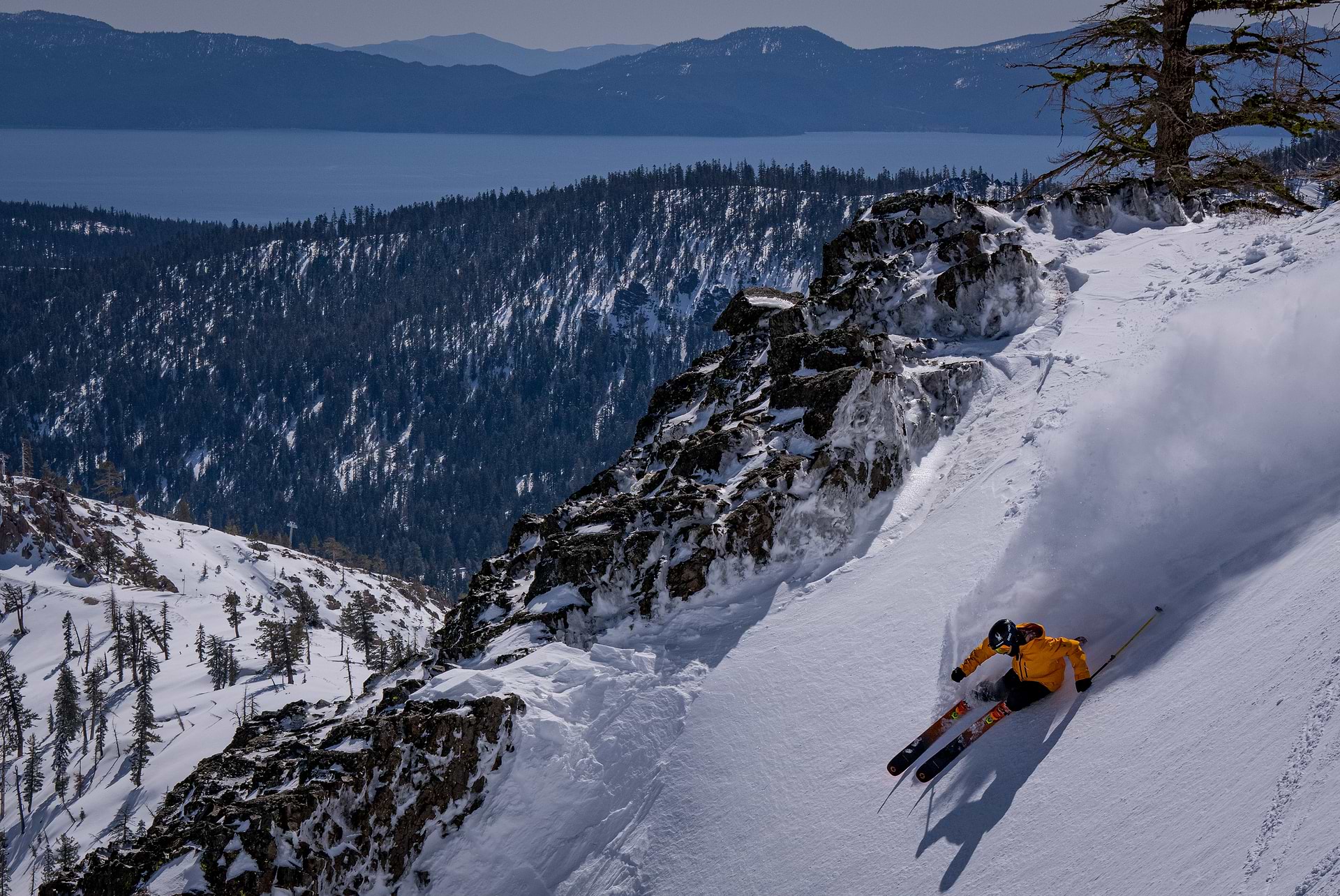
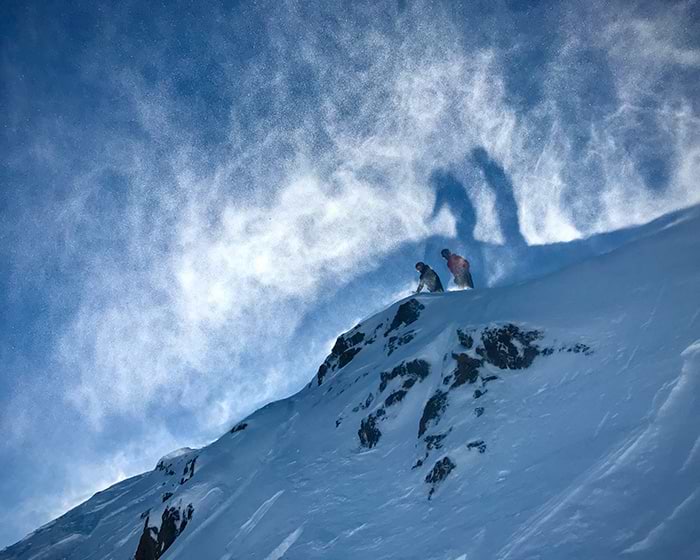
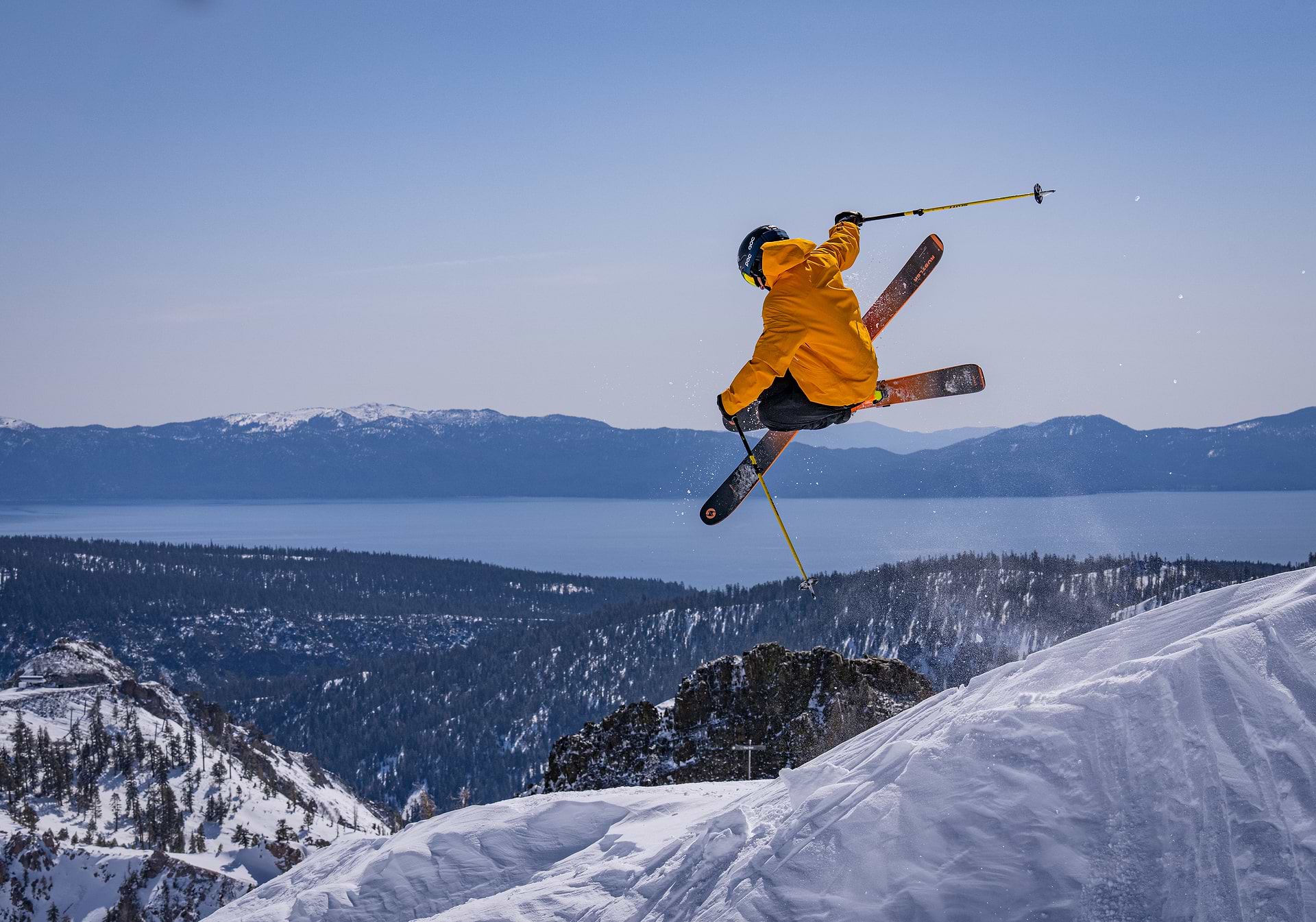
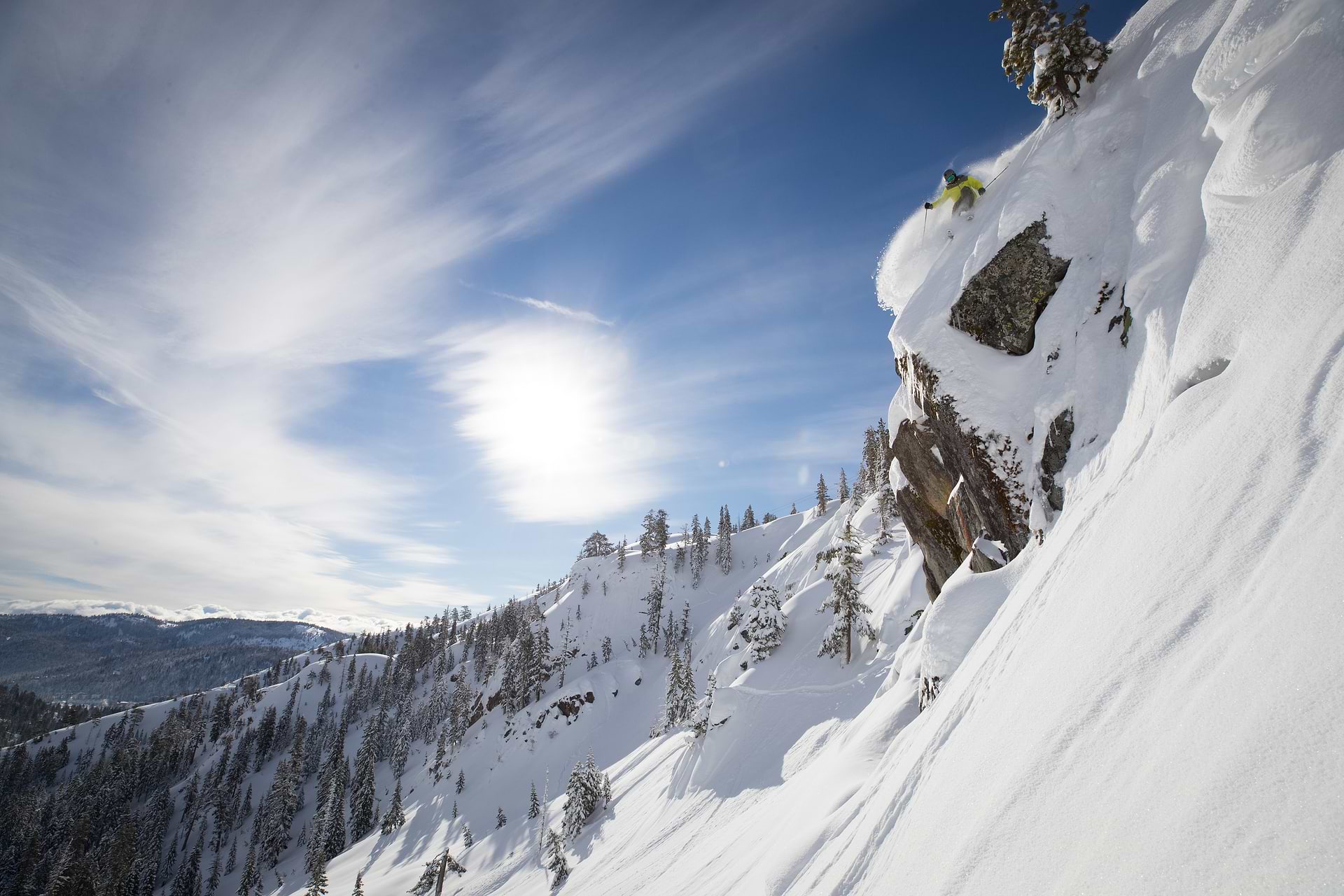
Sage Gaffney captured just below Eagle’s Nest. Photo by Scott Gaffney
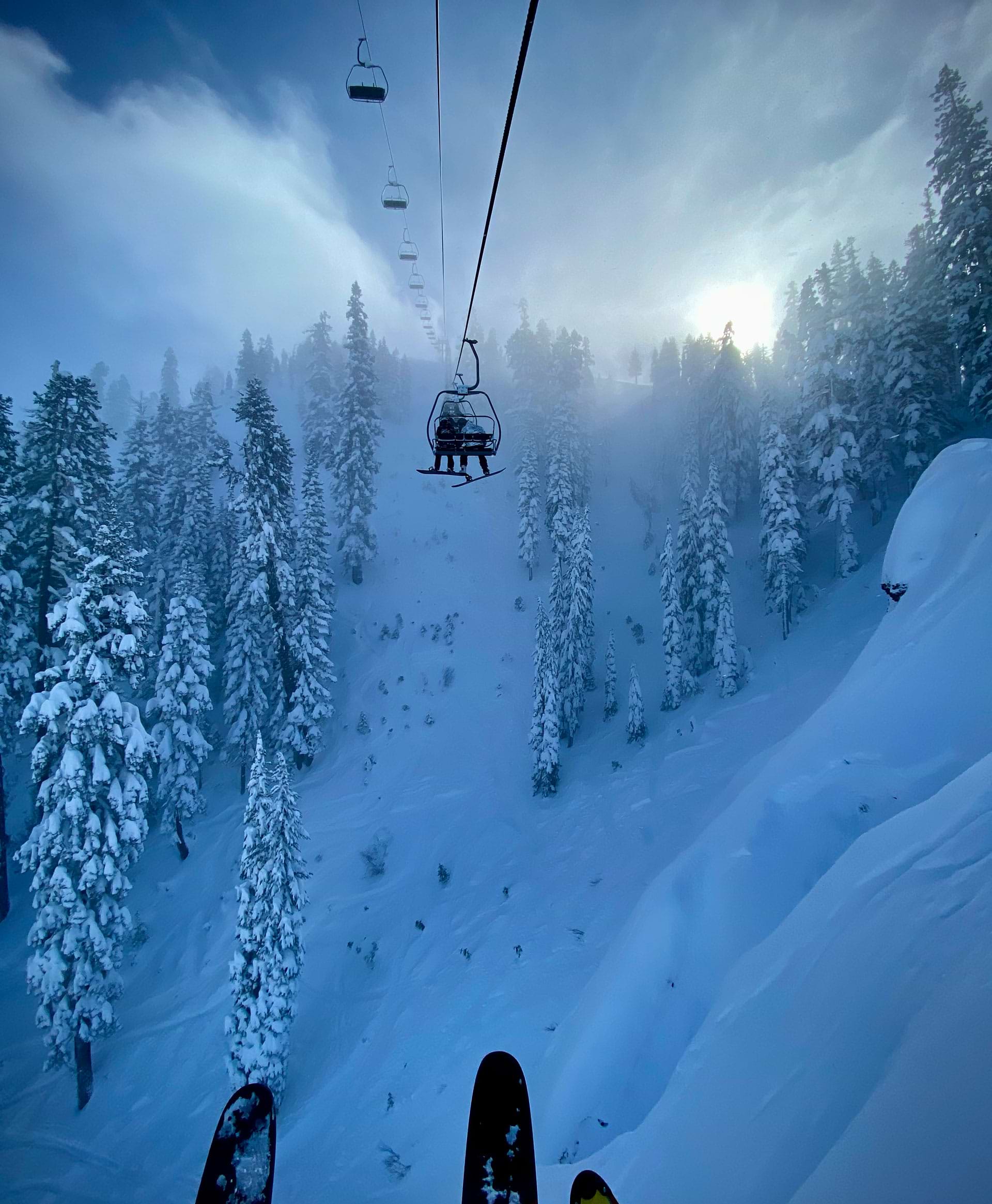
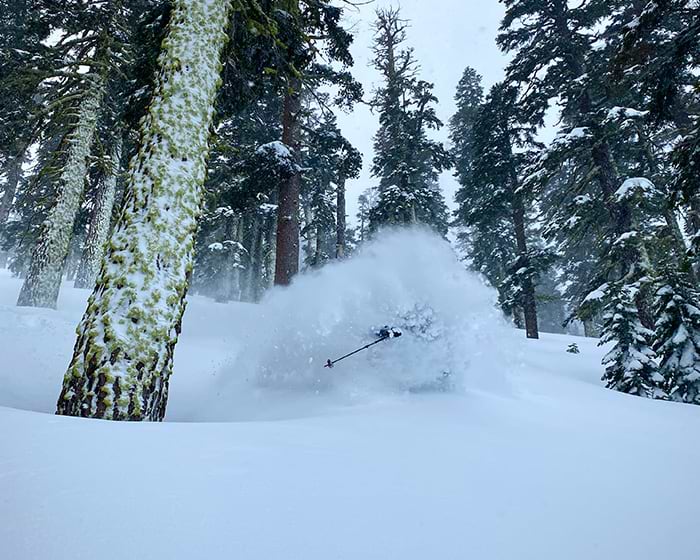
The anticipation while riding the Red Dog chair on a pow morning. Photo by Scott Gaffney
Sage Gaffney captured just below Eagle’s Nest. Photo by Scott Gaffney
Just the Facts
Palisades Tahoe is a magnet for storms coming in from the Pacific, given its location atop the Pacific Crest in the Sierra Nevada mountains. Even with 10 metres of snow/year, the resort also gets 300 days of sunshine annually. Plus, there’s a whopping 2,428 hectares to explore … so the numbers add up nicely.
• Skiable area: Olympic Valley: 3,600 acres (1,456 hectares) & 170 trails; Alpine Meadows: 2,400 acres (971 hectares) & 100 trails
• Parks: 5 terrain parks
• Longest run: Mountain Run at 5.15 km
• Terrain mix: 25%/45%/30%
• Lifts: 42 total; capacity 53,500 skiers/hr.
• Average annual snowfall: 10.16 m
• Snowmaking coverage: 11/29 lifts at Olympic Valley; 9/11 lifts at Alpine Meadows
• Olympic Valley: vertical 869 m; top elevation 2,758 m
• Alpine Meadows: vertical 549 m; top elevation 2,758 m
Getting there: From the airport in Reno, Nevada, it’s about an hour by car or shuttle via Interstate 80, or 154 kilometres from Sacramento and 315 kilometres from San Francisco) but you’ll drive over the snowy Donner Summit, where chains or four-wheel-drive are often required.

MEGAN MICHELSON is a freelance writer and editor based in Tahoe City, California. A regular contributor to Outside, Backcountry, and SKI magazines and the former freeskiing editor for ESPN.com, she’s traveled to report on skiing all over the world. Megan is proficient at ballet skiing and always carries pocket PBJs on the hill.
MEGAN MICHELSON is a freelance writer and editor based in Tahoe City, California. A regular contributor to Outside, Backcountry, and SKI magazines and the former freeskiing editor for ESPN.com, she’s traveled to report on skiing all over the world. Megan is proficient at ballet skiing and always carries pocket PBJs on the hill.
RELATED STORIES