St. Anton am Arlberg
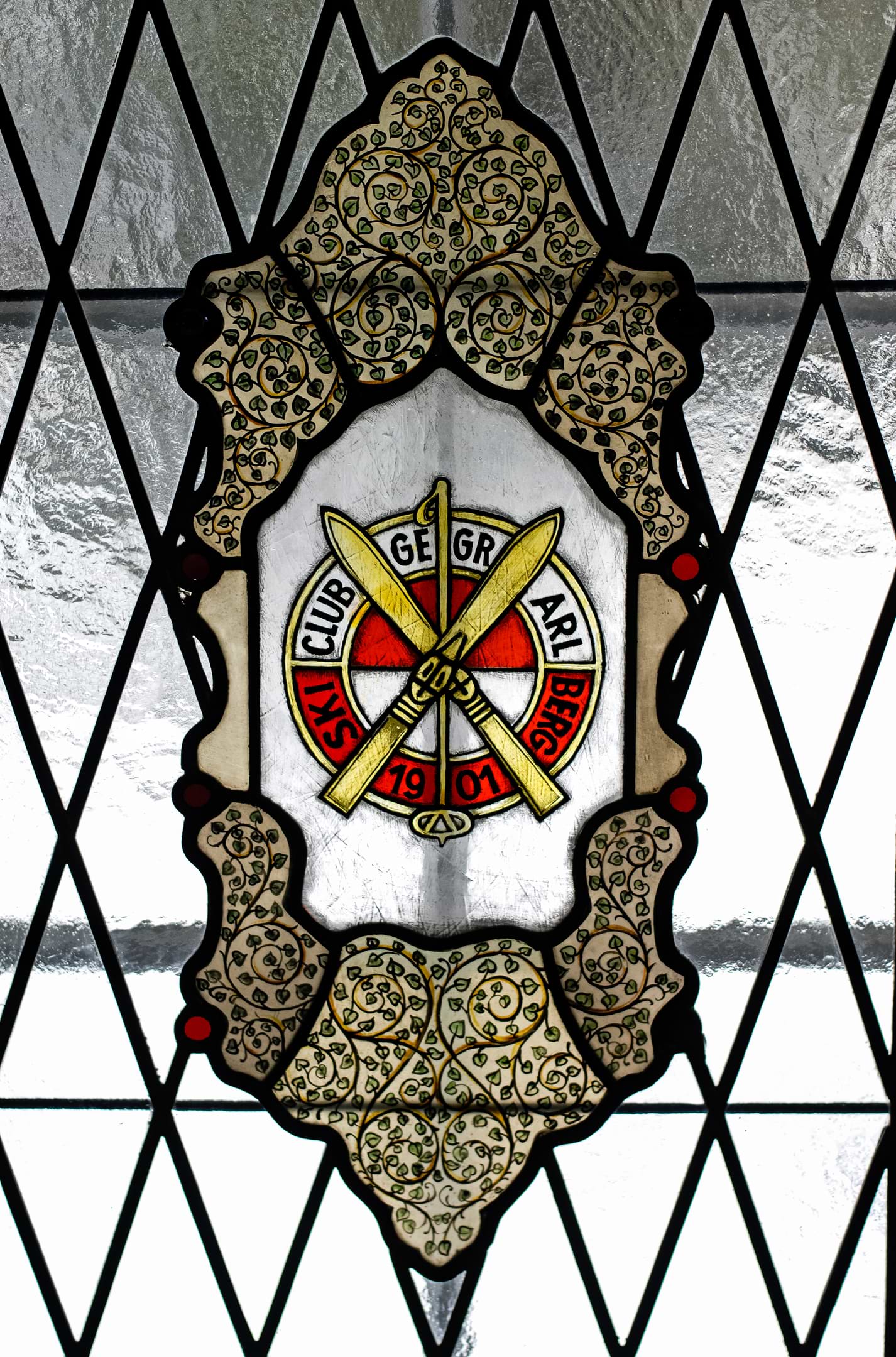
The cradle of alpine skiing
Classics
Words by: Leslie Anthony
Photos by: Mattias Fredriksson
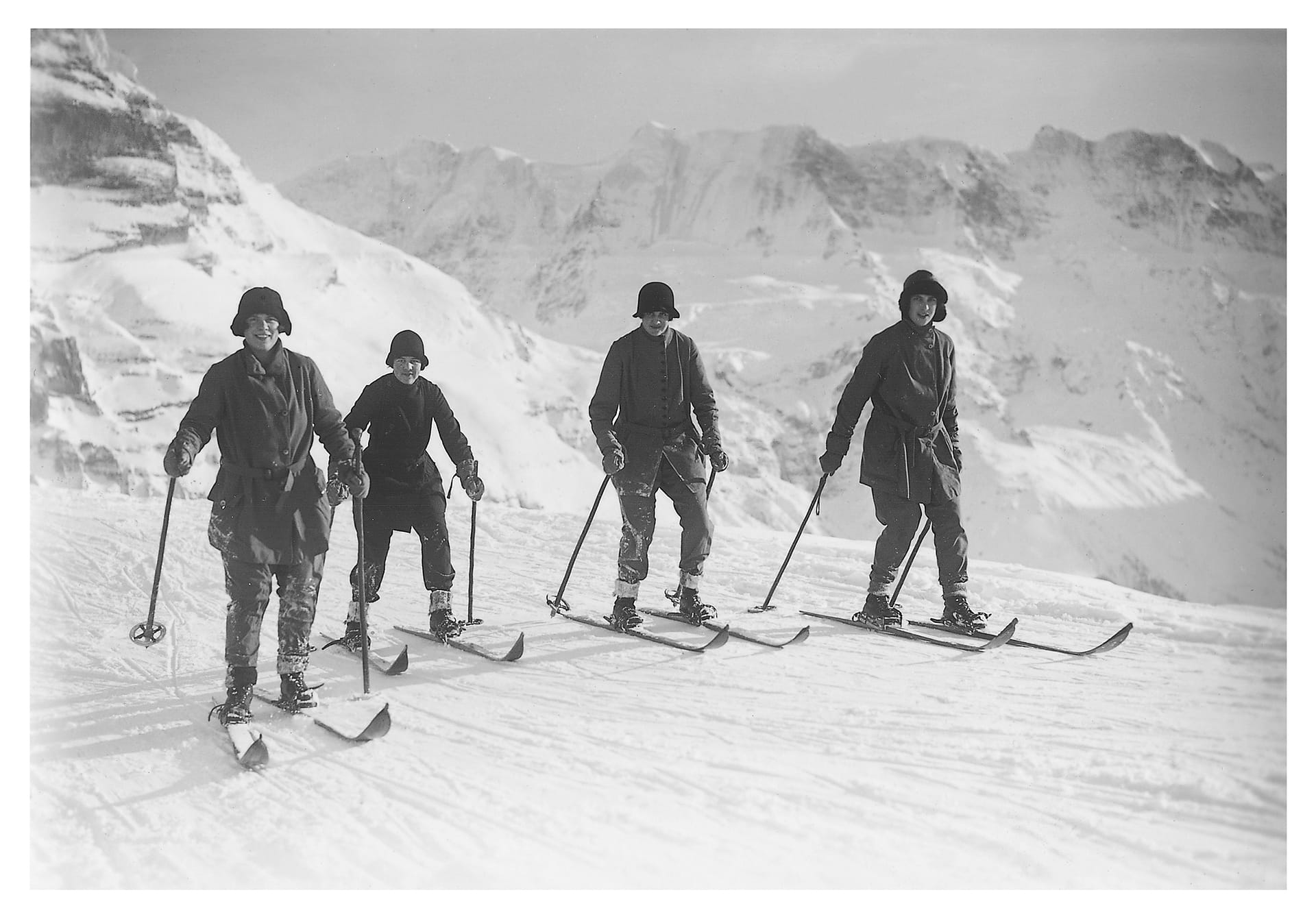
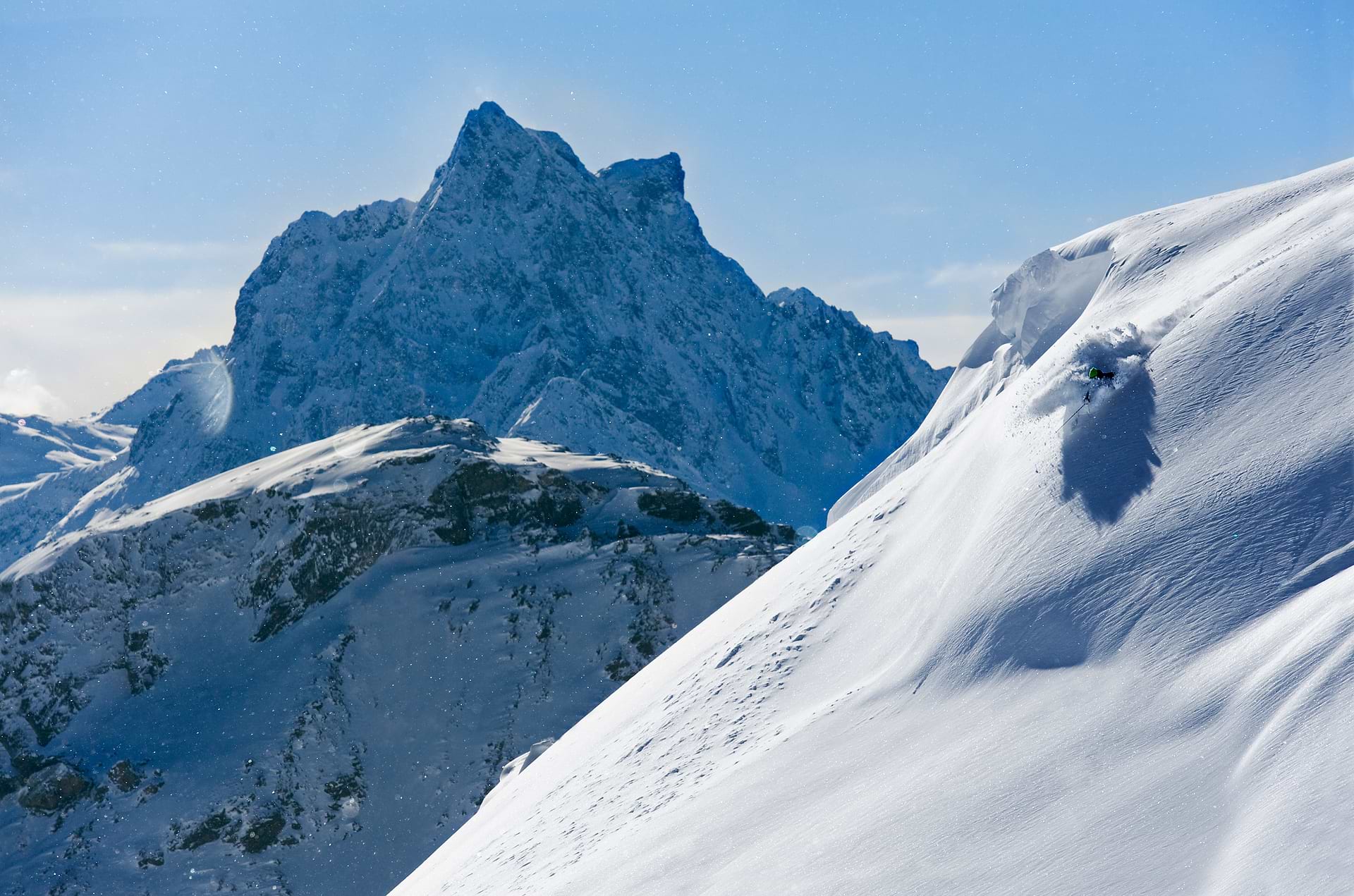
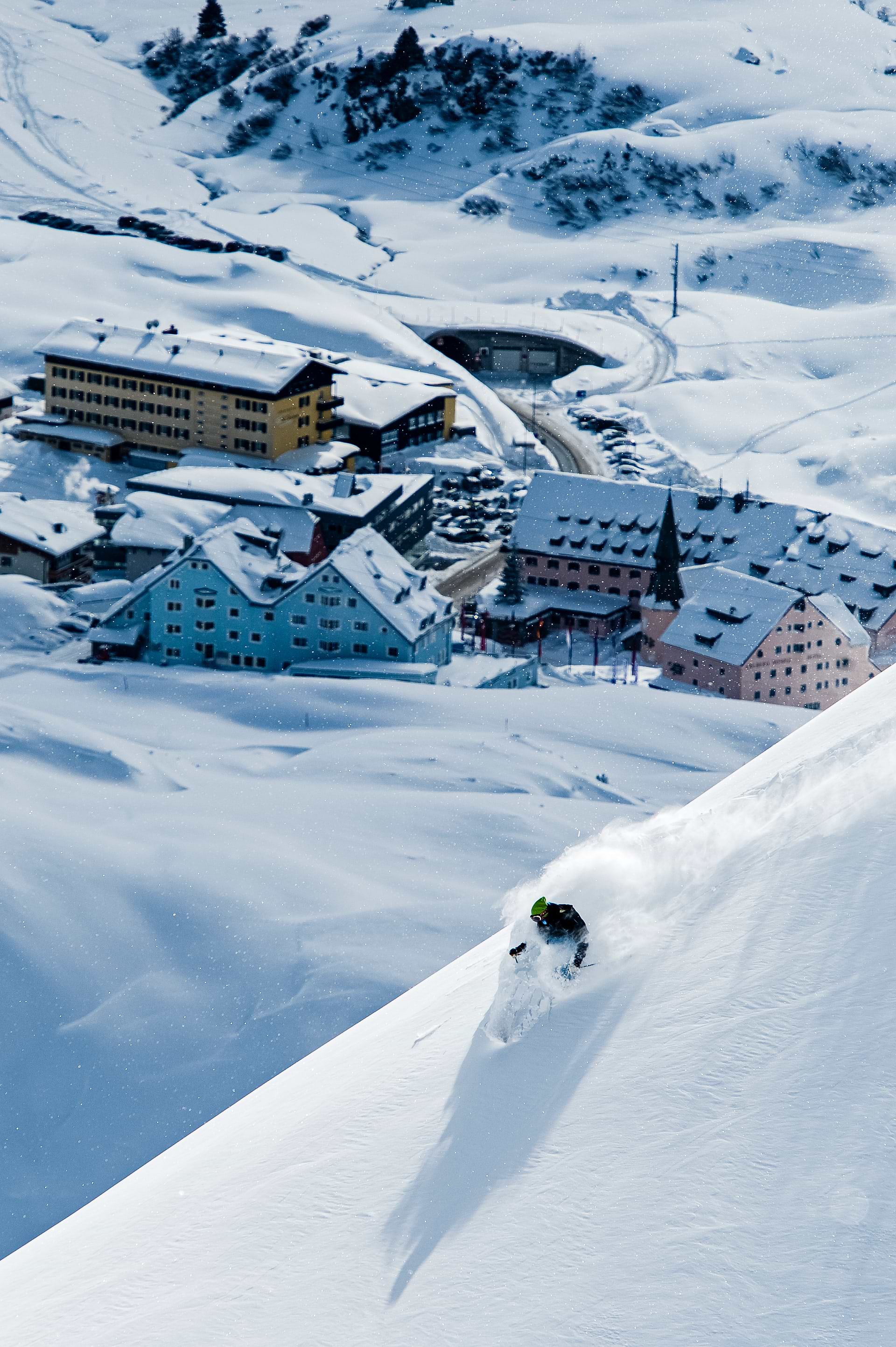
No list of ski pilgrimages is complete without a visit to the Austrian Arlberg region. This “cradle of alpine skiing” in the country’s Tyrol region is where humble farmer Hannes Schneider turned Norwegian utility and recreation into a bona fide sport. After the Galzigbahn lift opened in 1937, St. Anton am Arlberg quickly blossomed into one of the world’s finest lift-accessed ski experiences, now part of Austria's largest interconnected ski area—Ski Arlberg—along with St. Christoph, Stuben, Lech, Zürs, and Warth-Schröcken.
Local Knowledge
Many say the Austrian Alps are made for skiing: small steep sections (not super-long with significant exposure like Chamonix), consistent slope angles, steep trees, and plenty of lifts. In other words, the Alps in the Goldilocks zone are not too big, not too small, not too scary, and easy to get to.
St. Anton’s best piste runs
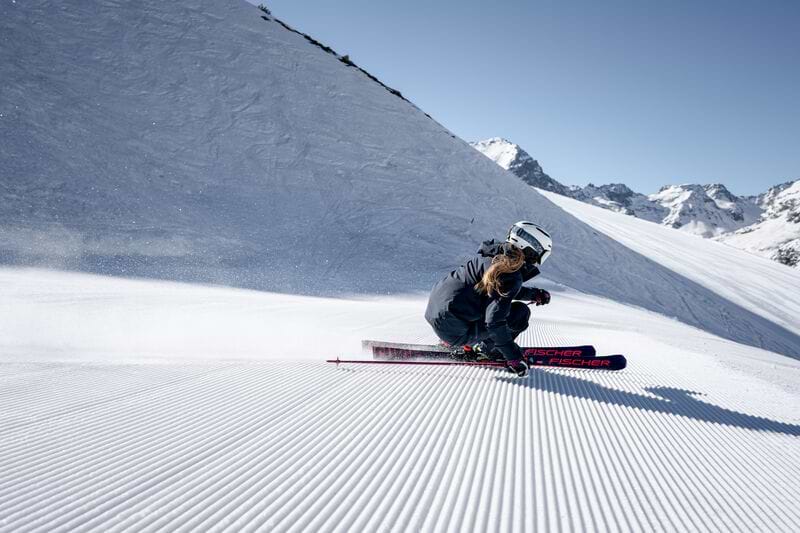
include the Blue 17 to Stuben, the Red 14 from Schindler Spitze, the steep Fangbelow Gampen, and the often-quieter, better-snow-quality Rendl ski area. Lech and Zurs feature a wider variety of blue and red runs.
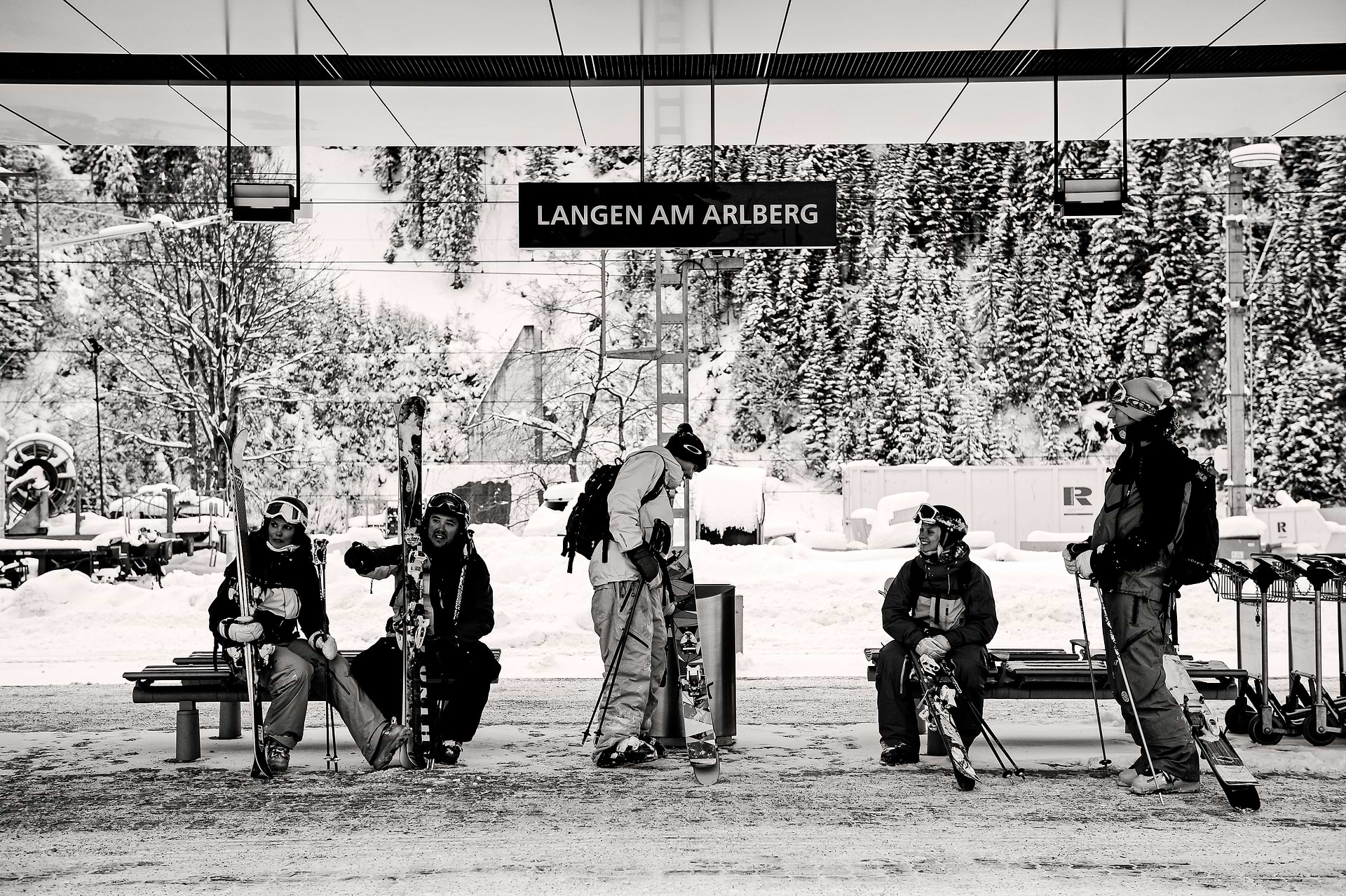
Pistes be damned, the resort’s
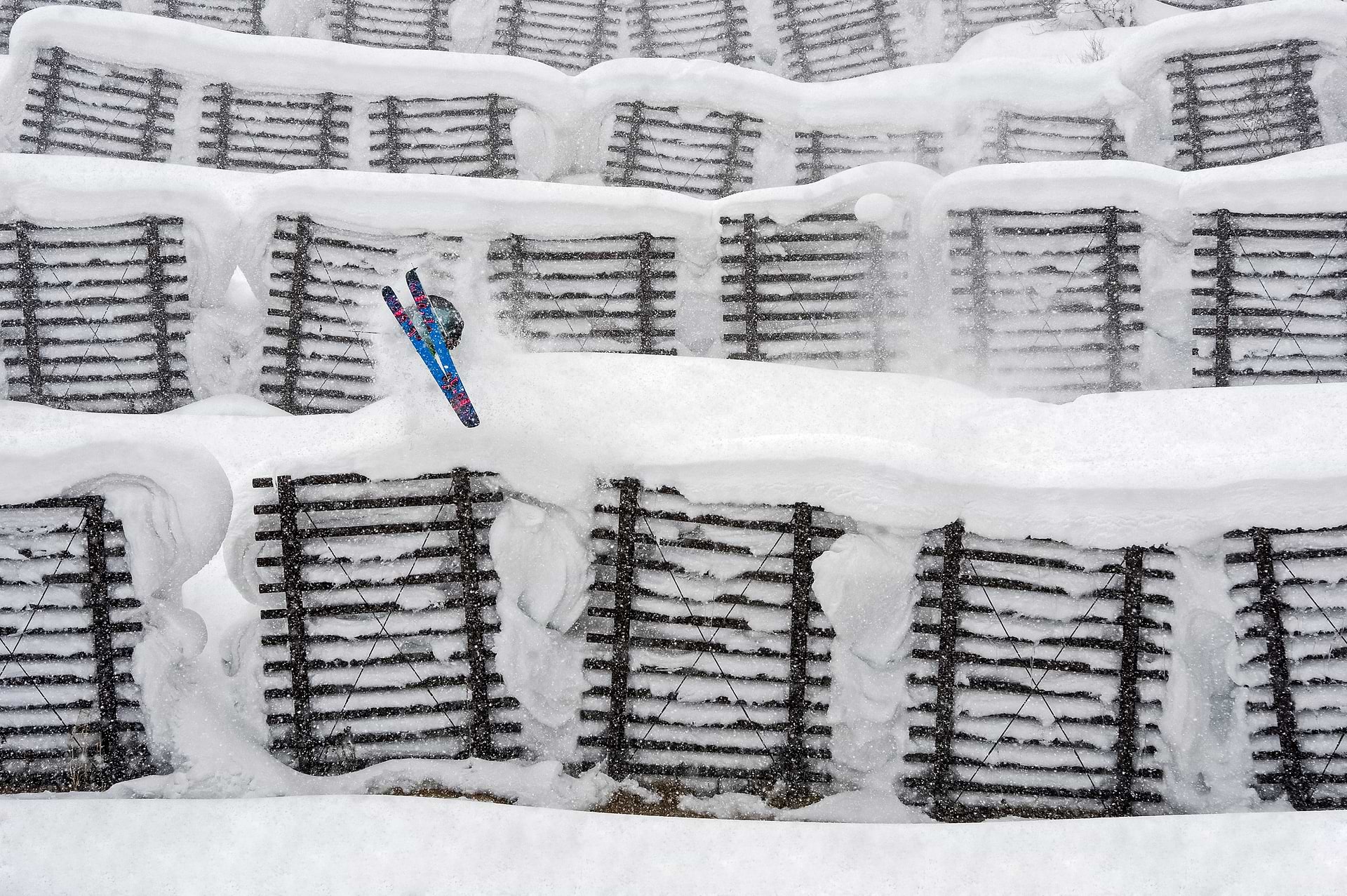
expert reputation is primarily built on its off-piste possibilities, which include routes controlled for avalanches but not patrolled, and marked red or black depending on steepness. The top draws are Valluga North Face, Schindler Chutes, Sonnenkopf (a worthy bus ride), Hinterer Rendl, and The Waterfall glade from the top of Stuben to Langen.
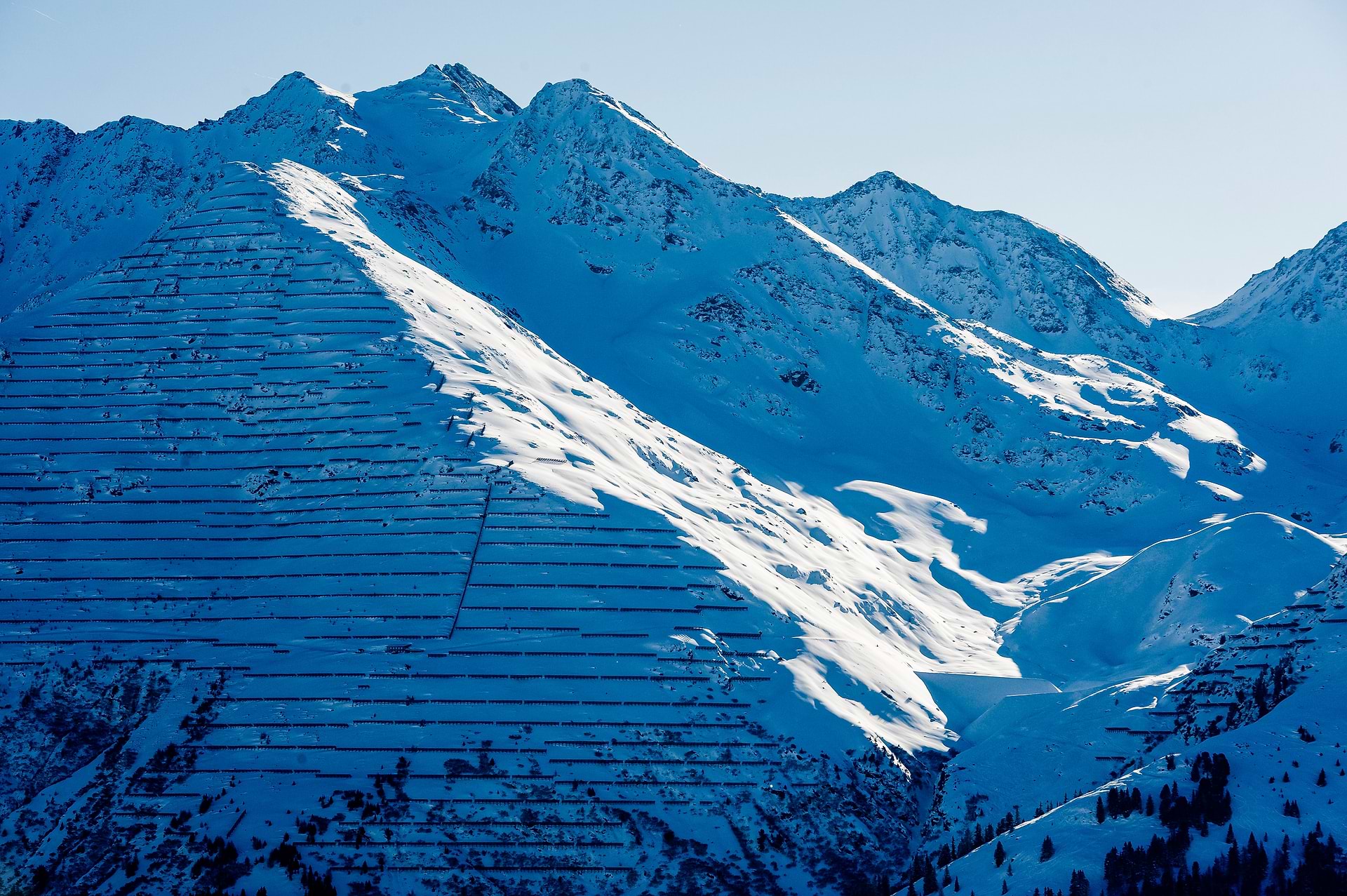
Although St. Anton is a good
bet for powder, many of its runs face south, meaning you have to hit them fast and time or locate runs more carefully later in the season—such as tracking the shady Albona run above Stuben or the north-facing Rendl side of St. Anton.
St. Anton’s best piste runs
include the Blue 17 to Stuben, the Red 14 from Schindler Spitze, the steep Fangbelow Gampen, and the often-quieter, better-snow-quality Rendl ski area. Lech and Zurs feature a wider variety of blue and red runs.
Pistes be damned, the resort’s
expert reputation is primarily built on its off-piste possibilities, which include routes controlled for avalanches but not patrolled, and marked red or black depending on steepness. The top draws are Valluga North Face, Schindler Chutes, Sonnenkopf (a worthy bus ride), Hinterer Rendl, and The Waterfall glade from the top of Stuben to Langen.
Although St. Anton is a good
bet for powder, many of its runs face south, meaning you have to hit them fast and time or locate runs more carefully later in the season—such as tracking the shady Albona run above Stuben or the north-facing Rendl side of St. Anton.
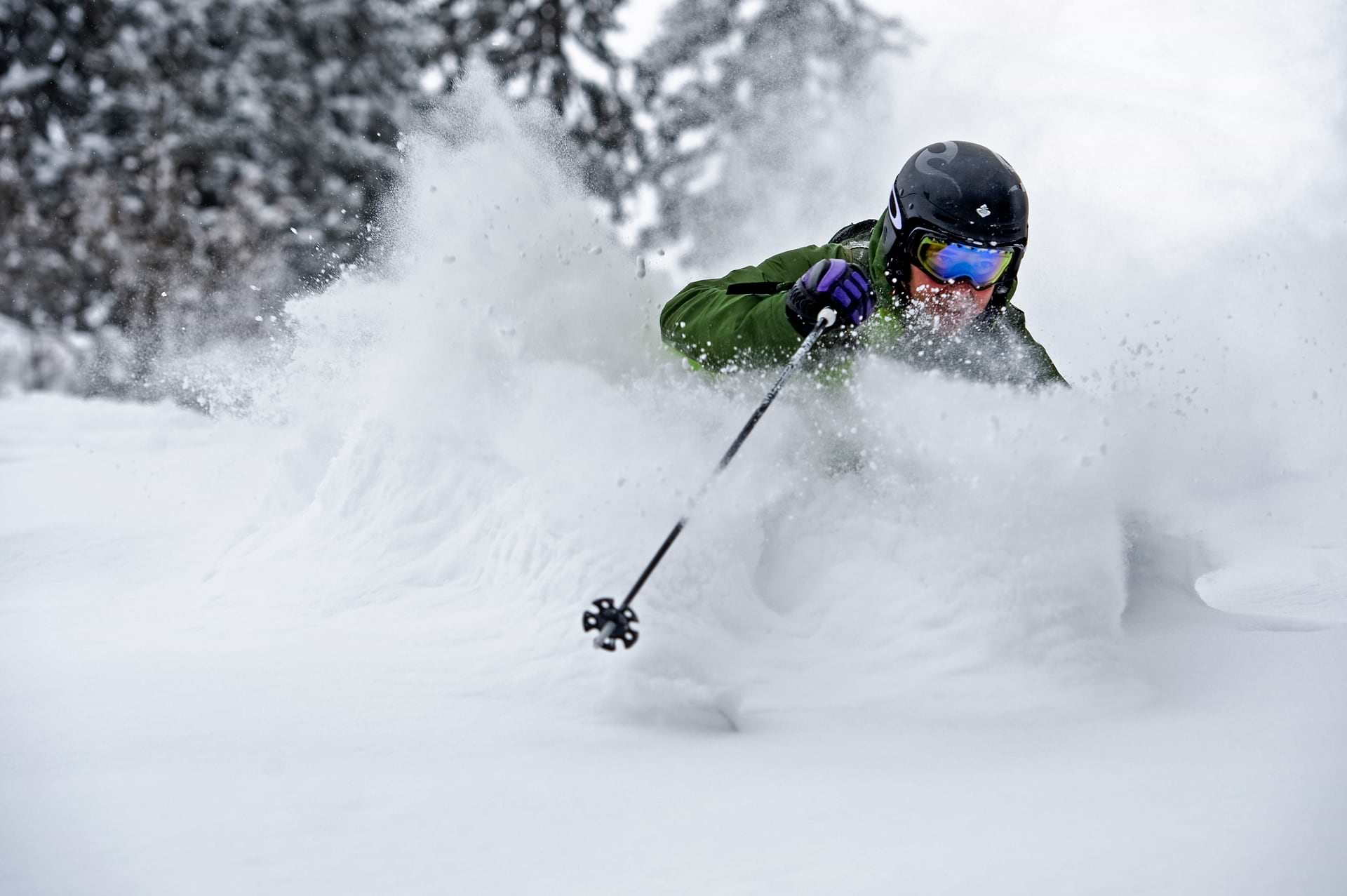
St Anton doesn’t have a ton of
trees, so if bad weather sends you in search of small woodland areas scattered across the lower slopes, look below mid-station on the Rendl side.
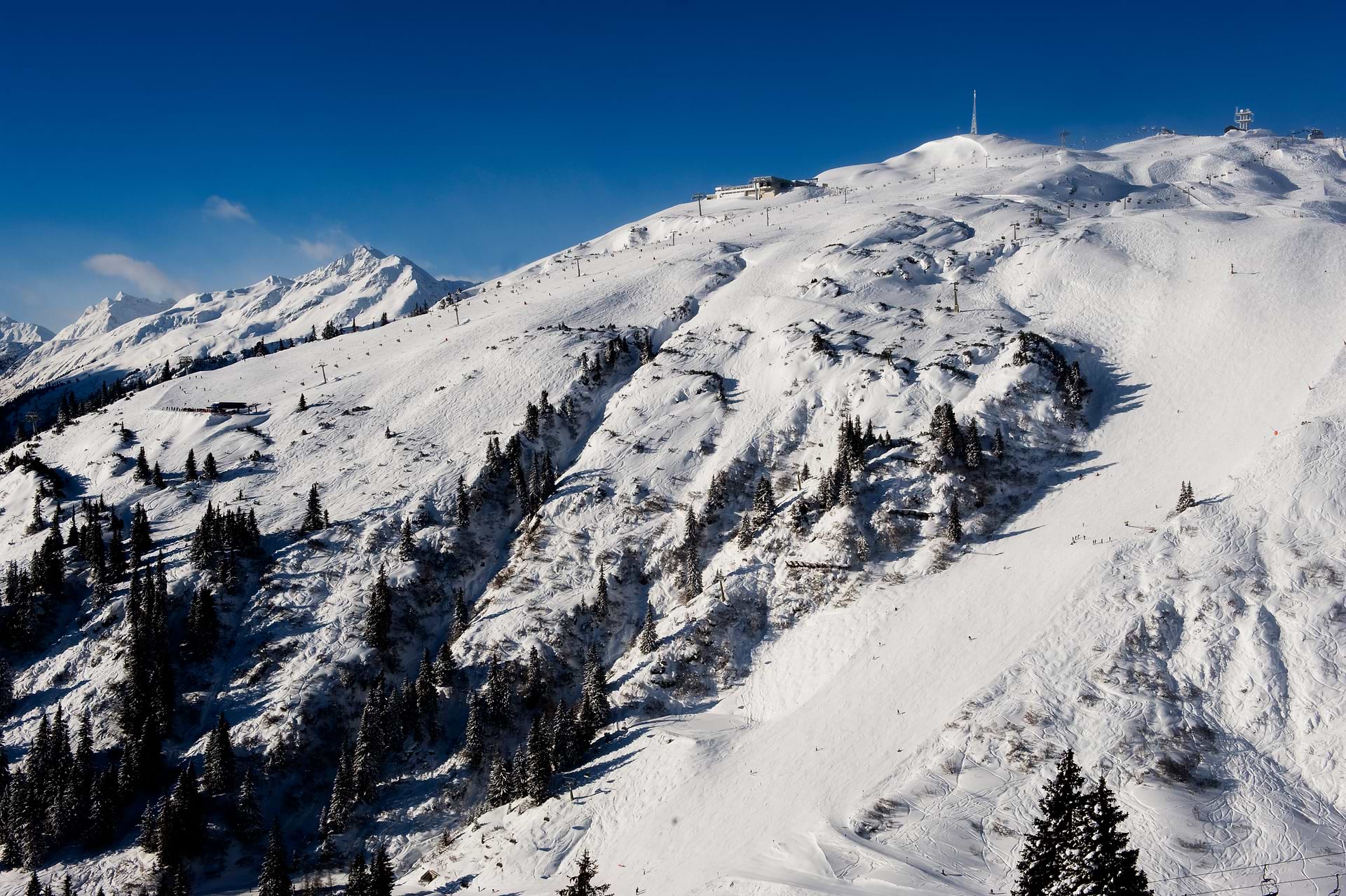
The runs back to
St Anton (or, more specifically, to après) get extremely busy at the end of the day. To avoid the traffic jam, head back to the Galzig slopes around 2 p.m. and spend your last few runs there.
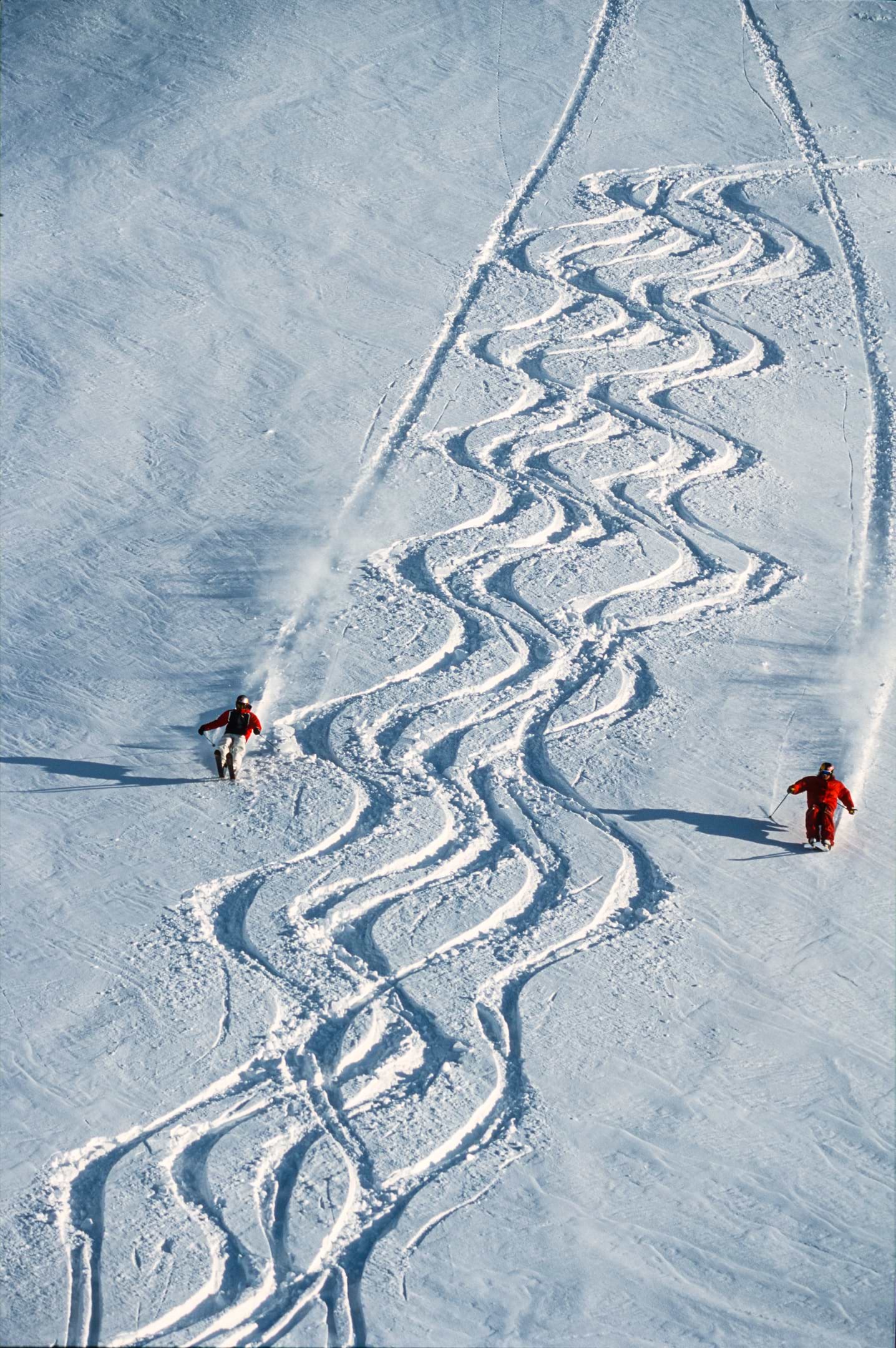
Keep an eye peeled
for turn-farming—hundreds of parallel tracings in the snow that look like hands wriggled through the icing. Its prevalence suggests why Austrians have the requisite precision, dedication and anal-retention to turn their love of pulver schnee into consistent World Powder 8 titles.
St Anton doesn’t have a ton of
trees, so if bad weather sends you in search of small woodland areas scattered across the lower slopes, look below mid-station on the Rendl side.
The runs back to
St Anton (or, more specifically, to après) get extremely busy at the end of the day. To avoid the traffic jam, head back to the Galzig slopes around 2 p.m. and spend your last few runs there.
Keep an eye peeled
for turn-farming—hundreds of parallel tracings in the snow that look like hands wriggled through the icing. Its prevalence suggests why Austrians have the requisite precision, dedication and anal-retention to turn their love of pulver schnee into consistent World Powder 8 titles.
Eat, Drink and be Merry
There are 11 on-mountain restaurants
and a few smaller kiosks. You can take the epic and stunningly engineered Galzing cable car to Verwallstube, one of Europe’s highest award-winning restaurants.
Pizzeria Pomodoro for a lively atmosphere, world-famous lasagne and the Arlberg’s best pizza; Rendl Beach, a self-service gig with a huge sun terrace.
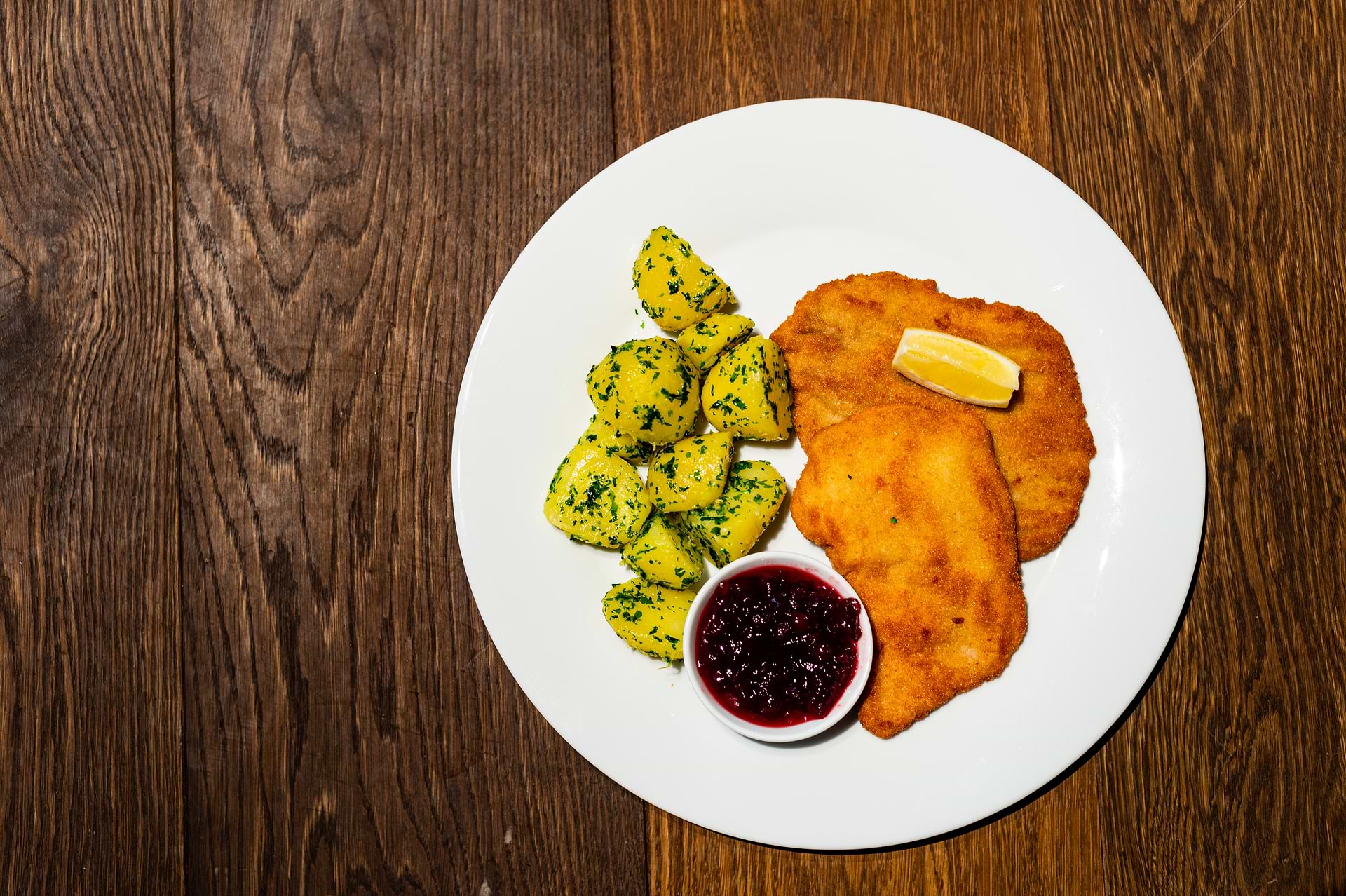
On a sunny day, lunch on the deck of the Berghaus Stuben—the smallest, coziest hub of charm-retention in the Arlberg—is a must-do classic. Repeat after us: “Ich nehme das Schnitzel.”
In town, check out:
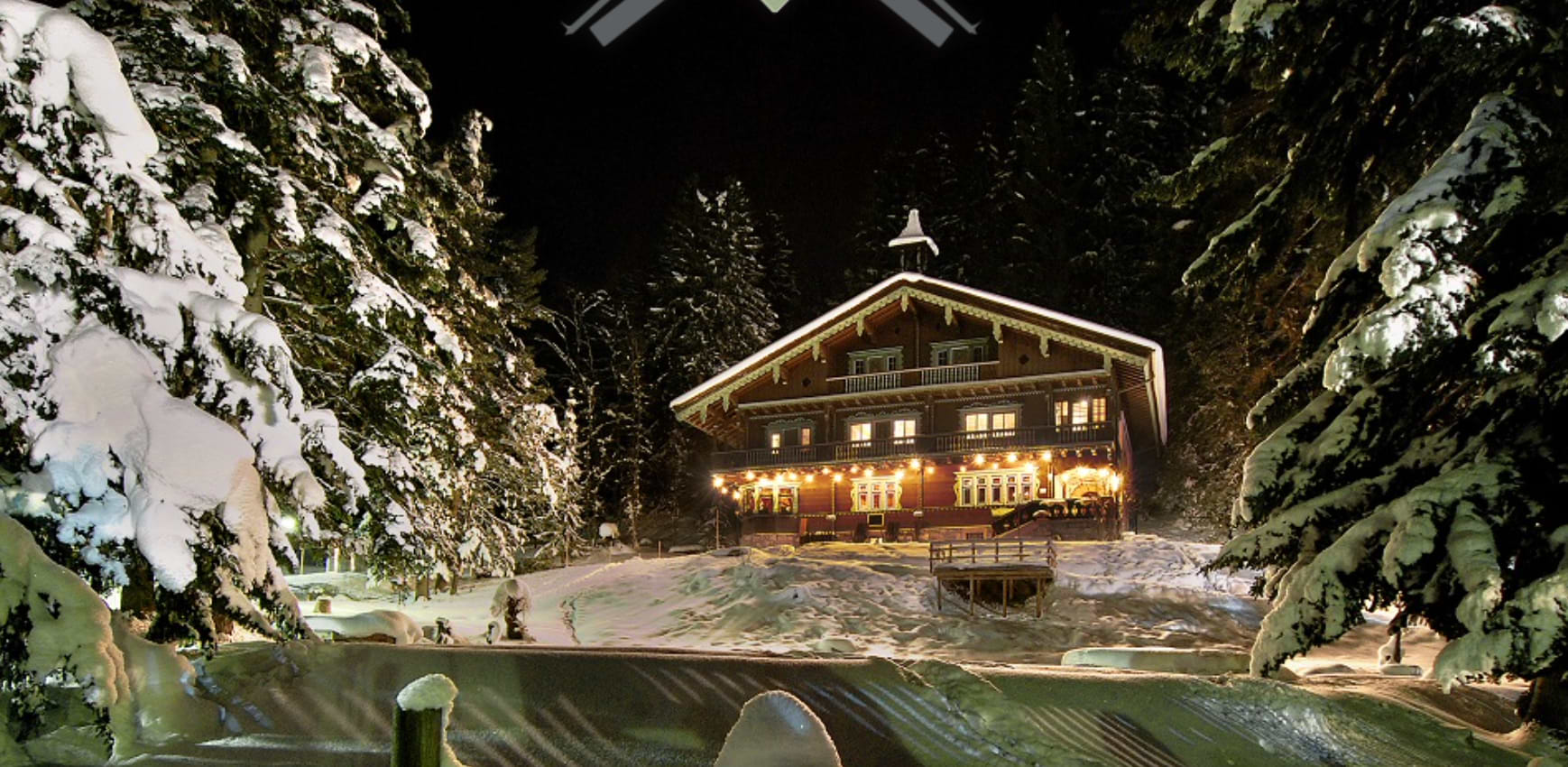
Bobos for Mexican and a great selection of cocktails; Burger Stop for a post-après snack or late-night nosh; Robi’s Rodel-Stall for an open-fire kick-back fondue at the end of the toboggan run (good ribs, too); Skiing Buddha for delicious Asian in the climbing/bowling centre next to the train station; Anthony's Happy Valley Steakhouse (beneath Anthony’s Pizzeria) for good food and occasional live music; and legendary Museum Restaurant—museum by day and candlelit gastronomic delight by night, it was a filming location in the British comedy, Chalet Girl.
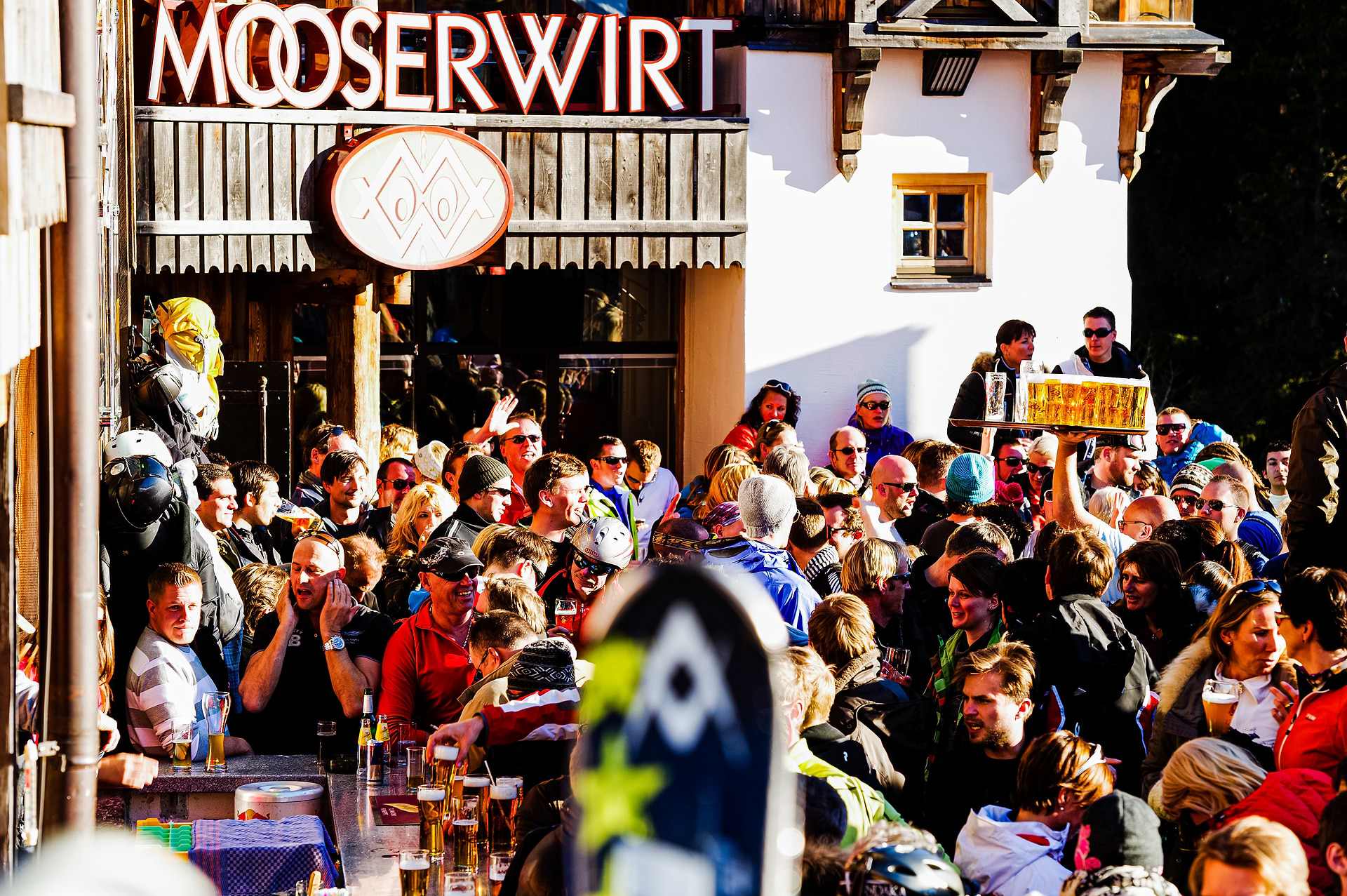
The infamous, world-renowned madness of après-ski
in St. Anton cannot be oversold. At 4 p.m. in the MooserWirt—which rivals the Krazy Kanguruh as the place to meet your 1,000 new best friends—massive trays of beer and shots circulate on the arms of brawny biker-ballerinas who expertly balance 10 kilos of liquid-filled glass while pirouetting through a reeling crowd beginning its daily climb to an apogee of table-dancing and surreptitious vomiting. The polizei frequently appear—not to reel in the madness but to ensure the outside roadway is clear. You never know when you’ll need an ambulance.
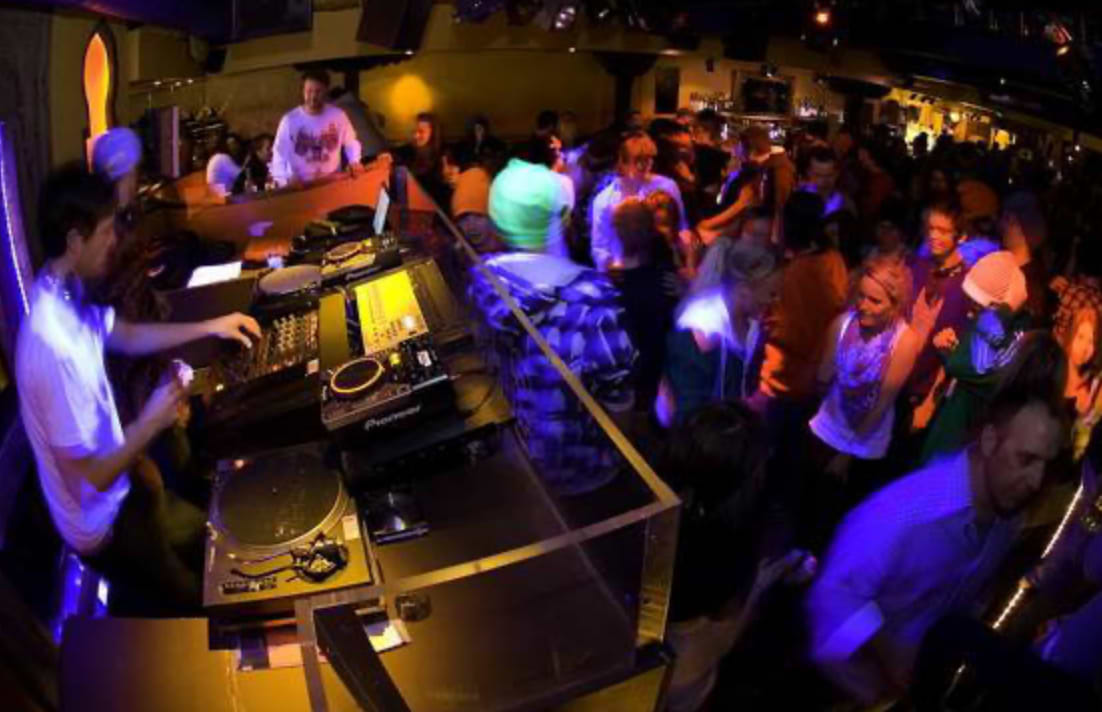
If you make it through après
and want to continue, there are plenty of ski-bum hangouts, English-style pubs, wine bars and clubs to help you reach oblivion. Among them: Bobos, with regular karaoke parties that go until 3 a.m.; sports-oriented Bar Cuba; and late-night stops Scotty’s Bar & Pizzeria and Piccadilly Bar and Club.
There are 11 on-mountain restaurants
and a few smaller kiosks. You can take the epic and stunningly engineered Galzing cable car to Verwallstube, one of Europe’s highest award-winning restaurants.
Pizzeria Pomodoro for a lively atmosphere, world-famous lasagne and the Arlberg’s best pizza; Rendl Beach, a self-service gig with a huge sun terrace.
On a sunny day, lunch on the deck of the Berghaus Stuben—the smallest, coziest hub of charm-retention in the Arlberg—is a must-do classic. Repeat after us: “Ich nehme das Schnitzel.”
In town, check out:
Bobos for Mexican and a great selection of cocktails; Burger Stop for a post-après snack or late-night nosh; Robi’s Rodel-Stall for an open-fire kick-back fondue at the end of the toboggan run (good ribs, too); Skiing Buddha for delicious Asian in the climbing/bowling centre next to the train station; Anthony's Happy Valley Steakhouse (beneath Anthony’s Pizzeria) for good food and occasional live music; and legendary Museum Restaurant—museum by day and candlelit gastronomic delight by night, it was a filming location in the British comedy, Chalet Girl.
The infamous, world-renowned madness of après-ski
in St. Anton cannot be oversold. At 4 p.m. in the MooserWirt—which rivals the Krazy Kanguruh as the place to meet your 1,000 new best friends—massive trays of beer and shots circulate on the arms of brawny biker-ballerinas who expertly balance 10 kilos of liquid-filled glass while pirouetting through a reeling crowd beginning its daily climb to an apogee of table-dancing and surreptitious vomiting. The polizei frequently appear—not to reel in the madness but to ensure the outside roadway is clear. You never know when you’ll need an ambulance.
If you make it through après
and want to continue, there are plenty of ski-bum hangouts, English-style pubs, wine bars and clubs to help you reach oblivion. Among them: Bobos, with regular karaoke parties that go until 3 a.m.; sports-oriented Bar Cuba; and late-night stops Scotty’s Bar & Pizzeria and Piccadilly Bar and Club.
Sleep
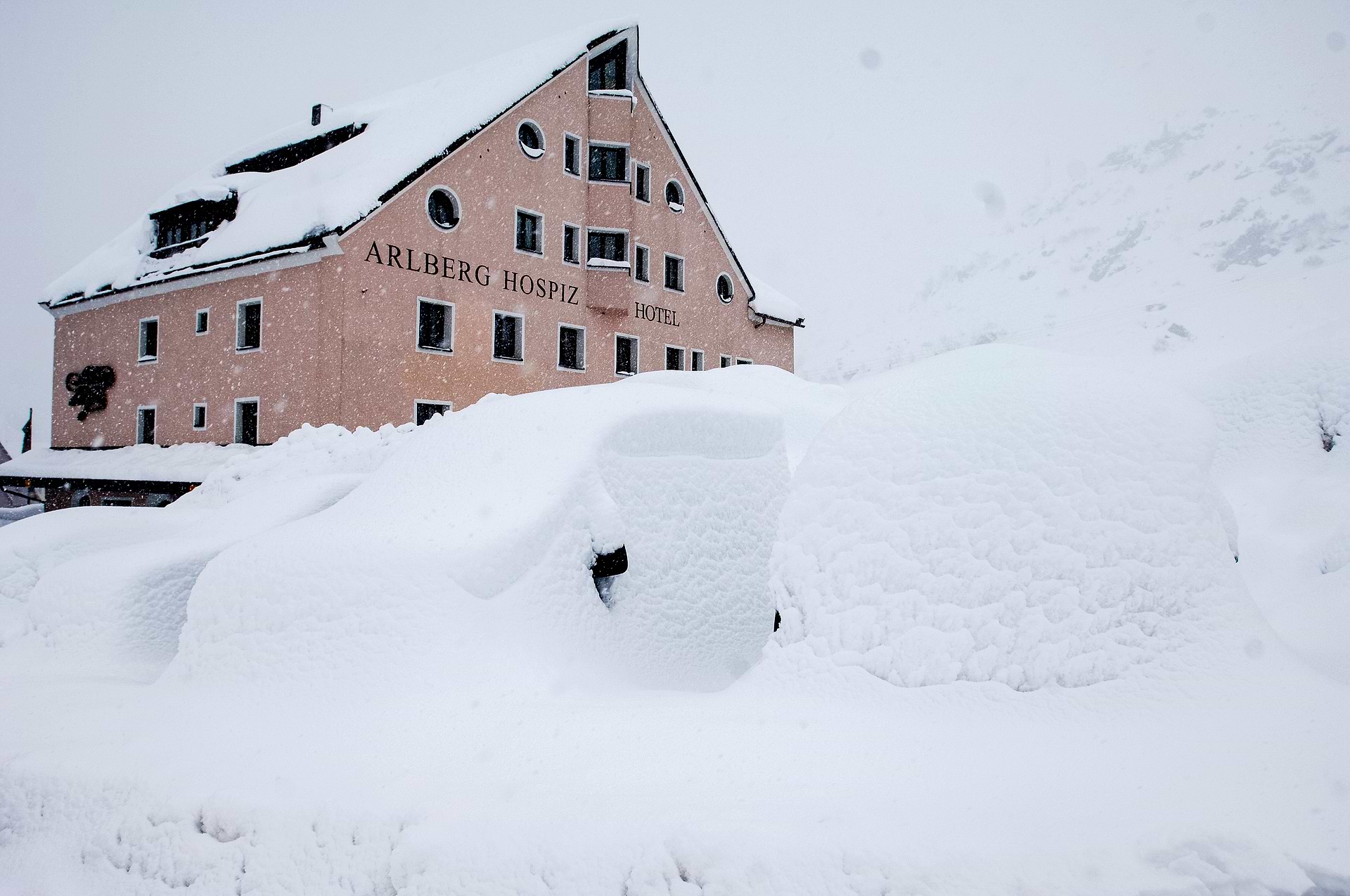
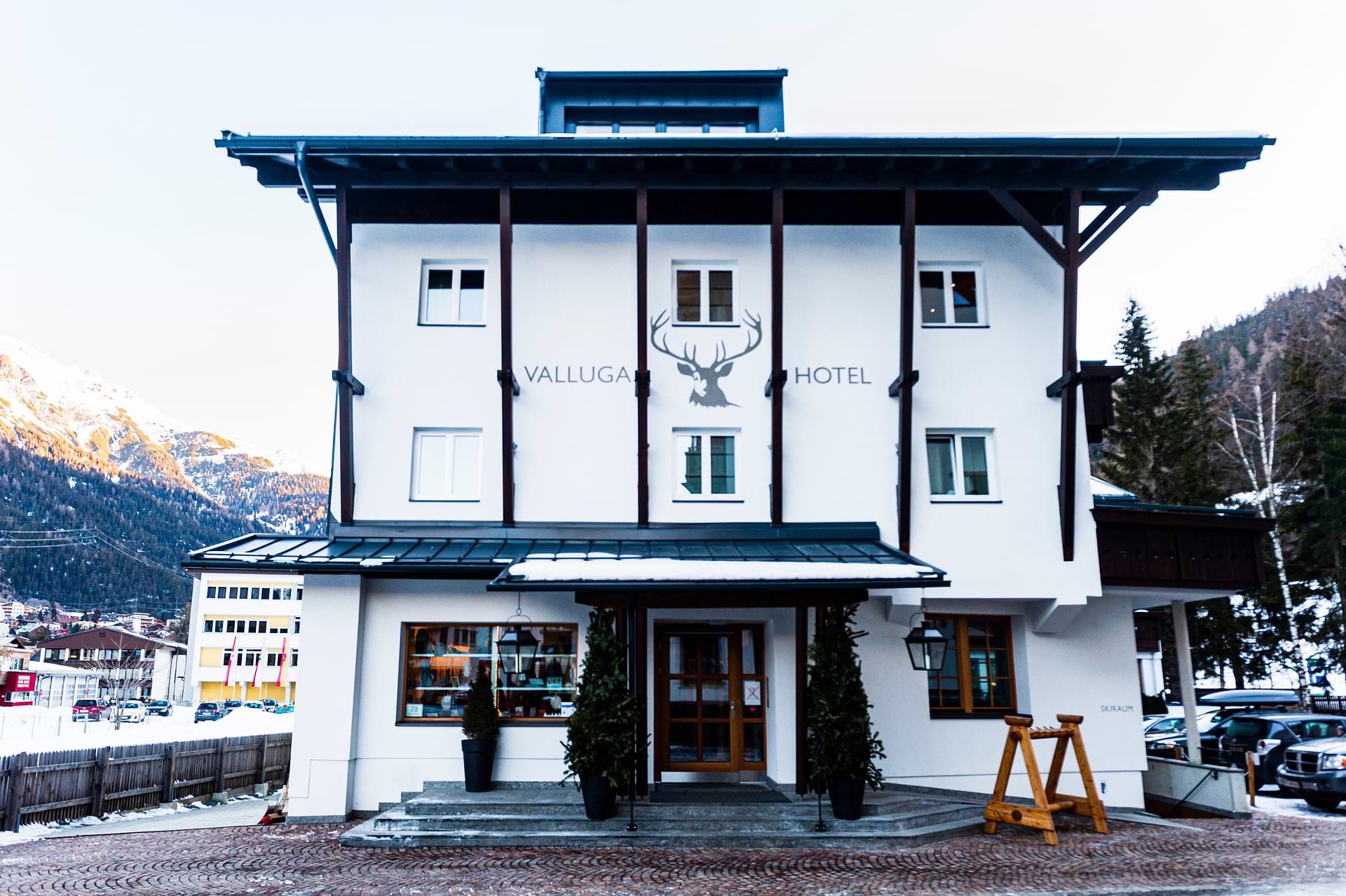
As a storied alpine destination, St. Anton features a full spectrum of hotels, guesthouses, apartments and chalets. The pedestrian-oriented main street is convenient, with plenty of choices. Reasonable three-stars include Hotel Garni Schindler and Hotel Sailer in the village centre and Hotel Nassereinerhof in Nasserein. Four-star standards like Hotel Schwarzer Adler and Alte Post join boutique hotels like Pepi’s Skihotel, Hotel Rundeck and Hotel Valluga, a heritage inn erected in Tyrolean style then renovated in ultra-modern Nordic chic. St. Cristoph, a little higher and quieter, also has good options; you can’t beat top-rated Hotel Arlberg Hospiz, but three-star Gasthof Valluga is nothing to sniff.
Other Stuff
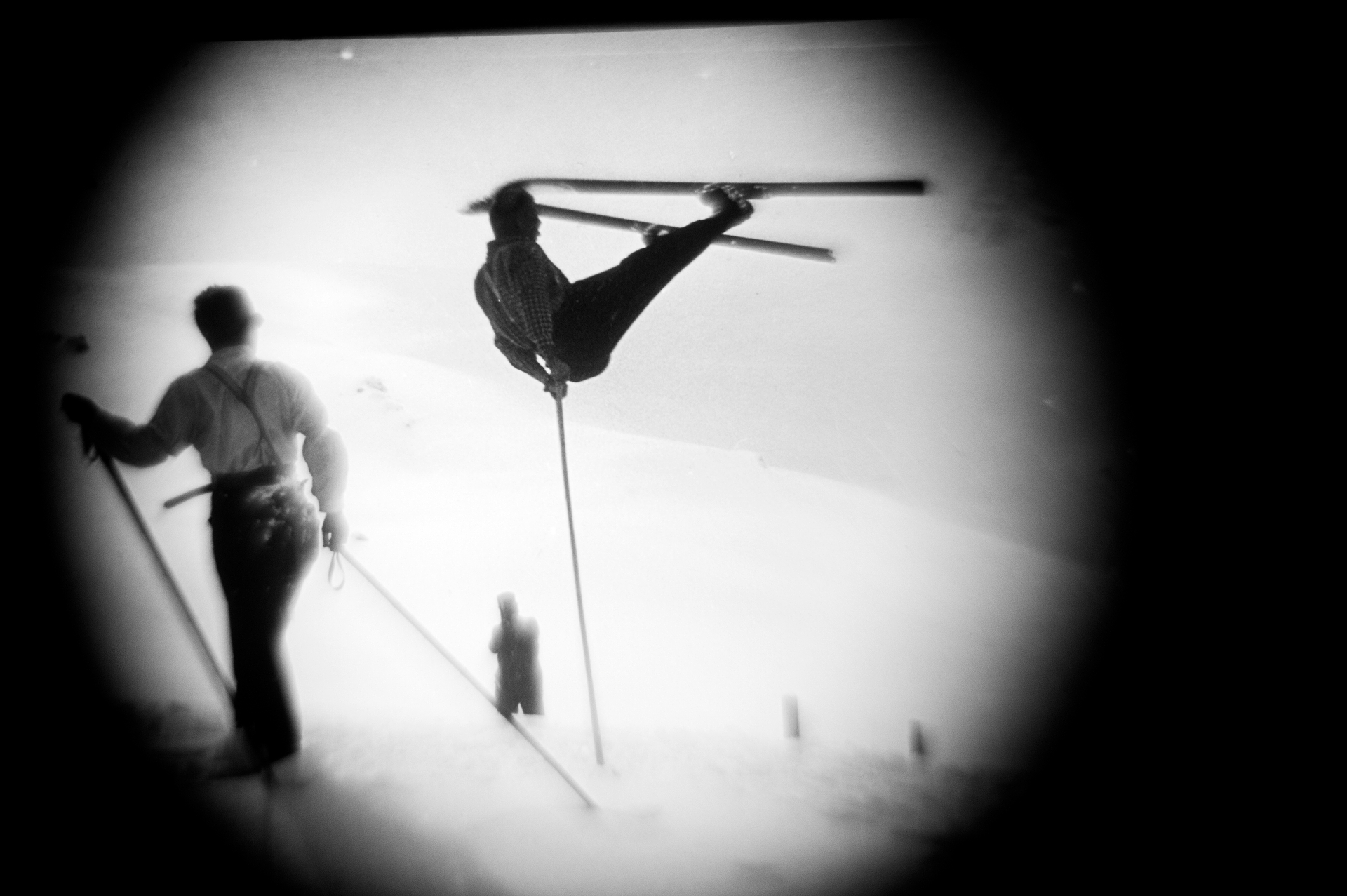
The long and fascinating history of St Anton’s ski heritage is documented in the ski museum, located on the upper floor of Villa Trier. Walkable from town, the Museum Restaurant-Café is well worth a visit and you don’t even need to cut your ski day short; it’s open at night. If you book in advance, combine it with fine dining in the historical atmosphere.
Some ~40 km of cross-country skiing is set between St. Anton and St. Christoph.
Arl.rock Sports Park offers everything from climbing and bouldering to bowling and tennis.
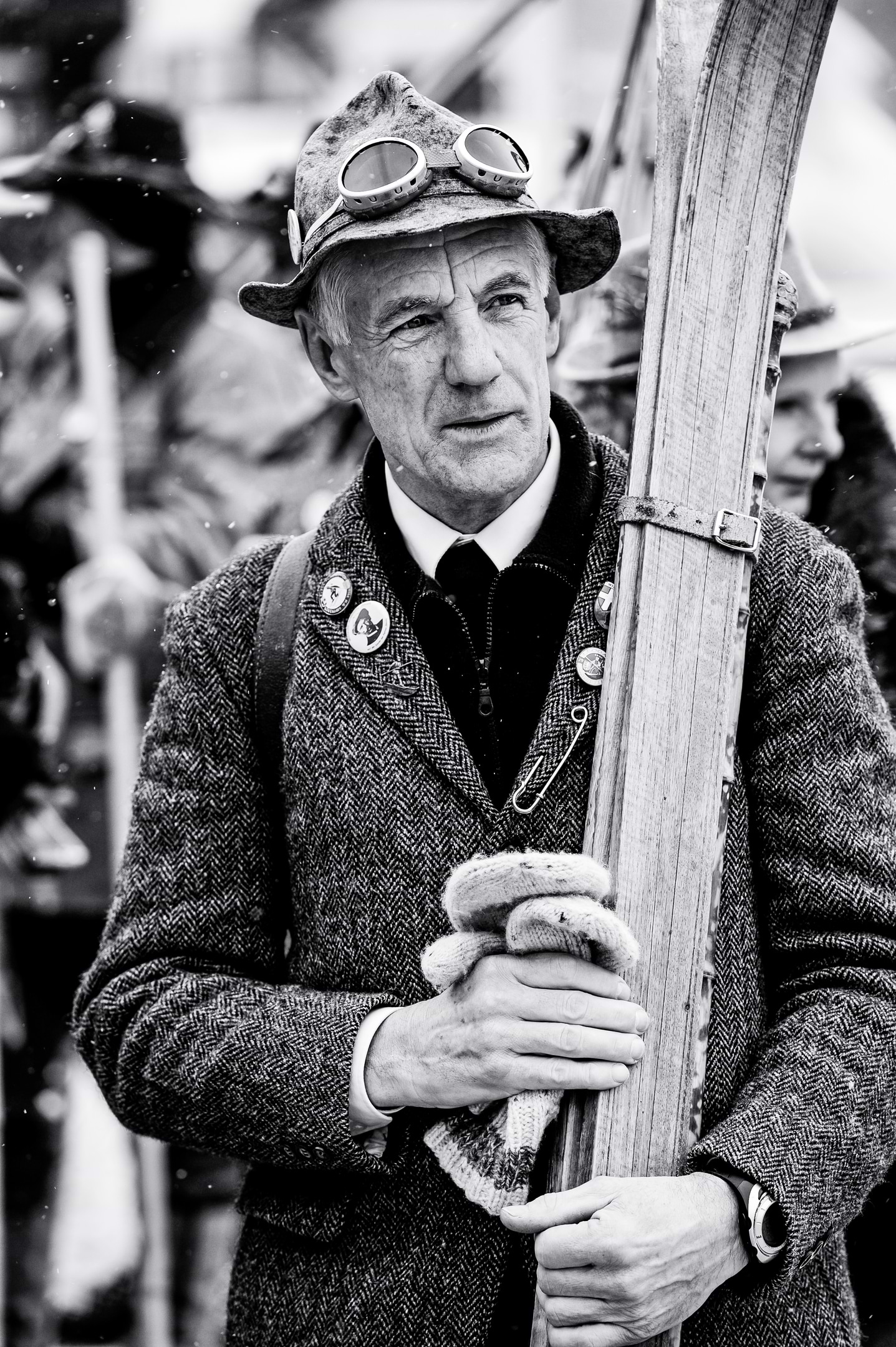
Both a fascinating journey through ski history and a spectacular display of contemporary skills, the weekly ski show in St. Anton delivers world-class athletes telling costumed stories and showing off choice piste and aerial maneuvers, followed by a fireworks display.
Der Weisse Rausch (The White Thrill) downhill race is held every April and open to all, featuring a classic Chinese start and plenty of carnage.
In an off-piste paradise like St. Anton, ski guides are invaluable. Check out Piste to Powder Mountain Guides ; and, led by Andy Thurner, author of Off-Piste in the Arlberg, Arlberg Guides.
Don't Miss
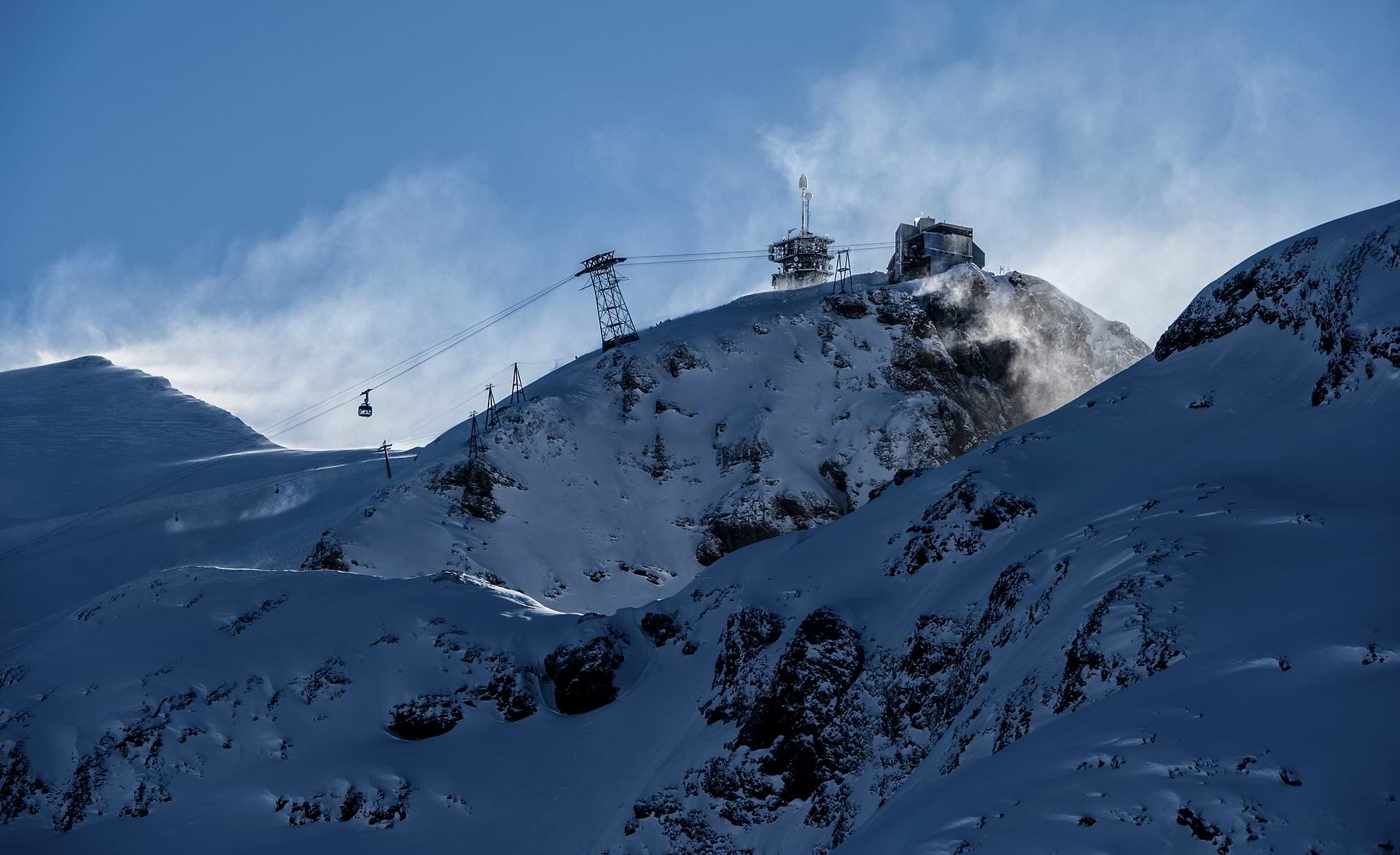
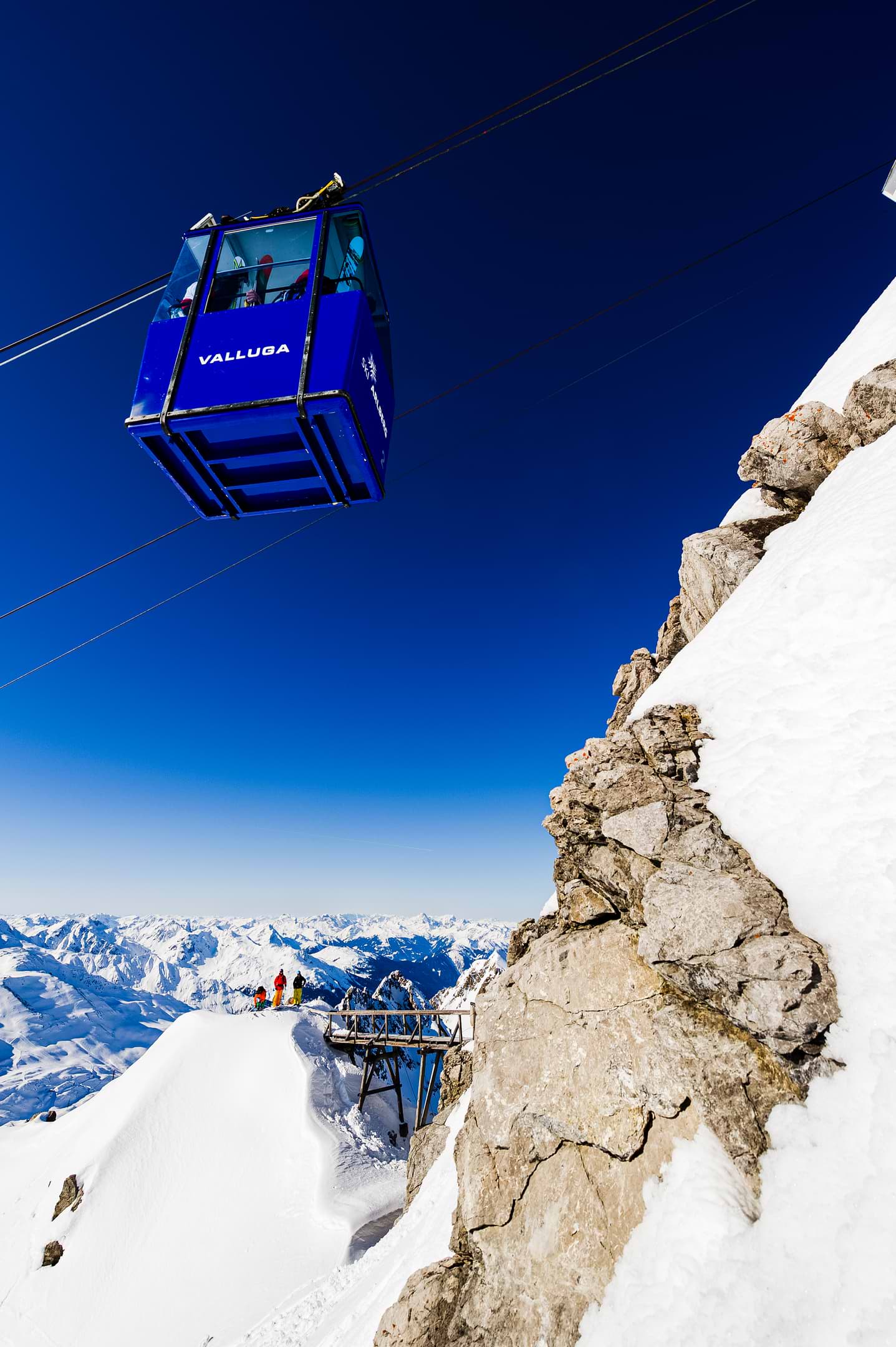
Are you looking for a serious off-piste baptism? Hire a guide to ascend from historic St. Cristoph to St. Anton’s highest peak, Valluga, at 2,811 m. Only guides and clients are allowed on the topmost tram, but you’ll ski the famous descent between soaring white fins that funnels you down to Zürs. NThenbus from Zürs to Stuben and ride chairs aloft to hidden slopes that hold powder days after a storm—rolling knolls that attract the world’s freeride film crews like ants to syrup.
Just the Facts
With its hallmarks of guaranteed snow, excellent pistes (Austrians like their carving plush), legendary off-piste, and terrain for all levels, Ski Arlberg is unlikely to disappoint any level of ski ambition.
• Skiable area: infinite alpine; 300 km of trails; 200 km of off-piste
• Parks: 4 terrain parks; 1 pipe; 3 race courses; speed track
• Longest run: ~10 km
• Terrain mix: 36%/26%/38%
• Lifts: 88; capacity 151,000 skiers/hr
• Average annual snowfall: 8-11 m above 2,000 m, varying across the Ski Arlberg region
• Snowmaking coverage: 73% of slopes (1,080 snow cannons)
• Vertical: 1,510 m; top elevation 2,811 m
Getting there: St. Anton am Arlberg is a Railjet station with direct daily connections to Vienna and Zurich, making this an attractive way to travel from anywhere in Europe. The village is also only a few minutes from the S16 highway, putting Zurich and Munich airports less than 3 hours away by car.
LESLIE ANTHONY is a writer and editor who knows a thing or two about snow. Longtime Creative Director of SKIER, former Managing Editor of POWDER, and author of the book White Planet: A Mad Dash Through Modern Global Ski Culture, the resident of Whistler, British Columbia, continues to appear regularly on the masthead of the world’s top ski magazines. His favorite activity? Skiing powder, of course.
LESLIE ANTHONY is a writer and editor who knows a thing or two about snow. Longtime Creative Director of SKIER, former Managing Editor of POWDER, and author of the book White Planet: A Mad Dash Through Modern Global Ski Culture, the resident of Whistler, British Columbia, continues to appear regularly on the masthead of the world’s top ski magazines. His favorite activity? Skiing powder, of course.
RELATED STORIES